Did you know? These 5 countries function with uncodified constitutions

Do you know there are countries with uncodified constitutions? This means their systems are shaped by many laws, traditions, and key rulings, not a single written document. Below are some countries with uncodified constitutions you must know.

Canada
Canada’s constitution is uncodified, meaning it is not contained in a single document. Instead, it combines written acts like the Canada Act 1982 and the Constitution Act 1867, along with amendments and unwritten conventions. Royal prerogatives and traditions also guide legal interpretation, with constitutional law focused on the application of all these sources together.
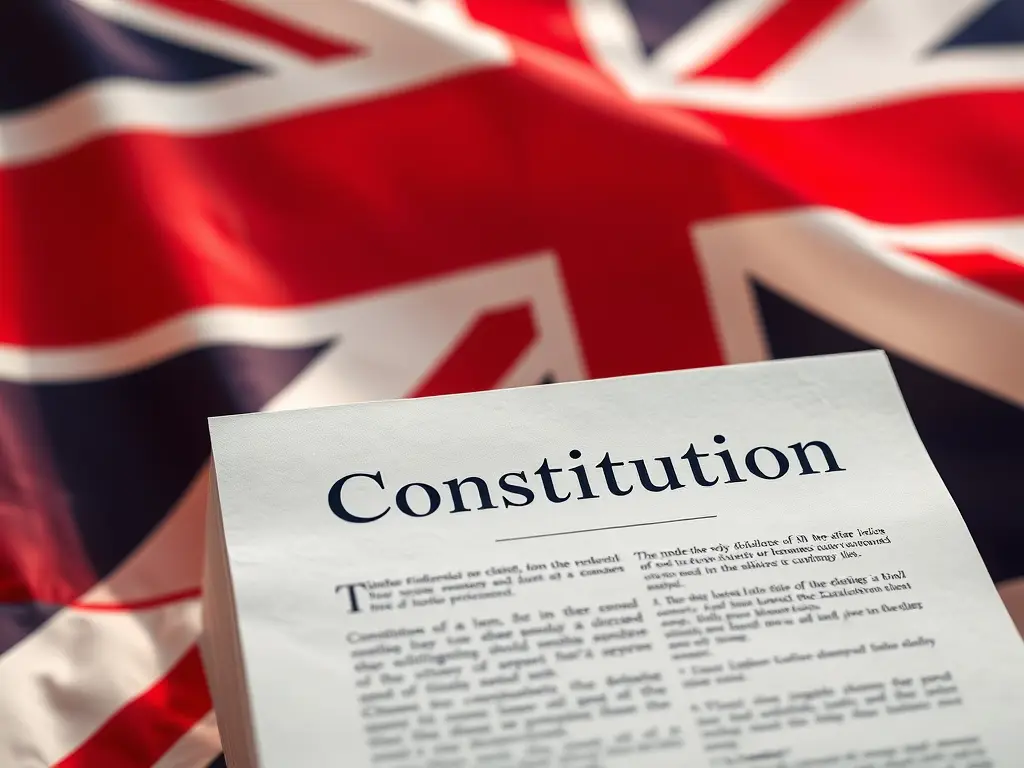
United Kingdom
The United Kingdom has an uncodified constitution, formed by statute law, common law, political conventions, and works of authority. There is no single written document; instead, Parliament passes laws that shape and change the constitution. The system governs relations between the public and authorities, with everyone equal before the law.

Saudi Arabia
Saudi Arabia’s constitution remains uncodified, with governance rooted in Sharia law from the Quran and Sunnah, supported by royal decrees. The 1992 Basic Law formalises these principles, yet all legislation ultimately depends on Islamic law. Legal judgments rely on scholarly consensus and traditional texts, making interpretation flexible and varied.

New Zealand
New Zealand operates under an uncodified constitution made up of laws, conventions, statutes, and key documents like the Constitution Act 1986 and Treaty of Waitangi. There is no sole written document. Its constitutional system is shaped by a mix of legal principles and evolving traditions.

Israel
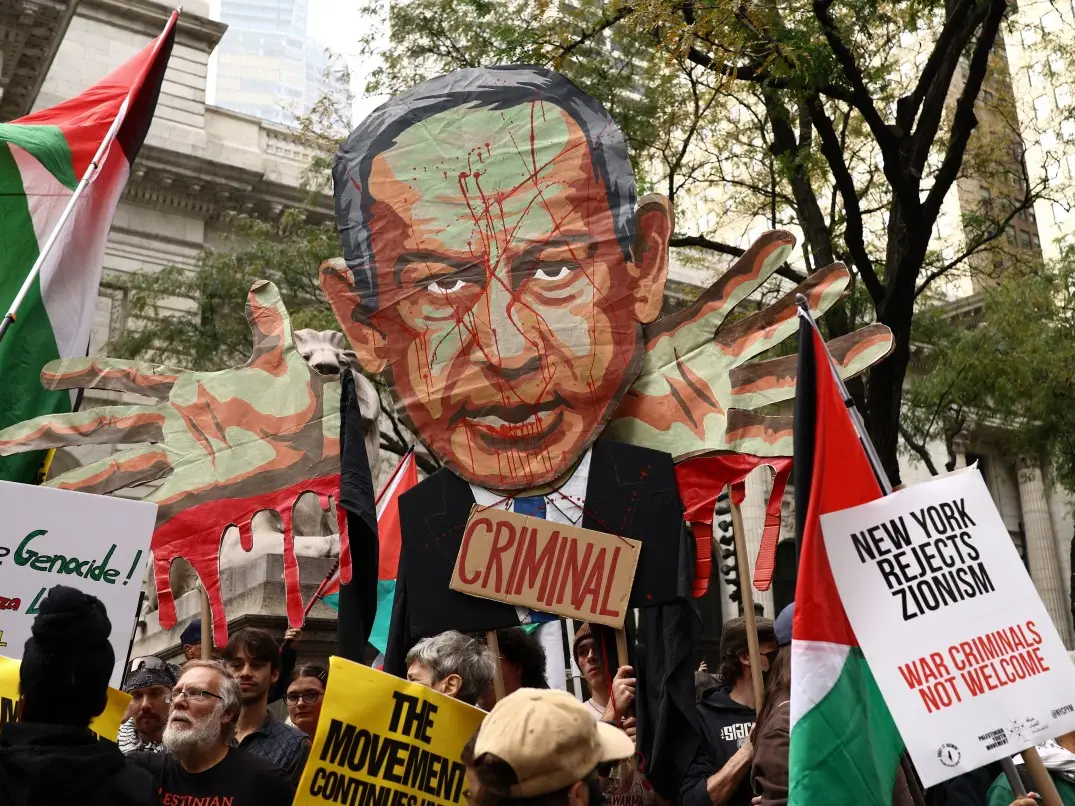
Israel’s constitution is uncodified. It is guided by the Harari Decision of 1950, a series of Basic Laws, and Supreme Court interpretations. As no official document has ever been enacted, the country relies on incremental legislation and ongoing debates to define its state structure and rights.
)
)
)
)
)