Did you know the Indian Air Force operated bomber jets for 50 years?

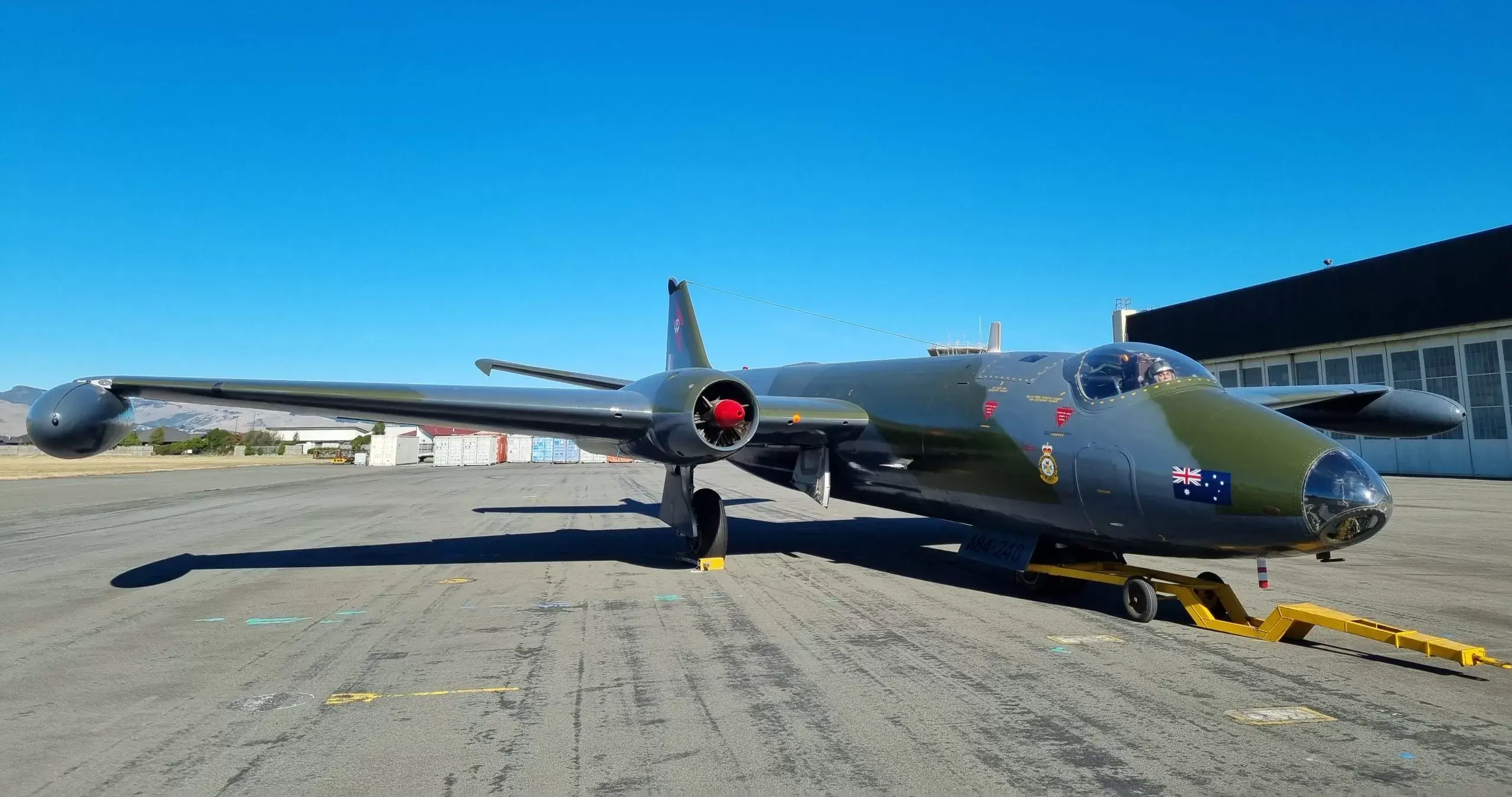
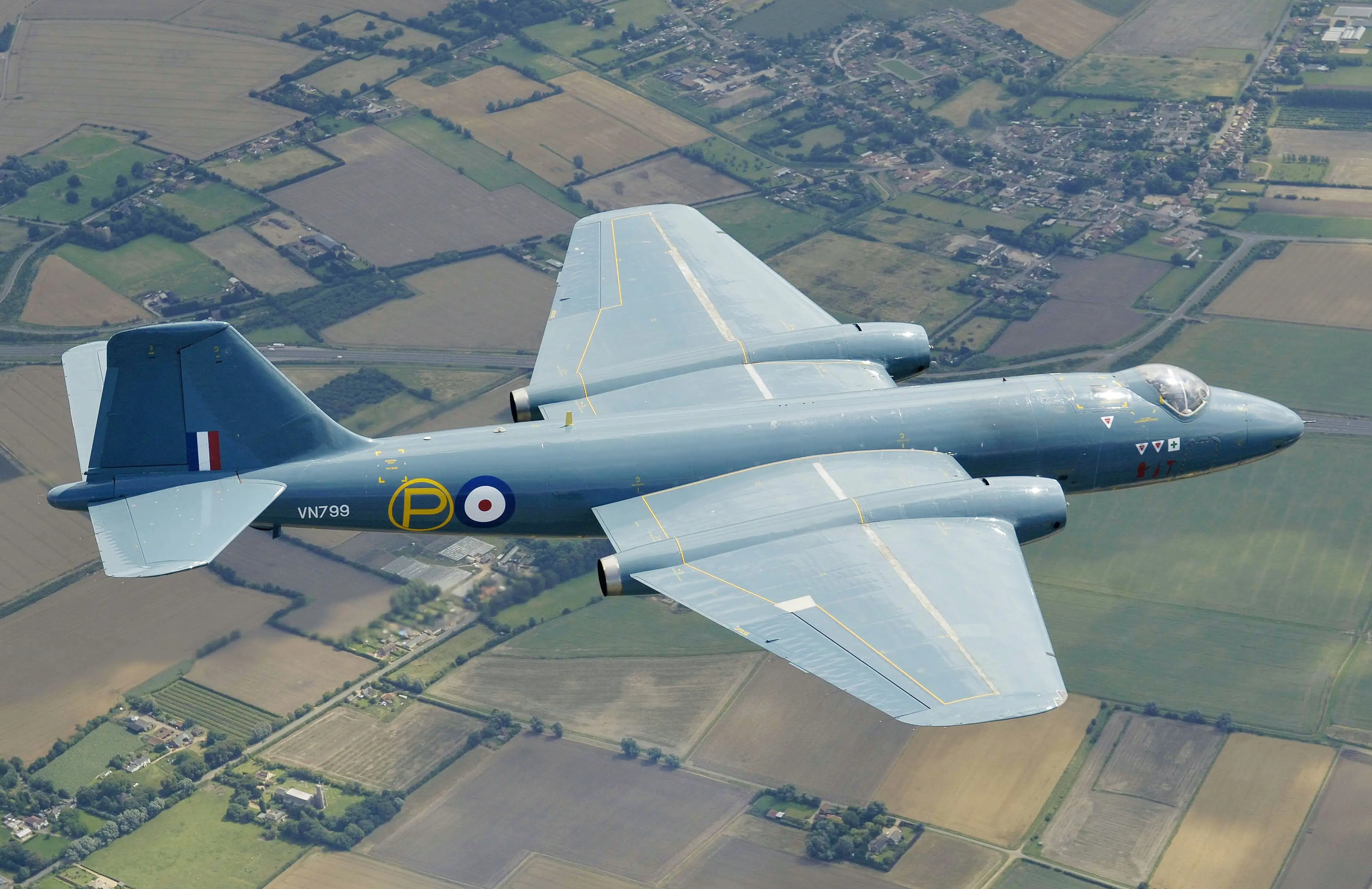
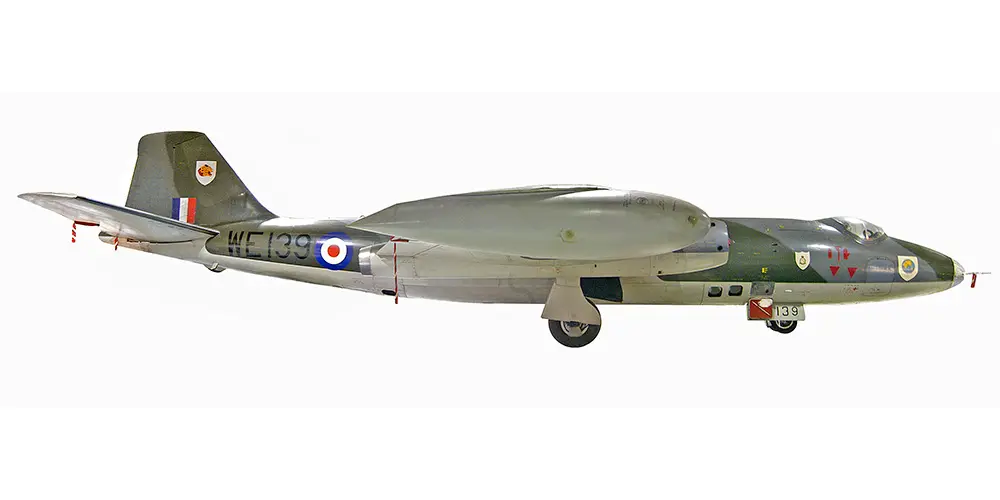
In 1957, the IAF inducted its first English Electric Canberra B(I)58 bombers, designed and built in Britain by English Electric at their Preston and Samlesbury factories between the late 1940s and early 1960s.
An unexpected chapter in India’s aviation history
In the popular imagination, the Indian Air Force (IAF) is often seen as a force built around agile fighter jets and multirole aircraft. Yet, for half a century, the IAF quietly operated a dedicated bomber fleet, the English Electric Canberra. Though India has never fielded heavy strategic bombers akin to the American B-52 or Russian Tu-95, the Canberra era remains a remarkable and often overlooked chapter in South Asia’s military aviation history.
The arrival of the Canberra
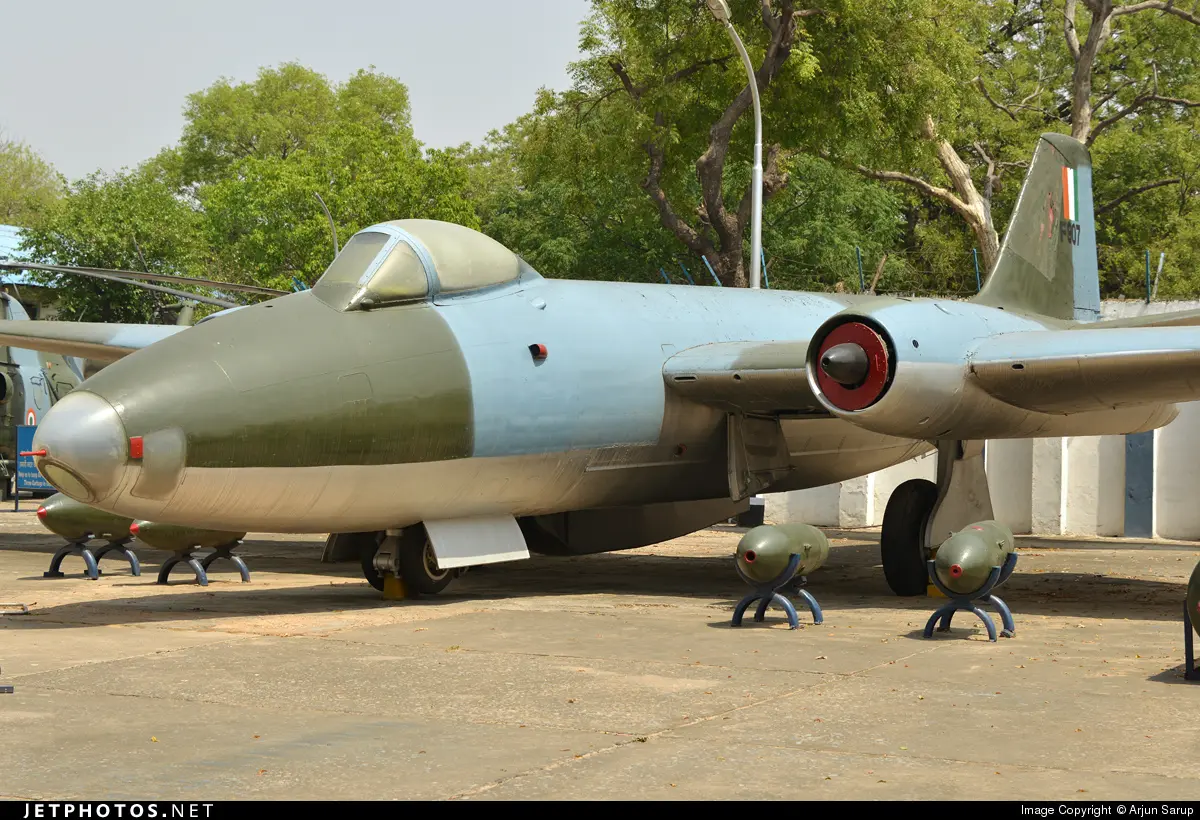
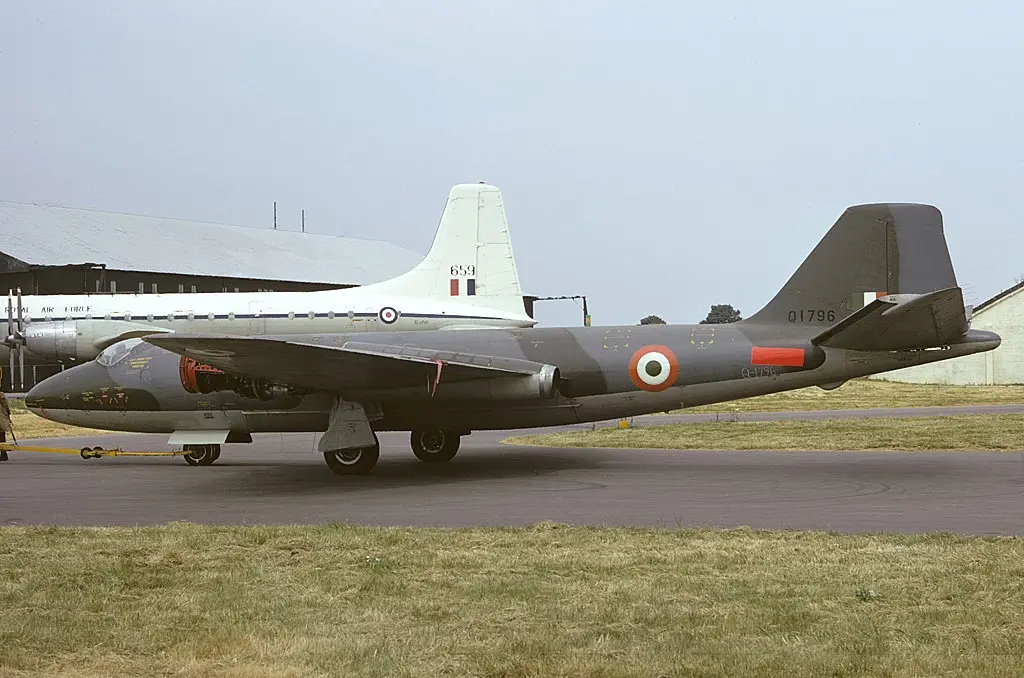
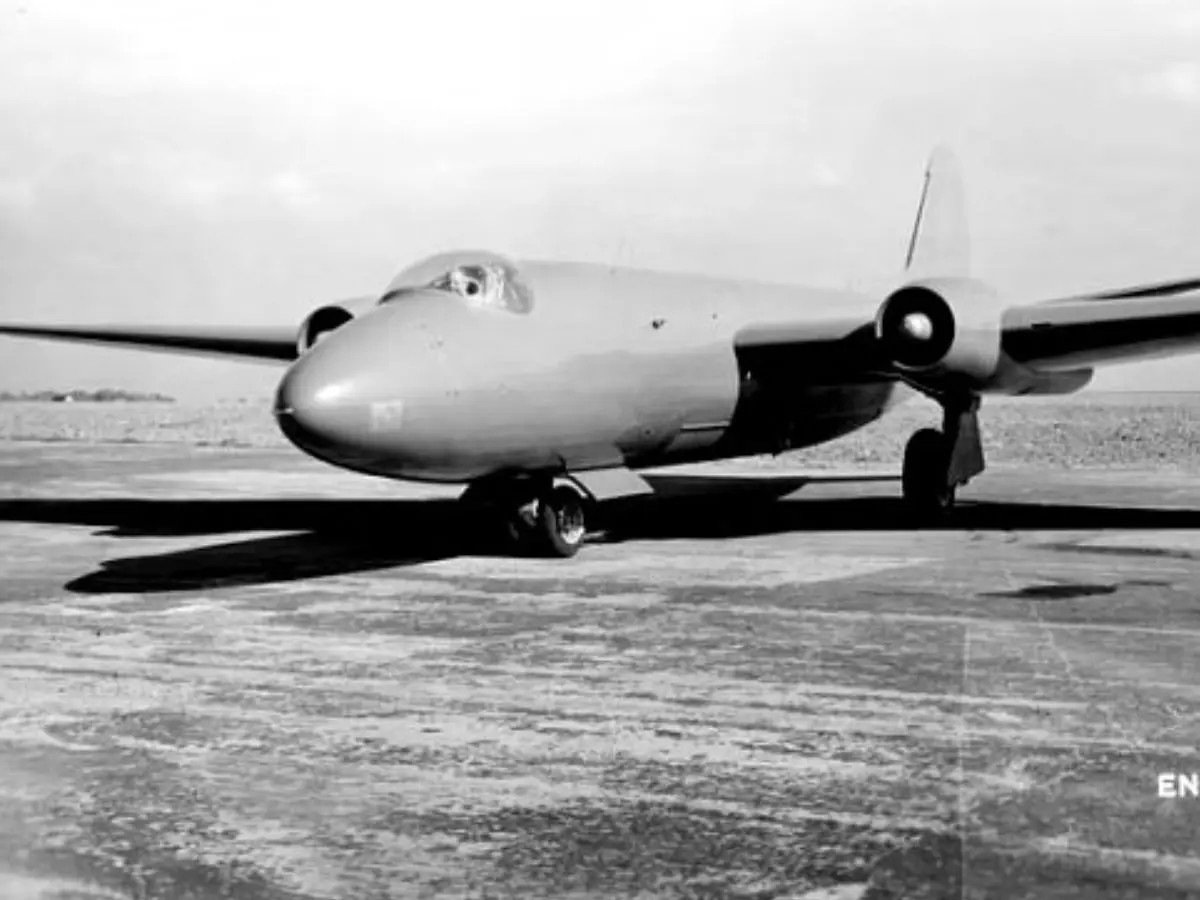
In 1957, the IAF inducted its first English Electric Canberra B(I)58 bombers, designed and built in Britain by English Electric at their Preston and Samlesbury factories between the late 1940s and early 1960s. Over time, India acquired around 54 Canberras in total, including dedicated bomber variants and reconnaissance models. The Canberra could carry up to 6,000 pounds of bombs, fly at speeds over 900 km/h, and operate at service ceilings above 48,000 feet. These features made it one of the most advanced medium bombers of its era and provided India with an unprecedented ability to deliver precision strikes deep into enemy territory.
Active service and combat roles
The Canberra was far from a mere showpiece. It played pivotal roles in two major conflicts. During the 1965 Indo-Pakistani War, Canberra bombers flew daring night raids against key targets, including the high-profile attack on Peshawar airbase, demonstrating India’s ability to project power. In the 1971 Bangladesh Liberation War, the Canberra again proved its worth by conducting precision strikes on Pakistani infrastructure and supply lines, significantly weakening the adversary’s operational capacity.
Beyond bombing: reconnaissance and electronic warfare
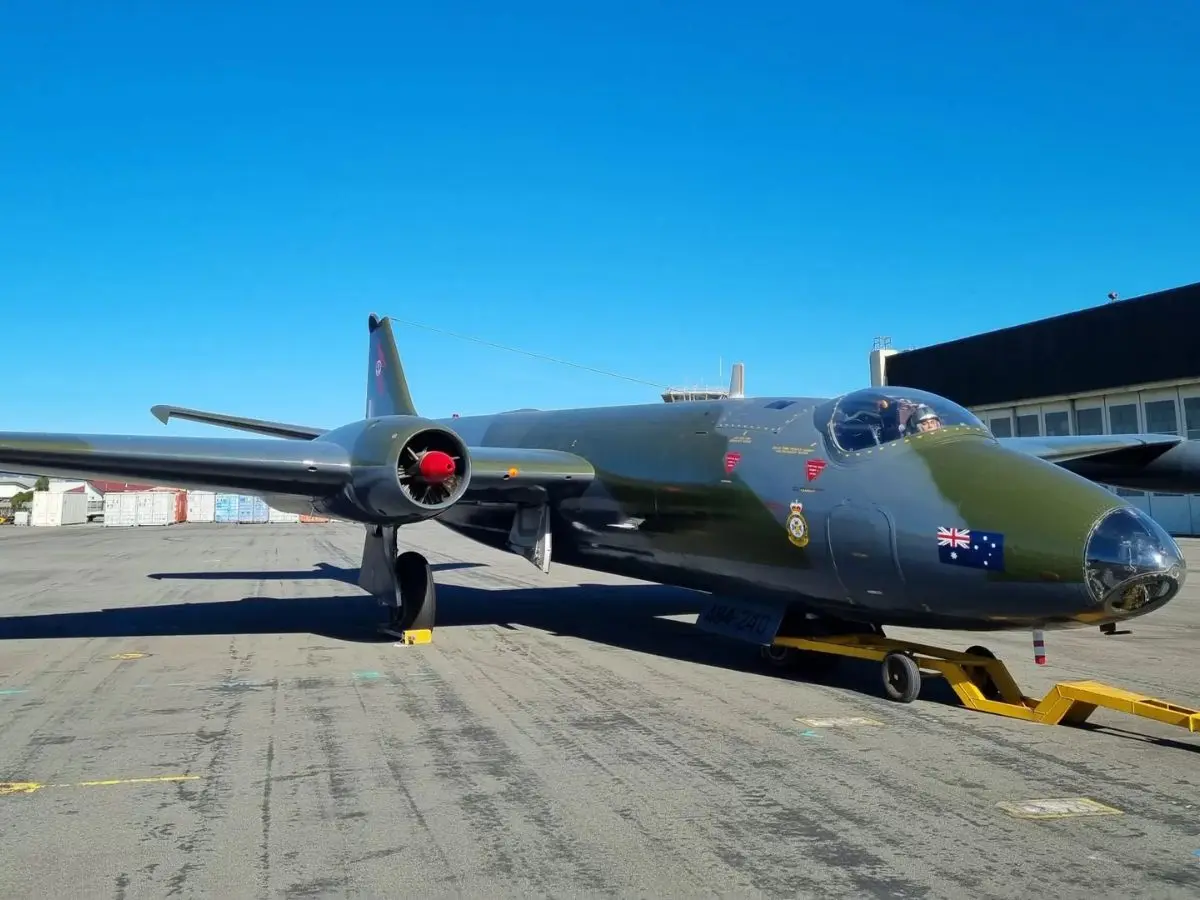
India’s Canberra fleet was not limited to bombing missions alone. Several aircraft were converted for photo-reconnaissance, enabling the IAF to gather critical intelligence over contested areas. Others were adapted for electronic warfare, jamming enemy radar and communications during operations. This multi-role adaptability kept the Canberra relevant long after its introduction, bridging the gap until newer strike aircraft could assume its missions.
Transition to fighter-bombers
While the Canberra provided a credible medium bomber capability, India never acquired true heavy or intercontinental strategic bombers. Instead, from the late 1960s onward, the IAF increasingly relied on versatile fighter-bombers such as the Sukhoi Su-7, MiG-27, and Jaguar for ground-attack roles. In more recent years, the multirole Su-30MKI has assumed much of the long-range strike responsibility, armed with precision-guided munitions and cruise missiles.
Retirement and legacy
After five decades of service, the Canberra was finally retired in 2007. Its longevity reflected not only the aircraft’s sound design but also the IAF’s skill in adapting and modernising its fleet over time. Although the Canberra era has quietly slipped from public memory, its role in shaping India’s early strategic air power remains undeniable.
Remembering an overlooked icon
The story of the Canberra in Indian colours is more than an anecdote; it reveals how the IAF briefly fielded a dedicated bomber force, adapting it to multiple roles in times of war and peace. While India never became a true bomber power in the traditional sense, the Canberra’s service stands as a testament to a formative period when ambition, necessity, and ingenuity converged in the skies over South Asia.
)
)
)
)
)