Did time travellers walk among us? 5 real cases that confuse experts

While physics places firm constraints on the idea, stories of people appearing out of nowhere, photographs showing apparent anachronisms, and decades-long internet myths continue to stir questions.
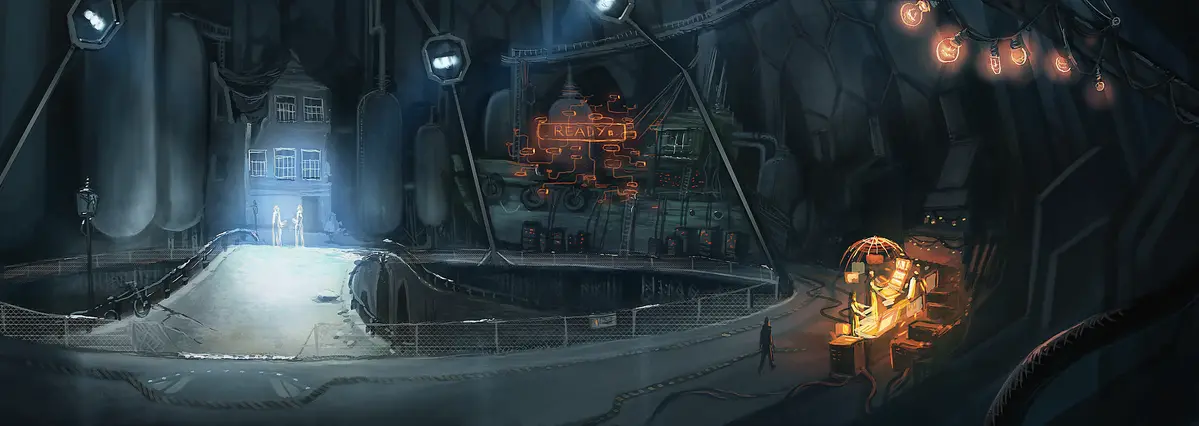
A world fascinated by the idea of time travel
The possibility of travelling through time has captured human imagination for centuries, but in the modern era, it is not merely the realm of fiction. A string of cases, some well documented, others dismissed as hoaxes or urban legends, has left both the public and researchers intrigued. While physics places firm constraints on the idea, stories of people appearing out of nowhere, photographs showing apparent anachronisms, and decades-long internet myths continue to stir questions.
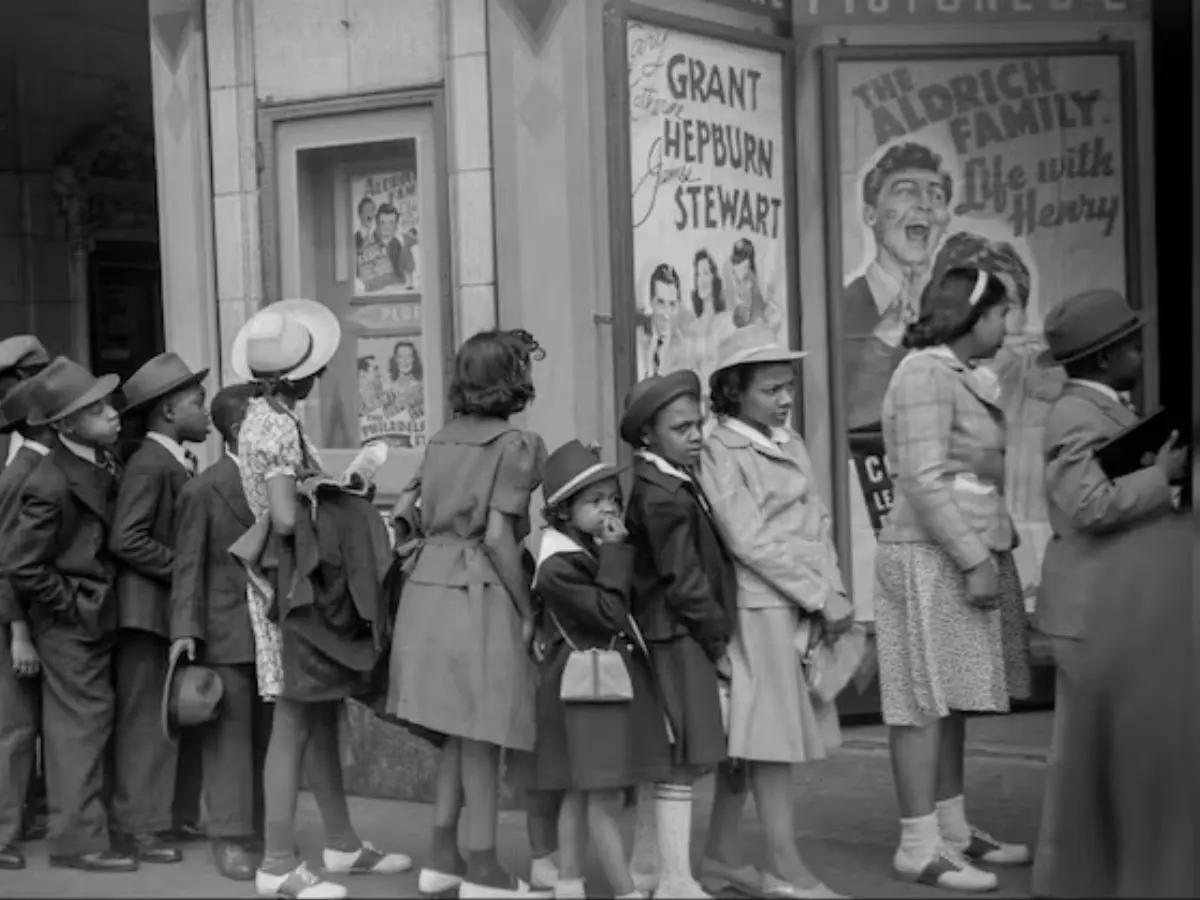
The 1941 'iPad' photograph
One of the most circulated cases is a 1941 photograph by Edwin Rosskam, showing a street scene in Chicago. Online observers noted a young boy appearing to hold what looked uncannily like an iPad. For some, it was evidence of a traveller from the future casually stepping into the past. Historians, however, point out that the object is more likely a book, reminding us that visual anomalies can easily fuel conspiracy theories when stripped of context.
Searching the internet for travellers
In 2013, a team from Michigan Technological University led by Robert Nemiroff and Teresa Wilson attempted to test the idea scientifically. They searched online forums and social media for references to future events such as 'Pope Francis' or 'Comet ISON' before those terms were publicly known, and even encouraged users to post with futuristic hashtags like #icanchangethepast2. Despite their efforts, the researchers found no evidence of time travellers leaving digital footprints, suggesting either that they are not among us or are exceptionally careful at concealing themselves.
The John Titor legend
Perhaps the most famous case is that of John Titor, a name used by a poster who appeared on internet forums between 2000 and 2001. Claiming to be a soldier from the year 2036, Titor described bleak futures involving civil unrest and nuclear conflict. He also made specific references to an IBM 5100 computer, claiming it was crucial for debugging legacy systems. While some were convinced, inconsistencies and failed predictions eventually led to the belief that the story was fabricated, possibly by brothers Larry and Morey Haber.
A time slip at Versailles
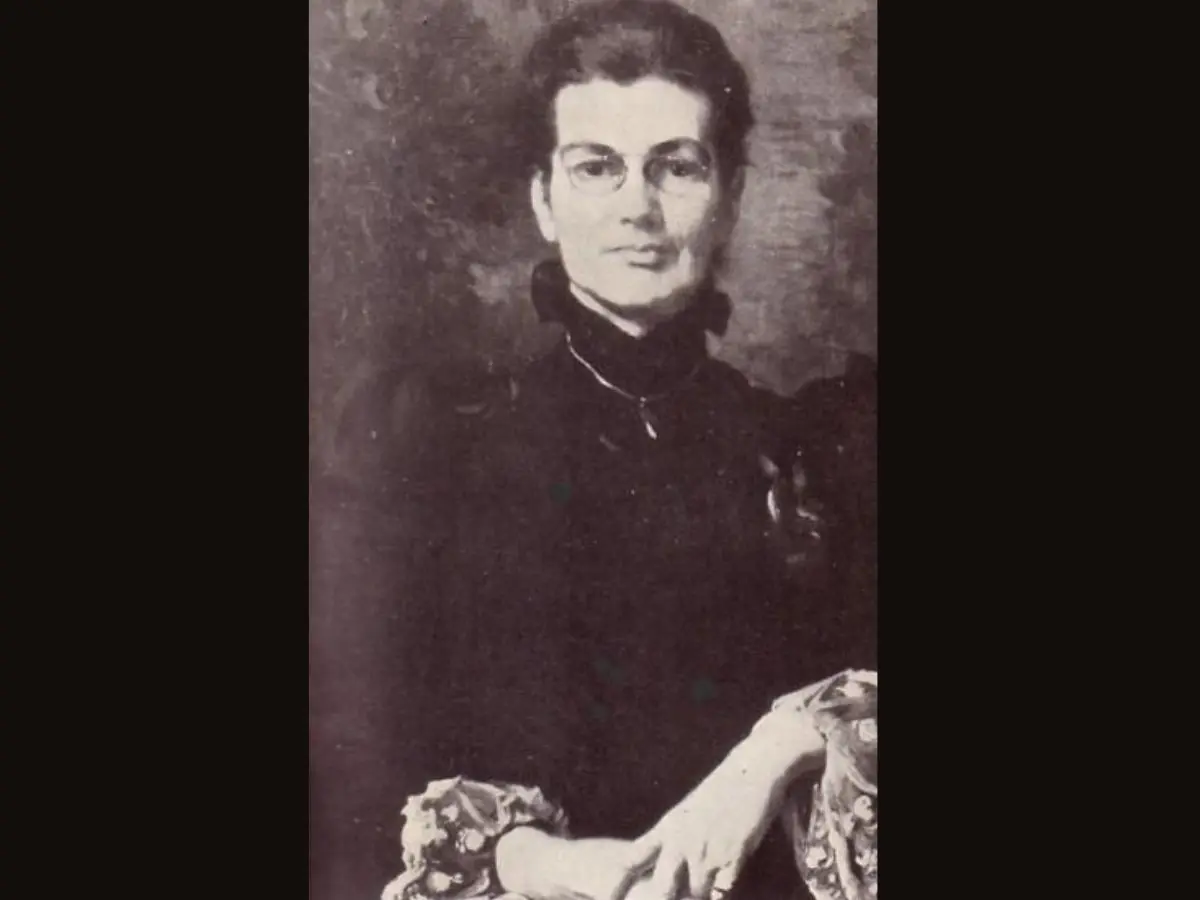
In 1911, Charlotte Anne Moberly and Eleanor Jourdain published An Adventure, recounting what they believed was a slip through time while visiting the Palace of Versailles. They claimed to have seen figures in 18th-century dress and even thought they glimpsed Marie Antoinette herself. Critics argued it was a case of misinterpretation or a shared hallucination, but the account remains one of the most famous alleged time slips in history.
Myths and urban legends
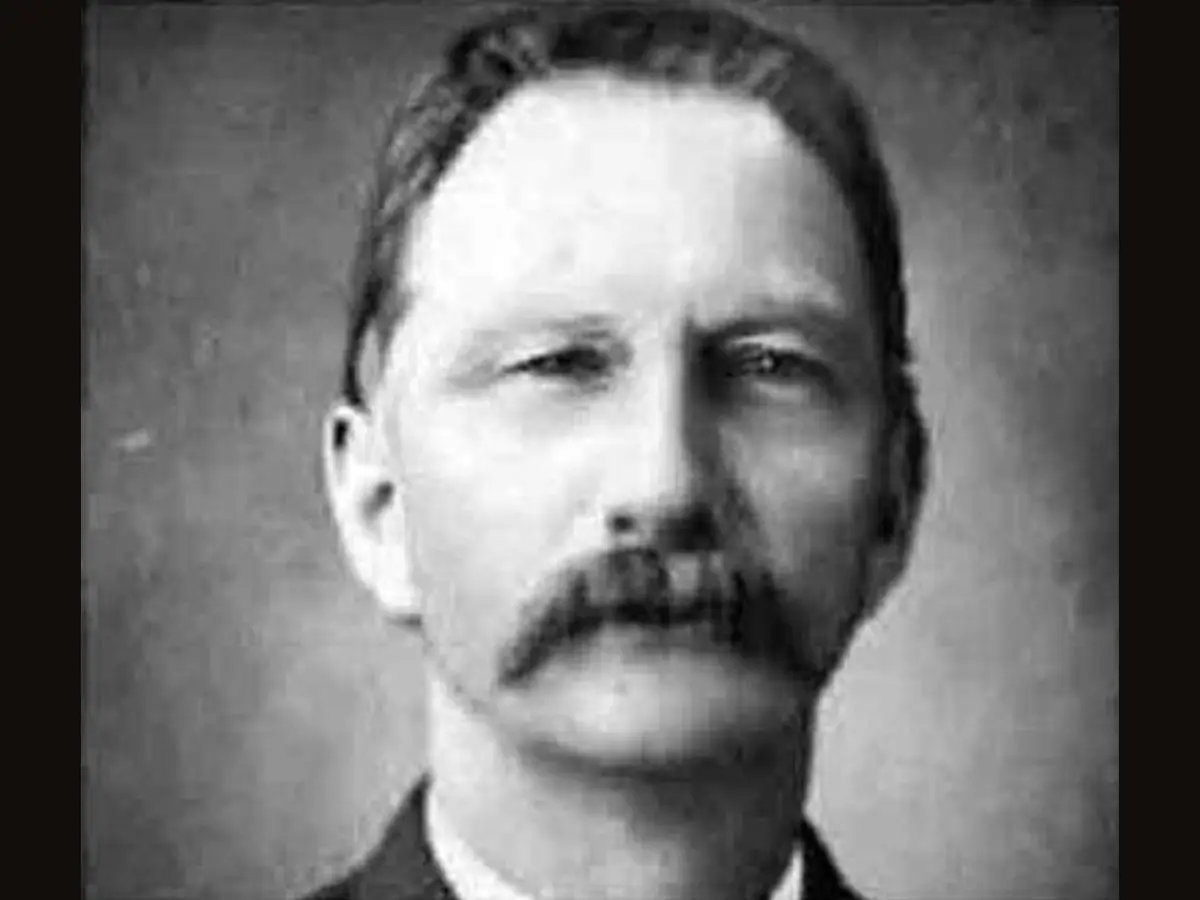
Other tales, such as that of Rudolph Fentz, who allegedly appeared in 1950s New York wearing Victorian clothing, carrying old coins and letters, are now generally considered urban legends. More recent viral videos on platforms like TikTok, with individuals claiming to come from centuries ahead, have been widely debunked. Yet these myths persist, in part because of our cultural fascination with what lies beyond the boundaries of time.

Science versus speculation
Despite captivating stories, no credible evidence supports the existence of time travellers. Scientists point to theories such as Stephen Hawking’s chronology protection conjecture, which suggests that the laws of physics prevent backwards time travel.
)
)
)
)
)