5 sites on Mars that reveal whether life ever existed on Mars

Which places on Mars carry the best proof of life? Scientists have identified a few select regions on Mars where clues and hints about the existence of life on the red planet billions of years ago are most likely to be revealed.
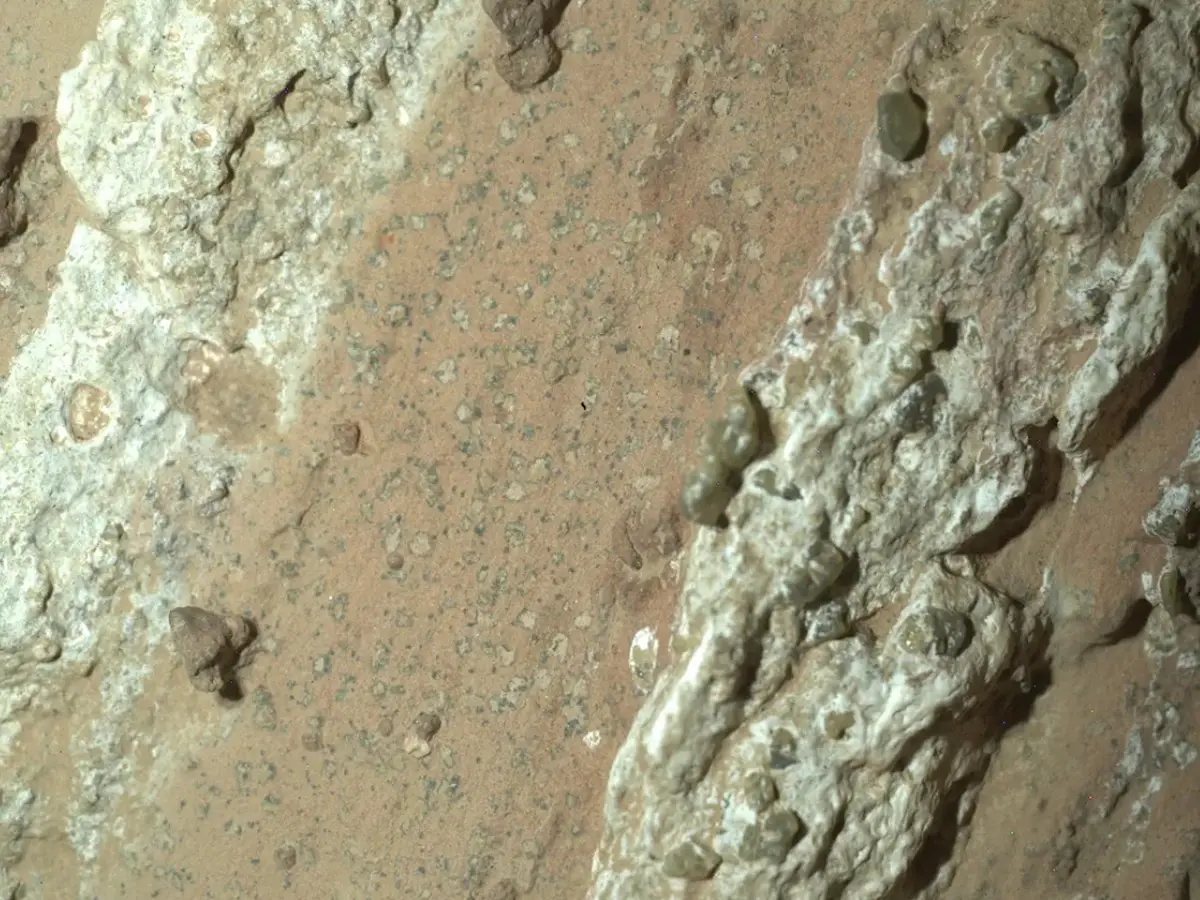
NASA finds proof of life on Mars
NASA recently revealed that it had found the best evidence yet for life on Mars. The red planet is believed to have been teeming with life billions of years ago. Scientists have been researching it for several years, using rovers and even a helicopter that died out last year. NASA and other space agencies have found data that shows rivers and lakes flowed on the red planet. The NASA Perseverance Mars rover found samples in a dry riverbed in Jezero Crater in 2024, which scientists have been studying since then.
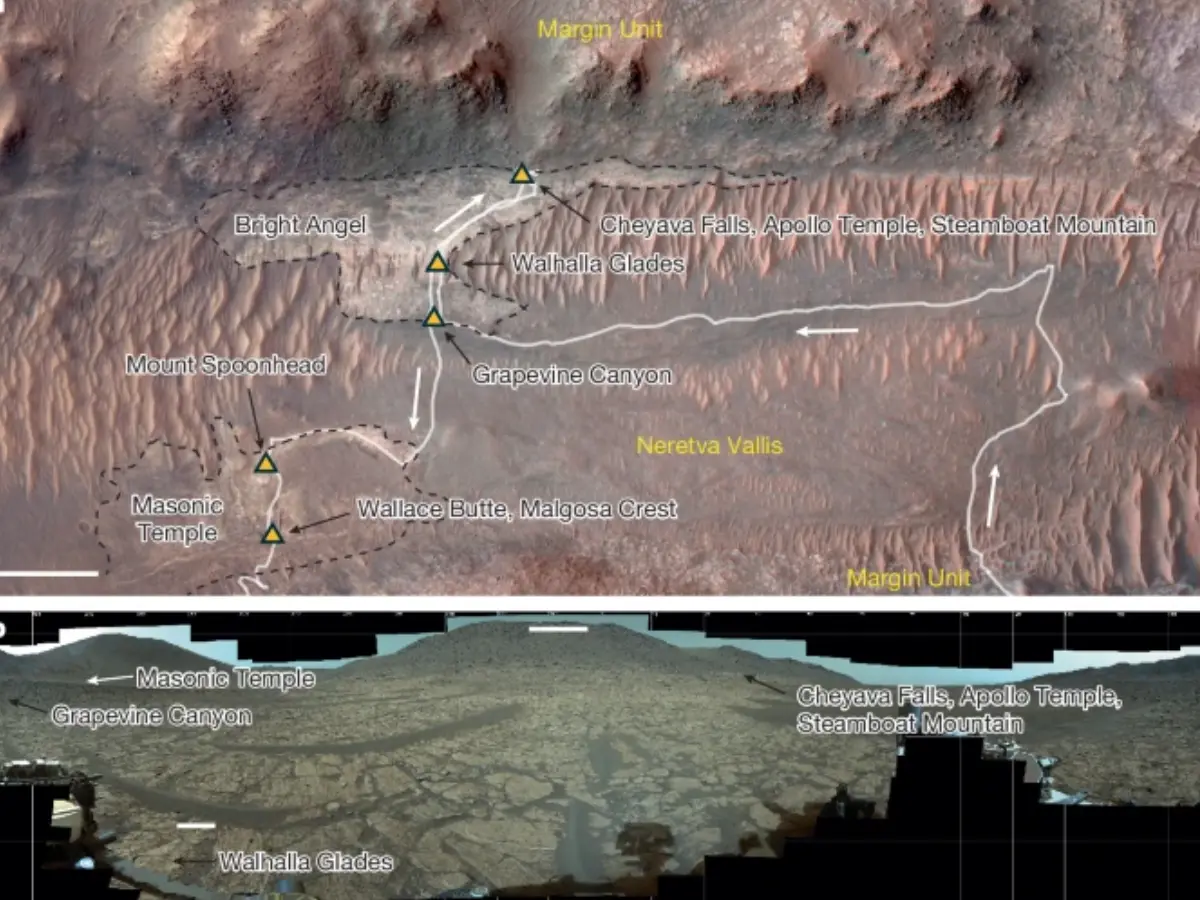
Cheyava Falls in Jezero Crater carries hint of ancient life on Mars
A rock sample named “Sapphire Canyon,” collected from a dried riverbed in Jezero Crater, contains chemical signatures that scientists say could be of biological origin, according to new research published in Nature. It was taken from a rock called 'Cheyava Falls'. NASA plans on studying the ancient Neretva Vallis river channel further to see what more Perseverance can find. If life did exist on Mars once upon a time, there are a few select spots that are most like to offer proof of it.
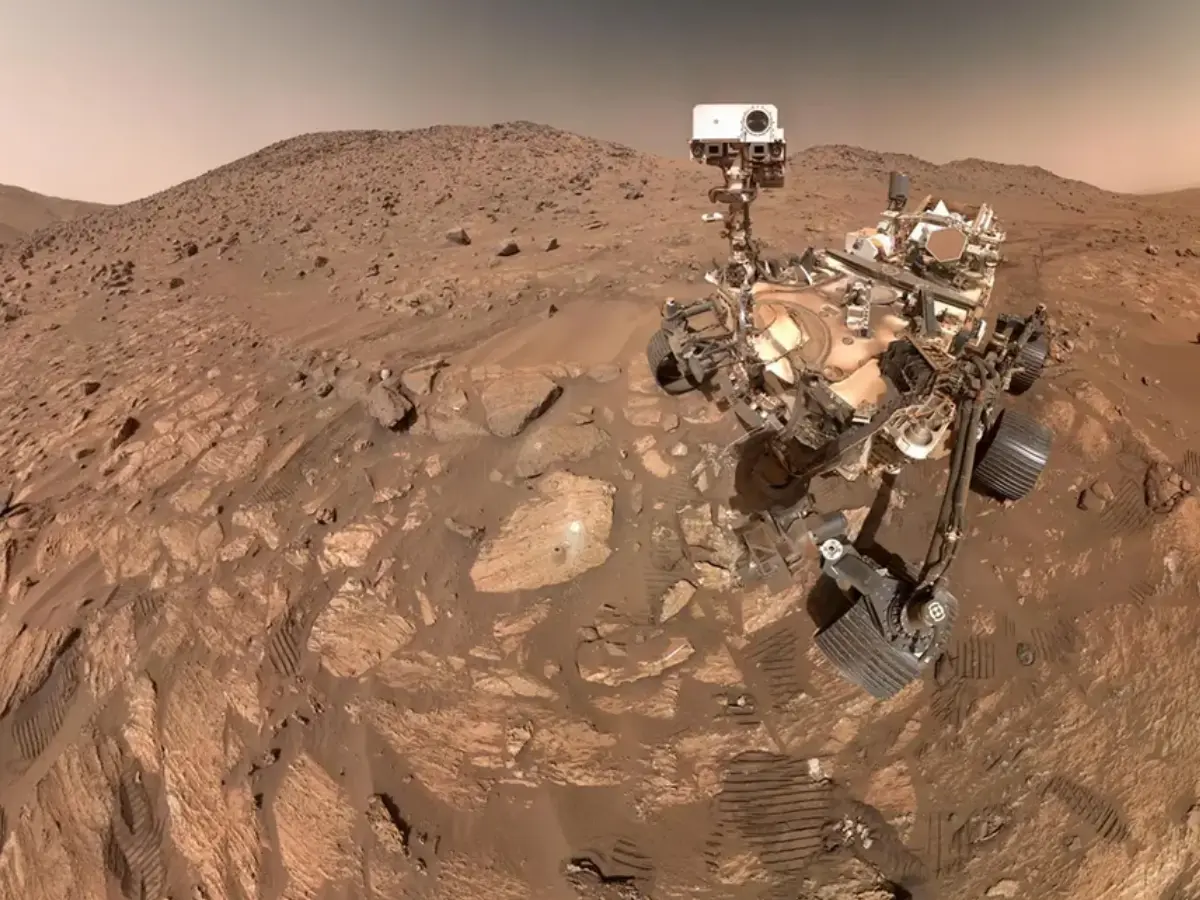
Jezero Crater
The first candidate is where we have found the latest proof of life on Mars - The Jezero crater. Perseverance has been exploring the area since 2021. According to NASA, this location on Mars "shows promising signs of a place that was likely friendly to life in the distant past." The rover has been looking for rocks and other samples that can reveal how things were on Mars billions of years ago. These samples are being gathered by Perseverance, which NASA plans to bring back to Earth as part of a return mission.
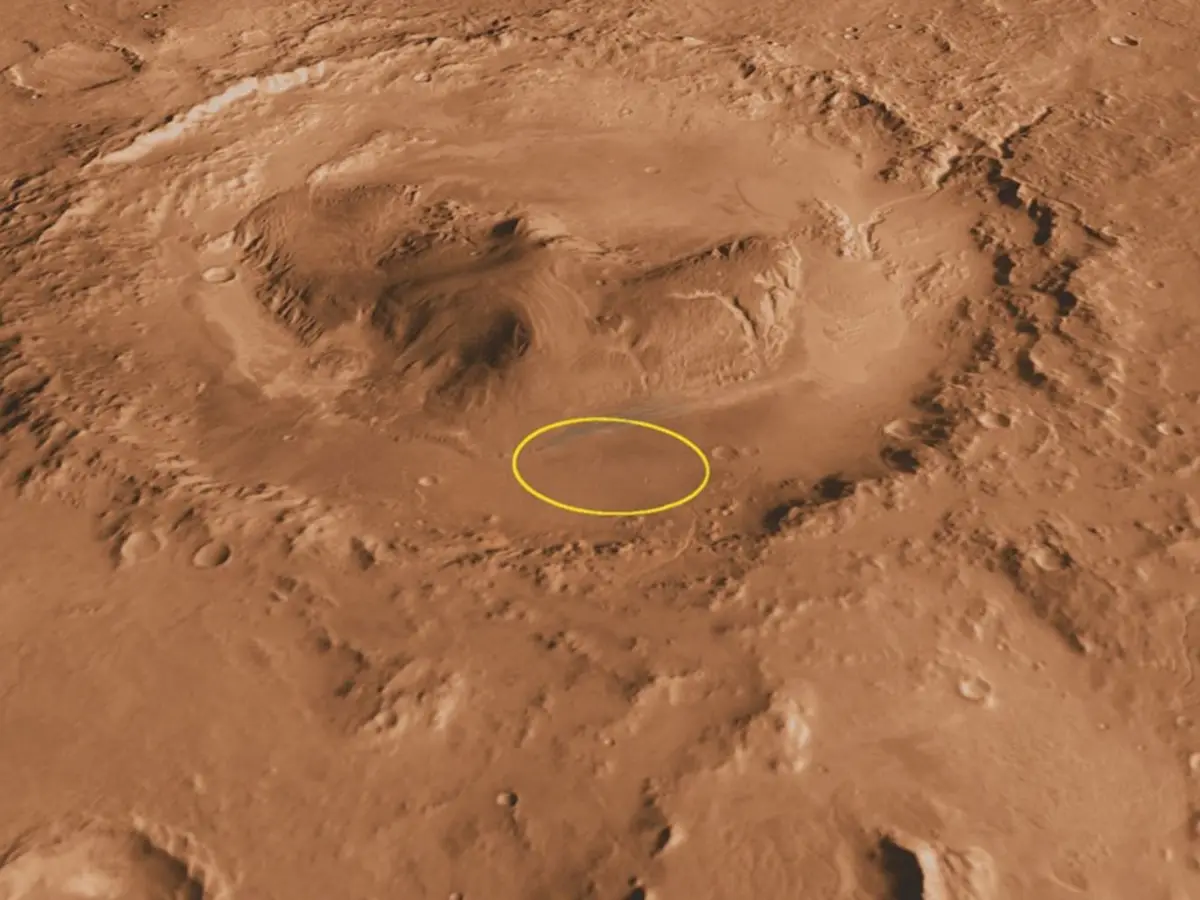
Gale Crater
The other place on Mars that could be hiding proof of life is the Gale Crater. It is a 154km-wide area which has been explored by NASA’s Curiosity rover since 2012. Scientists think this region had a freshwater lake with water gushing at a mighty speed 3.8 billion years ago. The area around the crater contains clays and sulfate minerals, which form in the presence of water under different conditions.
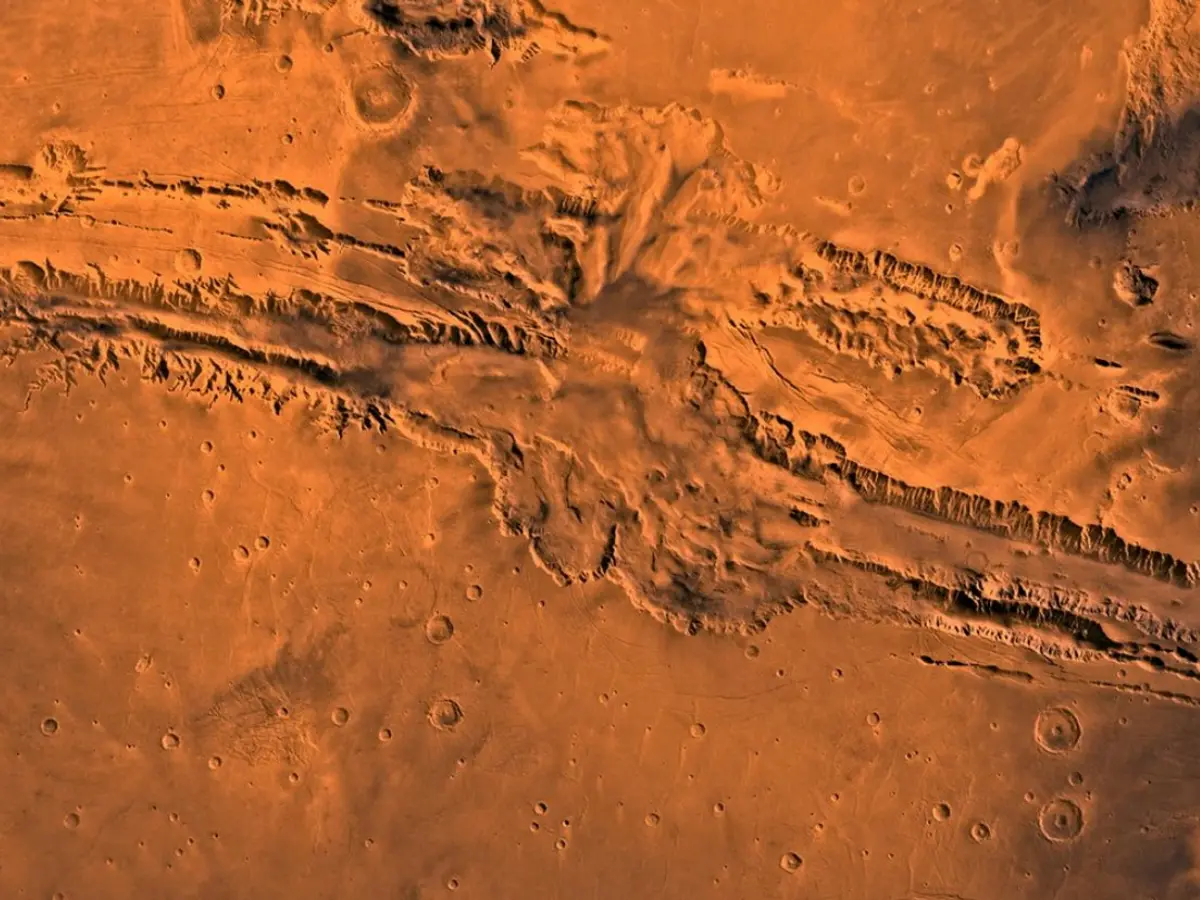
Valles Marineris
Valles Marineris is a canyon system, and the largest one in the solar system. IT stretches for around 4,000 kilometres and runs seven to eight kilometres deep. Scientists think several ancient lakes flowed in the Valles Marineris at one point in time. It is linked to the Tharsis bulge, which is the largest volcanic feature in the Solar System, where the tallest volcanoes, including Olympus Mons, stand tall.
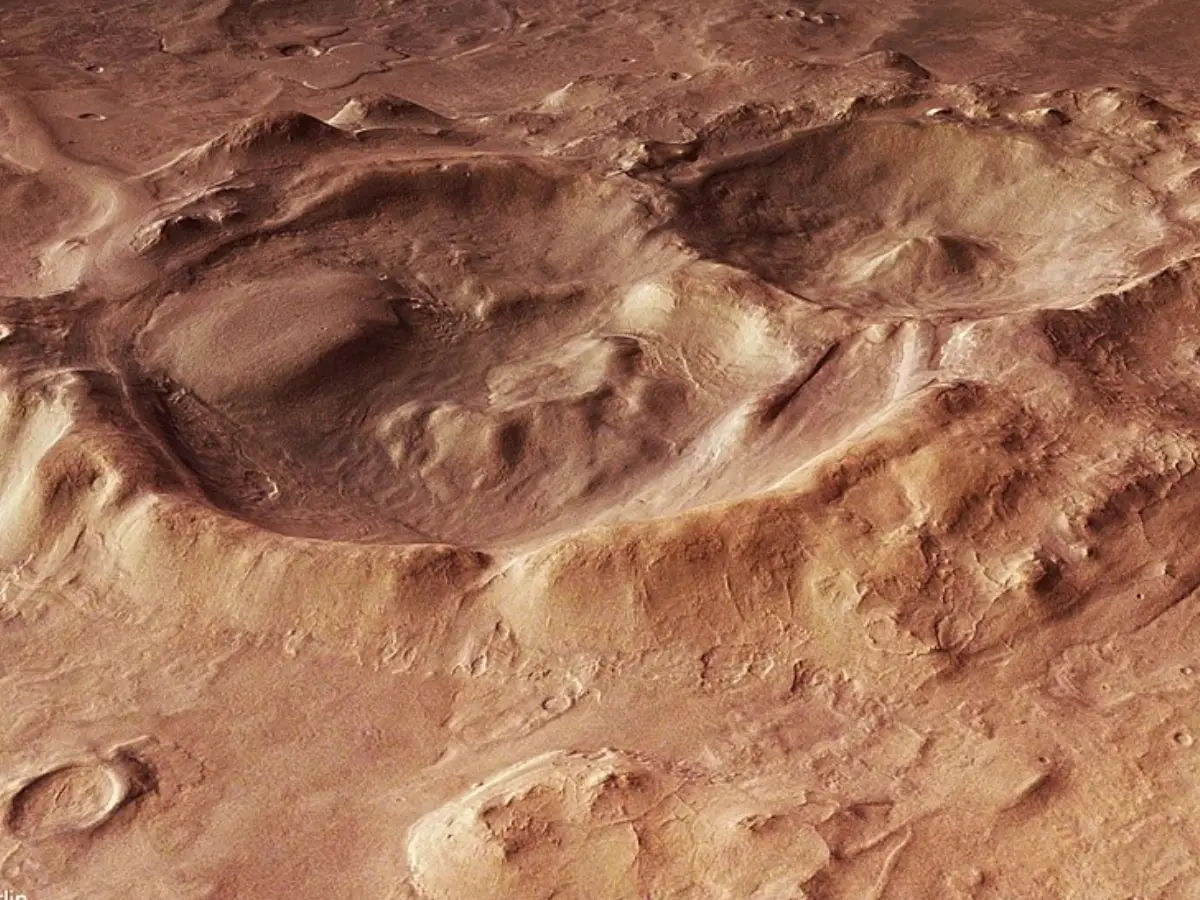
Hellas basin or Hellas Planitia
Hellas basin, also known as Hellas Planitia, a place on Mars, is also believed to have once been home to lakes. It likely came to life following the collision of a large asteroid or bolide. It is extremely deep and has Mars’ lowest elevations, and also has frost, clouds, and other seasonal effects. The area also likely had geothermal sources of heat, creating the perfect conditions for microbial life.
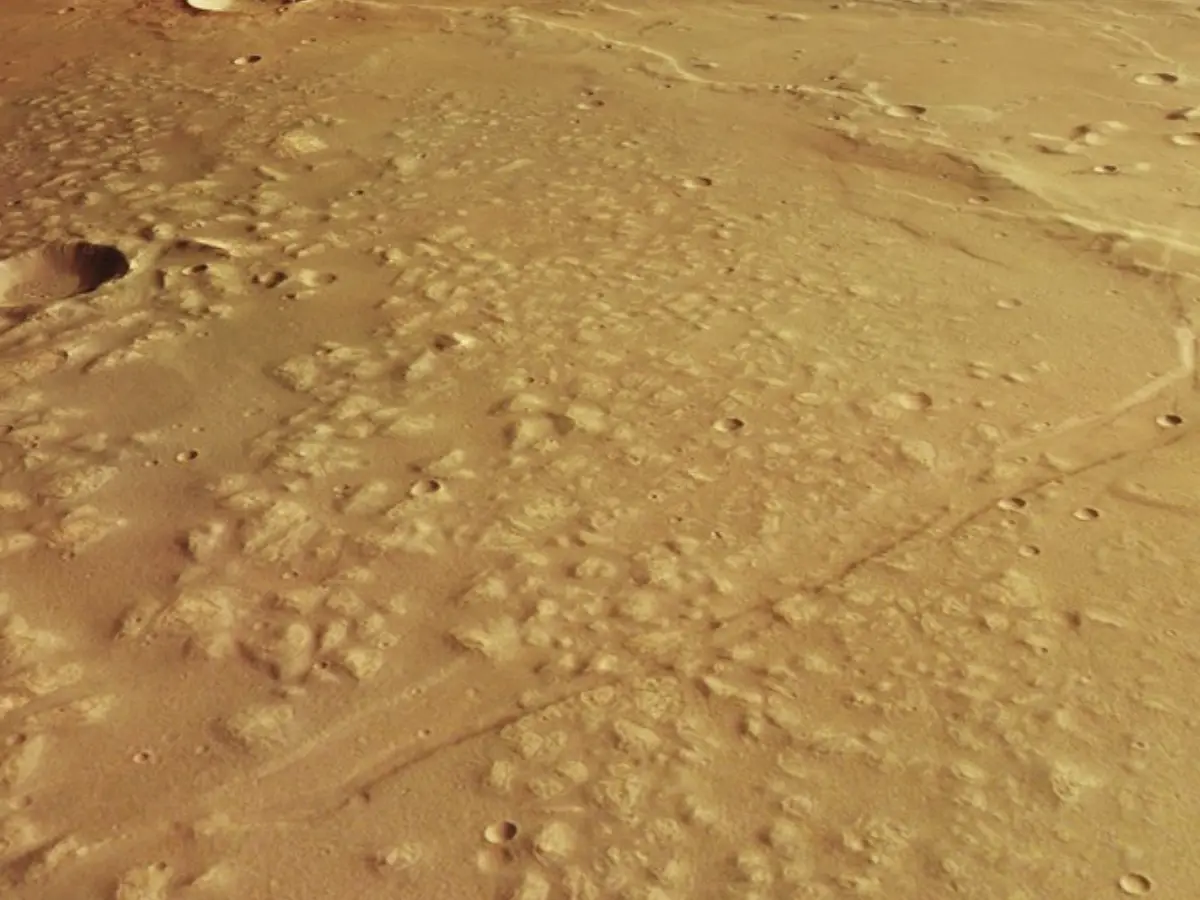
Eridania Crater (Eridania Basin)
The ancient Eridania Lake system is estimated to have covered approximately 1.1 million km² in area. The clay here is rich in magnesium and opaline silicas, pointing to the presence of an ancient lake. NASA’s Mars Reconnaissance Orbiter detected proof of hydrothermal seafloor deposits in the crater, suggesting hydrothermal vents that could have been suitable for life.
)
)
)
)
)