Did China’s HQ-9B fall short in Iran? How US–Israel airstrikes broke through Tehran’s air defence network

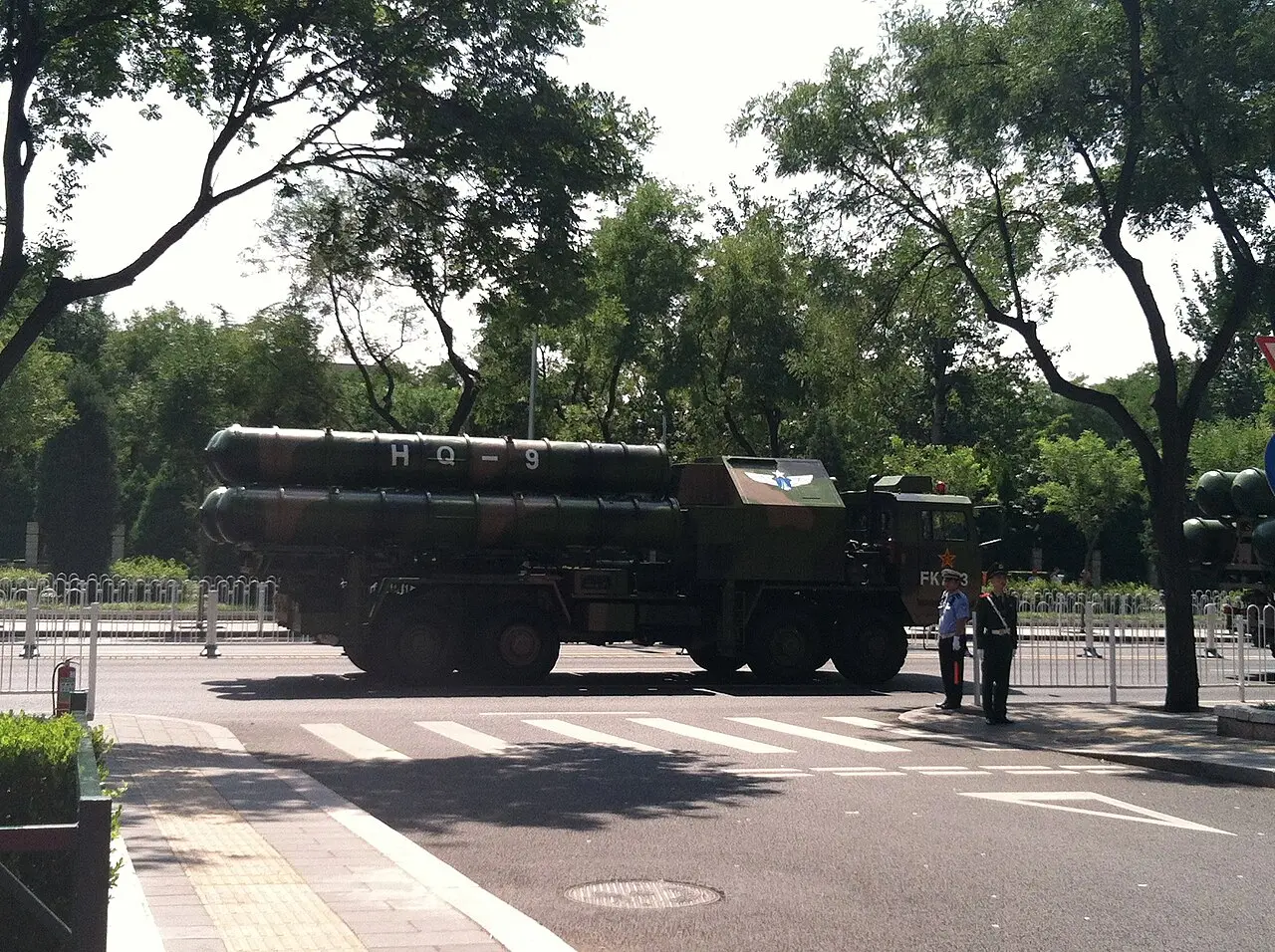
The scale of the destruction has focused attention on the performance of the Chinese-origin HQ-9B long-range surface-to-air missile system, which Iran is believed to have recently acquired.
Scale of destruction raises urgent questions
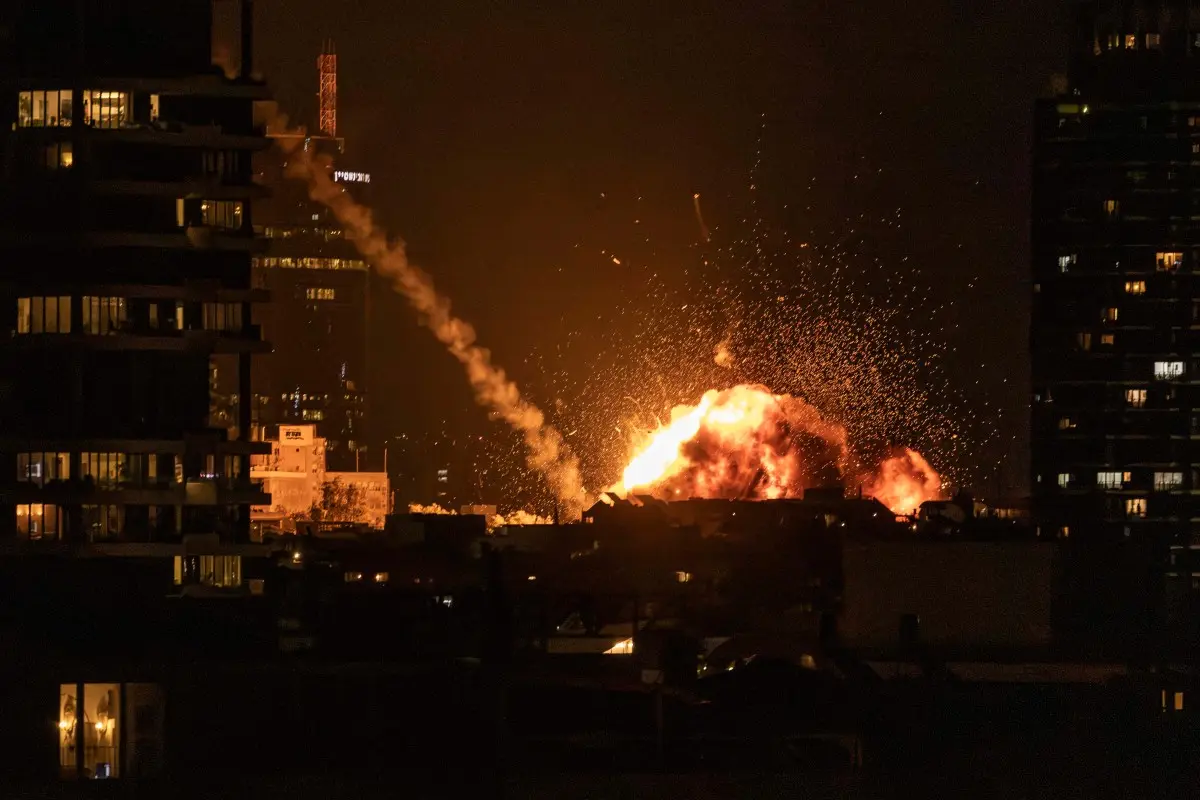
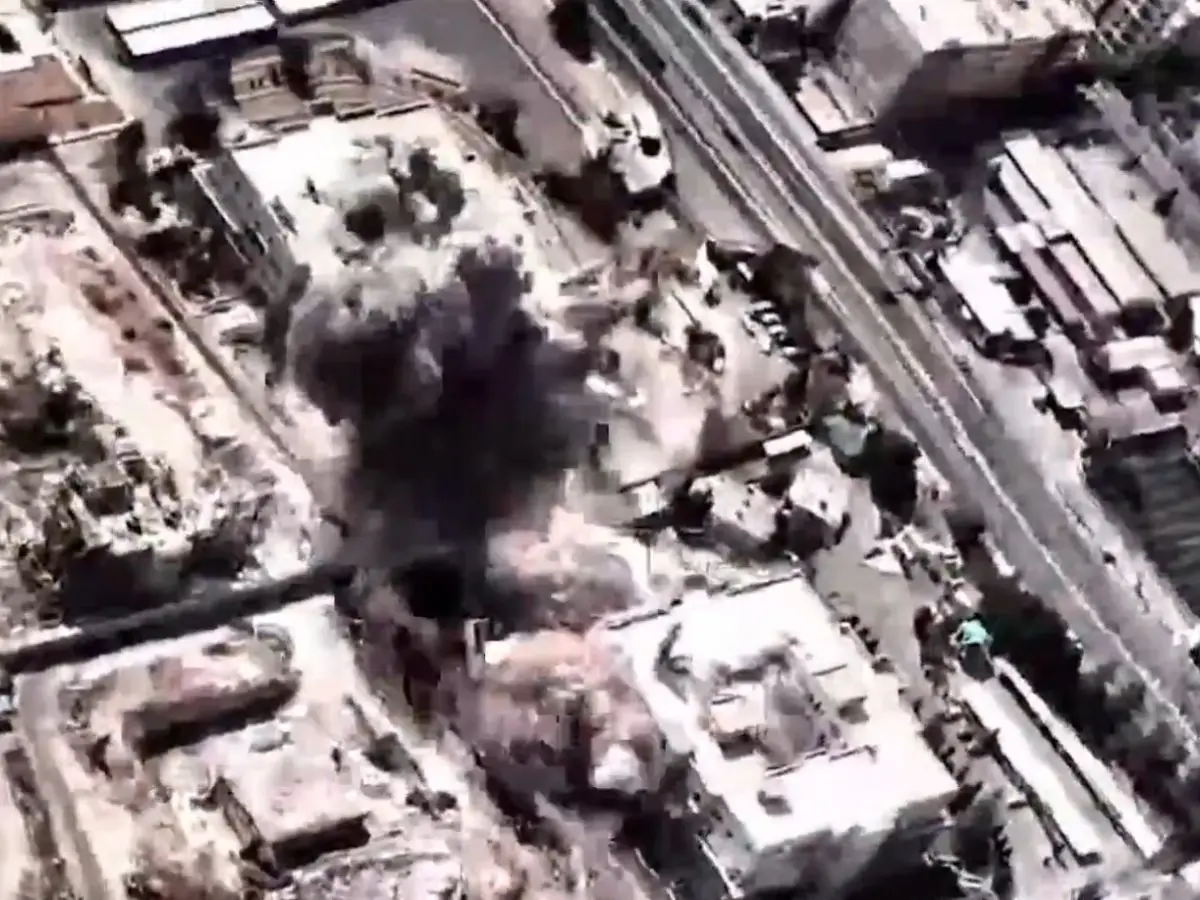
Coordinated airstrikes by the United States and Israel across more than 20 Iranian provinces have triggered scrutiny of Tehran’s air defence network. The attacks targeted military infrastructure, missile and UAV bases, airfields and strategic installations, reportedly causing widespread damage, including in Tehran. The scale of the destruction has focused attention on the performance of the Chinese-origin HQ-9B long-range surface-to-air missile system, which Iran is believed to have recently acquired.
Broader context of the strikes
The coordinated strikes carried out on Saturday by forces from the United States under US President Donald Trump and Israel under Prime Minister Benjamin Netanyahu, targeted key Iranian military assets and resulted in the killing of Supreme Leader Ayatollah Ali Khamenei along with several senior Iranian figures. The IDF claimed it had killed 40 senior commanders, including Chief of Staff Lt. Gen. Abdolrahim Mousavi, although full details have not been released.
Layered shield under pressure
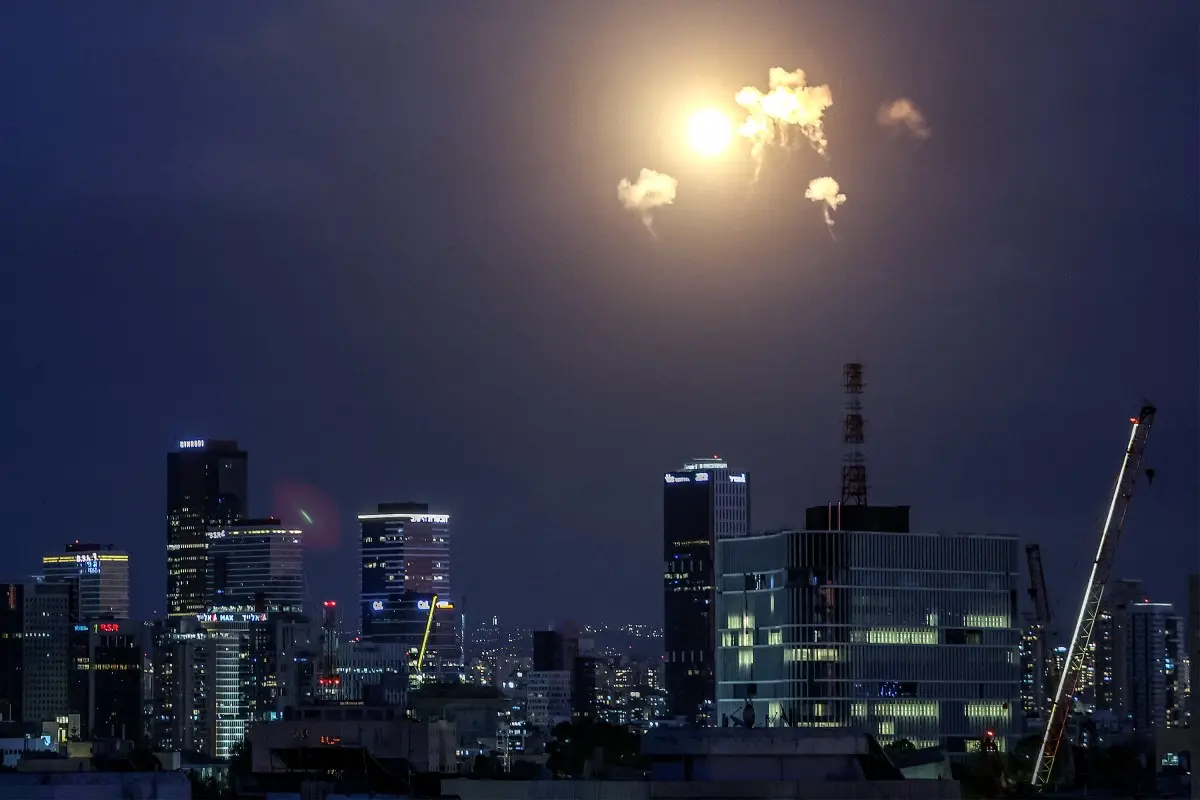
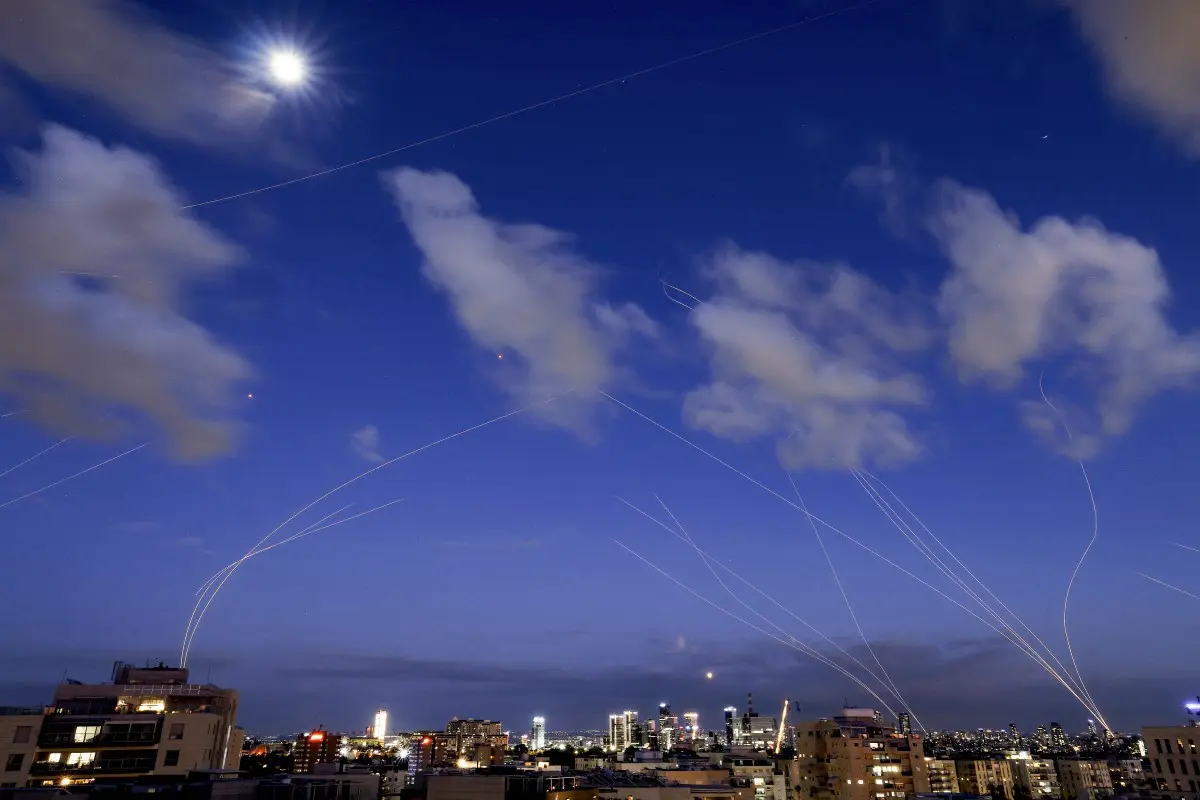
Iran’s air defence architecture is designed to function in tiers. The long-range layer was reportedly anchored by the HQ-9B, supported by Russian-origin S-300PMU-2 systems and Iran’s indigenous Bavar-373. Medium-range systems such as Khordad-15 and Raad were intended to plug coverage gaps, while short-range systems including Tor-M2, Pantsir-S1, Zolfaqar and shoulder-fired MANPADS were tasked with countering low-flying threats and precision-guided munitions. Despite its layered air defence network, large numbers of incoming projectiles appear to have penetrated Iran’s defences, and the Israel Defence Forces said it had “dismantled the majority of aerial defence systems in western and central Iran,” paving the way toward establishing aerial superiority over Tehran’s skies after the coordinated strikes.
What is the HQ-9B?
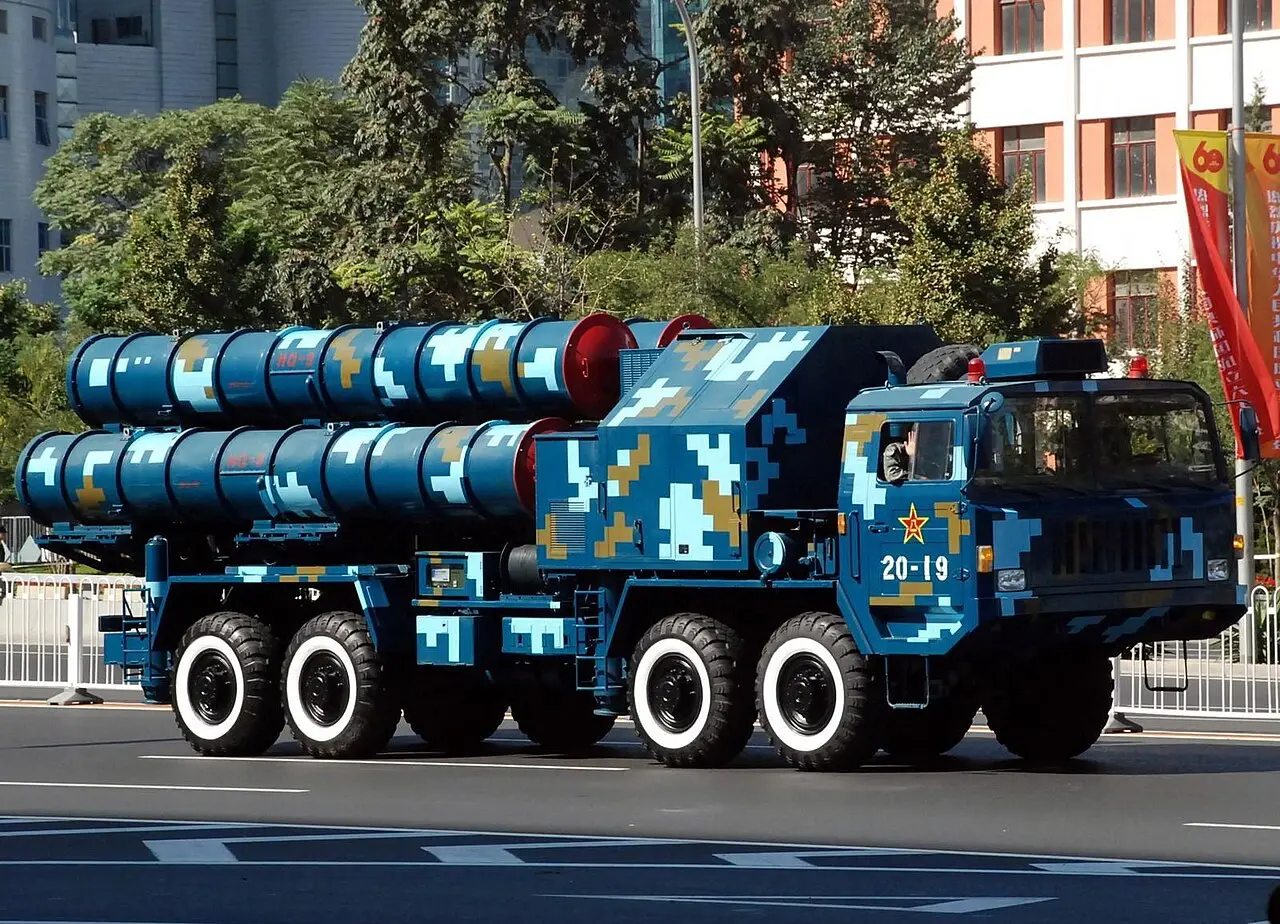
Developed by the China Aerospace Science and Industry Corporation, the HQ-9B draws on design influences from the Russian S-300PMU and the American Patriot PAC-2 but is described by Beijing as an indigenous platform. First tested in 2006 and operational for over a decade, it reportedly has a maximum engagement range of about 260 kilometres and an interception altitude of up to 50 kilometres. It is designed to counter aircraft, cruise missiles and certain ballistic missile classes.
Technical capabilities on paper
The system reportedly employs active radar homing and a passive infrared seeker, features intended to improve performance against stealth aircraft and electronic countermeasures. It is said to track up to 100 targets simultaneously and engage six to eight at a time. China has deployed the HQ-9B around Beijing, Tibet and the South China Sea, underlining its centrality to Chinese air defence.
Earlier concerns and operational strain
The system had previously drawn scrutiny after reports that it failed to adequately shield targets in Pakistan during India’s Operation Sindoor. Analysts now suggest two broad explanations for its apparent shortcomings in Iran: technical constraints such as radar coverage, reaction time and interceptor inventory, or operational overwhelm. The combined US–Israeli campaign reportedly involved stealth aircraft, electronic warfare, precision-guided munitions and cyber operations. If early strikes degraded radar and command nodes, even advanced systems could struggle.
)
)
)
)
)