Dhanteras 2025: 5 things every gold buyer should check on the invoice

Buying gold during Dhanteras is a cherished tradition, but it’s also a financial investment. A proper bill is your primary proof of purchase, ensuring transparency, authenticity, and protection from disputes. Here’s what every buyer should check on their gold invoice this festive season.
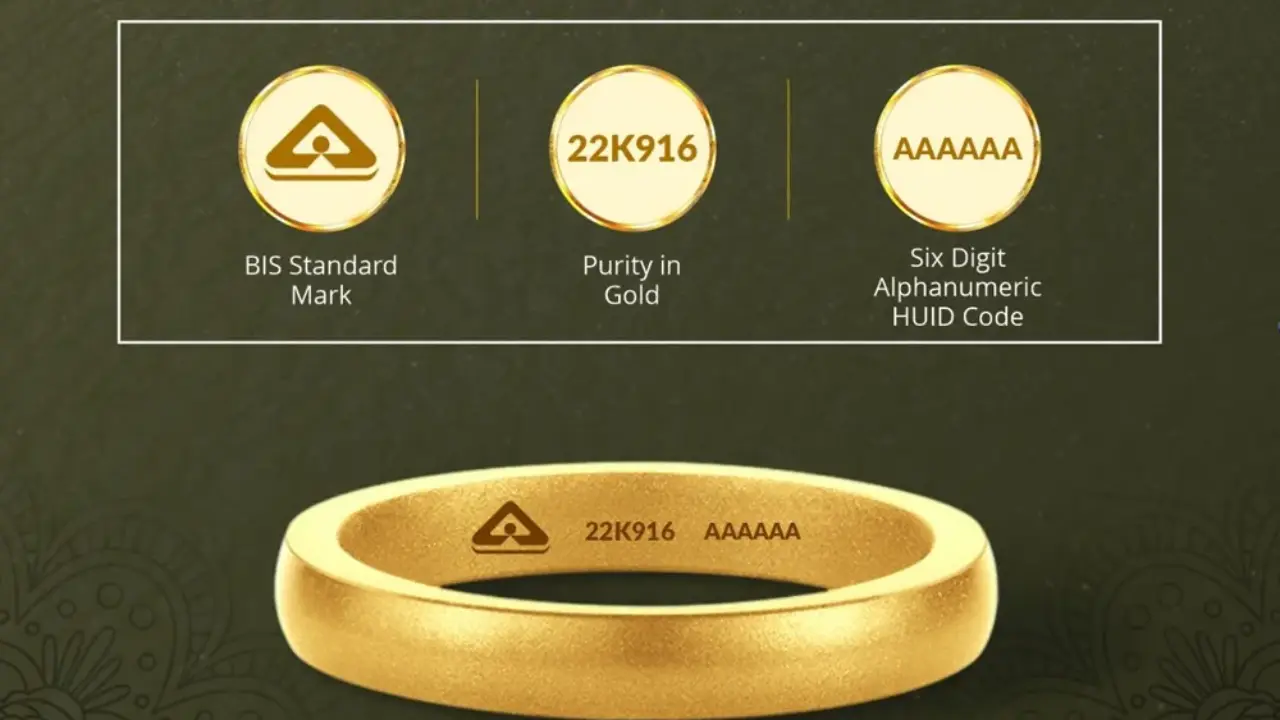
Check the BIS Hallmark and HUID Number
Your invoice must match the hallmark details on the jewellery. According to the Bureau of Indian Standards (BIS) rules, every item should carry a triangular BIS logo, a purity grade (like 22K916), and a six-digit Hallmark Unique Identification (HUID) number.
This code links the jewellery to its jeweller and hallmarking centre. You can verify it instantly through the BIS Care App, ensuring your gold piece is genuine and BIS-certified.
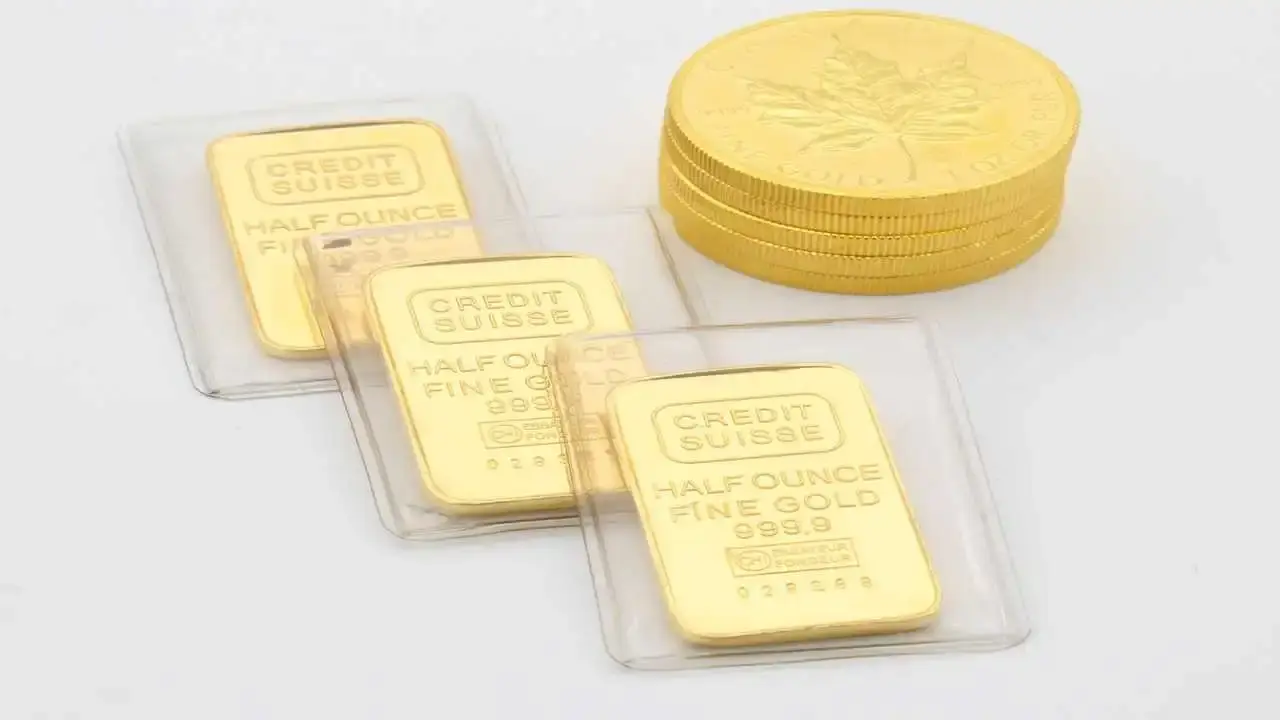
Verify Purity in Karat and Fineness
The invoice must clearly specify the purity of the gold in karats (K) and fineness.
For example, for 22-carat gold, the purity should be listed as 22K916, representing 91.6 per cent pure gold.
BIS hallmarking regulations (IS 1417:2024) cover grades like 14K, 18K, and now 9K as per updates from 2025.
Make sure the purity mentioned on the bill and the hallmark match exactly.
Separate Net Gold Weight from Total Jewellery Weight
Always check that the invoice lists the net gold weight separately from other materials like gemstones, enamel, or thread. The gold price should only be applied to the weight of gold itself. If stones or other materials are part of the design, their value and weight must be billed individually. This practice ensures full transparency and prevents overbilling.

Confirm Making and Wastage Charges
Your bill should specify how the making charges and any wastage have been calculated, as these costs can vary between jewellers. Some apply it as a fixed amount per gram, others as a percentage of the gold’s value. As per the BIS guidelines, hallmarking charges (usually Rs 35 per article) should also be listed clearly. Comparing charges across stores helps you understand real costs and avoid overpaying.

Read the Buyback and Exchange Policy
Before purchasing, look for the store’s buyback or exchange policy printed on the invoice. This section should explain how your jewellery will be valued in case of a return or exchange. Some jewellers deduct a fixed percentage of the value or exclude making charges in buyback. Having this in writing protects your investment if you decide to sell or exchange in the future.

Ensure the Invoice Matches BIS 2025 Standards
Under the new BIS hallmarking rules effective September 2025, every sale must include digitally registered jewellery details through the BIS portal. This means your invoice acts not only as a payment record but also as official proof of the jeweller’s compliance.
From 2025, even silver is covered under hallmarking regulations (IS 2112:2025), making verification uniform across metals.
Keep Your Invoice Secure for Future Use
Your invoice is proof of ownership, authenticity, and compliance. It’s essential for any future resale, exchange, or valuation. Keep both physical and digital copies safe, as jewellers or buyers may request it later. When you buy hallmarked gold from a BIS-certified outlet and keep a proper invoice, you ensure peace of mind long after the festive shine fades. Know more below about how BIS tracking protects your gold in 2025.
)
)
)
)
)