Delhi to be protected by India’s own missile shield as NASAMS-II plan gets scrapped: Report

Complementing QRSAM is the Very Short Range Air Defence System (VSHORADS), India’s indigenous MANPADS-class weapon.
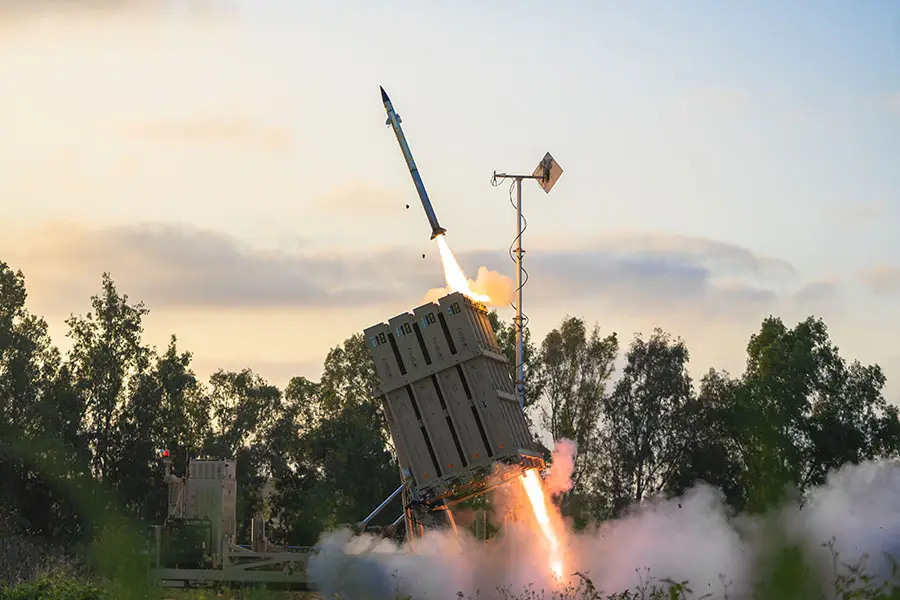
1. India Drops NASAMS-II Plan for an Indigenous Air-Defence Shield
India has quietly moved away from its earlier plan to acquire the US-made NASAMS-II system for Delhi’s air-defence network, according to a report by ANI. Instead, defence sources confirm that New Delhi will now deploy a fully indigenous, DRDO-led multilayer missile shield designed specifically for threats ranging from drones and cruise missiles to fighter aircraft. The shift reflects both cost considerations and India’s broader push toward defence self-reliance.
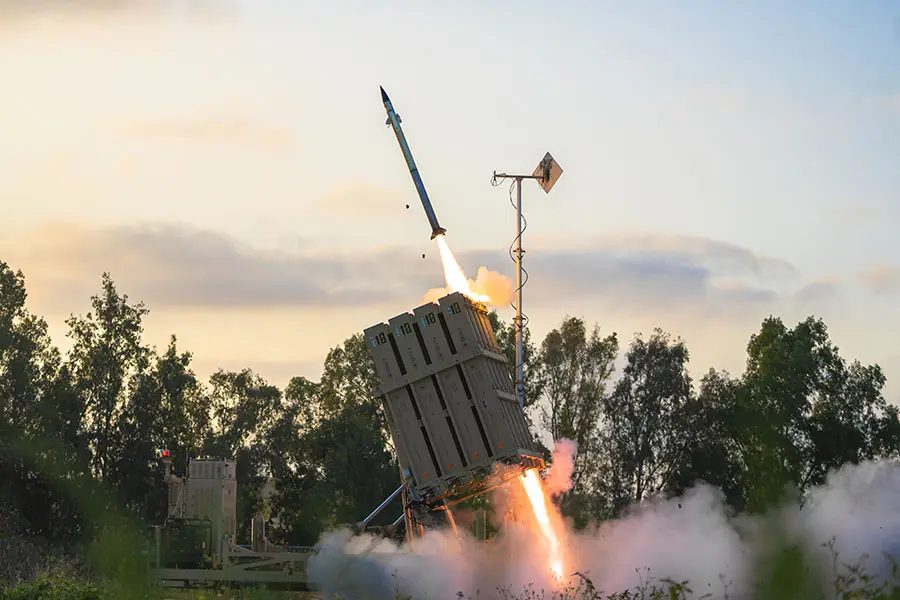
2. DRDO Leads Deployment of a New Integrated Air Defence Weapon System
The homegrown system, part of an Integrated Air Defence Weapon System (IADWS) is being developed and deployed under the leadership of the Defence Research and Development Organisation (DRDO). The architecture integrates Indian-made missiles, radars, electro-optical sensors, and a secure command-and-control network operated by the Indian Air Force. DRDO has already demonstrated combined performance of the system’s components during official flight tests, confirming operational maturity.
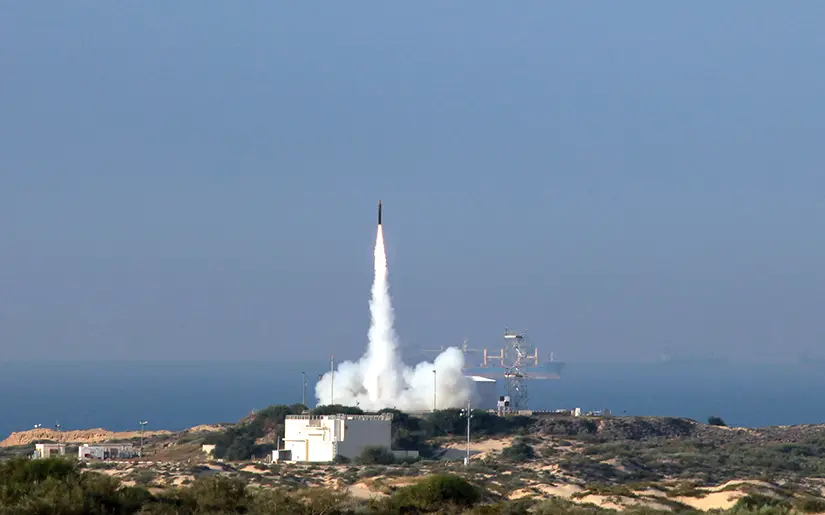
3. QRSAM Will Form the Core Short-Range Interceptor Layer
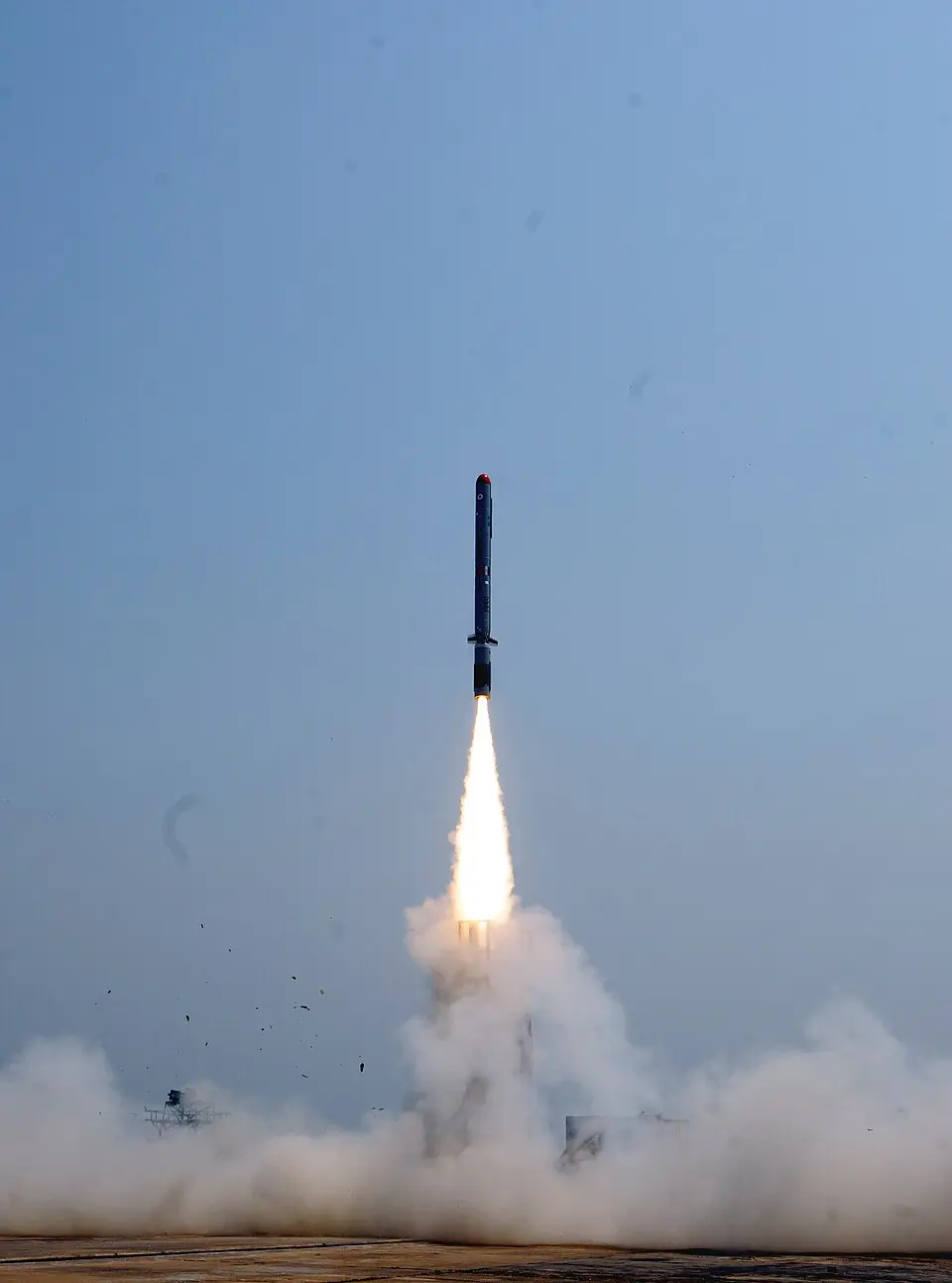
At the heart of the shield is the Quick Reaction Surface-to-Air Missile (QRSAM), a highly mobile system capable of intercepting aircraft, drones, cruise missiles, and precision-guided munitions at ranges of roughly 30 km. QRSAM’s rapid reaction time, active seeker technology, and ability to engage multiple targets make it central to protecting Delhi’s high-value infrastructure against high-speed aerial threats.
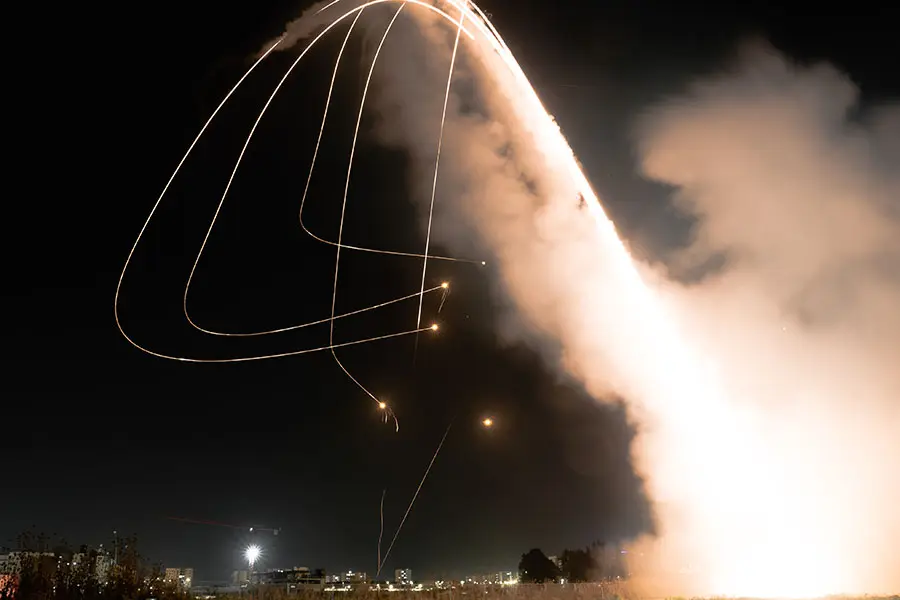
4. VSHORADS Provides the Last-Mile Defence Against Low-Flying Drones
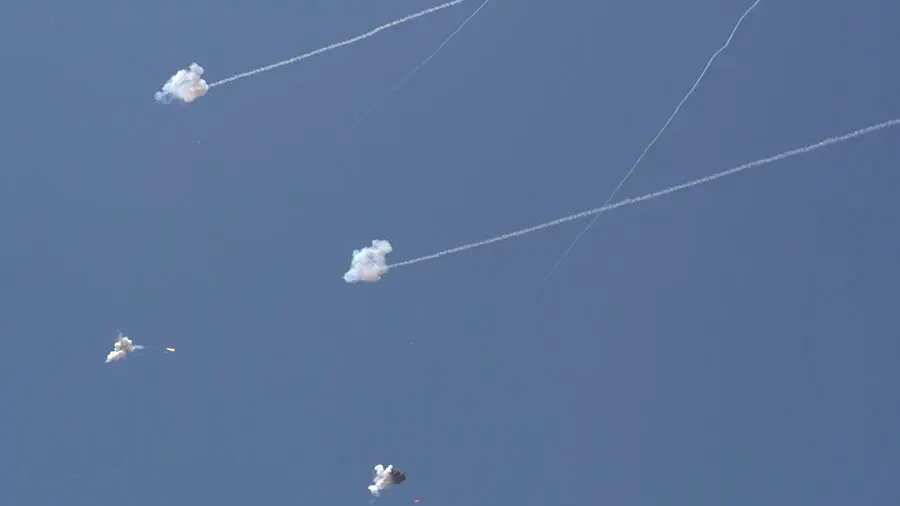
Complementing QRSAM is the Very Short Range Air Defence System (VSHORADS), India’s indigenous MANPADS-class weapon. With an infrared seeker and a range of around 6 km, VSHORADS is designed to neutralise small drones, slow aircraft, helicopters, and close-range aerial threats that slip through higher layers. Its portable, flexible deployment makes it vital for protecting fixed sites, bases and densely populated urban zones.
5. Network of Radars and Command Centres Ensures Rapid Identification and Response
The new Delhi shield will operate as a fully networked grid, combining long-range 3D surveillance radars, specialised tracking sensors, electro-optical units and a hardened command system. This integrated structure enables faster detection, automated threat classification, real-time target handover and coordinated multi-layer interception. By reducing human delay, the system greatly improves India’s ability to counter rapid attacks, drone swarms or low-altitude cruise missiles.
6. Lessons from India–Pakistan 2019 Escalation Shaped the New Approach
The four-day escalation with Pakistan in 2019 exposed critical gaps in India’s low-altitude surveillance and rapid-reaction capability, especially against stand-off weapons and UAVs. These lessons influenced the push for a custom-built, responsive, indigenous air-defence network instead of relying on an imported system like NASAMS-II. Officials believe a homegrown model allows India to adapt faster to emerging regional threats.
7. Indigenous Shield Strengthens Strategic Autonomy and Cuts Long-Term Costs
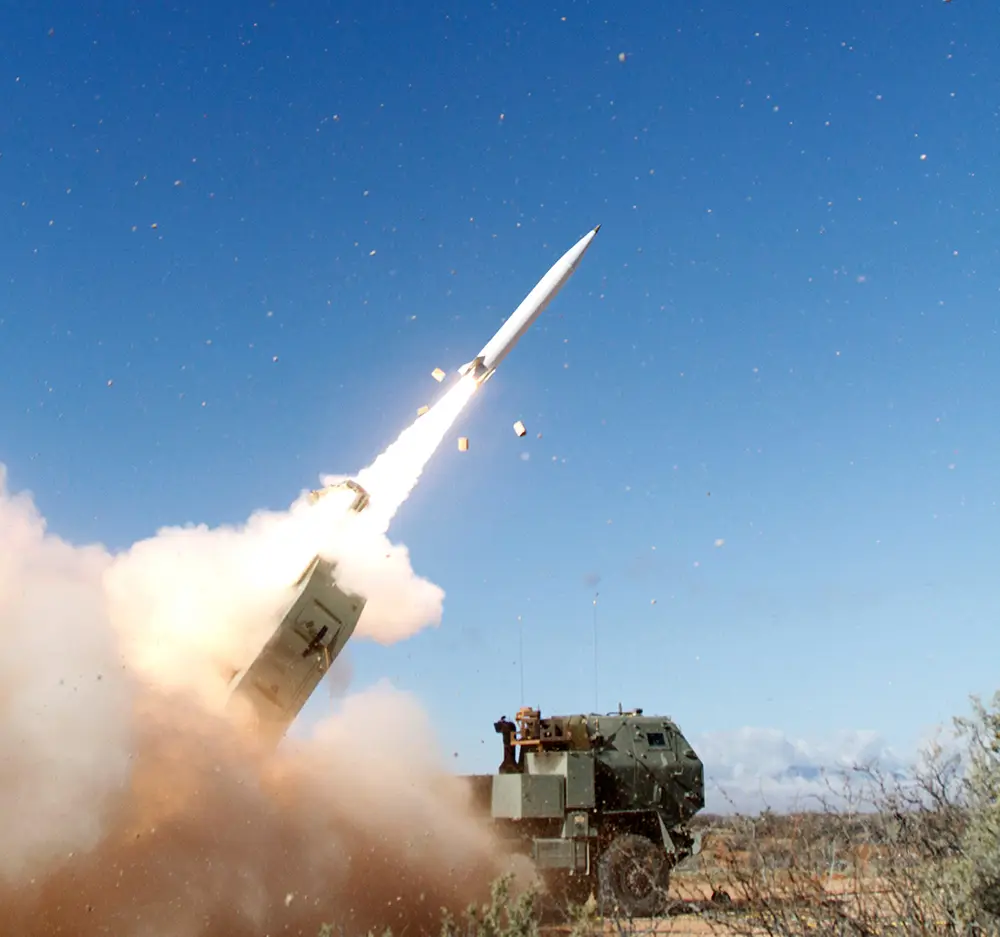
By choosing an Indian system over NASAMS-II, India reduces dependence on foreign suppliers, avoids export-clearance delays, and gains full control over upgrades and expansions. The shield will also integrate seamlessly with India’s existing S-400, MRSAM, QRSAM, and future Project Kusha components, forming a truly multi-layered national air-defence grid. For Delhi, this means a long-term, sovereign protective system tailored for Indian conditions.
)
)
)
)
)