Delhi’s extreme heatwave crisis turns Sanjay Lake into a graveyard as hundreds of dead fish wash ashore

Hundreds of dead fish were found at Delhi’s Sanjay Lake amid a prolonged heatwave. Stagnant, shallow water combined with low oxygen levels and intense heat triggered the ecological crisis. The popular scenic lake now presents disturbing visuals.
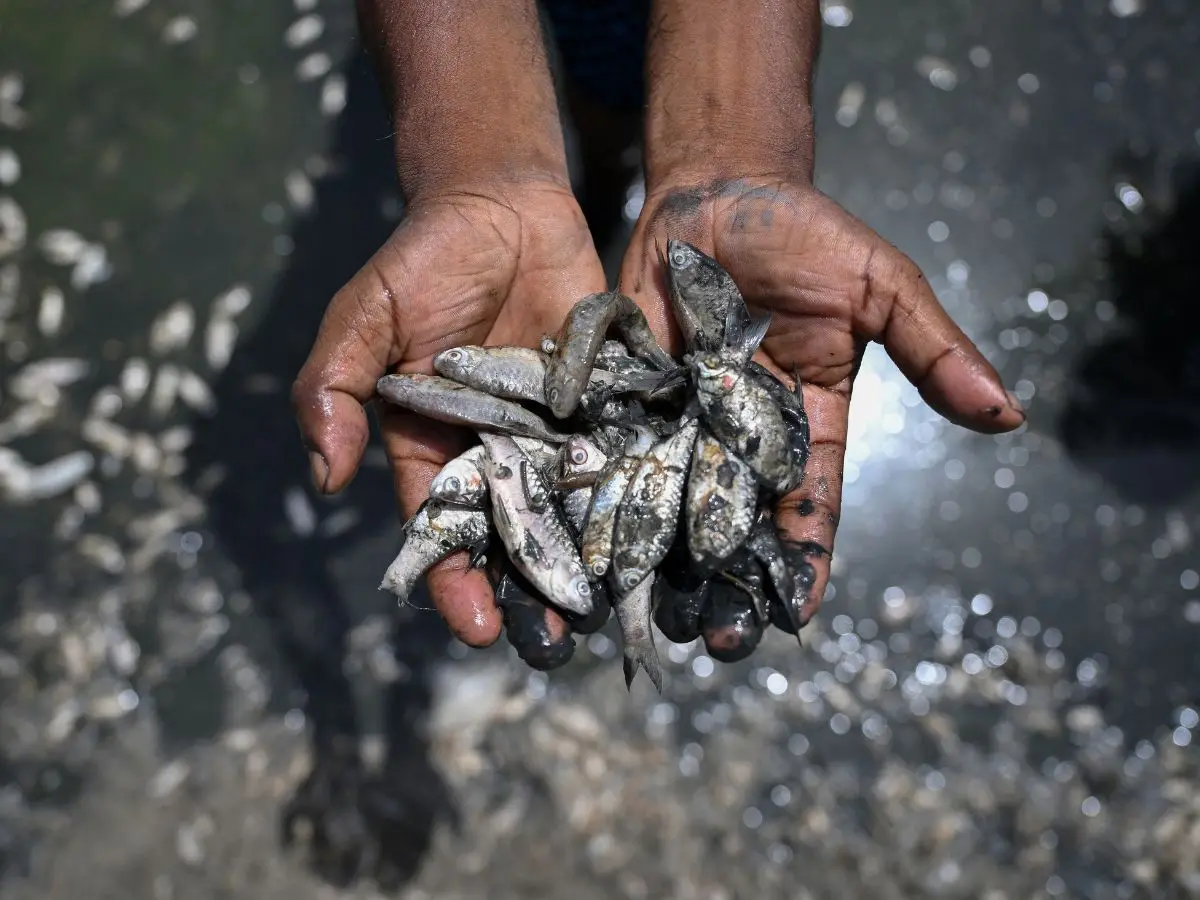
Mass fish deaths
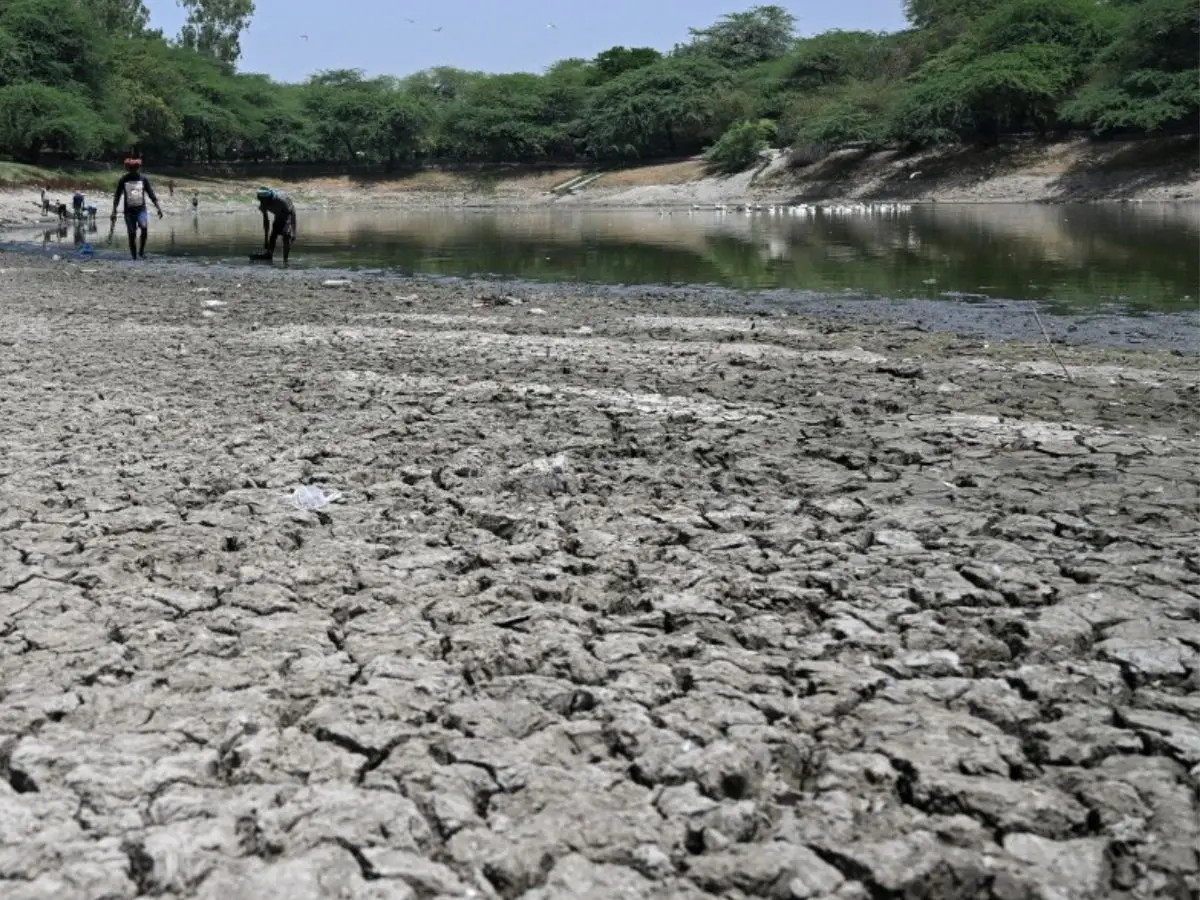
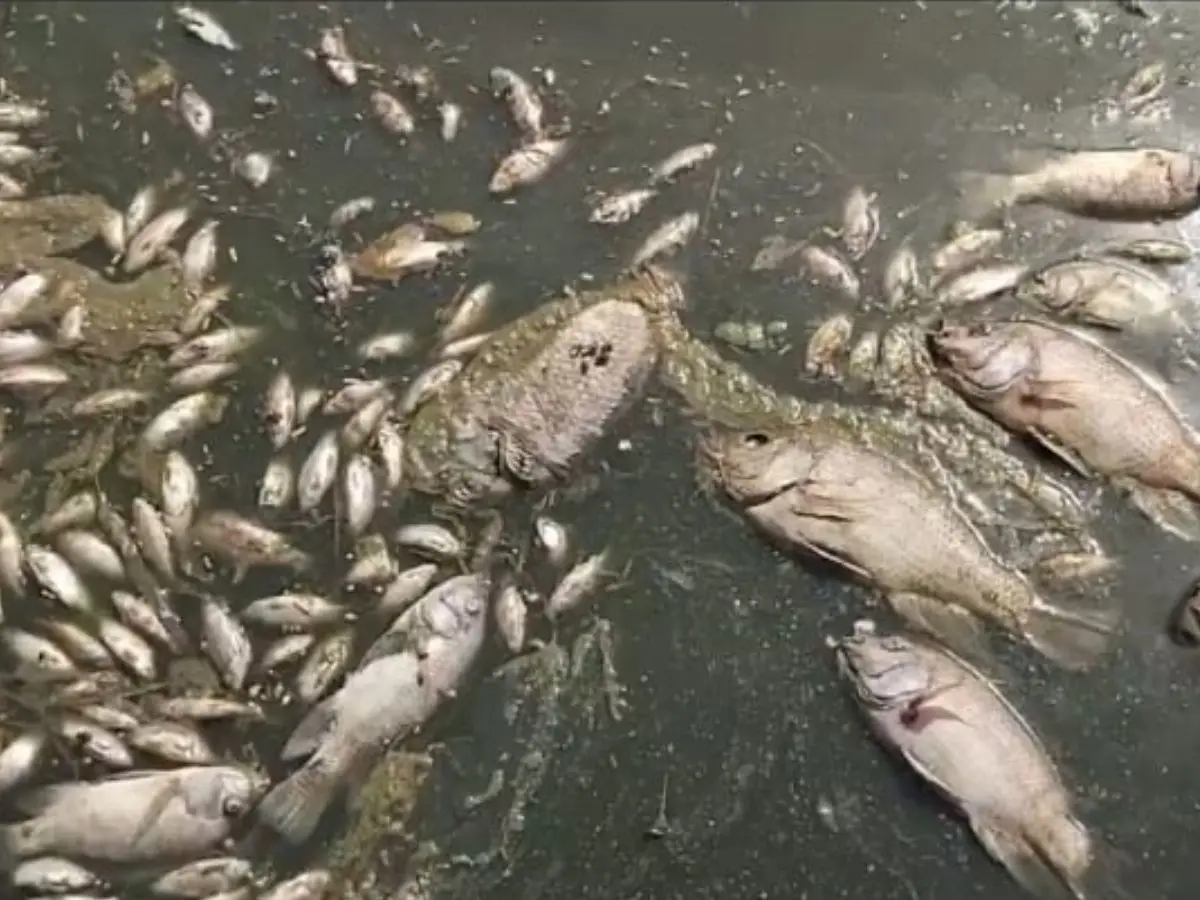
Delhi’s Sanjay Lake turned into a graveyard for fish as hundreds of carcasses washed up along its edges on Thursday. Sanjay Jheel, once a scenic destination, presented an unsettling sight, with lifeless fish floating in shallow pools or stranded on the cracked lakebed.
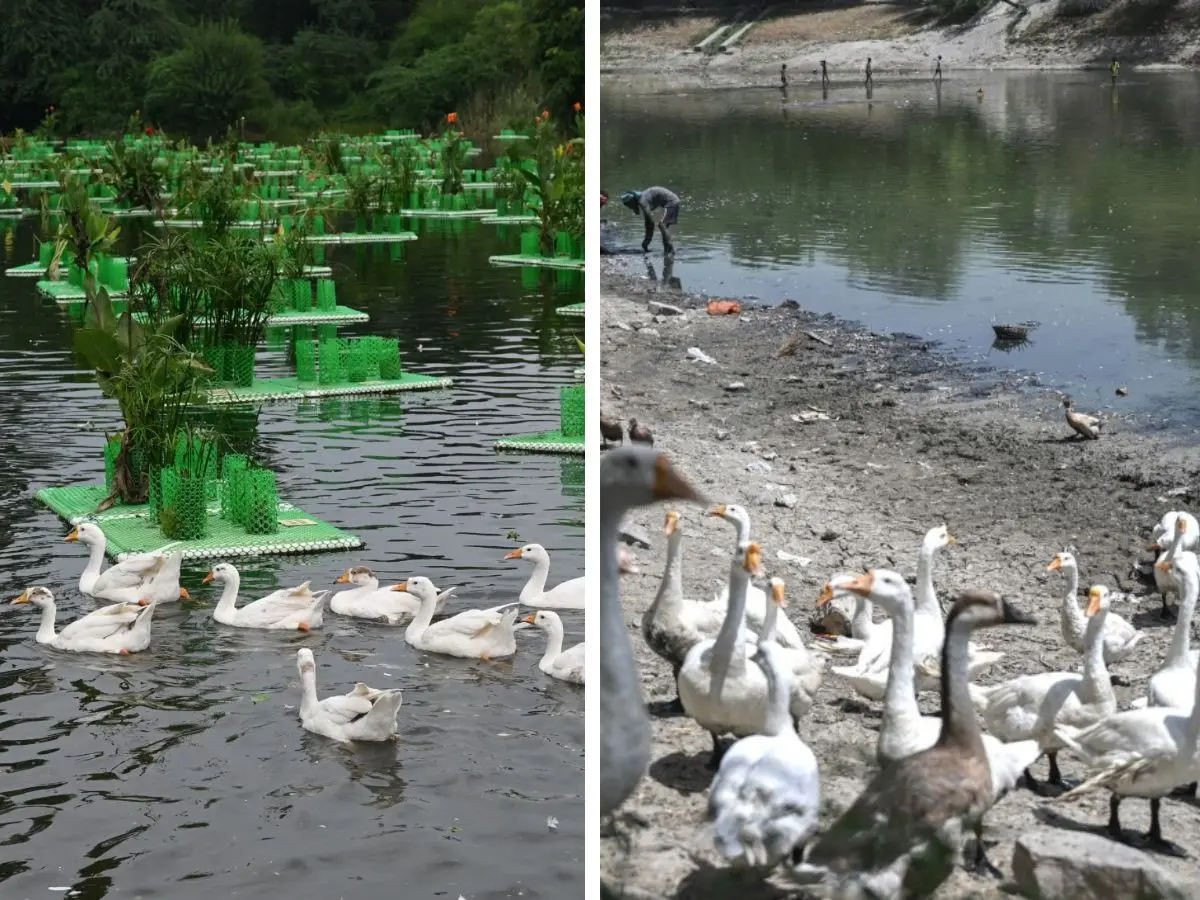
Once a picturesque scene, now a disturbing sight
Sanjay Lake in Trilokpuri, East Delhi, is an artificial lake spanning approximately 52 acres, located within a larger park managed by the Delhi Development Authority (DDA). The waterbody is a vital part of the surrounding forested area. The trail around the park and lake is a popular walking spot, now plagued by the stench of dead fish.
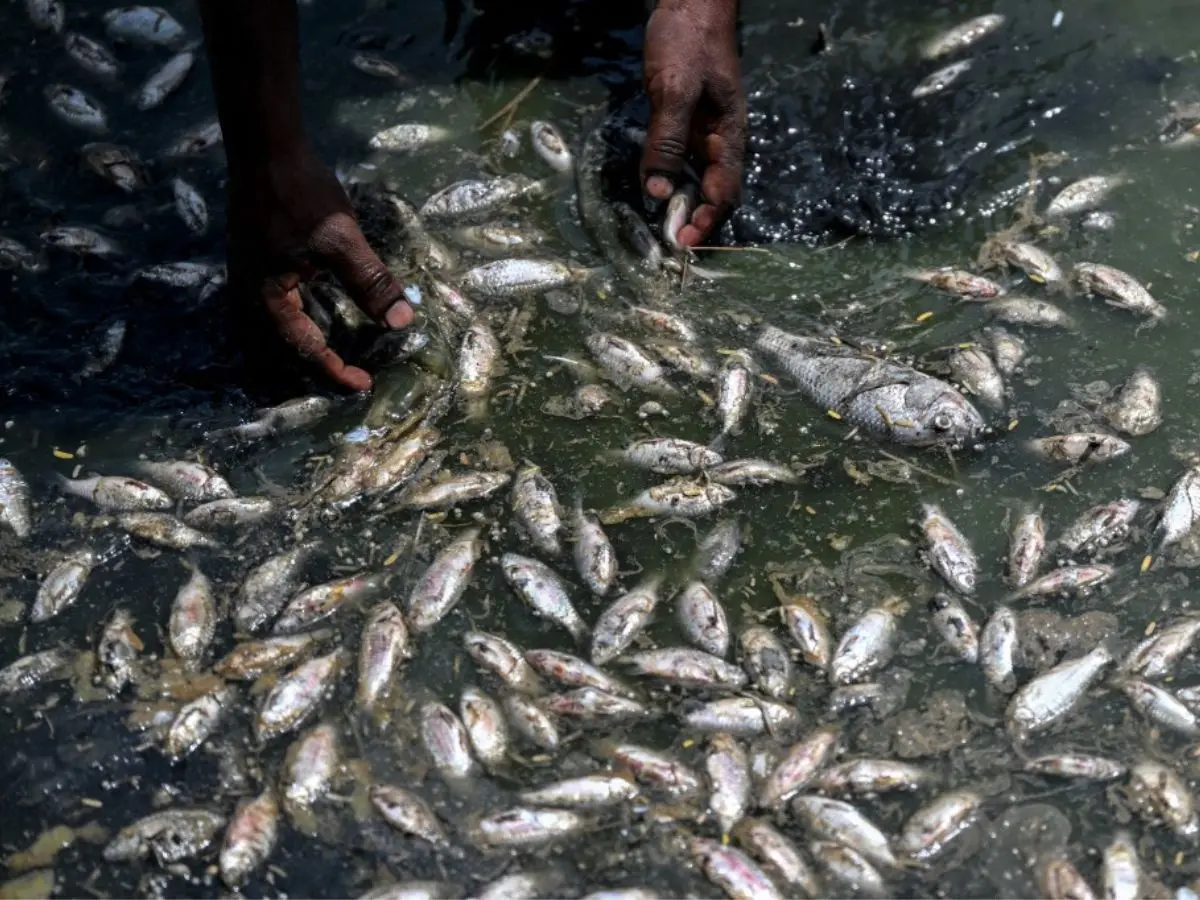
Fish carcasses float in shallow waters
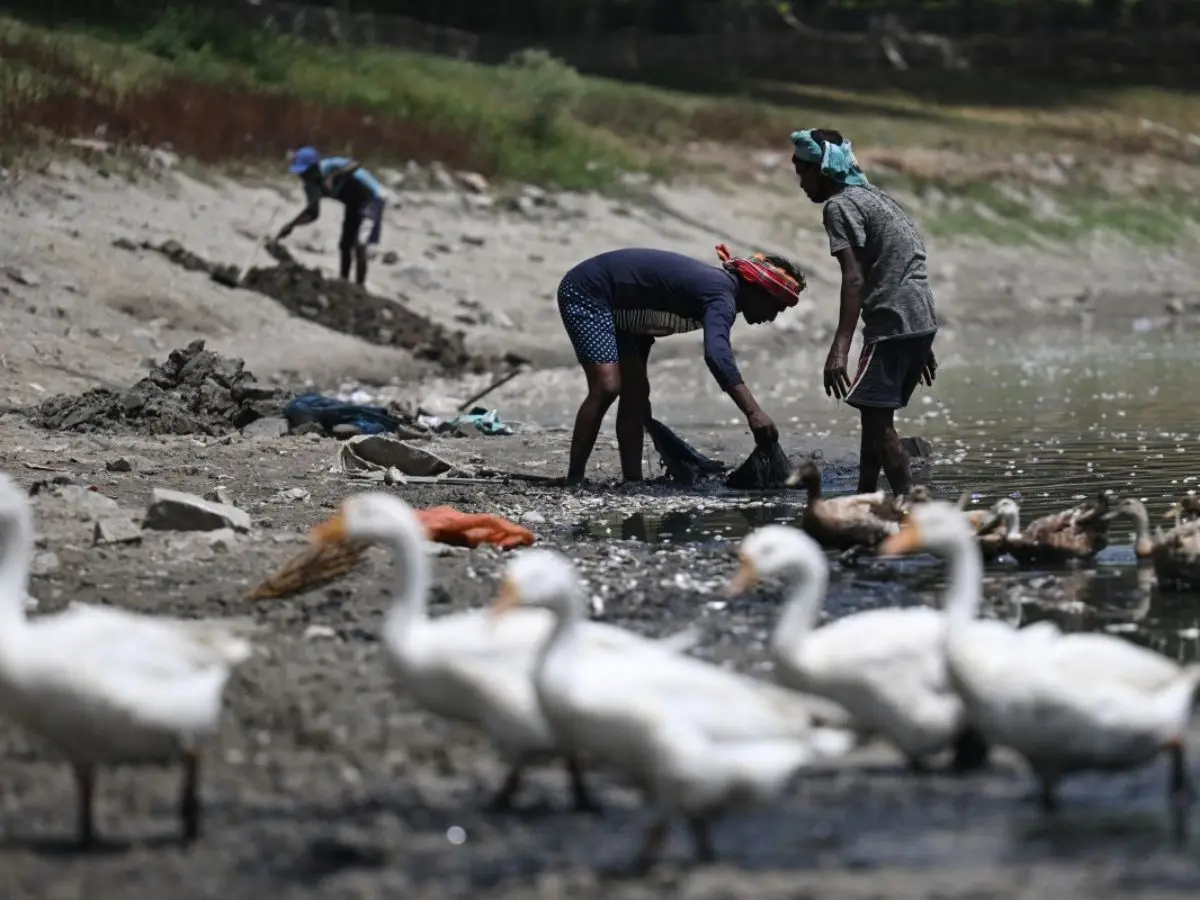
The foul smell of rotting fish has reportedly made life difficult for nearby residents. Images show large dried patches exposing the lakebed, while other parts appear lined with shallow green water. Swarms of fish carcasses line the water as ducks wade through black sludge.
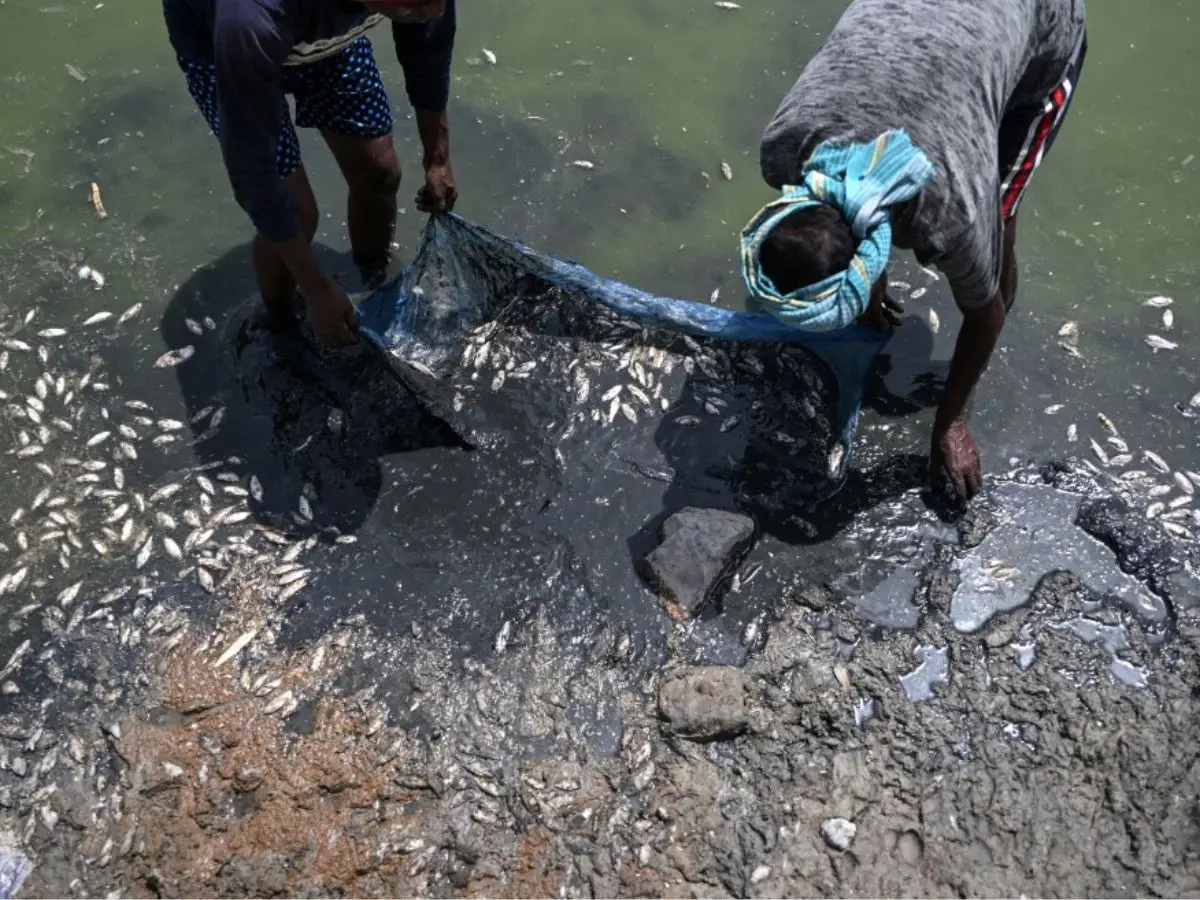
Affected species
The dead fish include various species such as small mosquito fish, tilapia, as well as larger carp-like fish and larger tilapia. Workers were seen removing masses of lifeless fish from the lake.
How did it happen?
The ecological crisis is the result of a severe drop in water levels combined with a staggering decline in dissolved oxygen. The fierce summer heat accelerated the situation.
The lack of a steady water inflow created a highly stagnant environment, causing oxygen levels in the water to drop rapidly.
Crucial pipe left damaged for days
The situation can partly be attributed to leakages in a critical pipeline supplying treated water from the Kondli sewage treatment plant (STP). The location of the leak took several days to identify, disrupting the water flow. The pipe is currently under repair, according to reports. Responsibility for maintaining the water supply falls on the Delhi Jal Board (DJB).
Hidden warning in the catastrophe
The incident highlights the vulnerability of urban waterbodies to extreme weather conditions. The capital continues to struggle under intense heatwave conditions, with temperatures reaching as high as 45 degrees Celsius. Experts warn that inadequate water management during the current heat spell could trigger similar ecological disasters.
)
)
)
)
)