Delhi’s artificial rain: Did a man-made cloud trigger a disaster in Dubai?

In April 2024, Dubai experienced its heaviest rainfall in 75 years, over 250 mm in just 24 hours, equivalent to nearly two years’ worth of rain. The downpour caused massive flooding, stranding vehicles, shutting down Dubai Airport, and resulting in at least five confirmed deaths in the UAE and around 20 in Oman

Delhi’s Cloud‑Seeding Trial Planned for July
The Delhi government has approved ₹3.21 crore for cloud‑seeding flights in early July to trigger artificial rain aimed at reducing air pollution. Modified aircraft are set to disperse hygroscopic agents designed to induce rainfall over north-west and outer Delhi. The project aims to lower PM2.5 and PM10 levels, providing temporary relief to the city's air quality.
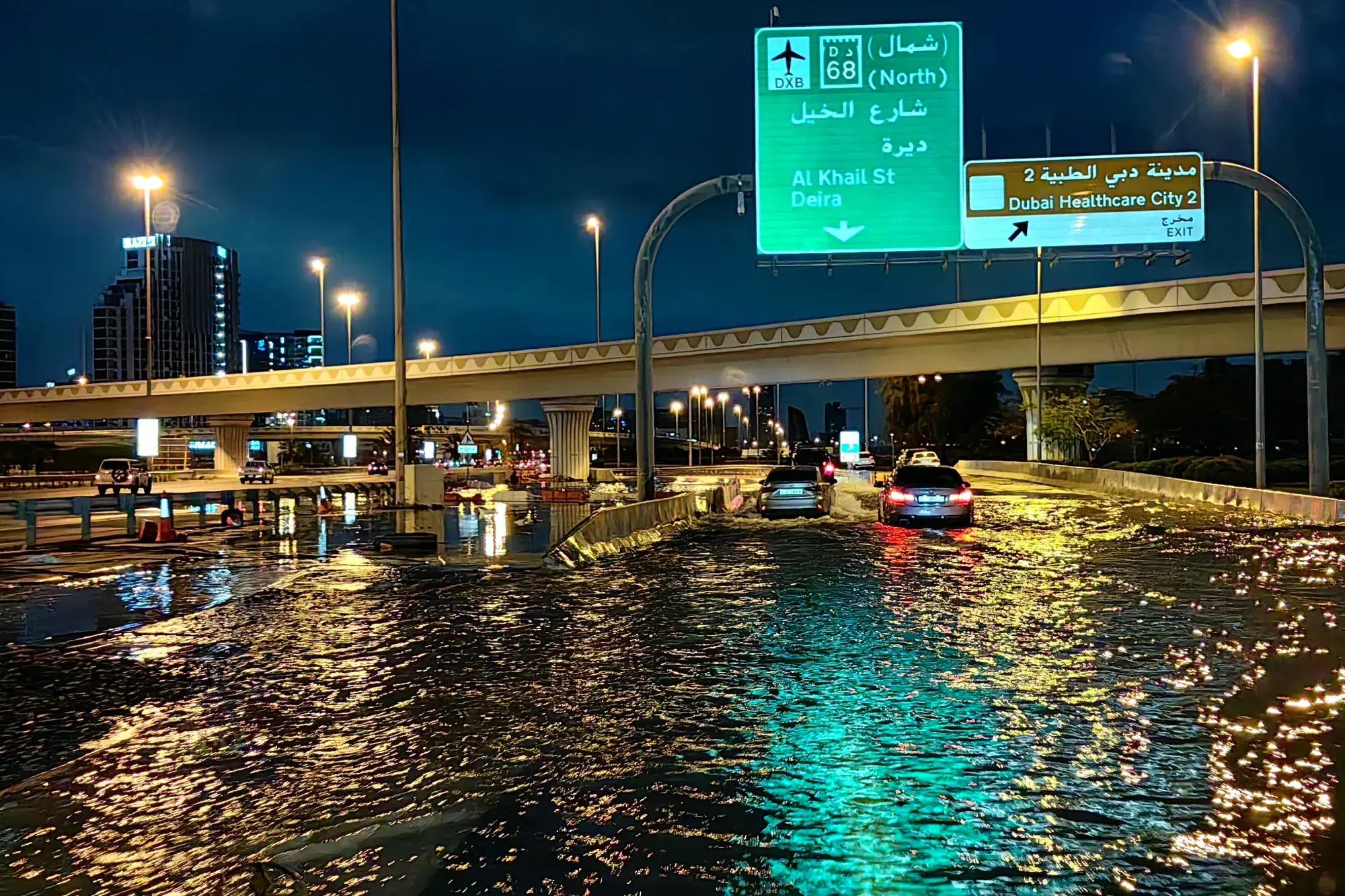
Dubai’s Record‑Setting Rainbomb
In April 2024, Dubai experienced its heaviest rainfall in 75 years — over 250 mm in just 24 hours, equivalent to nearly two years’ worth of rain. The downpour caused massive flooding, stranding vehicles, shutting down Dubai Airport, and resulting in at least five confirmed deaths in the UAE and around 20 in Oman

Was Cloud Seeding to Blame? Experts Say No
Despite speculation linking the floods to cloud seeding, meteorologists have dismissed this idea. The UAE government confirmed no cloud-seeding flights were conducted during the storm . The event was attributed to a slow-moving storm system intensified by climate change.

Infrastructure Unprepared for Extreme Rain
Dubai’s storm infrastructure proved unable to manage the deluge. With over 92 per cent of its annual average rainfall arriving overnight, roads transformed into rivers, Metro stations were submerged, and over 2,000 flights were delayed or cancelled.

Delhi’s Climate Comparison and Preparation
Unlike Dubai, Delhi’s trial will target existing monsoon clouds and attempt to boost rainfall by approximately 10–15 per cent using seeding agents. Piloting during the early monsoons, Delhi's authorities intend to supplement natural rains rather than rely solely on artificial means.

Temporary Relief, Not a Climate Cure
Experts caution that cloud seeding offers temporary air quality relief and is no substitute for structural pollution control. Similar to increasing green cover or regulating transport emissions, it must be part of a broader environmental strategy.

What Comes Next for Delhi
Monitoring will involve real-time data collection from air-quality stations before and after seeding flights. Authorities will assess whether the initiative effectively reduces pollution levels without disrupting weather patterns or causing unintended consequences.
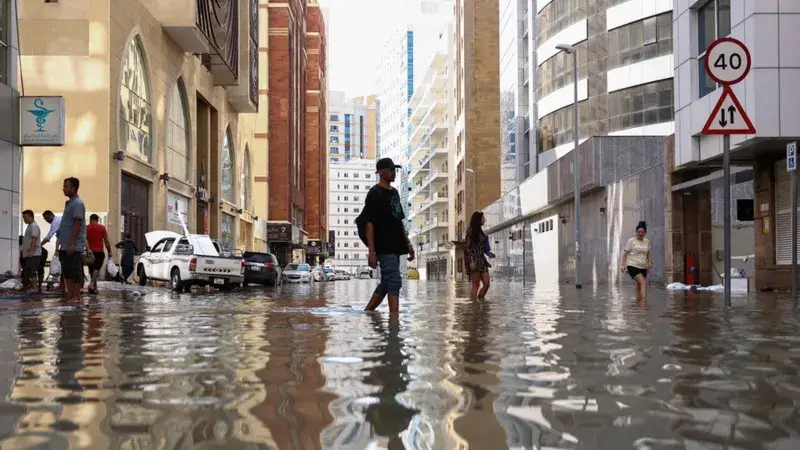
Dubai Rain
Dubai’s floods were driven by rare, climate-enhanced storms, not artificial rain. Delhi’s upcoming cloud-seeding initiative, by contrast, is a controlled attempt to enhance monsoon rainfall for air quality management. The success of this Rs 3.21 crore experiment will depend on meteorological accuracy, timing, and integrated urban planning.
)
)
)
)
)