Delhi pollution effect: Top 6 health issues linked to poor air quality

What health problems does Delhi’s air pollution cause? Millions face risks like breathing difficulties, heart disease, and more. Explore the top six health effects of poor air quality and learn how pollution impacts daily life.
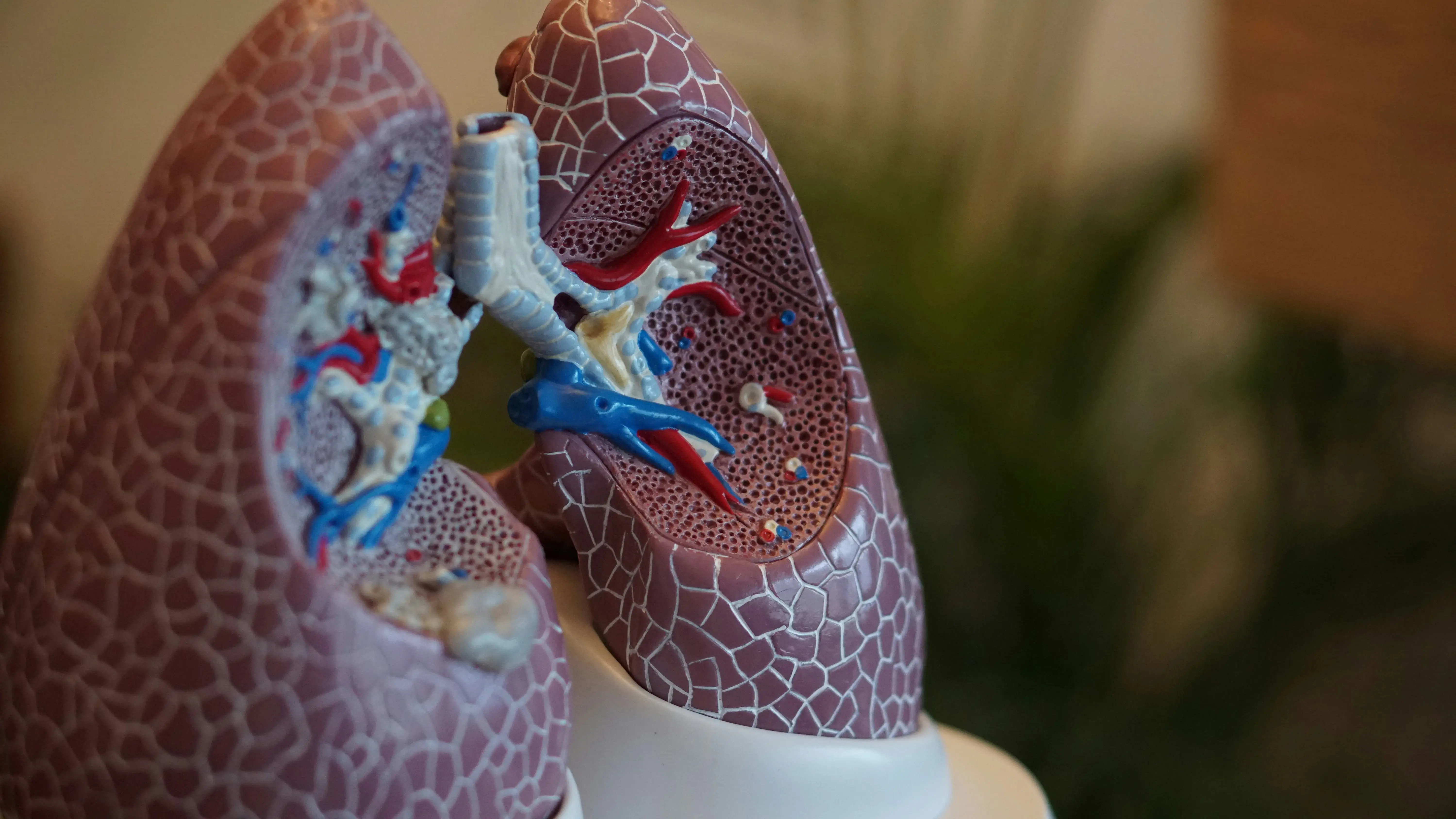
Respiratory Diseases
Poor air quality causes or worsens diseases like asthma, bronchitis, and chronic obstructive pulmonary disease (COPD). Fine particles can enter deep into the lungs and cause inflammation, leading to breathing difficulties and frequent hospital visits.

Cardiovascular Problems
Air pollution increases risks of heart attacks, strokes, and high blood pressure. Toxic particles inflame blood vessels and reduce oxygen supply, putting stress on the heart. People with pre-existing heart conditions are especially vulnerable.

Cancer Risks
Long-term exposure to Delhi’s polluted air raises the risk of lung and other cancers. Pollutants like PM2.5 carry carcinogenic compounds that enter the bloodstream, affecting multiple organs beyond the lungs.

Eye Irritation and Allergies
Polluted air causes eye redness, irritation, and discomfort. Allergic reactions and worsening of conditions like conjunctivitis are common due to dust, smoke, and chemical pollutants in Delhi’s air.

Weakened Immunity
Continuous exposure to toxic air weakens the immune system. It reduces the body’s ability to fight infections and diseases, leaving people more susceptible to illnesses.

Increased Mental Health Issues
Studies suggest pollution may affect brain health, increasing risks of depression, anxiety, and other mental health problems. Air pollution’s impact extends beyond physical health to emotional wellbeing.
)
)
)
)
)