Delhi–Dehradun expressway inaugurated: 213 km corridor, Rs.12,000 crore cost, travel time reduced to 2.5 hours

The 213-km access-controlled expressway passes through Delhi, Uttar Pradesh and Uttarakhand, significantly improving regional connectivity between the national capital and the hill state capital.
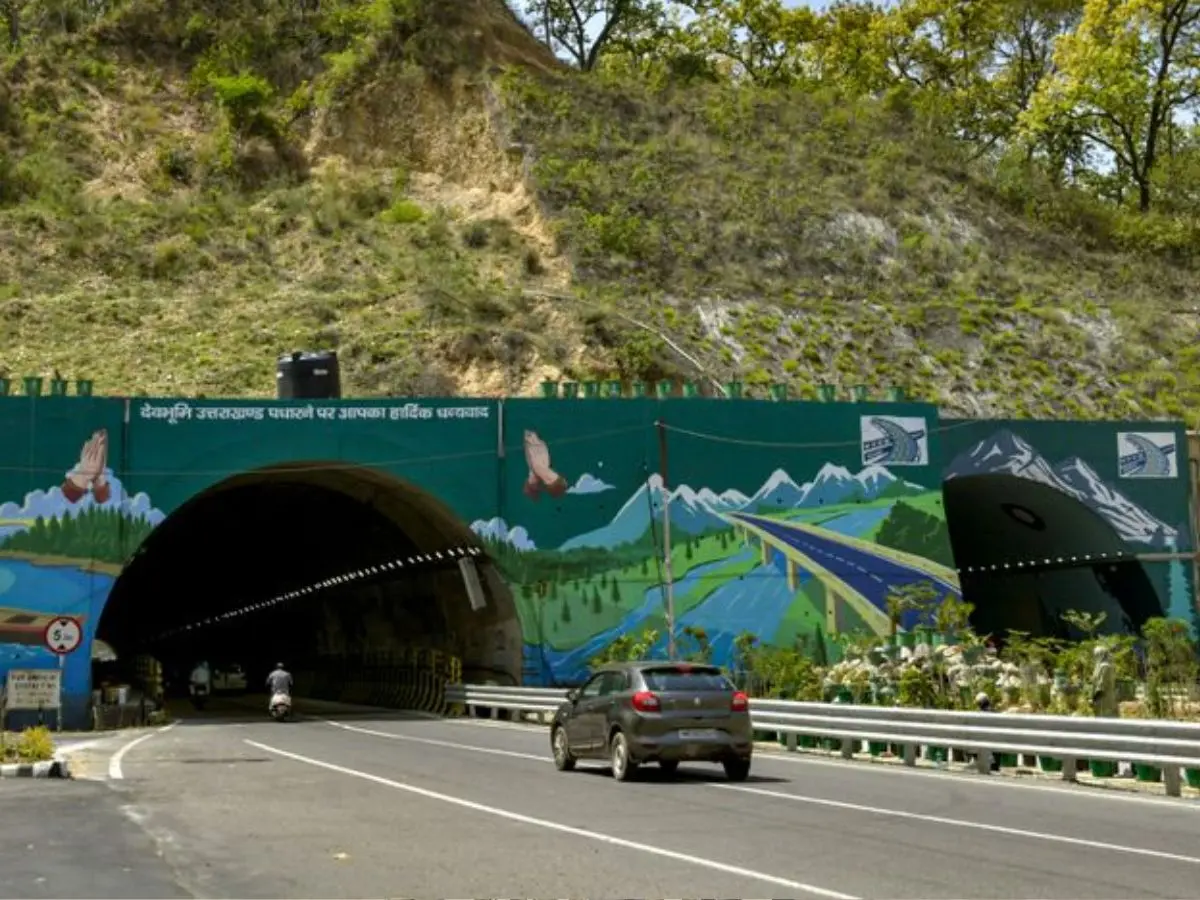
High-speed connectivity corridor inaugurated
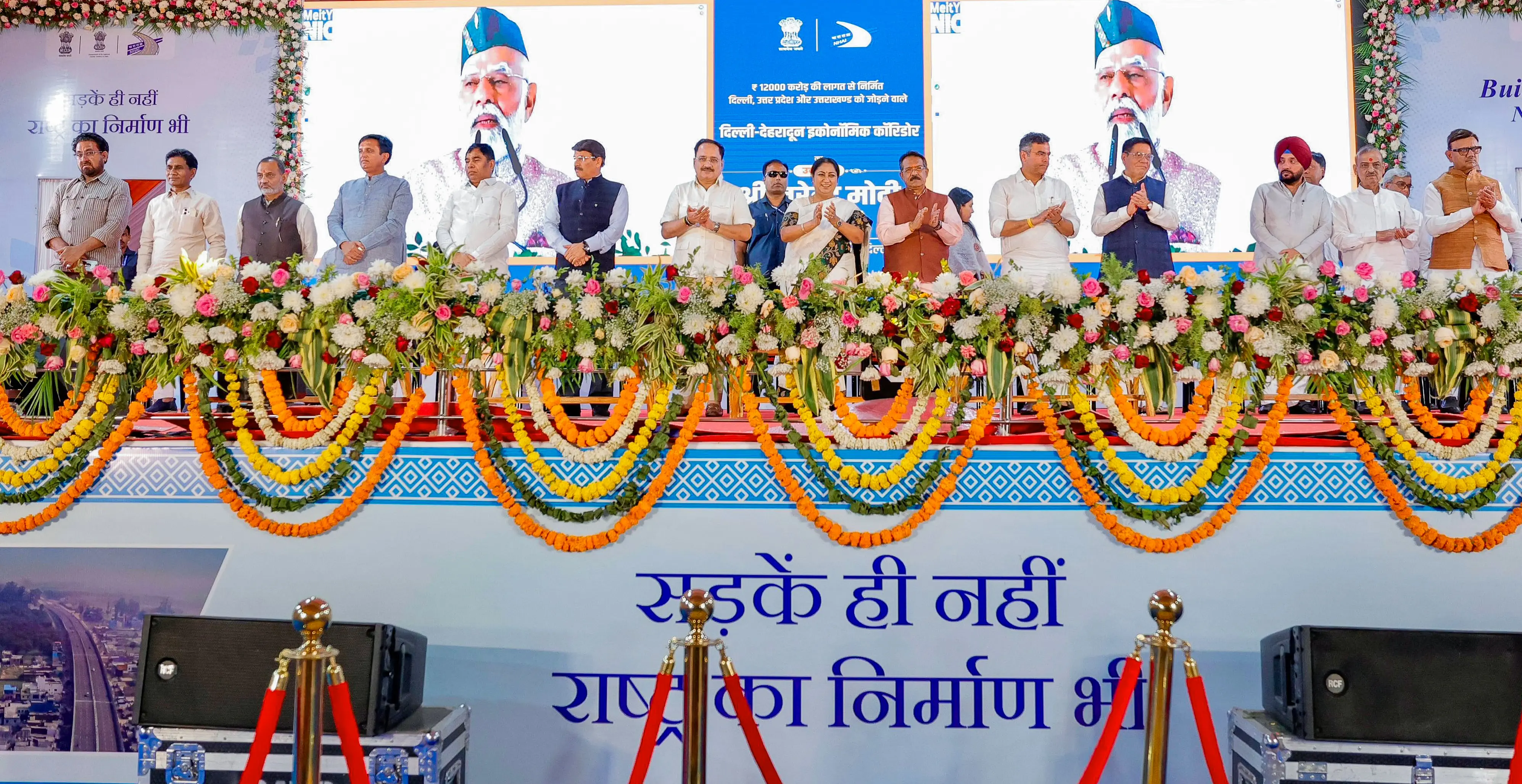
Prime Minister Narendra Modi on Tuesday inaugurated the six-lane Delhi–Dehradun economic corridor in Dehradun, marking the completion of a major infrastructure project built at a cost of over Rs. 12,000 crore. The 213-km access-controlled expressway passes through Delhi, Uttar Pradesh and Uttarakhand, significantly improving regional connectivity between the national capital and the hill state capital.
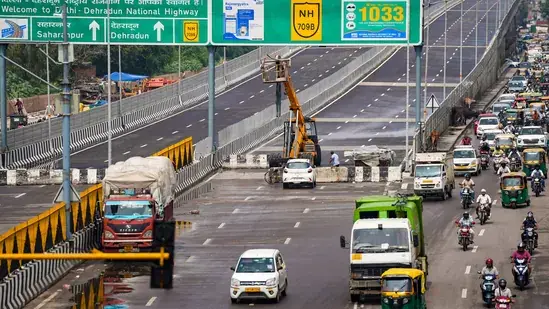
Travel time nearly halved
The corridor reduces travel time between Delhi and Dehradun from over six hours to around 2.5 to 3 hours. Officials said the expressway has been designed for high-speed, uninterrupted travel, offering seamless movement across key northern states while easing congestion on existing highways.
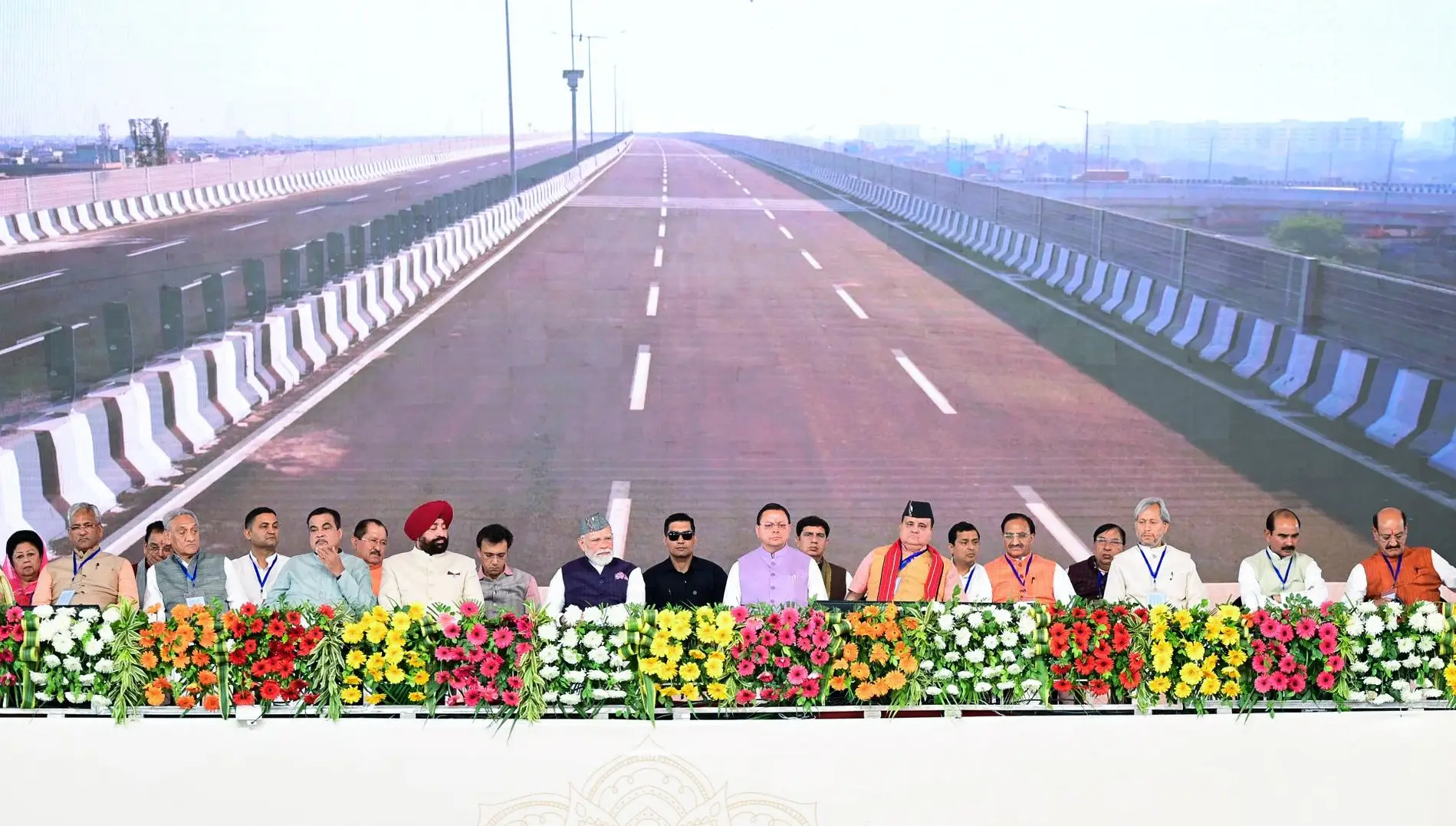
Key features and engineering scale
The project includes 10 interchanges, three railway overbridges and four major bridges. It also has 12 roadside amenities and an advanced traffic management system for safer travel. Union minister Nitin Gadkari described it as a “historic day for India’s road infrastructure sector” and said it “adds a new chapter to modern infrastructure development.”
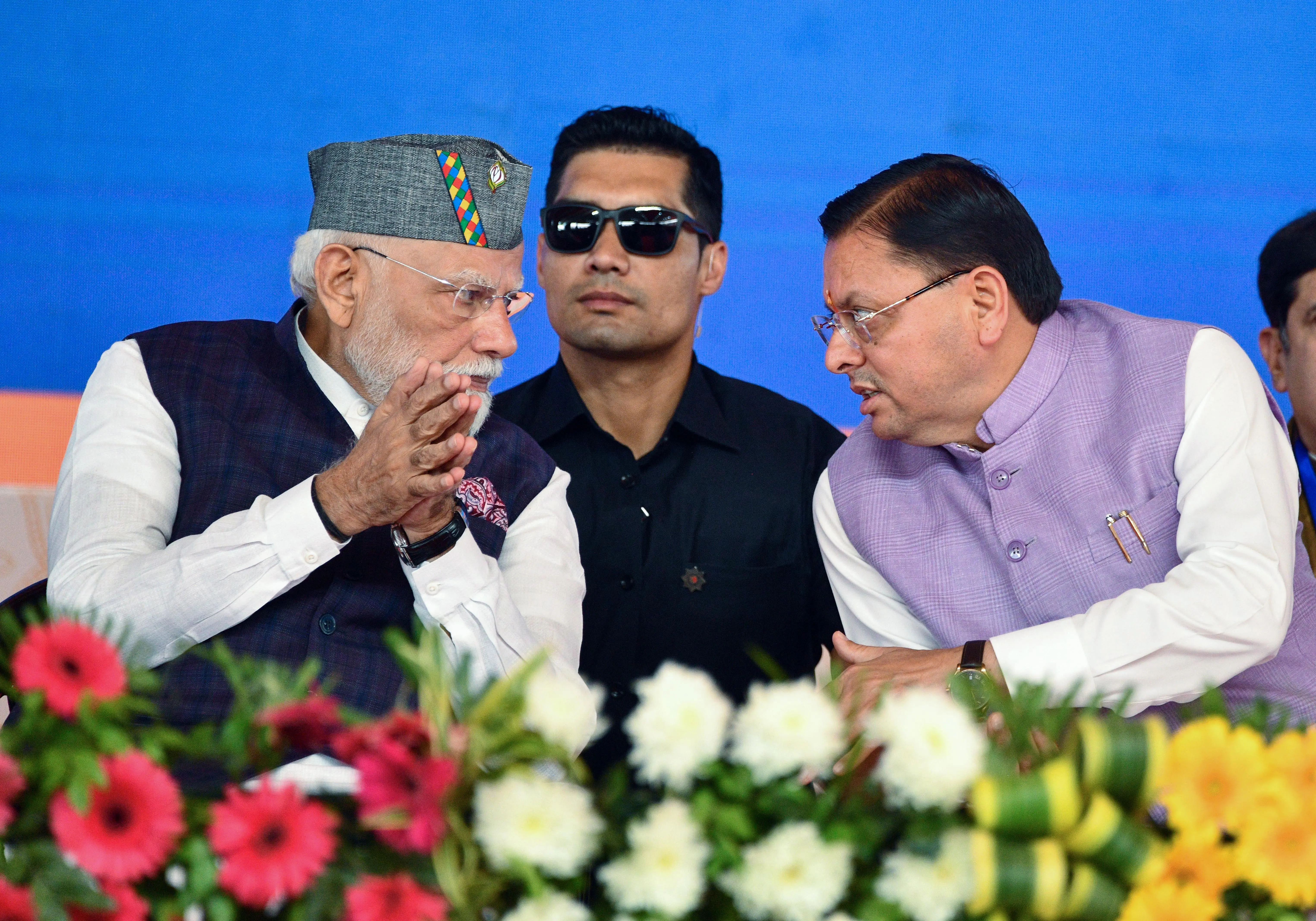
Wildlife-sensitive design and eco corridors
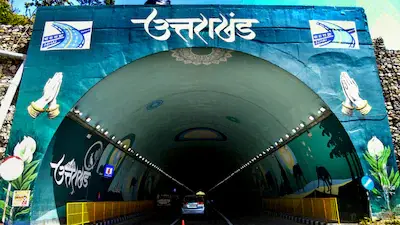
A major focus of the project is environmental protection. The corridor includes a 12-km wildlife elevated stretch, one of the longest in Asia, along with eight animal passes and two 200-metre elephant underpasses. A 370-metre tunnel near Dat Kali Temple has also been constructed to minimise ecological disruption and ensure safe animal movement.
PM’s roadshow and temple visit
En route to Dehradun, the Prime Minister held a roadshow in Saharanpur, where large crowds gathered along the route. He also performed darshan and pooja at the Maa Dat Kali temple, with children singing aarti as he participated.
Economic and real estate impact
Industry experts quoted by ANI expect the corridor to reshape regional growth, with projected 15–25 per cent property appreciation in key micro-markets over 18–24 months. Improved connectivity is also expected to boost tourism, warehousing, hospitality, and second-home demand across Ghaziabad, Noida, Saharanpur, Haridwar and Dehradun, creating a wider north India growth belt.
)
)
)
)
)