Declassified: The Bizarre Truth Behind Apollo 17’s Lunar 'Triangular Formation'

Newly declassified Pentagon files reveal that the infamous 1972 Apollo 17 lunar “triangular formation” is no longer considered a film glitch, but a massive physical object.

The Apollo 17 Discovery Revisited
During the final Apollo lunar mission in December 1972, astronauts captured thousands of images of the moon's surface and the surrounding void. For decades, one specific photograph showing three distinct “dots” arranged in a perfect triangle hovering in the lunar sky was circulated among amateur researchers, though it remained largely unaddressed by official space agencies. The recent government focus brings this 50-year-old mystery back into the global spotlight.
The May 2026 Declassification Milestone
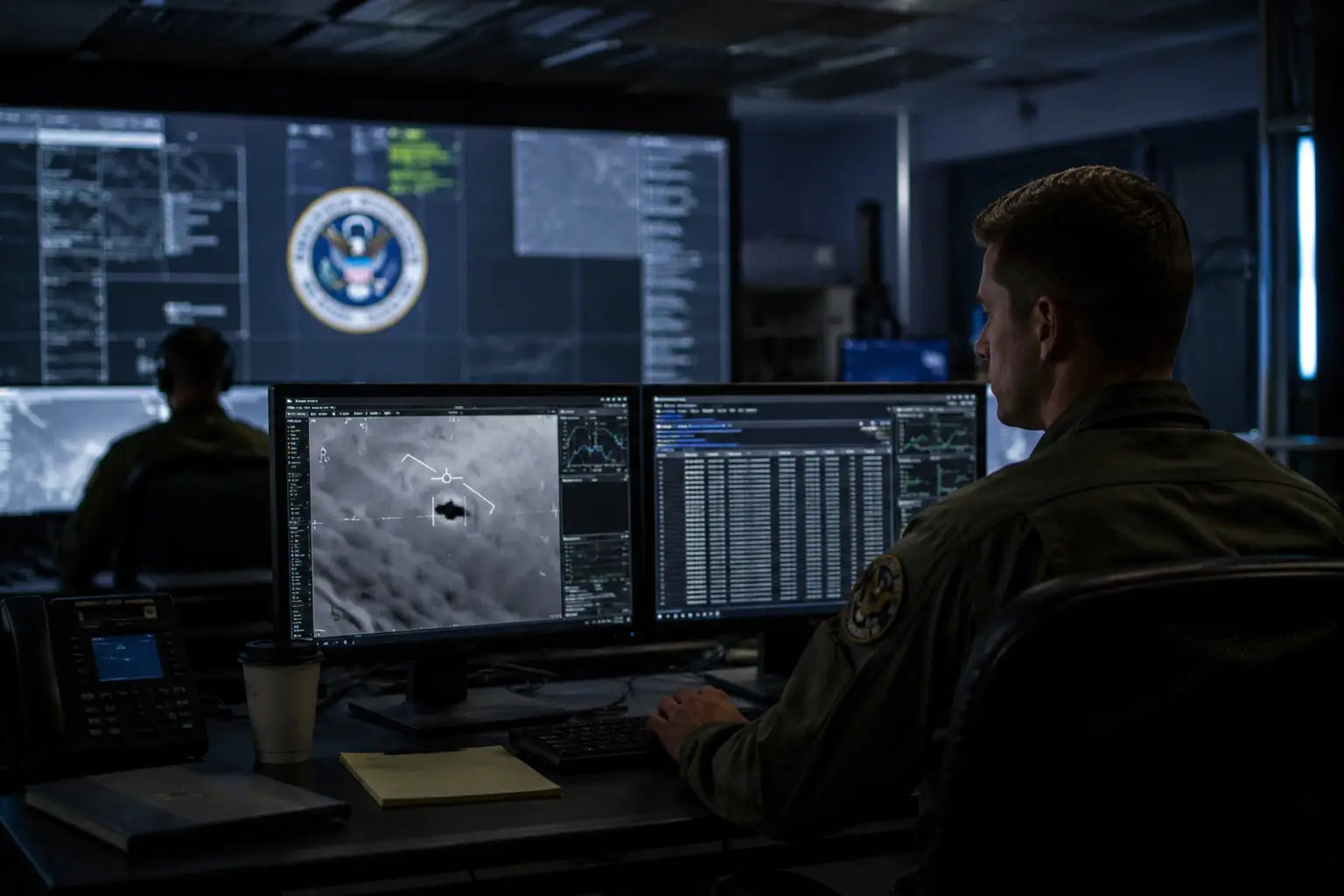
The image's re-emergence is a direct result of the White House’s PURSUE program and the Pentagon's massive May 2026 document drop. Included in the 162 declassified files on the new WAR.GOV/UFO portal, the Apollo 17 photograph was singled out by military intelligence officials as a key historical record requiring 21st-century re-evaluation, officially moving it from internet lore to an active government inquiry.
From Film Glitch to Physical Object
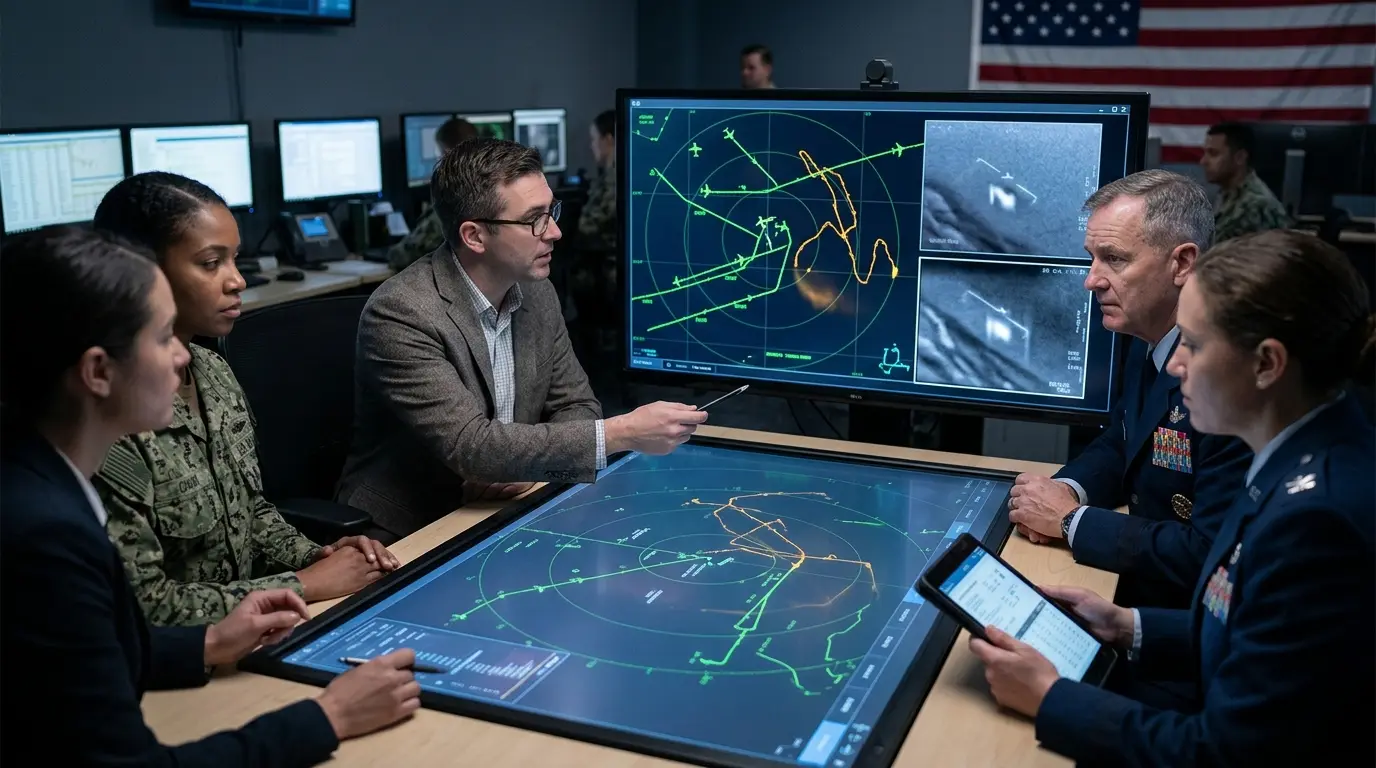
Historically, skeptics and imagery analysts dismissed the triangular formation as a simple photographic artifact—pointing to film emulsion errors, lens flares, or light reflecting off the lunar module window. However, the Pentagon's preliminary review of the unredacted files suggests that the light distortion and depth-of-field metrics point toward a massive, structured physical object orbiting or hovering near the moon.
Advanced Photographic Forensics
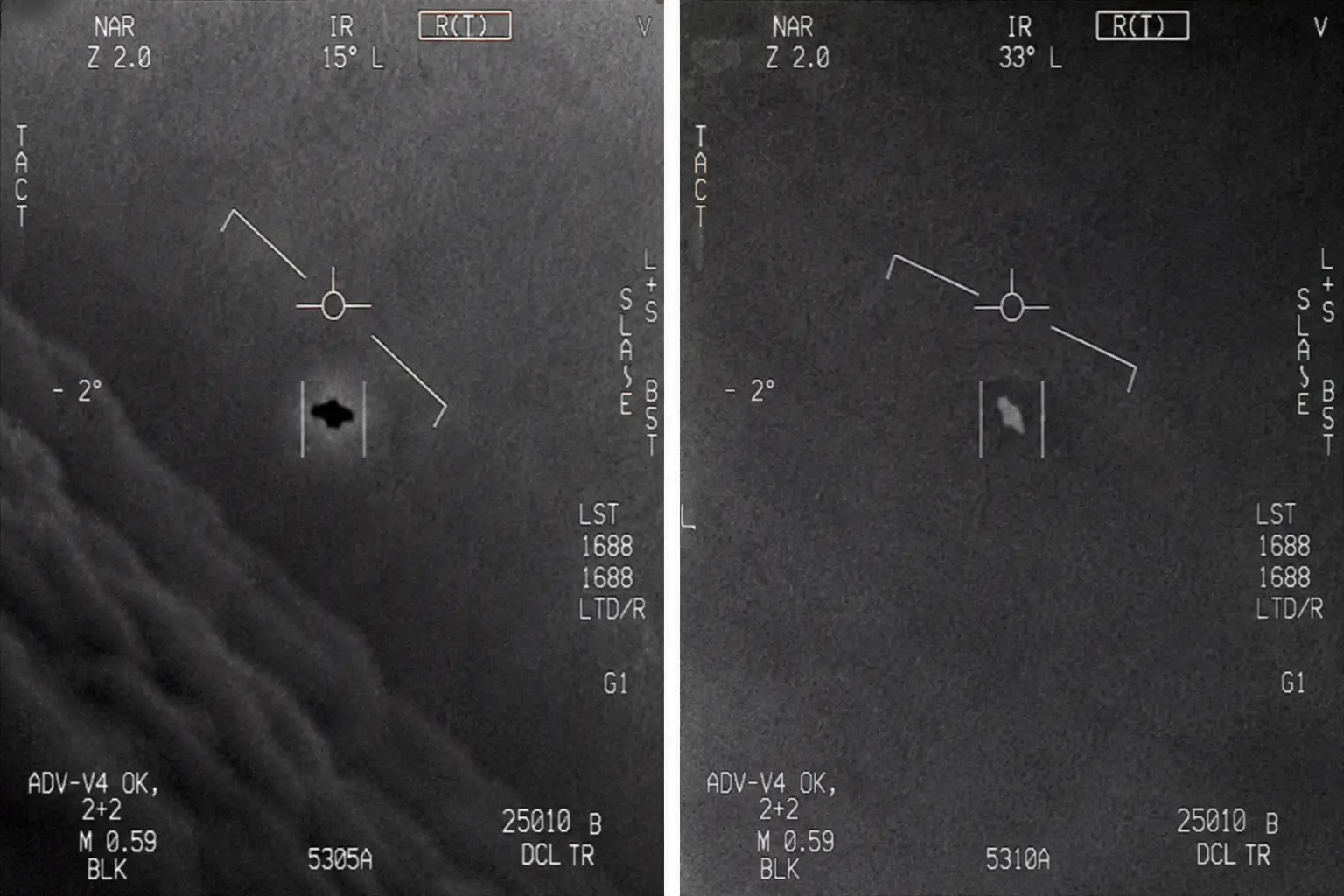
To solve the mystery, the Department of Defense is not just looking at digital scans; they are applying cutting-edge forensic technology to the original 1970s analog film negatives housed in NASA's archives. Using AI-driven grain analysis and 3D topological rendering, investigators are attempting to calculate the exact distance, scale, and density of the three points to determine if they are connected by a larger, unilluminated chassis.
NASA's Historical Silence Broken
The declassification marks a significant shift in NASA's historical stance on Apollo-era anomalies. By cooperating with the Pentagon's UAP task force, the space agency is allowing external military analysts to scrutinize their foundational records. This collaborative transparency is slowly unraveling decades of strict compartmentalization regarding what astronauts may have witnessed or captured on film.
The Scientific Community's Reaction
The official admission that the Apollo 17 anomaly is an unresolved physical object has sent shockwaves through the scientific and astronomical communities. Independent ufologists, private sector imaging experts, and astrophysicists are now demanding access to the raw forensic data, arguing that public, peer-reviewed analysis is crucial to verifying the government's preliminary findings.
What Comes Next for Lunar UAP Research
The triangular formation analysis is setting a new precedent for how historical space anomalies are treated. Moving forward, the Pentagon plans to release the final forensic report on the Apollo 17 photo by the end of the year. In the meantime, this revelation has sparked calls in Congress to fund dedicated deep-space sensors designed specifically to monitor the lunar orbit for modern UAP activity.
)
)
)
)
)