Hollywood is dying. Why the Mecca of world entertainment is in decline, in 8 slides

Production houses are moving to other states or even to other countries. Why is Hollywood dying? There are a multitude of reasons. Here is what you should know:
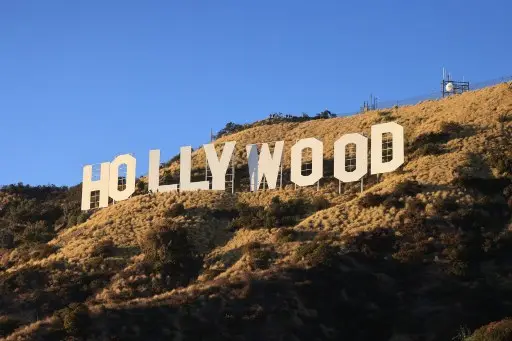
The Decline of Film and TV Production in Los Angeles
According to recent media reports, film and TV production in Los Angeles, the home to Hollywood in the western US state of California, has dropped by nearly 40 per cent in the past decade.
Production houses are moving to other states or even to other countries. Why is Hollywood dying? Here is what you should know:

Why are film and TV productions moving out of Hollywood?
Many productions are moving abroad or to other states due to cheaper labour and better tax incentives. Legacy studios, except for Paramount, have either moved out of California or cut back on their operations due to rising production costs

Leaving California: Entertainment workers, local businesses hit hard
The slow exodus of the entertainment industry out of Hollywood has hit creative professionals like makeup artists, set decorators, drivers and dry cleaners, as well as local businesses like tour operators, many of which were already struggling with the high cost of living of Los Angeles.

The fall of a cultural icon
With its ubiquitous Hollywood sign and Walk of Fame, and many other landmarks, Hollywood was among California’s most iconic exports, drawing in hordes of tourists every year and making Los Angeles a global hub for entertainment and creativity. But not any more. Sound stages are empty, and prop houses are liquidating inventory as job opportunities shrink, according to a report in The Washington Post.

Why is Hollywood on decline? The contributing factors
The decline started after major studios moved their headquarters or main operations outside California, into states like New York and Georgia. The Covid pandemic-related shutdowns of 2021 and prolonged labour strikes of actors and writers added to the problem. Then came the frequent wildfires. Once upon a time, filmmakers moved from colder climates to Hollywood so that they could make movies all year, given the sunny weather of California. But that changed, with even celebrities seeing their homes burn in the recent wildfires.

Times are changing for Hollywood: Box office revenues, theatre attendance fall in streaming era
With streaming taking over entertainment, many smaller production houses found Hollywood too expensive. Now, cheaper options are available to them in Canada's Vancouver, known as 'Hollywood North', and countries as far away as Ireland and Australia, as well as nearby cities like Atlanta, described as 'Y’allywood'.
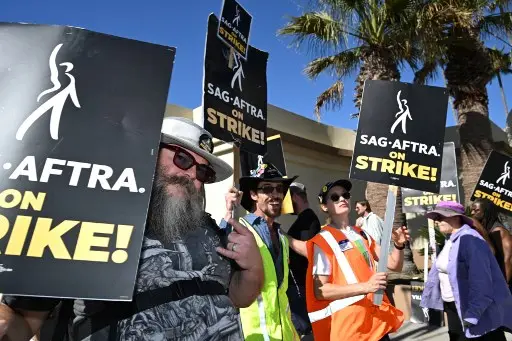
Hollywood losing entertainment industry incentive fight
States like New York and Texas have expanded their film tax credits by hundreds of millions of dollars, while several countries with lower labour costs are now popular alternatives for film and video productions. California’s current tax credit programmes are still unable to meet industry demand, given the cost of living in Los Angeles. There's a proposal to raise the programme to $750 million annually. President Donald Trump's suggestion to tariff foreign-made American films is probably not going to work. California is already in a budget deficit, and requested federal tax credit to keep the US entertainment industry competitive.

Many Hollywood workers in dire straits, doing part-time jobs
The WP report noted that, away from the glamour and glitz, many Hollywood workers are doing part-time jobs in retail or food service to pay their bills. Many are living paycheck to paycheck, losing health insurance, and relocating out of state. The International Alliance of Theatrical Stage Employees reported chronic unemployment among its members. The wildfires this January destroyed more than 1,000 homes belonging to entertainment union members, further denting hopes of discovery.
)
)
)
)
)