Death of diplomacy? Why Geneva Nuclear talks collapsed in 48 hours, lead to US-Israel attack on Iran

Diplomacy died in Geneva as nuclear talks collapsed on Feb 26 over irreconcilable demands. By Feb 28, the US and Israel launched ‘Operation Epic Fury,’ striking Tehran’s core. In retaliation, Iran launched ‘Roaring Lion’, sparking a regional war, sending oil prices soaring.
Geneva nuclear talks
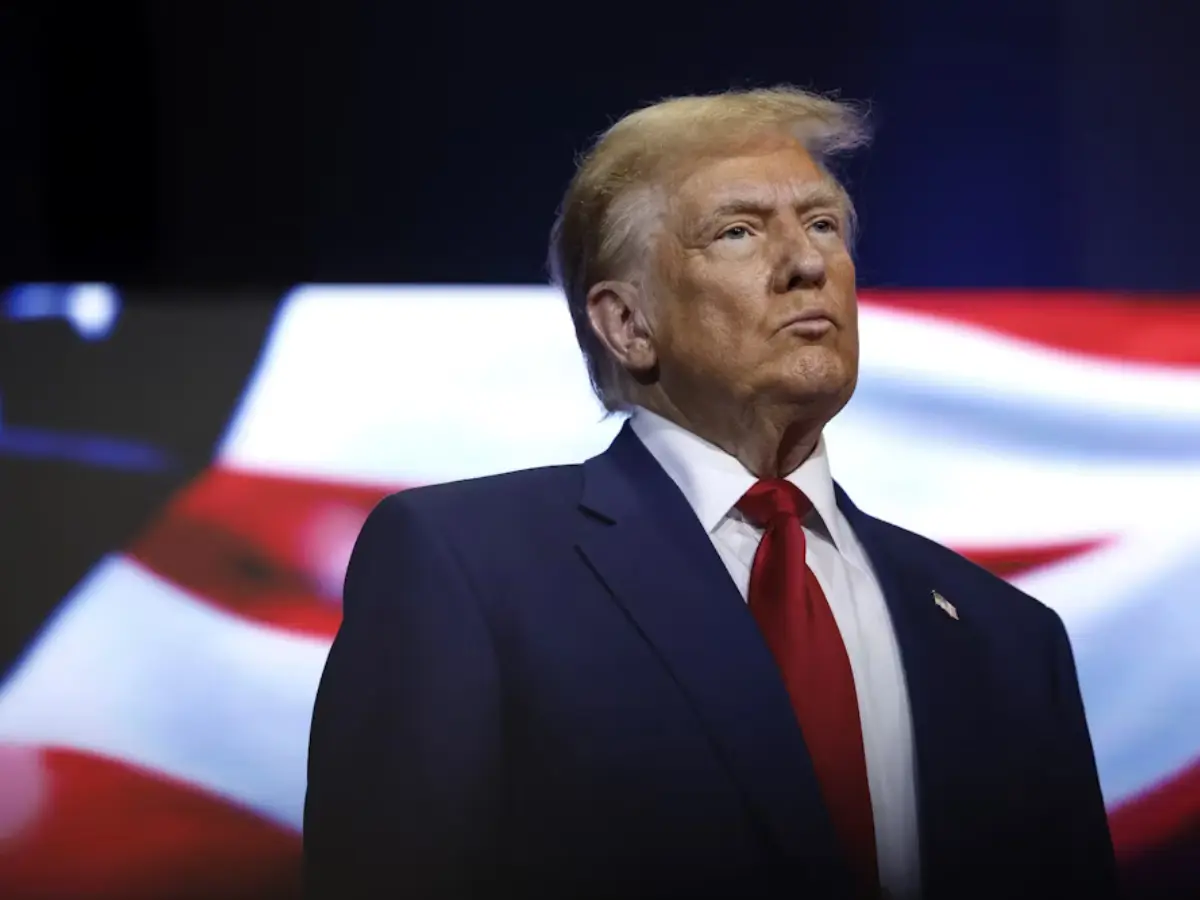
The collapse of the Geneva nuclear talks on February 26, 2026, without an agreement marked a tragic end to months of high-stakes mediation. While Omani mediators initially reported "significant progress," the dialogue ultimately shattered over irreconcilable demands. Mediators later announced that further technical-level negotiations will be held next week in Vienna, but the talks are likely to get further delayed as the US-Israel launched an attack on Iran on February 28, 2026.
Nuclear rights
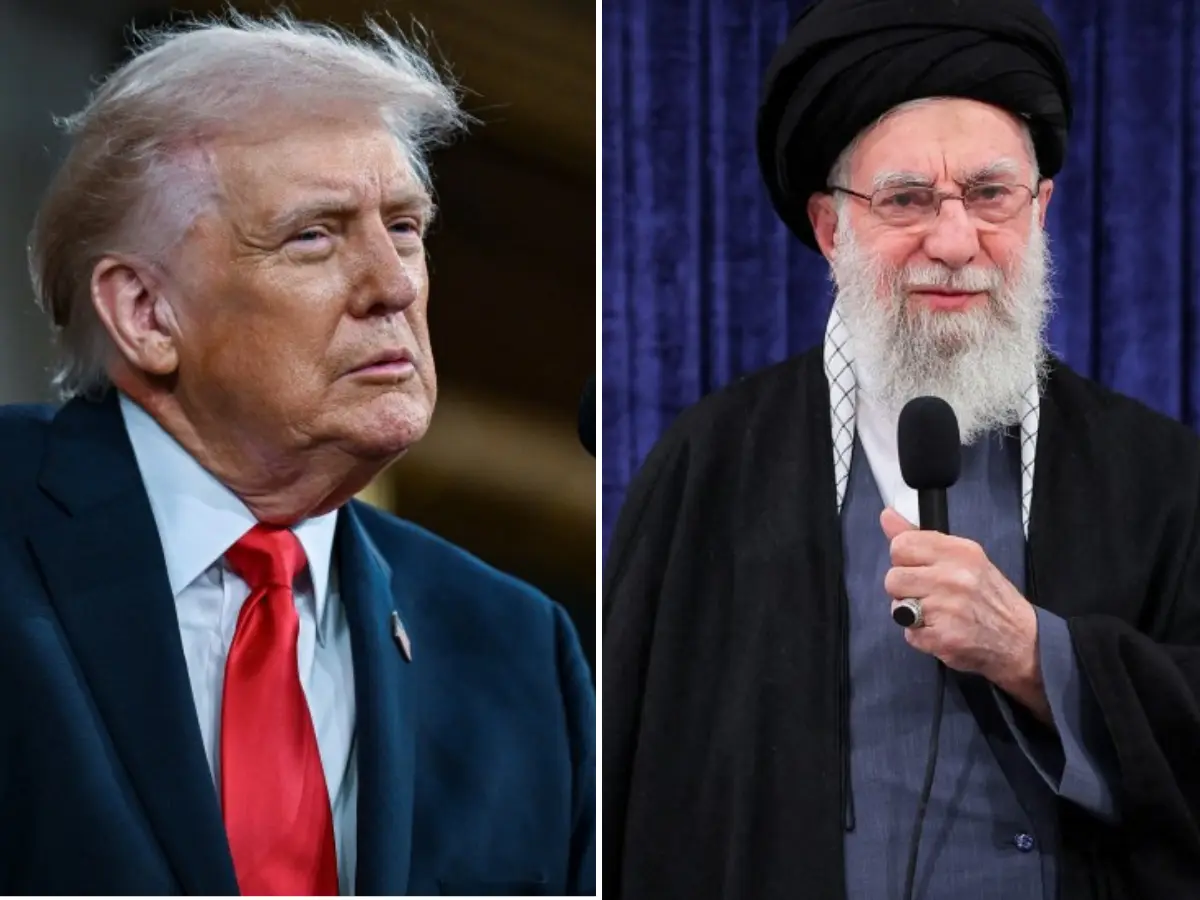
During the nuclear talks in Geneva, President Trump’s administration insisted on the total dismantlement of Iranian facilities at Fordow and Natanz, alongside the permanent removal of all enriched uranium. Tehran, however, refused to surrender its "nuclear rights," viewing the US proposal as a demand for unconditional surrender rather than a fair diplomatic compromise.
Sunset-free clauses
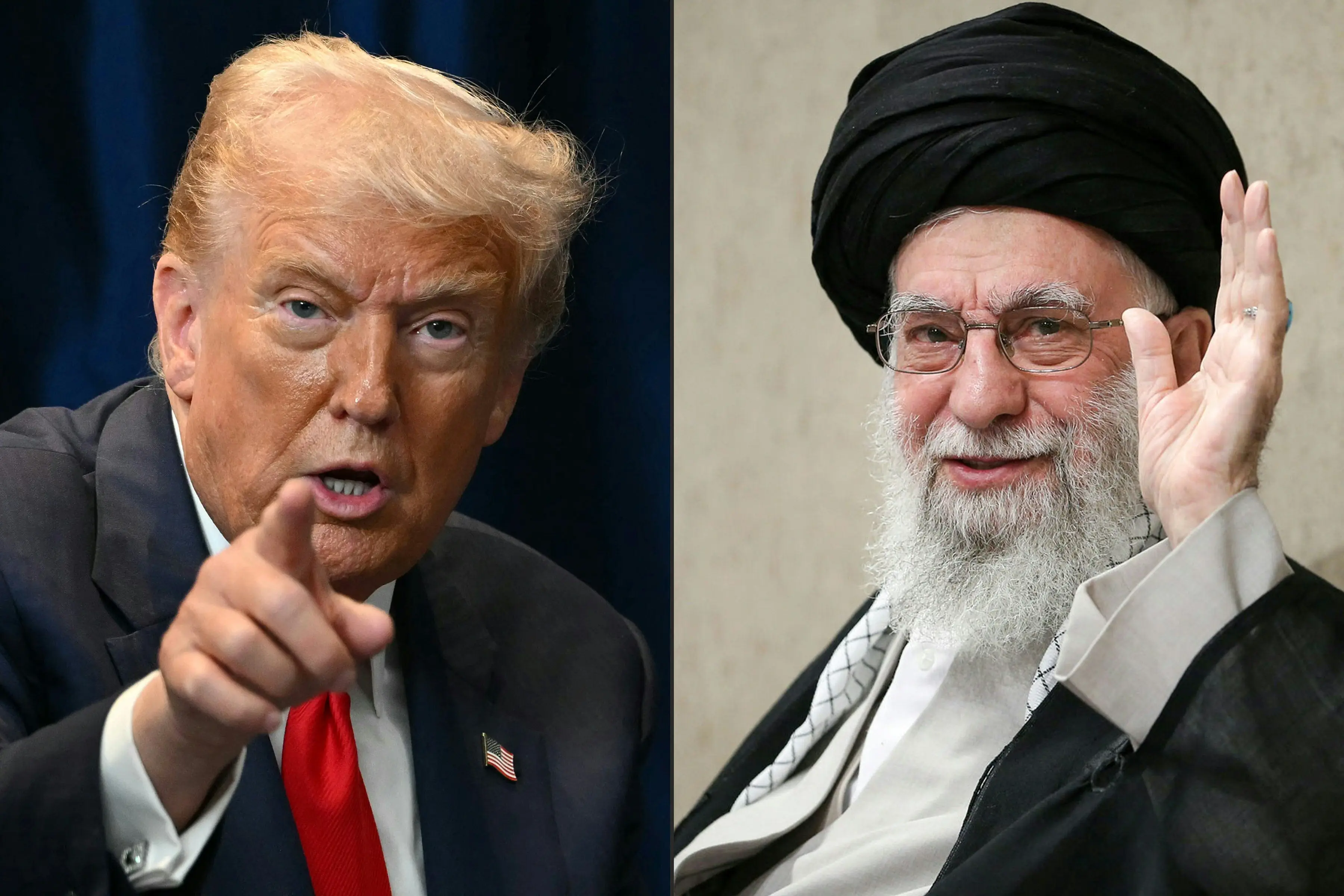
The atmosphere in Geneva turned toxic within 48 hours as both sides dug into their red lines. US negotiators expressed deep disappointment when Iran rejected "sunset-free" clauses and a permanent ban on enrichment. Concurrently, the administration of Trump's public rhetoric shifted toward military readiness, citing intelligence that Iran was secretly reviving its weapons program. By the time the parties walked away on Friday, the diplomatic "window" had been replaced by a "war footing," with a massive naval armada already positioned in the Persian Gulf.
Operation Epic Fury
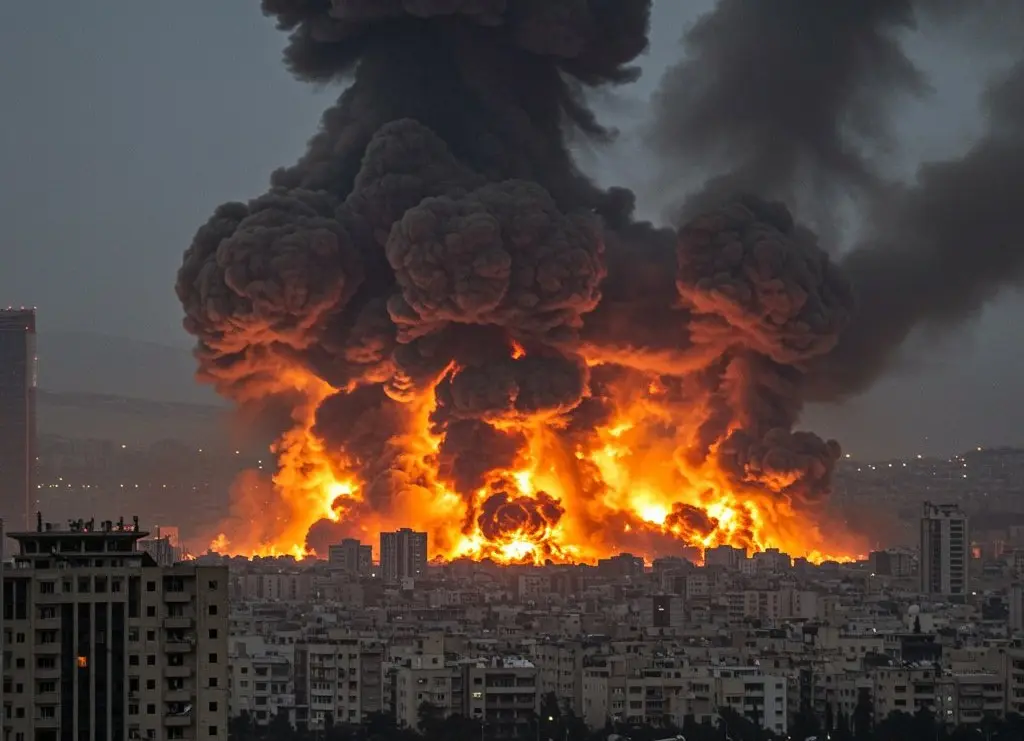
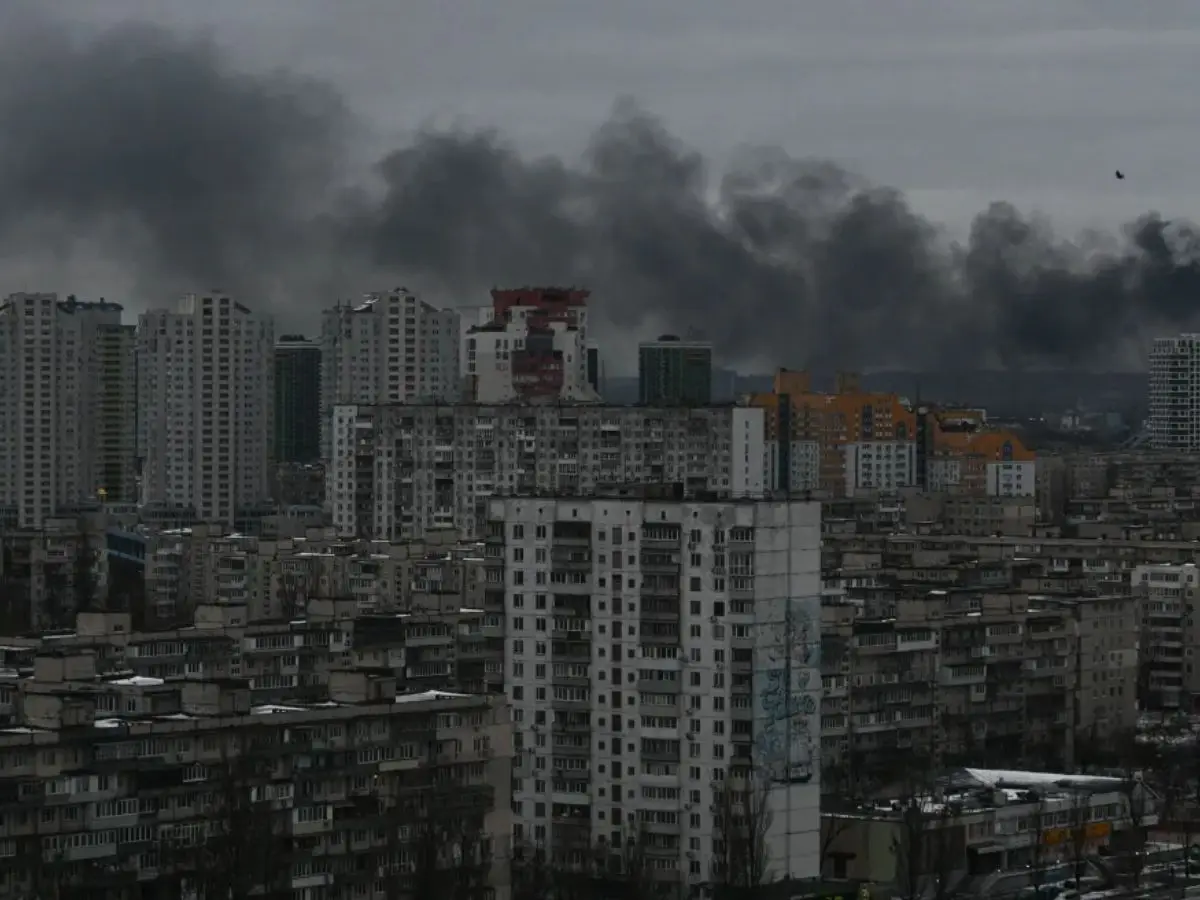
On the morning of February 28, 2026, the United States and Israel launched "Operation Epic Fury," a daylight offensive designed to maximise tactical surprise. This joint campaign targeted not only nuclear infrastructure but also high-level command centres in Tehran. By hitting the district housing the Supreme Leader’s office and the National Security Council, the coalition signalled that the objective had evolved beyond non-proliferation into a concerted effort toward regional regime change.
Psychological warfare
Shortly after the strikes began, President Trump urged the Iranian people in a video to "take over" their government, promising immunity to any military personnel who laid down their arms. This psychological warfare coincided with a near-total internet blackout across Iran, hampering the regime's ability to coordinate a defence.
Operation Roaring Lion
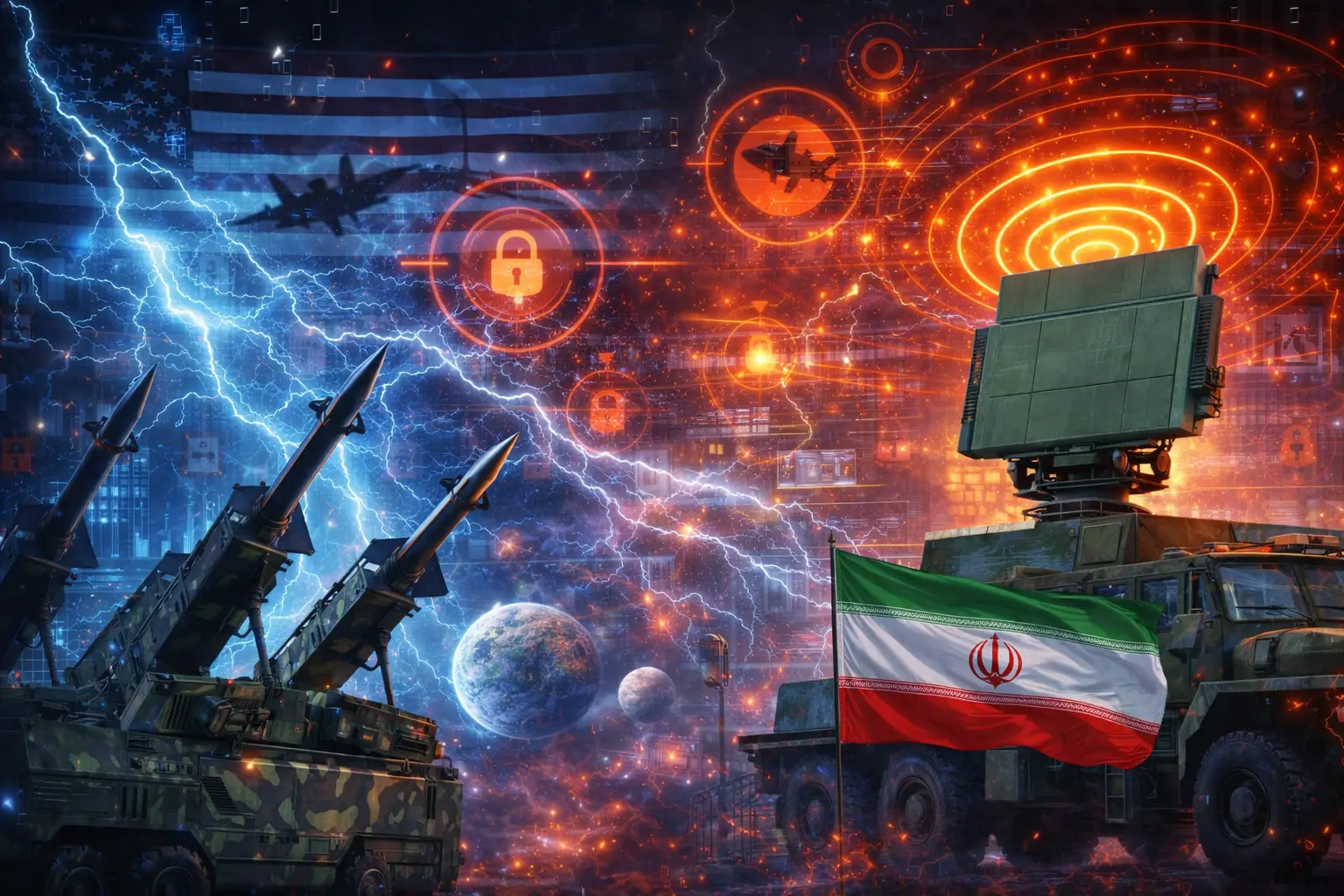
In retaliation, Iran responded by launching "Operation Roaring Lion," firing missile barrages at US bases in Bahrain, Qatar, and Kuwait. These retaliatory strikes have caused civilian casualties in Abu Dhabi and triggered the closure of several national airspaces. Saudi Arabia and other Gulf states have condemned the escalation, fearing a "weeks-long" campaign that could permanently destabilise the global energy market.
Failed attempt to prevent war
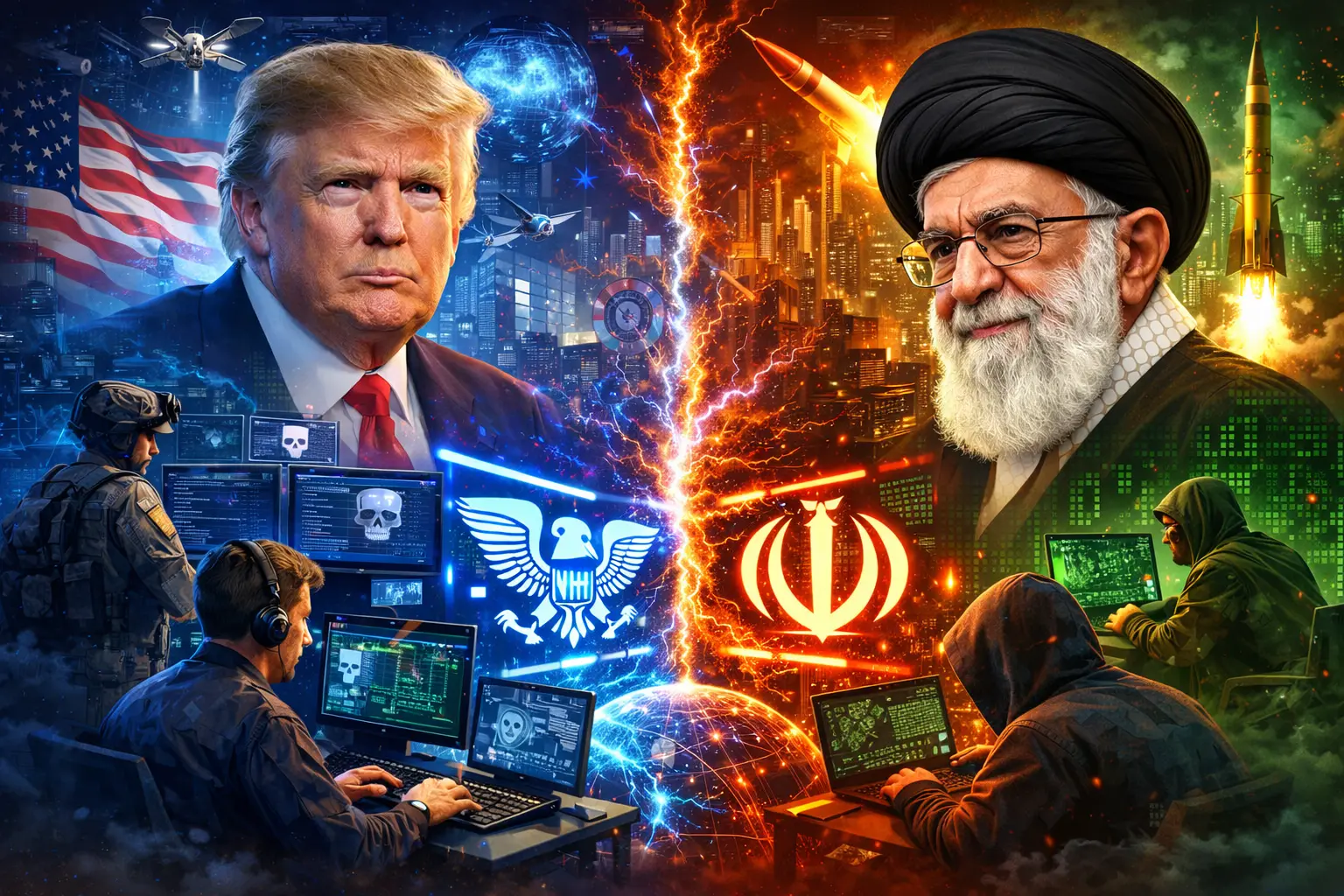
The Geneva talks are now viewed by historians as a mere prelude to the current conflict, a final, failed attempt to prevent a war that many now believe was inevitable. With both sides vowing a "crushing response," the Middle East has entered its most volatile chapter since the turn of the century.
)
)
)
)
)