Deadly to devastating: 6 thermobaric bombs that turn air into a weapon of war

From shoulder-fired rockets to giant air-dropped bombs, here are the world’s most powerful thermobaric weapons, ranked from deadly to devastating.
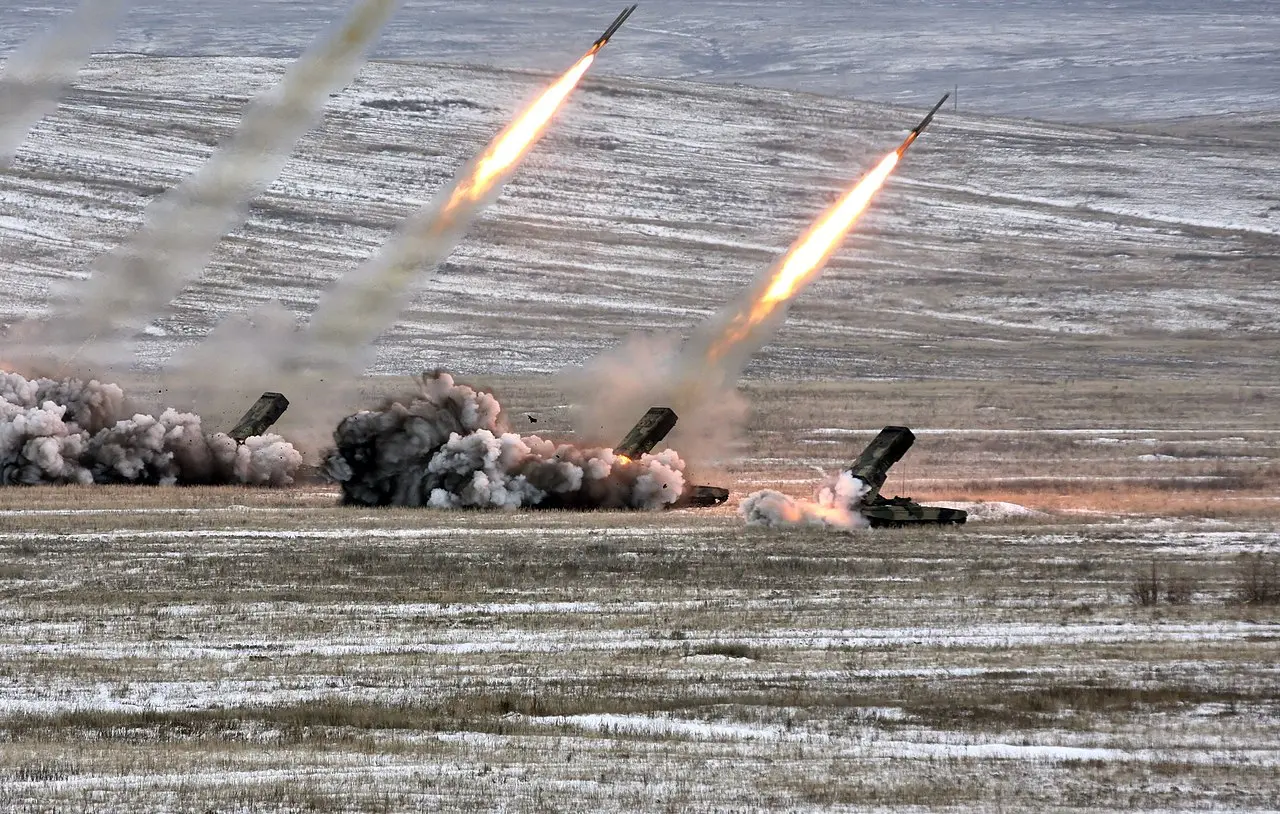
Introduction: when air itself becomes a weapon
Thermobaric, or fuel-air, explosives are among the most fearsome non-nuclear weapons ever created. Instead of relying solely on chemical compounds inside the bomb, they disperse a fine aerosol of fuel into the air and then ignite it. The result is an immense fireball and a long, crushing pressure wave that consumes oxygen and obliterates enclosed spaces. From shoulder-fired rockets to giant air-dropped bombs, here are the world’s most powerful thermobaric weapons, ranked from deadly to devastating.
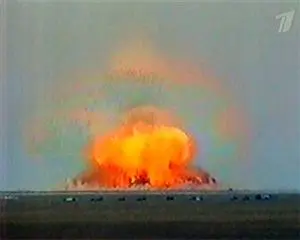
1. Russia’s Aviation Thermobaric Bomb of Increased Power (FOAB)
Nicknamed the 'Father of All Bombs,' Russia’s FOAB is claimed to be the largest and most destructive thermobaric weapon ever tested. Detonated in 2007, it reportedly produced a blast equal to 44 tonnes of TNT, four times the yield of America’s MOAB. Dropped from a strategic aircraft, it creates a fireball radius of several hundred metres and generates temperatures twice as high as conventional explosives. Although independent verification is scarce, it remains the benchmark of thermobaric power.
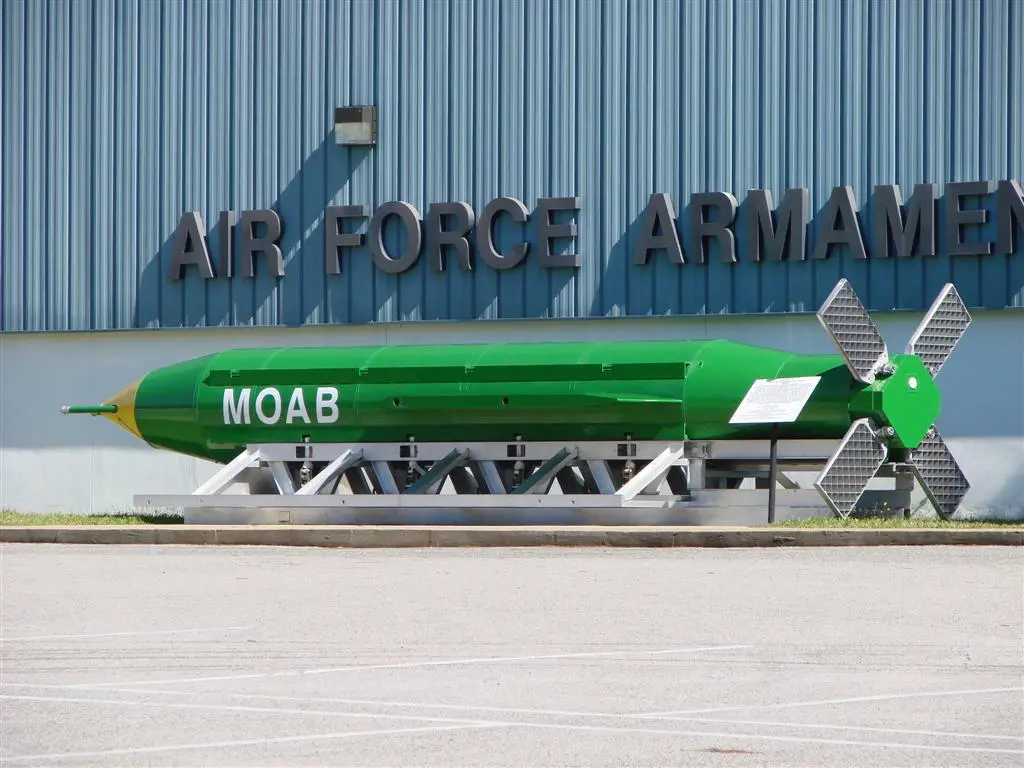
2. The United States’ BLU-82 and GBU-43/B MOAB
Before Russia’s FOAB, the US developed its own massive conventional bomb, the Massive Ordnance Air Blast (MOAB). Weighing 9,800 kg, it produces a yield equivalent to about 11 tonnes of TNT and was famously used in Afghanistan in 2017 against ISIS tunnel networks. Its predecessor, the BLU-82 ‘Daisy Cutter’, was employed during the Vietnam War to clear jungles and create landing zones, using a similar fuel-air detonation principle.
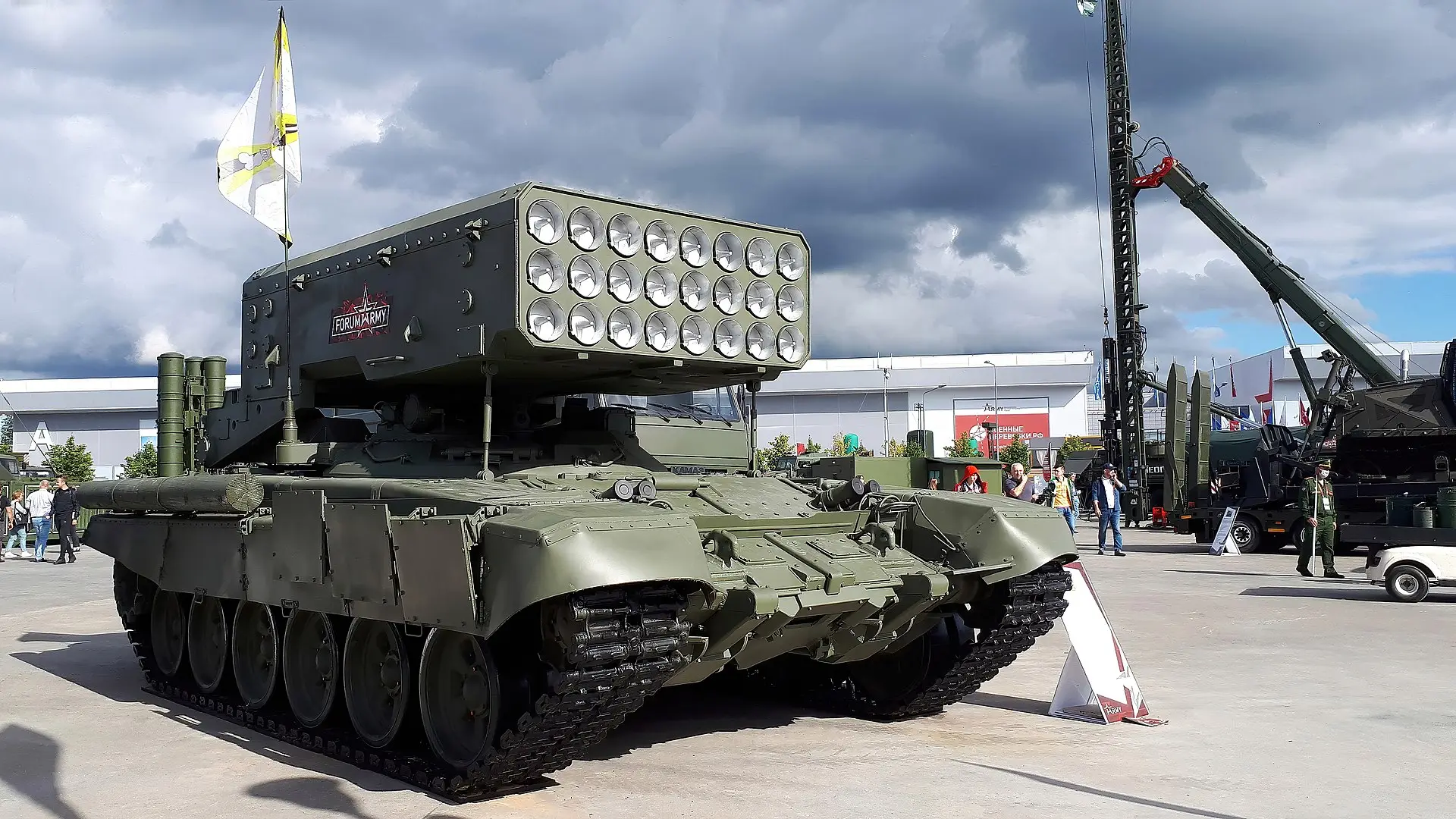
3. Russia’s TOS-1A 'Solntsepyok' Rocket System
Unlike the single-use FOAB, the TOS-1A is a battlefield weapon, a multiple rocket launcher mounted on a T-72 tank chassis. Each rocket carries a thermobaric warhead capable of blanketing a wide area in fire and pressure. With a range of up to 6 km, it has been used in Chechnya, Syria and Ukraine, devastating fortifications and urban strongholds.
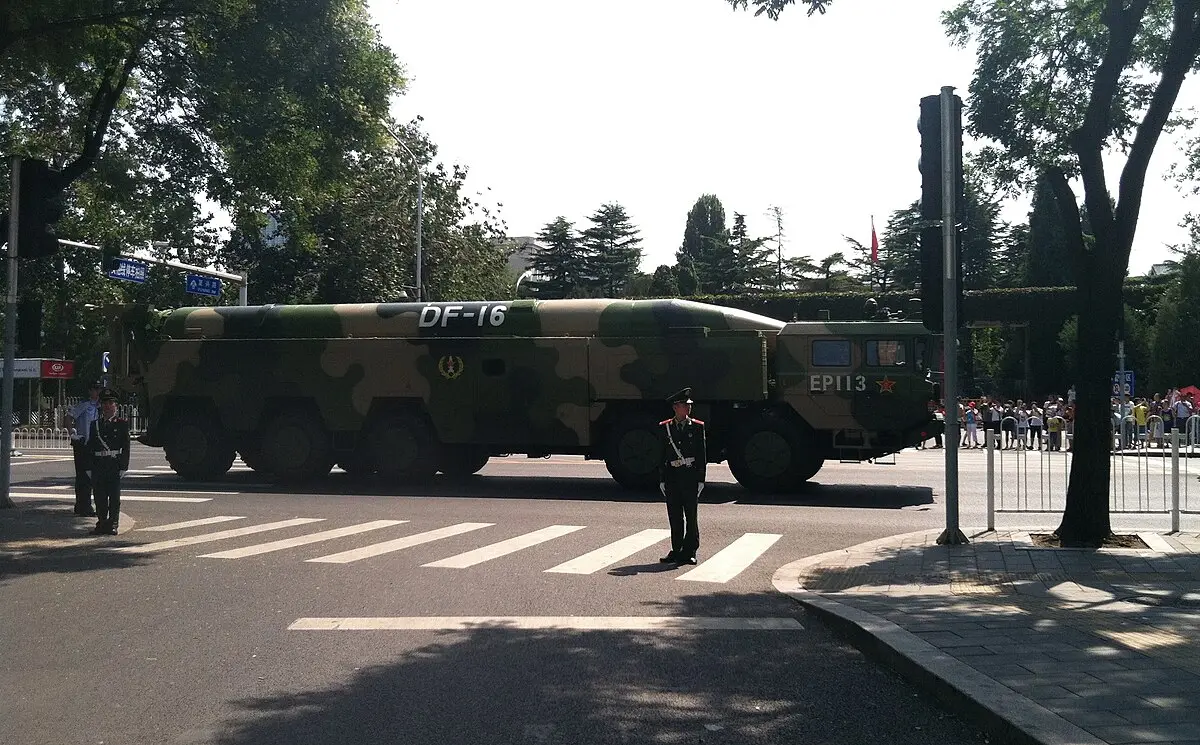
4. China’s DF-16B and Thermobaric Warhead Developments
China has invested heavily in fuel-air warhead technology, integrating it into short- and medium-range missile systems such as the DF-16B. These warheads are designed to destroy bunkers and airfields without resorting to nuclear arms, signalling Beijing’s pursuit of powerful yet 'conventional' deterrence.
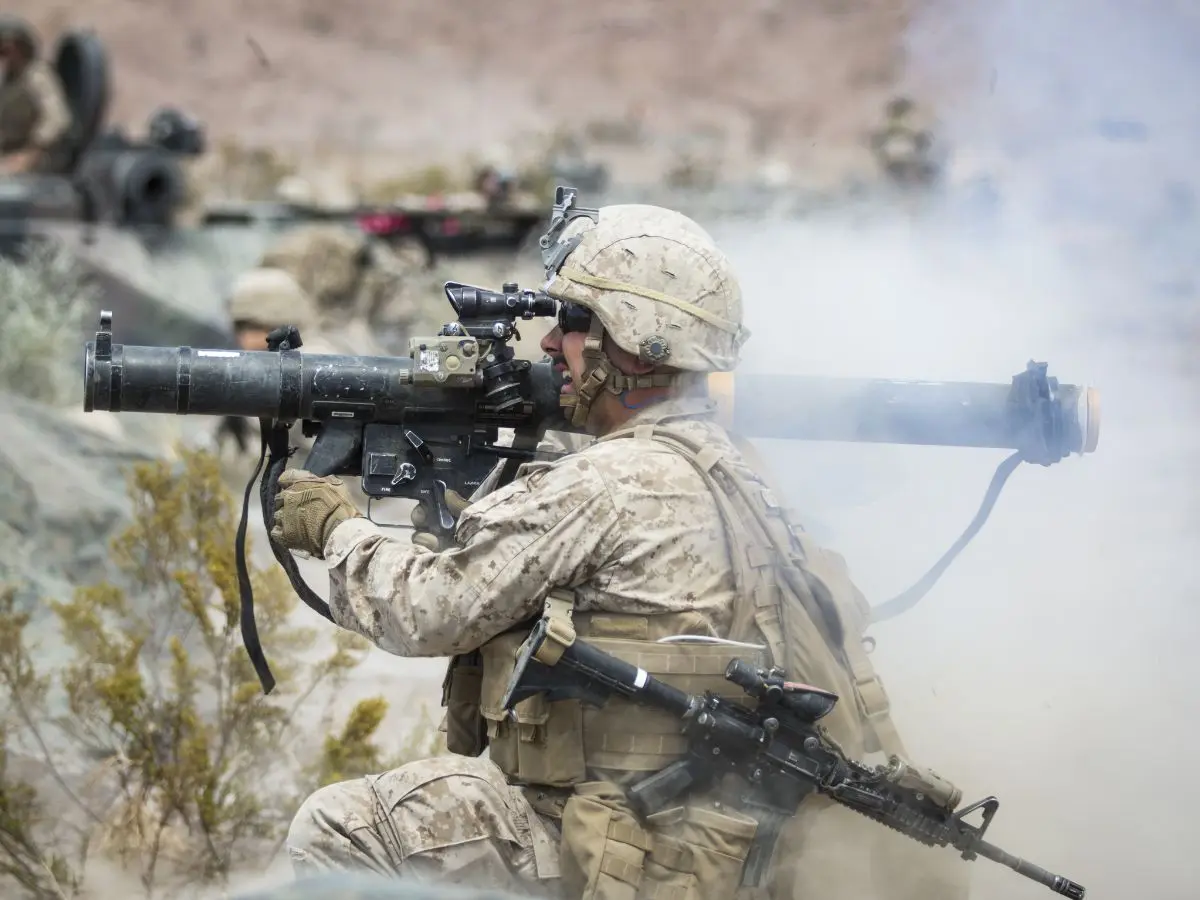
5. The US SMAW-NE and Russian RPO-A Shmel, portable firestorms
At the tactical level, thermobaric effects have been miniaturised into man-portable launchers. The US SMAW-NE (Shoulder-launched Multipurpose Assault Weapon, Novel Explosive) and Russia’s RPO-A Shmel both deliver fuel-air blasts capable of destroying bunkers or rooms with a single shot. Their widespread use demonstrates how thermobaric technology now spans from infantry weapons to strategic bombs.
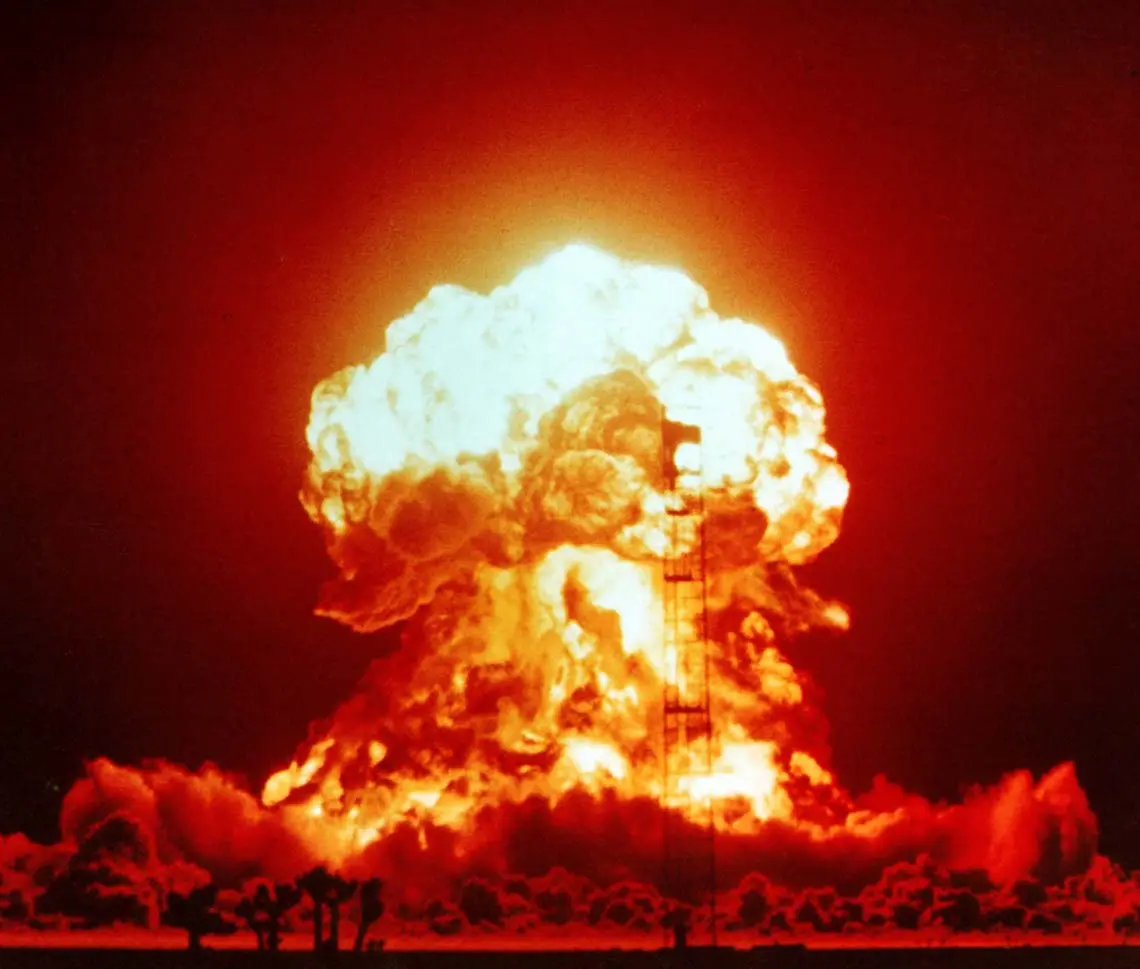
Conclusion: the thin line before nuclear
Thermobaric weapons sit at the upper limit of conventional firepower. They achieve near-nuclear devastation without radiation, yet their effects are indiscriminate, making them deeply controversial under humanitarian law. As nations refine these ‘vacuum bombs,’ the boundary between tactical necessity and moral restraint grows ever thinner.
)
)
)
)
)