Deadlines, destruction and diplomacy: A timeline of US-Israel-Iran war

The United States and Iran agreed to a ceasefire after 38 days of war, following strikes, Gulf escalation, and the Strait of Hormuz crisis. Here is a timeline of how events unfolded in West Asia.
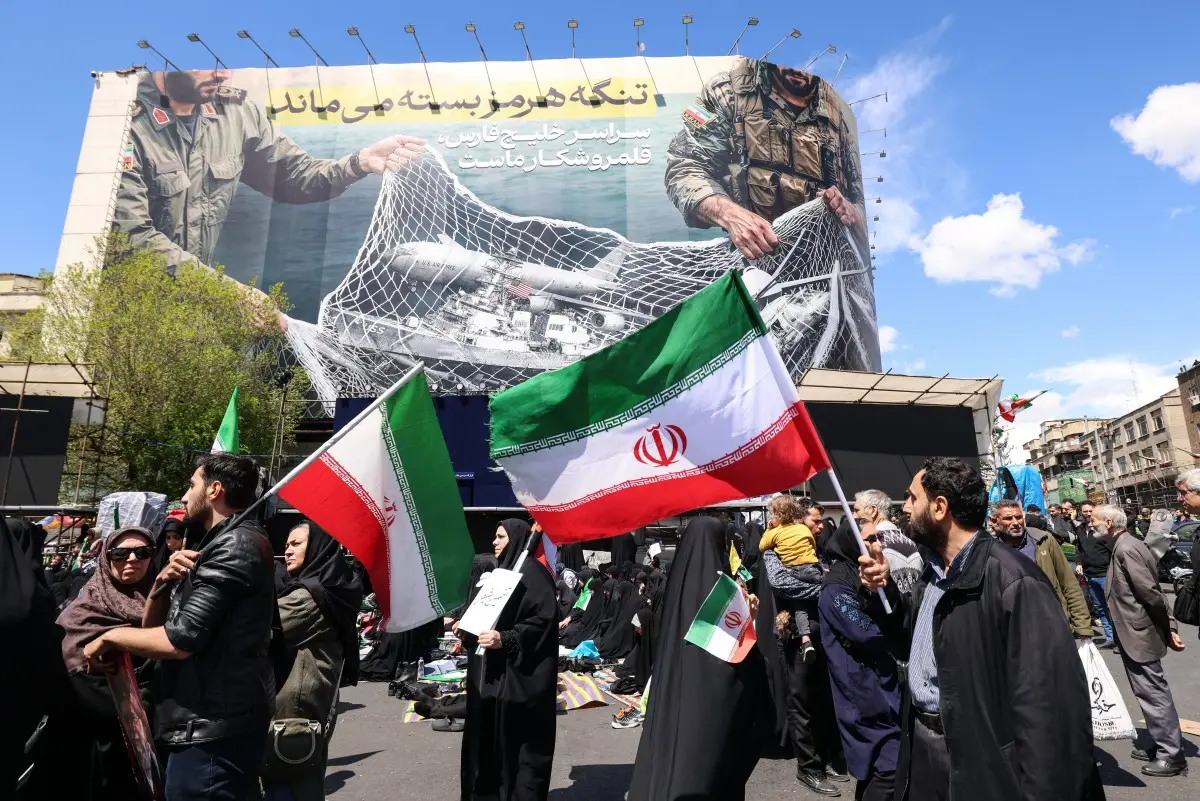
US-Israel-Iran war timeline
On Wednesday (Apr 8), the US and Iran agreed to a ceasefire following a last-minute diplomatic push by Pakistan. The announcement came just about 90 minutes before US President Donald Trump’s deadline to destroy Iran’s “whole civilisation” if Tehran failed to open the Strait of Hormuz. As the West Asia war comes to an end, here is a timeline of key events of the war.
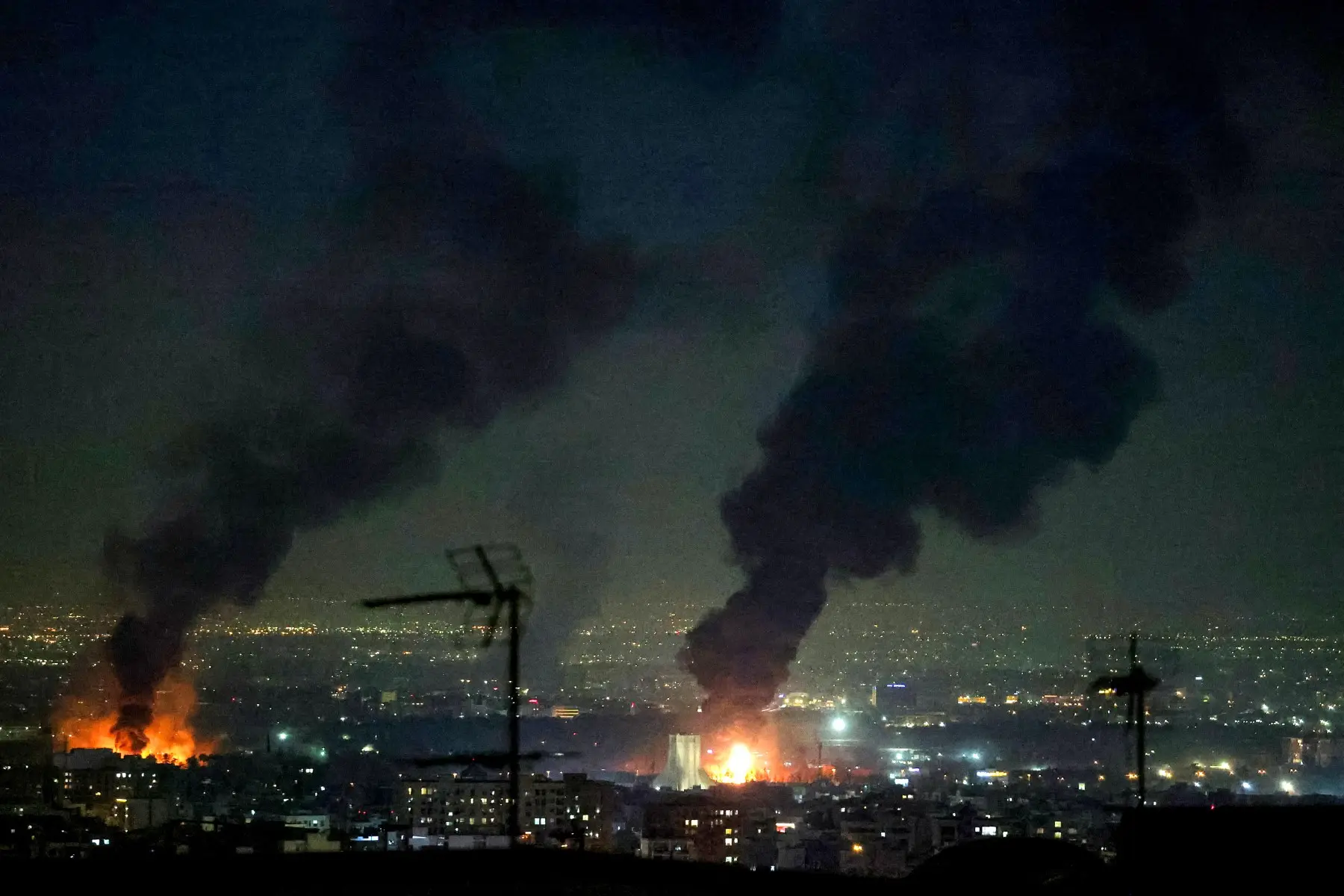
February 28: US-Israel strike Iran
The war in West Asia began on February 28 when the US and Israeli military launched strikes on Iran, killing Iran’s supreme leader Ali Khamenei and several other top Iranian officials. The operation was named ‘Epic Fury’ by the US and ‘Lion’s Roar’ by Israel. The attacks came amid heightened tensions between Washington and Tehran and ongoing talks over Iran’s nuclear program. In retaliation, Iran launched attacks on Israel and US military bases in the Gulf region. Meanwhile, a girls’ school was hit by a strike in Minab, killing over 175 civilians.
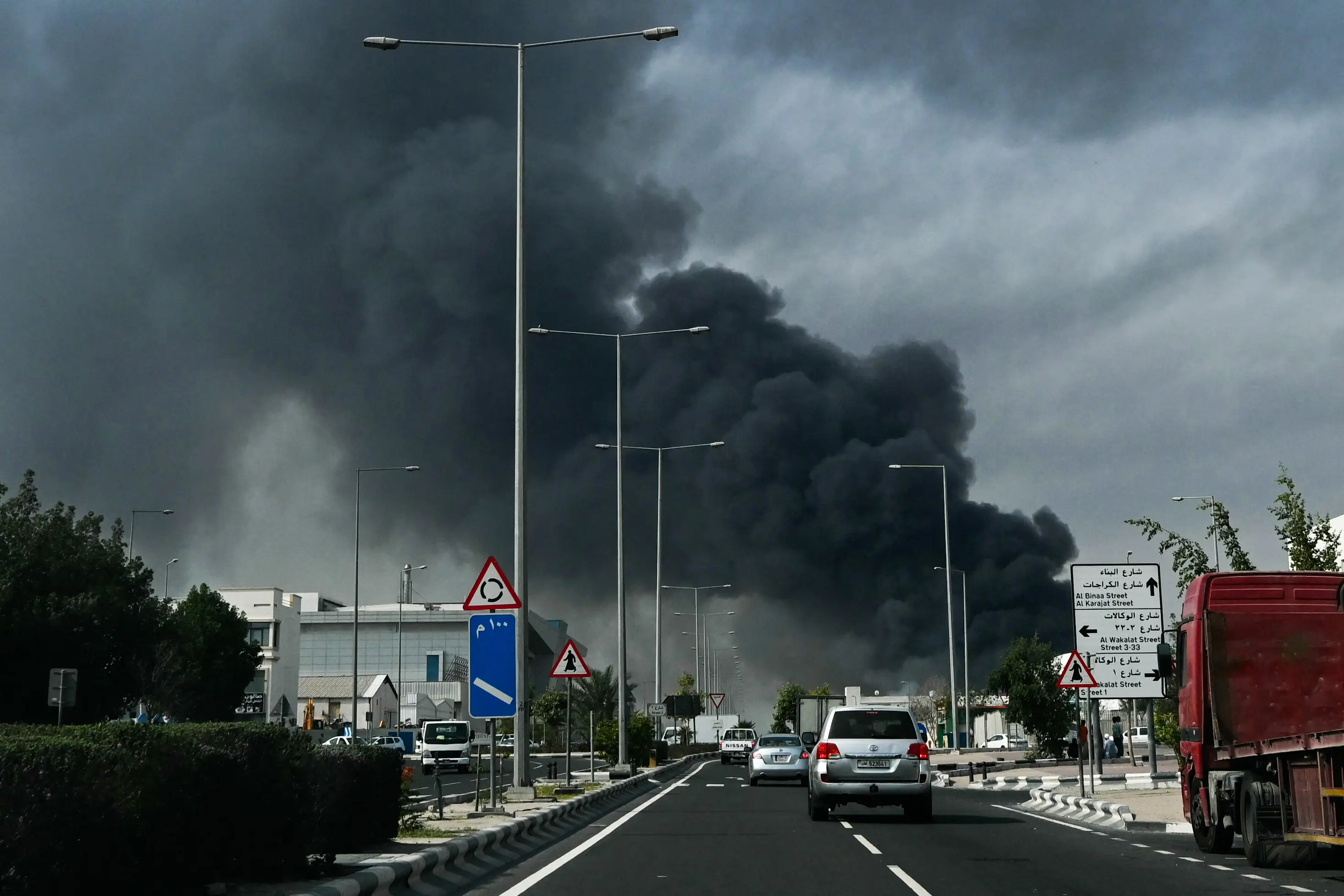
March 1: Iran war spills into Gulf
As Iran retaliated across the Gulf, six US troops were killed in Port Shuaiba, Kuwait, marking the first American casualties on March 1.
Hezbollah entered the war from Lebanon, expanding the conflict beyond Iran and Israel into a wider regional confrontation.
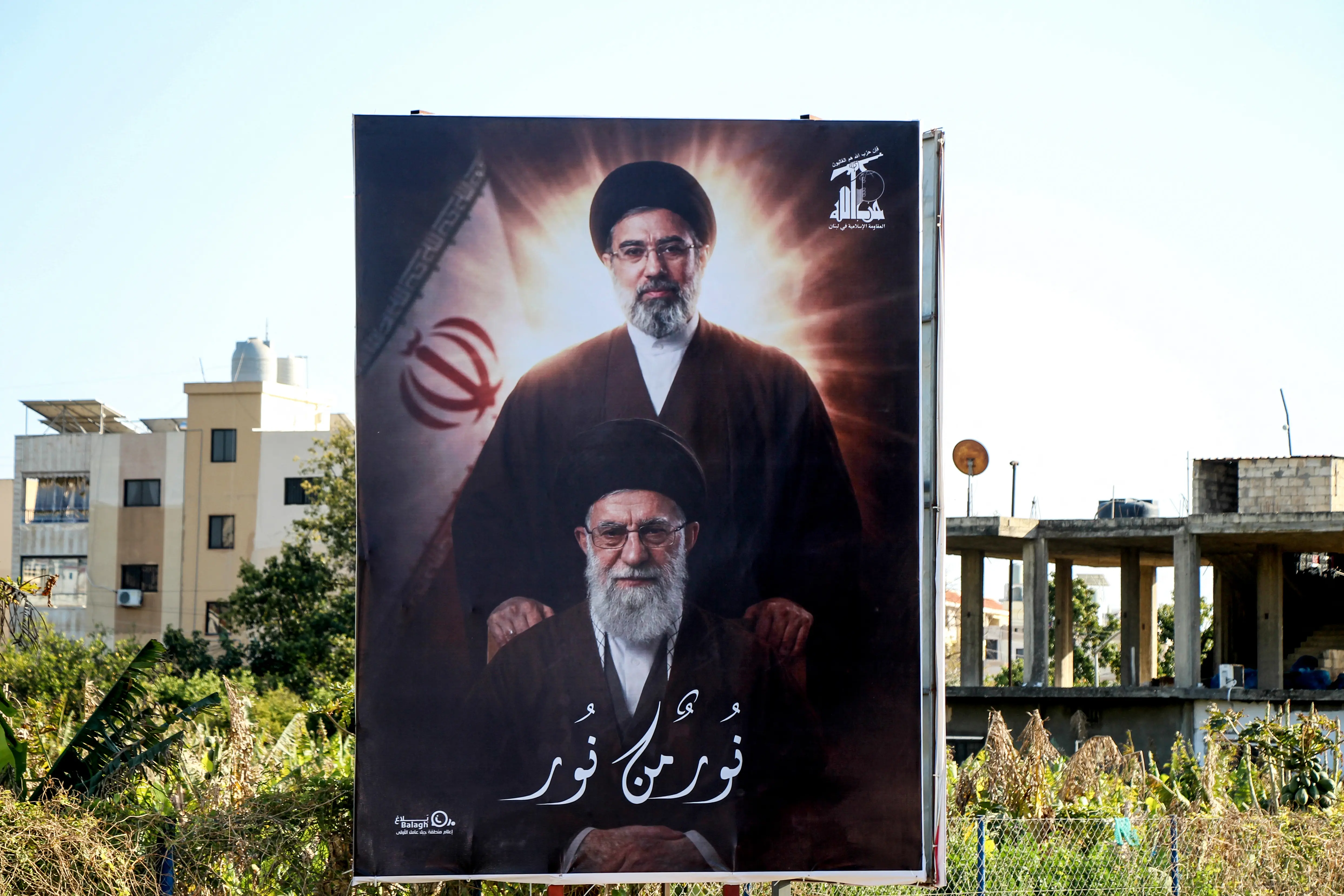
March 8: Mojtaba Khamenei named new supreme leader of Iran
Following the death of Ali Khamenei and several other top Iranian officials in US-Israeli strikes, Iran named his son, Mojtaba Khamenei, as its new supreme leader. However, since his appointment, he has not made any public appearances, raising suspicions about his well-being. Meanwhile, a recent report suggested that Mojtaba is unconscious after claims that he had been wounded in the same strikes that killed his father.
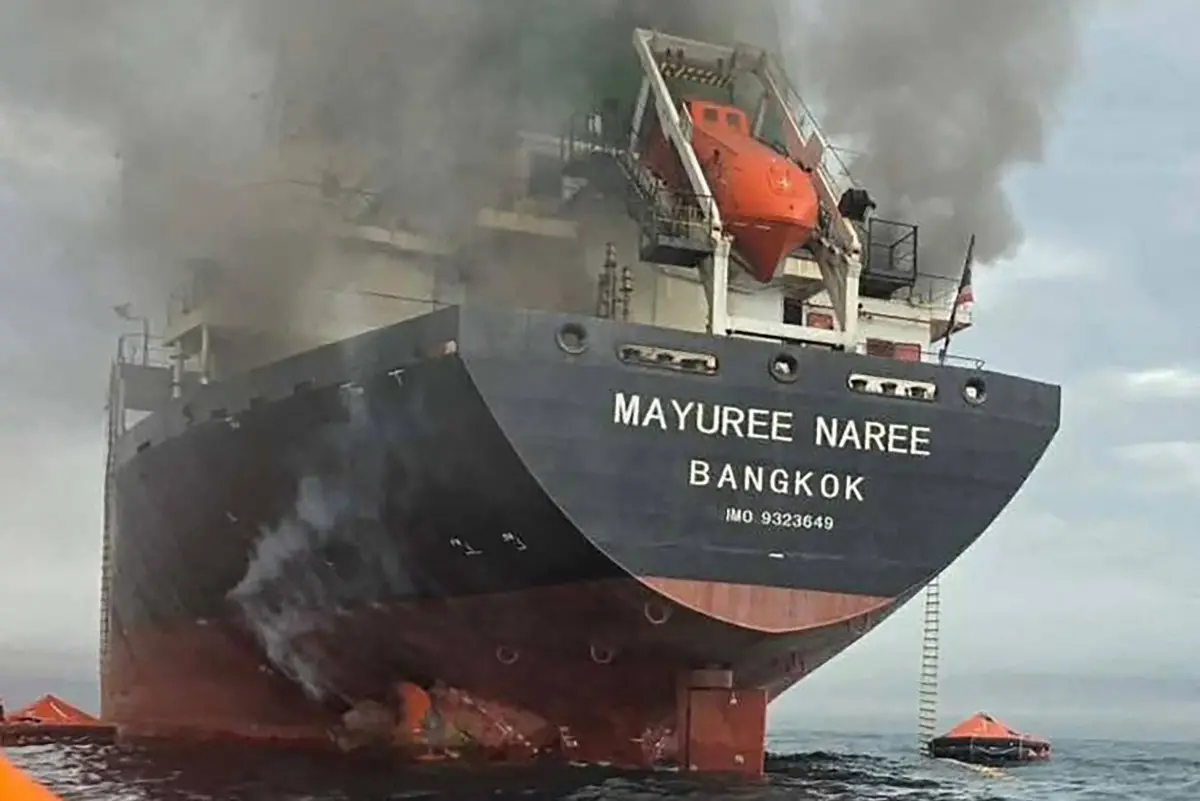
March 11: Strait of Hormuz crisis
As Iran intensifies attacks in the region, it blocks the Strait of Hormuz, targeting commercial vessels and threatening global oil flows. The disruption rattled energy markets worldwide, pushed oil prices higher, and raised fears of prolonged economic instability due to blocked shipping routes.
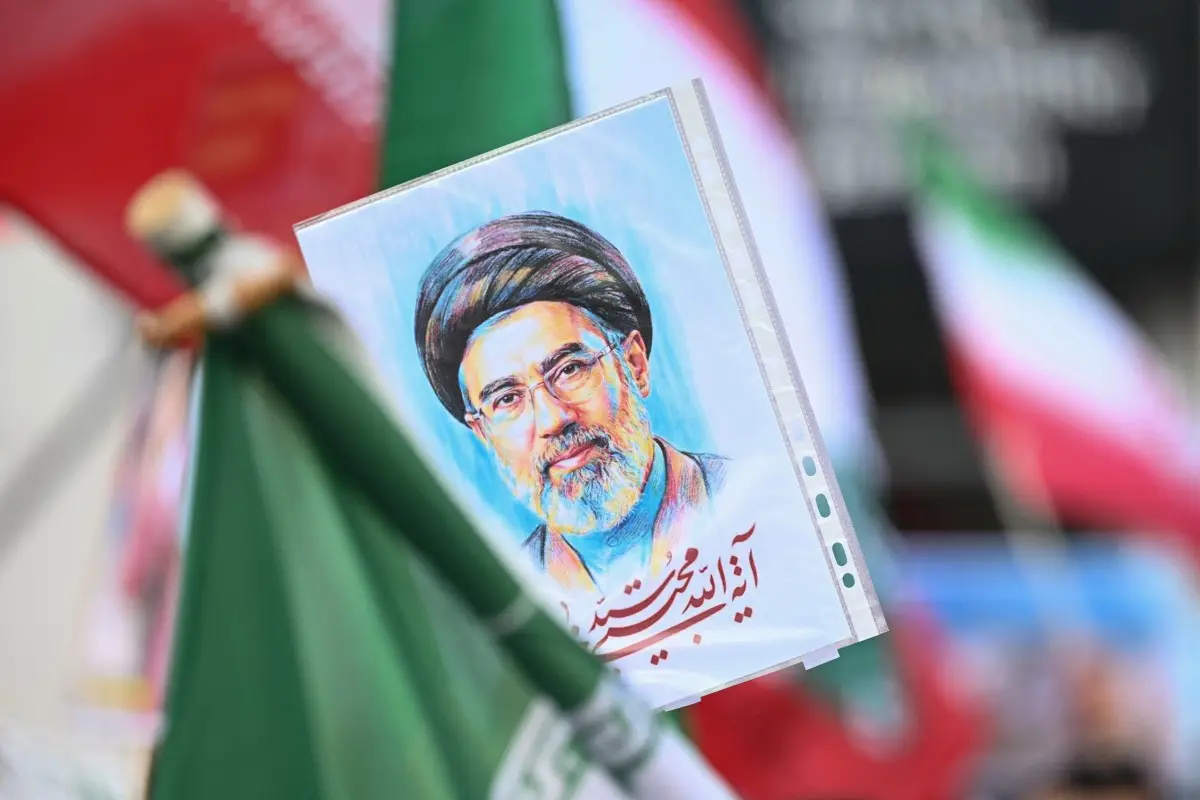
March 12: Mojtaba Khamenei issues first statement
Mojtaba Khamenei issued his first written statement since being named as the supreme leader. In a statement read on state television, Mojtaba called for national unity and urged citizens to participate in Quds Day events. Khamenei also said the closure of the Strait of Hormuz should continue as a means of pressuring Iran’s adversaries. He warned that all US bases in the region must be shut down immediately, adding that those facilities would be targeted. Meanwhile, a US KC-135 military refuelling aircraft crashed in Iraq killed six personnel, bringing American death toll to at least 13.
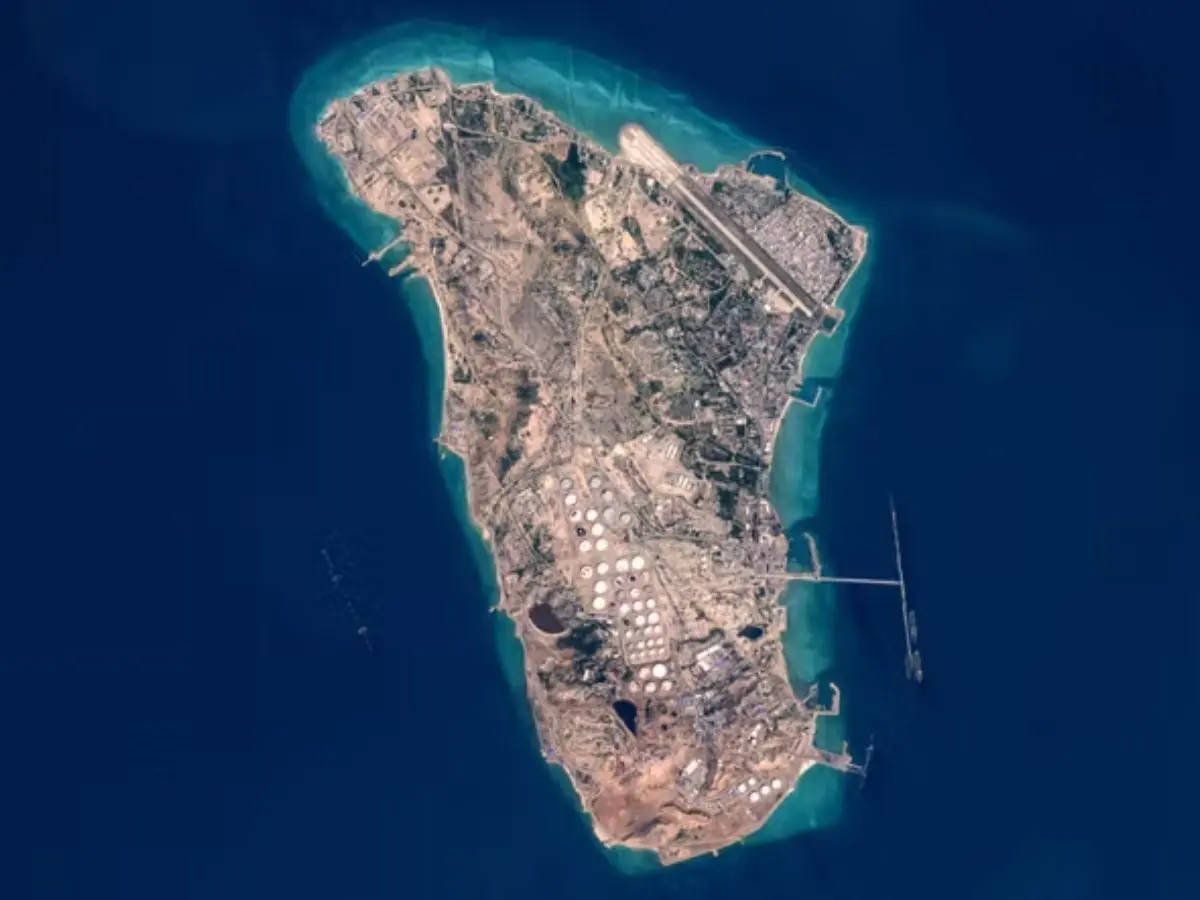
March 13: US targets Kharg Island
The US forces struck Kharg Island, Iran’s key oil export terminal located in the northern Persian Gulf. Despite being only a few kilometres long, it serves as the backbone of Iran’s oil export infrastructure, with nearly 85-90 per cent of the country’s crude exports passing through the terminal on this island before being shipped to global markets. Trump said that the US was striking military targets on Iran’s “crown jewel”. He added that “for reasons of decency”, he did not “wipe out” the oil infrastructure on the island. He further warned that he would reconsider his decision if Iran interfered with the passage of ships through the Strait of Hormuz. Iran later retaliated by striking key energy infrastructure across the Gulf.
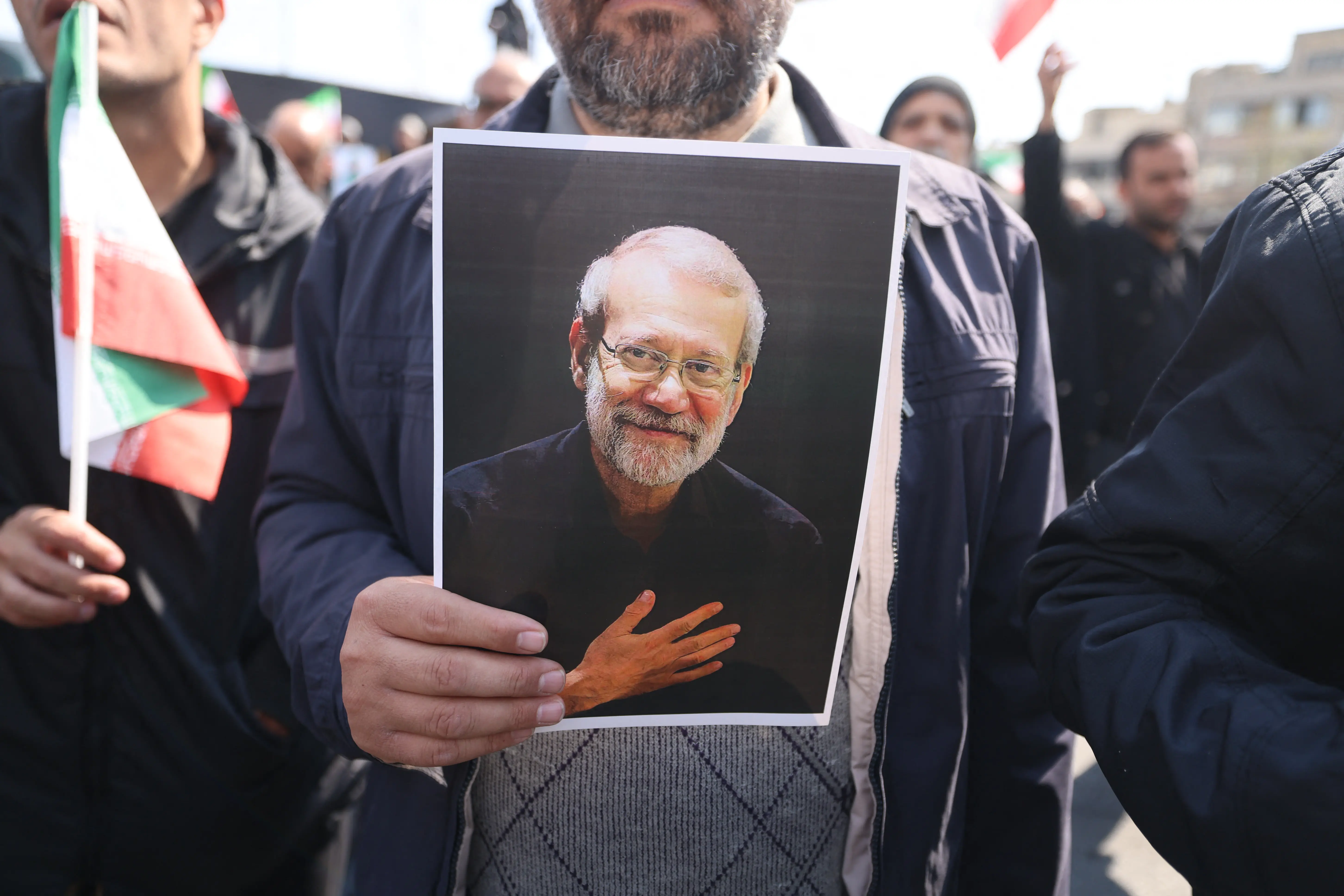
March 17: Israel kills Ali Larijani, Gholamreza Soleimani
Israeli strikes killed senior Iranian figures, including Ali Larijani, the head of the country’s National Security Council and Gholamreza Soleimani, the head of the Basij, a militia aligned with the Islamic Revolutionary Guards Corps.
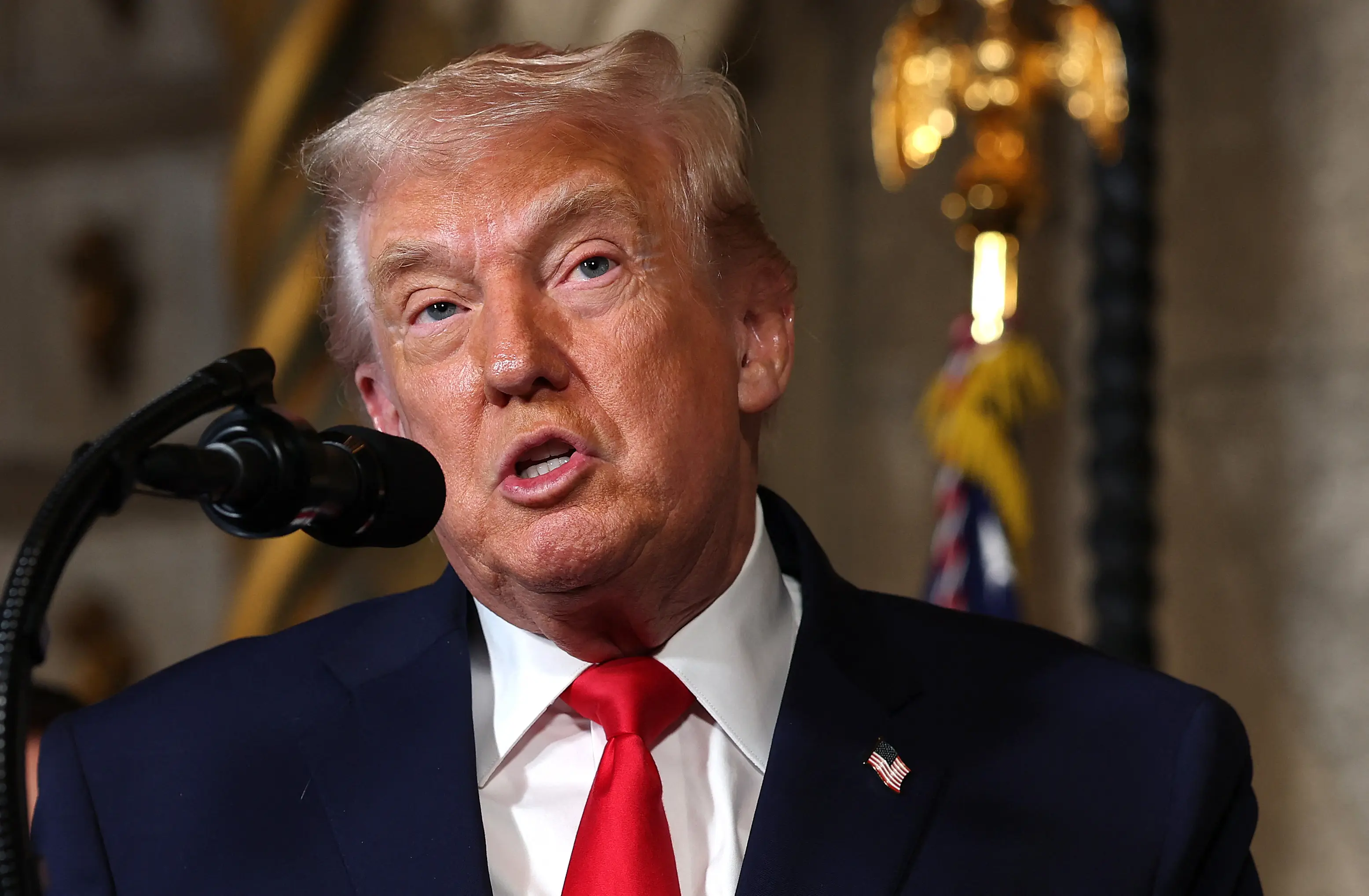
March 23: Trump claims talks ongoing
For the first time, Trump said that the United States and Iran were having discussions to end the war in West Asia. Since then, the US president has mentioned ongoing talks several times. However, Iran repeatedly rejected the claims of any ongoing negotiations and continued its attacks across the Gulf.
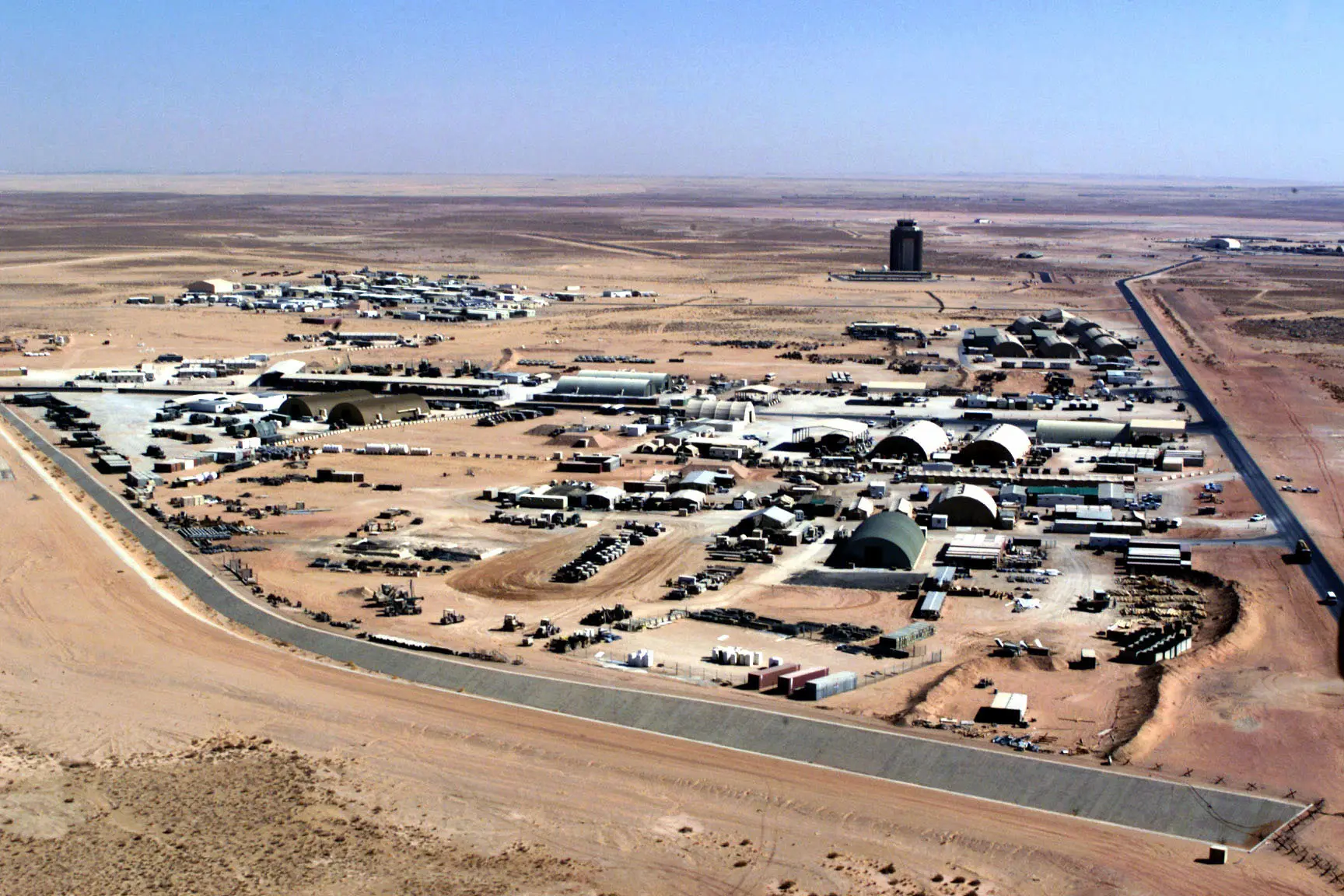
March 27, 28: Iran attacks Saudi Arabia’s Prince Sultan Air Base
An Iranian strike in Saudi Arabia’s Prince Sultan Air Base injured 12 US troops and destroyed some aircraft on March 27. The Following day, Houthis joined the conflict by launching missiles at Israel, transforming the war into a broader regional crisis involving multiple countries and armed groups.
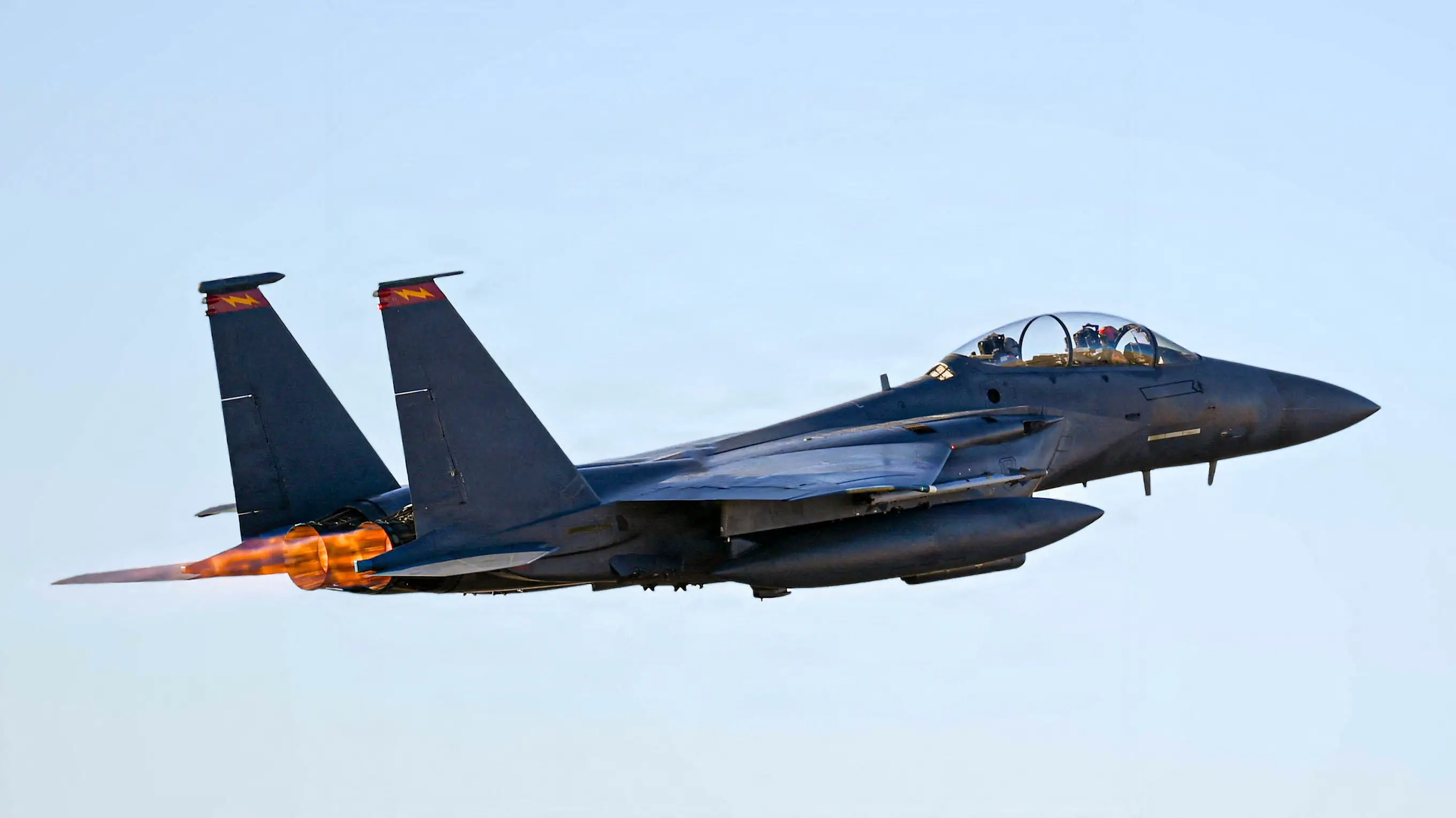
April 3: US F-15E shot down
A US F-15E Strike Eagle fighter jet was shot down over southern Iran, the first such incident since the start of the war. While the first pilot was rescued by the US forces earlier, the second had remained missing behind the enemy lines as American and Iranian forces raced to locate him. The crew member was rescued in a high-risk US operation involving hundreds of troops and dozens of aircraft from deep Iran.
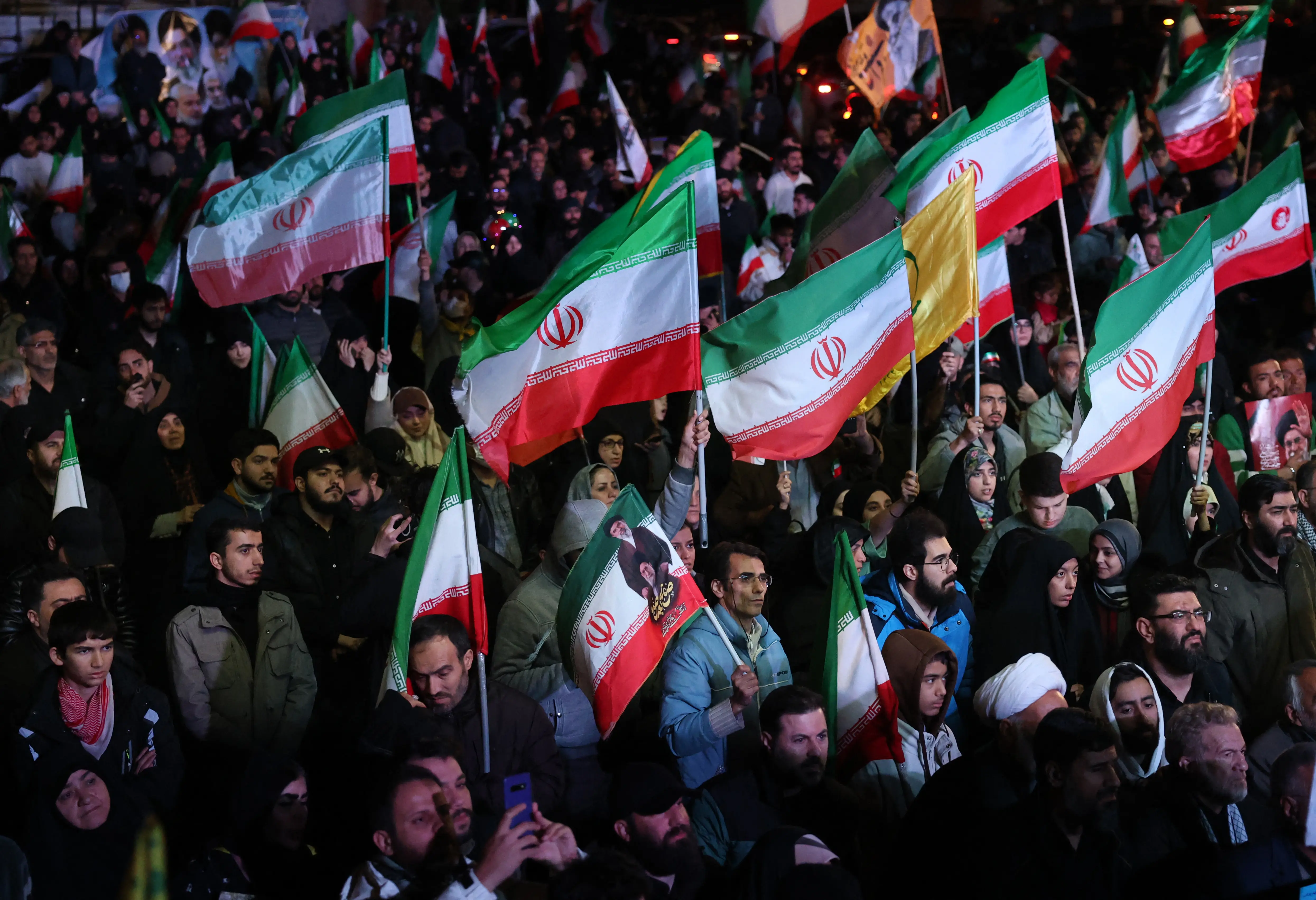
April 7: US-Iran reach ceasefire
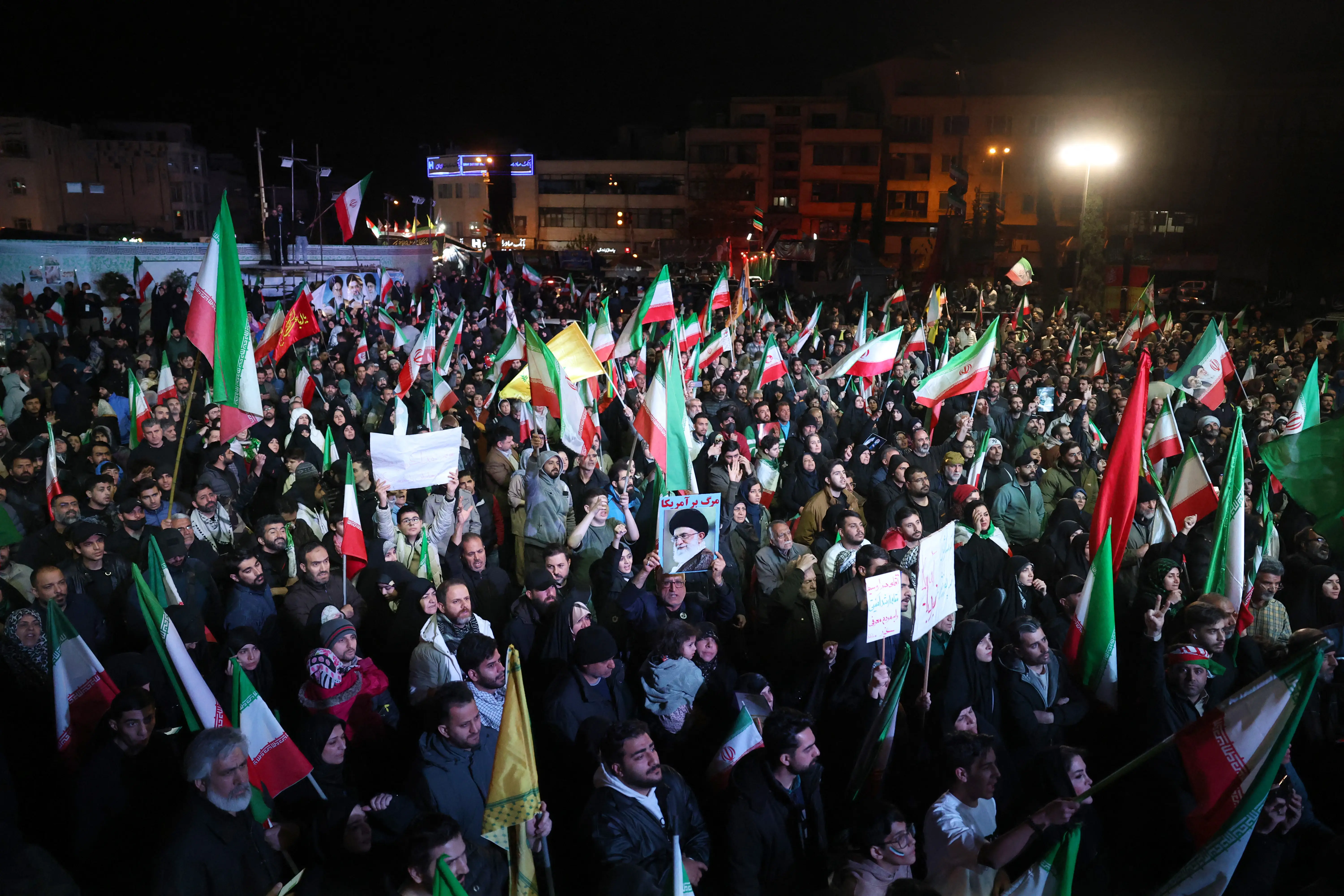
The United States and Iran agreed to a two-week ceasefire, barely an hour before US President Donald Trump’s deadline to destroy Iran’s “whole civilisation” if Tehran failed to open the Strait of Hormuz. The ceasefire came 38 days after the US-Israeli military campaign against Iran. Both Tehtan and Washington have claimed “victory” as the more than month-long conflict ended. Iranian Foreign Minister Seyed Abbas Araghchi said that the Islamic Republic’s armed forces would “cease defensive operations” if attacks against the country are stopped. He added that Iran would open the Strait of Hormuz and allow “safe passage” through it for the two-week period.
What’s next after US-Iran ceasefire?
Trump declared Tuesday (Apr 7) a “big day for World Peace” after a two-week ceasefire was announced following an agreement between the United States and Iran. Calling it “the Golden Age of the Middle East,” Trump said that Iran wanted this to happen as “they’ve had enough”. He added that the US will be helping the traffic buildup in the Strait of Hormuz that has been blocked by Tehran due to the war. The US president stated that Iran can start the reconstruction process, while the US will be loading up supplies and “hangin’ around” to make sure “everything goes well”.
)
)
)
)
)