The 7 deadliest earthquakes to strike Venezuela, from 1812 to 2026

From the catastrophic 1812 Caracas earthquake that claimed up to 20,000 lives to the deadly 2026 Yaracuy twin earthquakes, here's a look at the most destructive earthquakes in Venezuela's recorded history.

Caracas, Vargas- 1812
This is by far the deadliest earthquake in the history of Venezuela. It struck on March 26, at around 4:37 pm. It resulted in the death of 15,000- 20,000 people. The 7.7 magnitude seismic movement was so significant that it resulted in the creation of a new lake. Several river changed their course in the Caracass valley, and it was flooded with dirty water. The destruction was so widespread that Gazeta de Caracas suggested finding a new capital in the city of Catia.
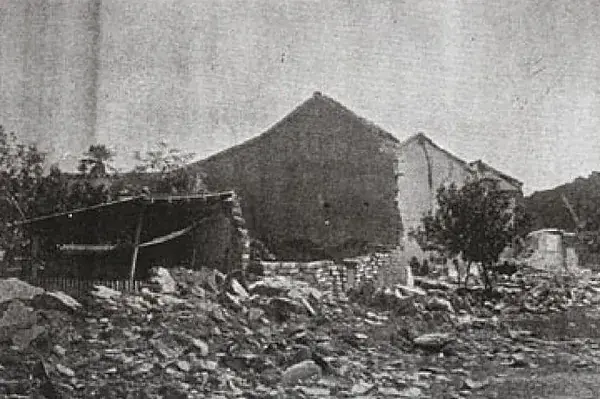
Miranda- 1900
Also known as the San Narciso earthquake, it had an epicentre at the Miranada city. Occurred on October 29, it had an estimated moment magnitude of 7.6–7.7. According to numbers from Soil Engineering and Engineering Geology Observations, it recorded 140 dead, 50+ injured. There were more than 250 aftershocks were recorded in the months that followed. Many huge cracks were recorded, some were as long as 300 meters
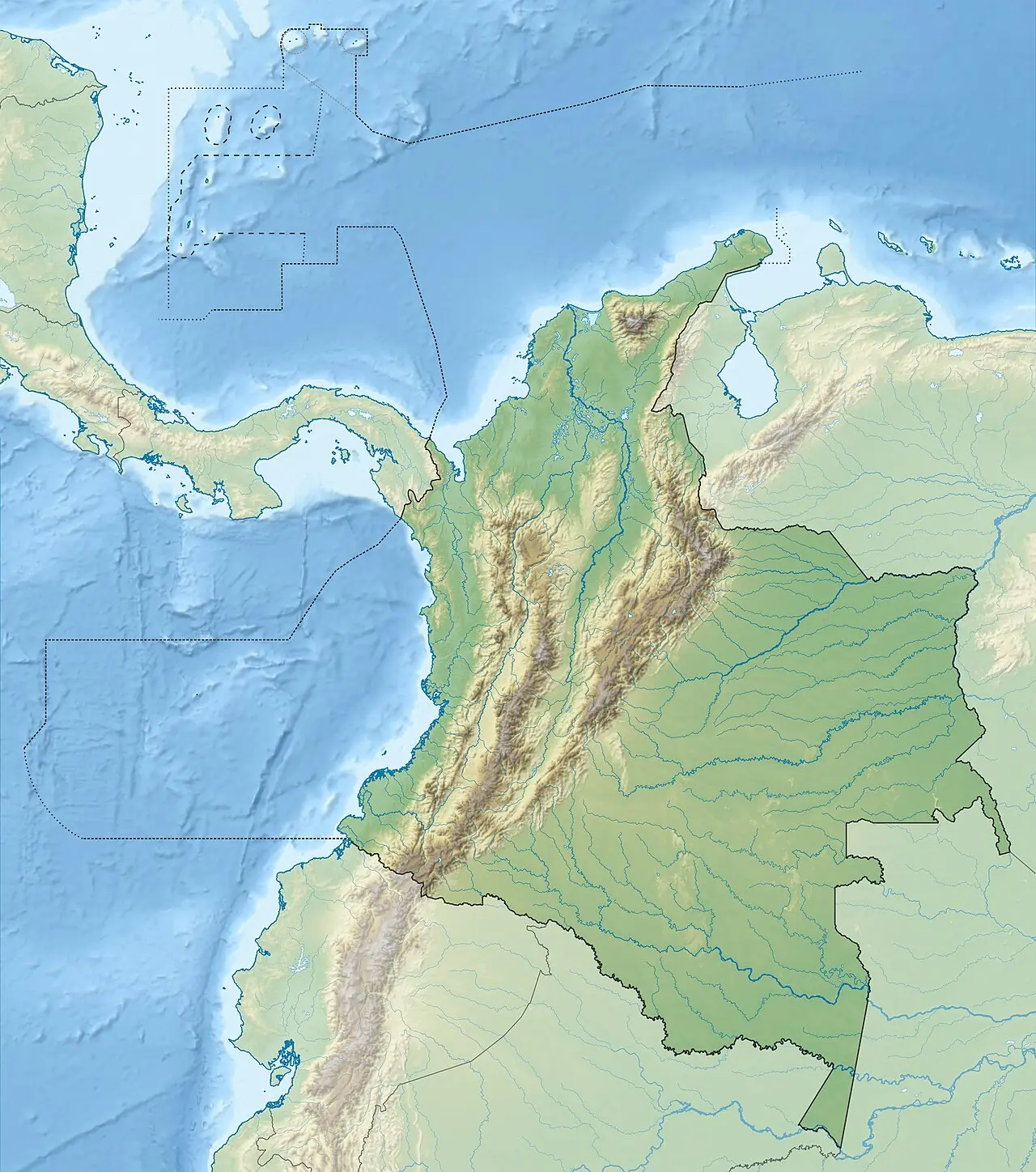
Cúcuta- 1875
Cucuta, a border city of Colombia, was once part of Venezuela. But the 1875 Cúcuta earthquake completely disregarded national borders. The severe destruction spanned heavily across both countries due to the borderland epicentre. On May 18, 1875, at roughly 11:15 am, the devastating earthquake struck the border city with a magnitude of 6.75- 7.5 Richter. It violently shook the city and neighbouring parts for roughly 55 seconds. Official historical databases register at least 1,000 confirmed fatalities, though overall estimates across both nations routinely range between 10,000 to 16,000 total deaths
Sucre-1853
According to the historical archives, the Sucre earthquake, which struck the coastal city of Cumaná with a magnitude between 6.9 and 7.5. Historical logs note that the sea rapidly withdrew from the bay of Puerto Sucre and returned with a Tsunami of 49 ft. Historical data of the event is sparse, but the earthquake and the tsunami resulted in high mortality and demographic decline, allowing Venezuela to assert political control over the region.
Sucre-2018
On August 21, 2018, a 7.3 magnitude earthquake struck the Venezuelan coastal state of Sucre. The earthquake was comparatively deeper at 123.2 km below the surface, which significantly cushioned its impact. It was then considered the strongest earthquake to hit since the Miranda in 1900. The official death toll is reported at 5 with 122 injuries.
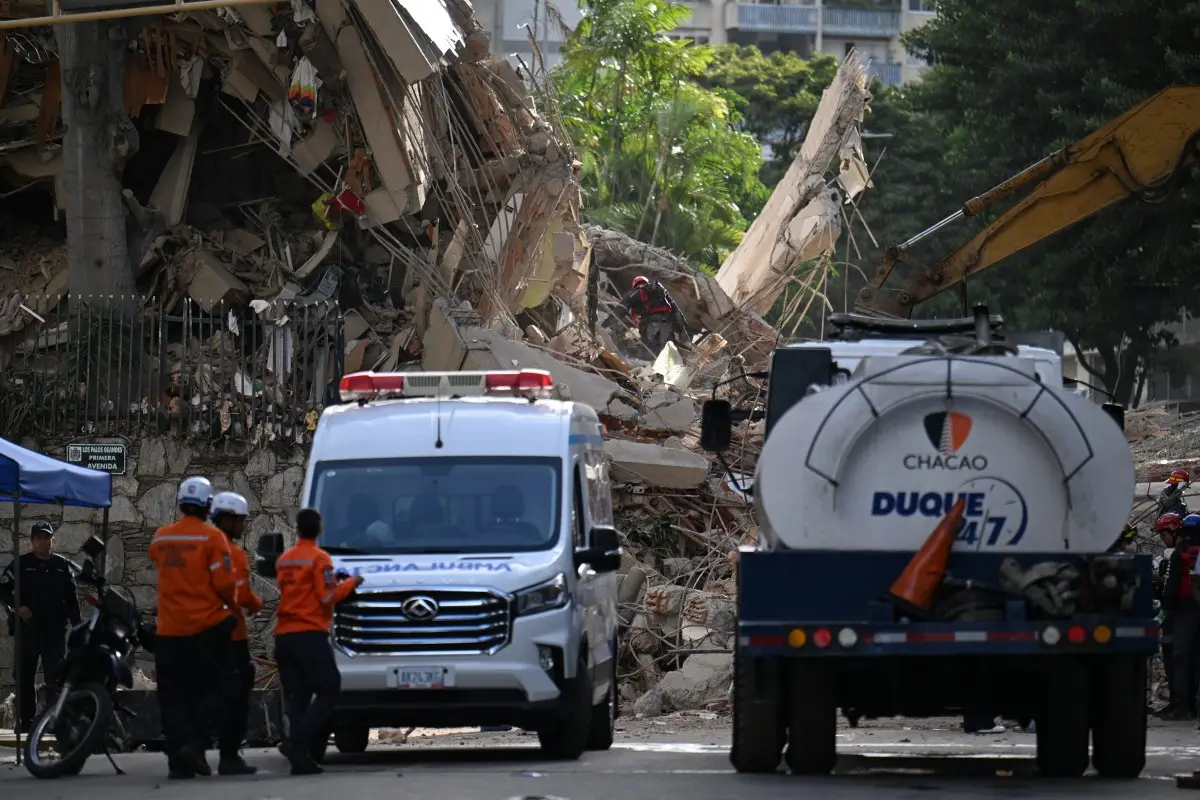
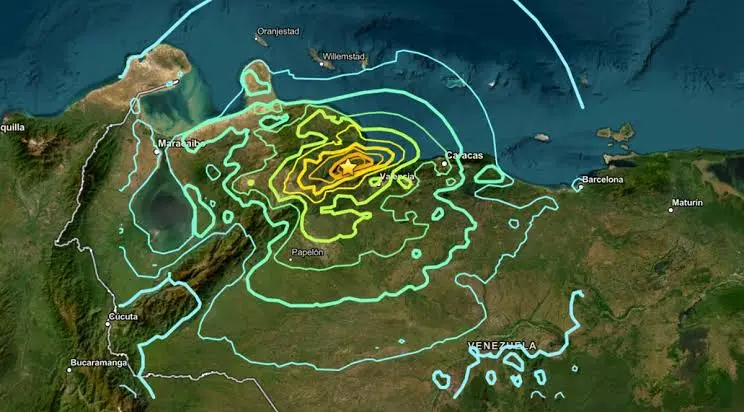
Yaracuy- 2026
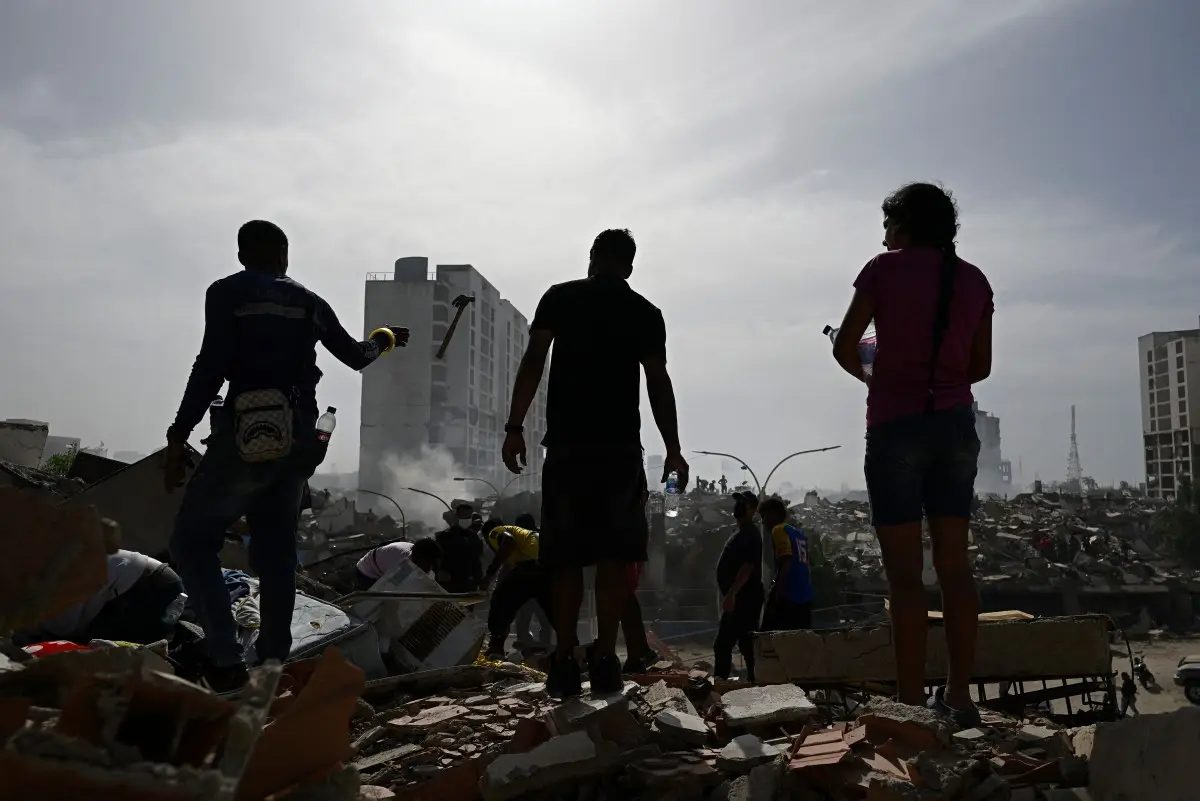
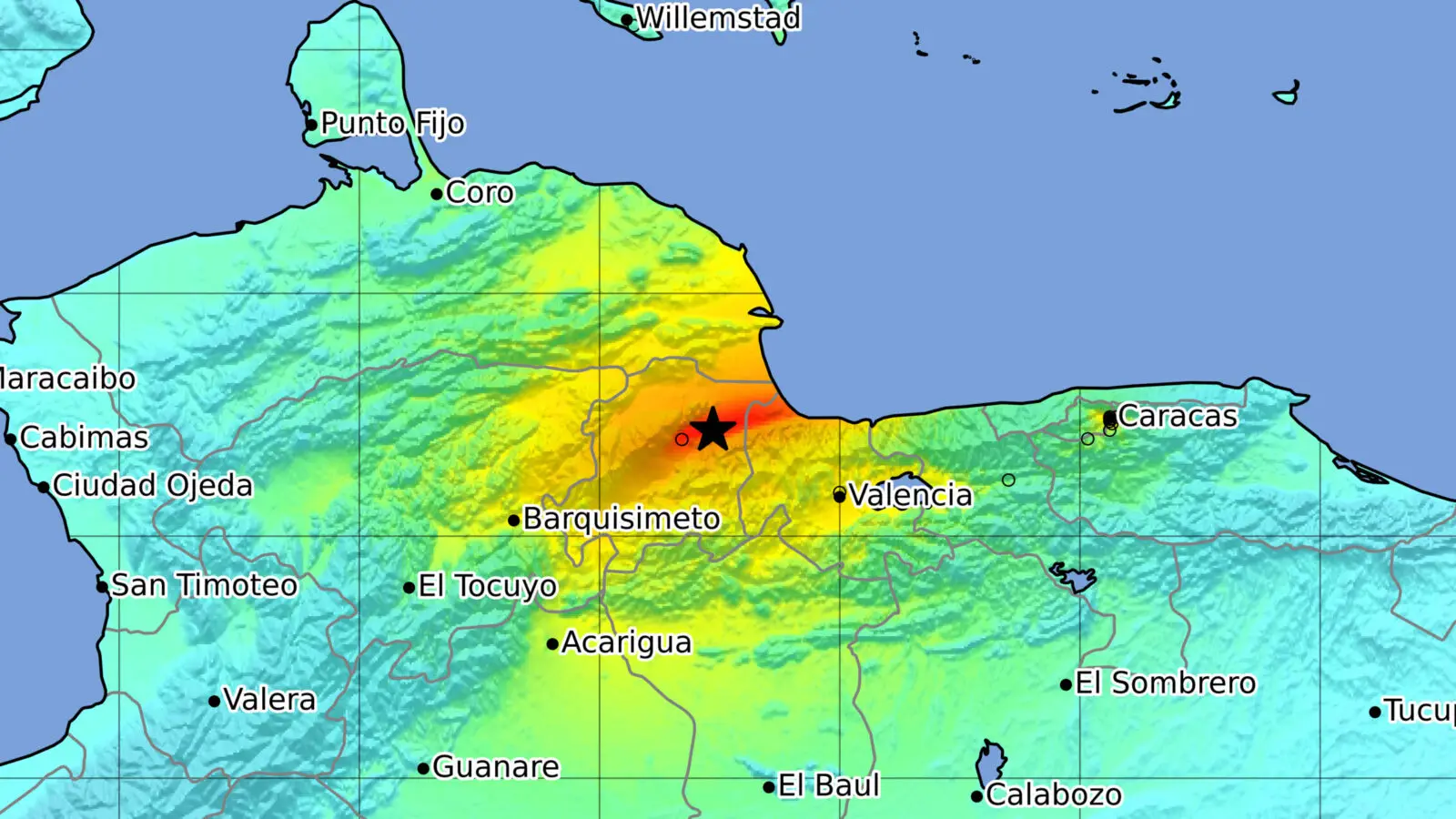
This is the largest earthquake to hit Venezuela since 1900. The twin strike devastating earthquake of 7.2 and 7.5 magnitude resulted in the death of at least 235+ people and injuring more than 4300 people. The death toll is likely to increase, according to the USGS, due to the shallow tremors at a depth of 10 km near Morón, Carabobo state. Over 30 major earthquakes were recorded within hours. An estimated 40,000 people are reported missing.
Merida-1894
A devastating earthquake of 7.0 M struck Merida on April 28, 1894. Official historical record estimates between 319 and 350 direct fatalities. The editorial office of the newspaper El Lápiz collapsed under the tremors. While its iconic editor, Tulio Febres Cordero, miraculously survived. In the epicentre region, it caused large fissures, ground dislocations, and ejections of mud, oil, and gas.
)
)
)
)
)