Davos 2026: World elites to arrive in around 1,000 private jets to discuss the climate crisis

As the World Economic Forum (WEF) meeting begins in Davos on 19 January 2026, a new report reveals a stark contradiction. Over 1,000 private jets are expected to land at nearby airports. Critics call it climate hypocrisy, as the emissions rival those of thousands of cars.
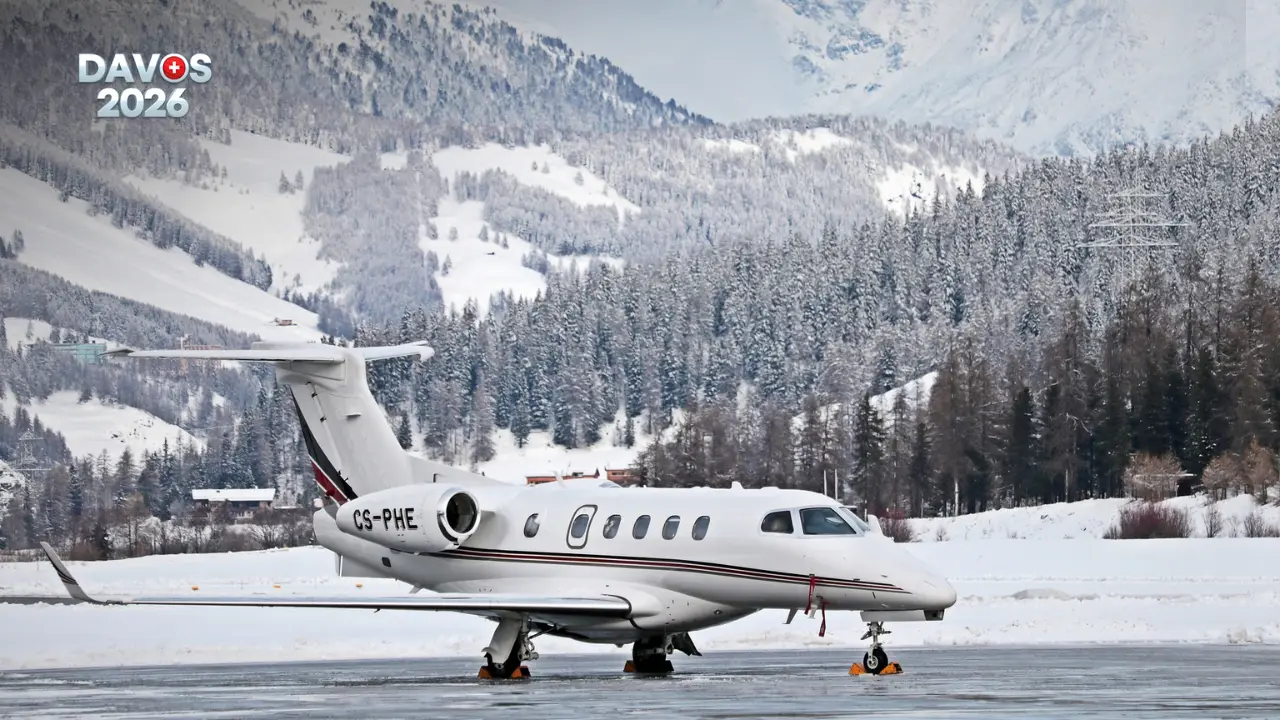
Around 1,000 additional aircraft movements at airports near Davos this week
Airport authorities estimate around 1,000 additional aircraft movements at airports near Davos this week. A Greenpeace report released on 15 January confirms that private jet traffic has tripled since 2023, turning Swiss runways into parking lots for the ultra-rich.
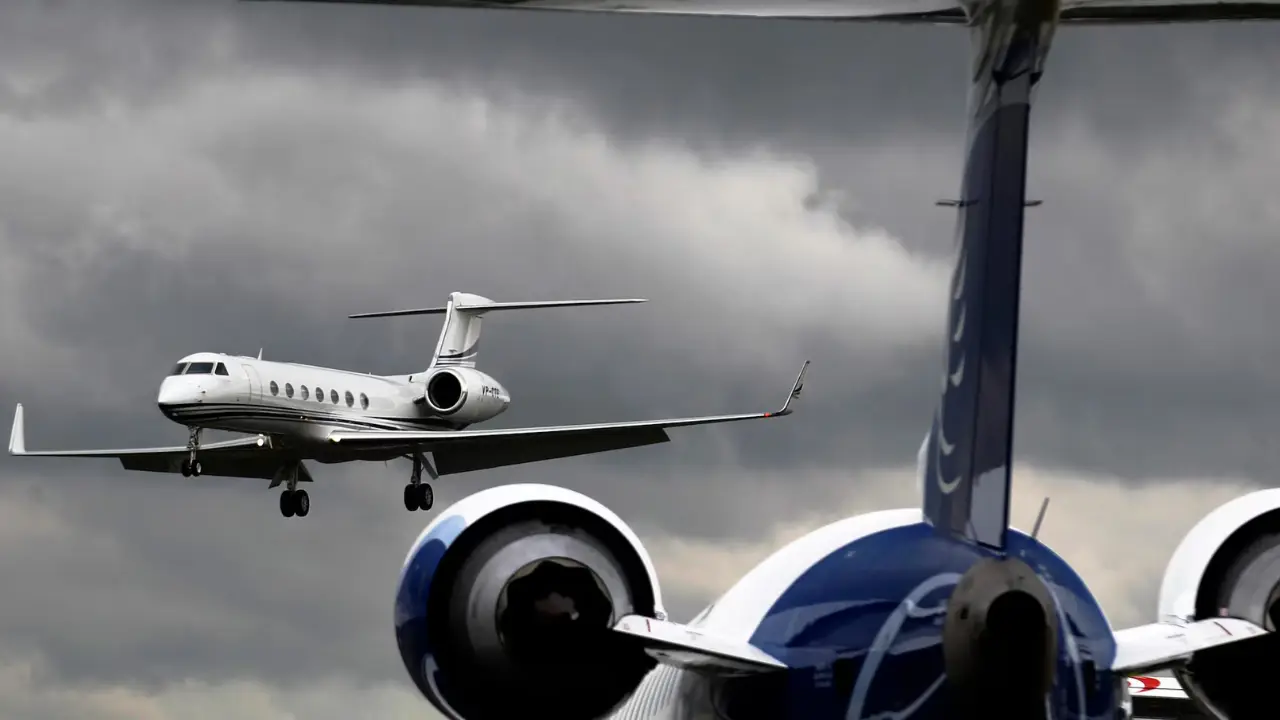
One jet for every four guests The ratio of excess
With approximately 3,000 participants attending the event, the data suggests there is roughly one private jet flight for every four guests. This staggering ratio highlights the reliance on luxury travel even among those advocating for carbon footprint reductions.

Flying distances that trains cover easily
Few analysis shows that nearly 50 per cent of these flights cover distances of less than 900 kilometres. Many attendees fly from European hubs like Paris or Milan, journeys that could be completed in a few hours on Switzerland's efficient, low-carbon railway network.
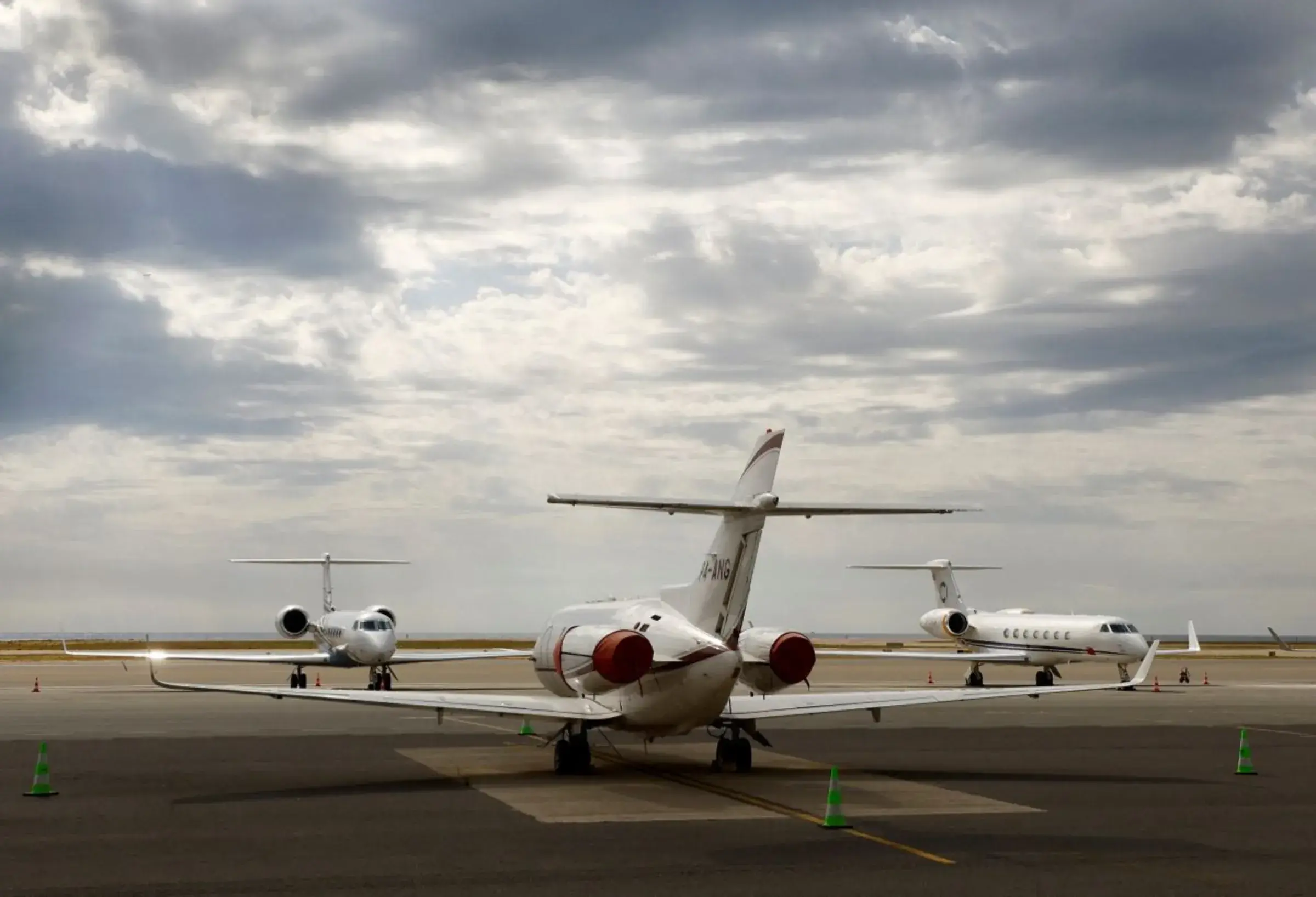
The carbon cost One hour equals years of driving
A single hour on a private jet emits roughly around two tonnes of CO2.
For context, the average car emits about 4.6 tonnes in an entire year. In just one week, the Davos fleet will generate emissions equivalent to thousands of petrol cars.
Sustainable Aviation Fuel
The WEF often counters criticism by promoting Sustainable Aviation Fuel (SAF). However, SAF currently accounts for less than 0.1 per cent of global jet fuel, leading critics to dismiss these claims as "greenwashing" designed to protect the reputation of VIP attendees.
The inequality of emissions
According to an Oxfam report, the richest 1 per cent of the world’s population is responsible for more carbon emissions than the poorest 66 per cent combined.
)
)
)
)
)