Dassault rafale to sukhoi Su-57: Top 6 most fuel-efficient fighter jets - Check full list

Discover the 6 most fuel-efficient fighter jets today. This story will show you how advanced engines and smart designs help save fuel, extend flight range and it reduces costs. Know more about these jets balancing power and efficiency.
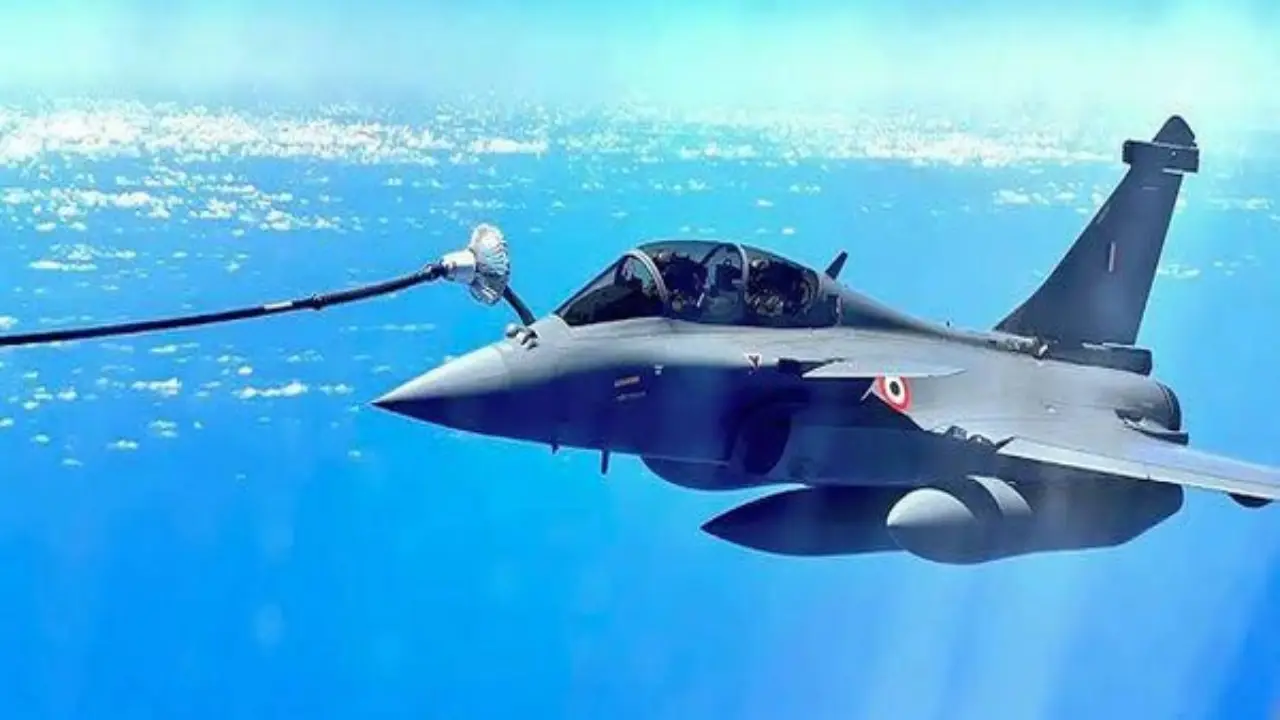
Why fuel efficiency matters in fighter jets
Fighter jets use a lot of fuel, sometimes over 20,000 litres per hour during missions. Saving fuel means jets can stay in the air longer and fly further. According to a Defence Report, better fuel efficiency also cuts costs and reduces the need for mid-air refuelling.
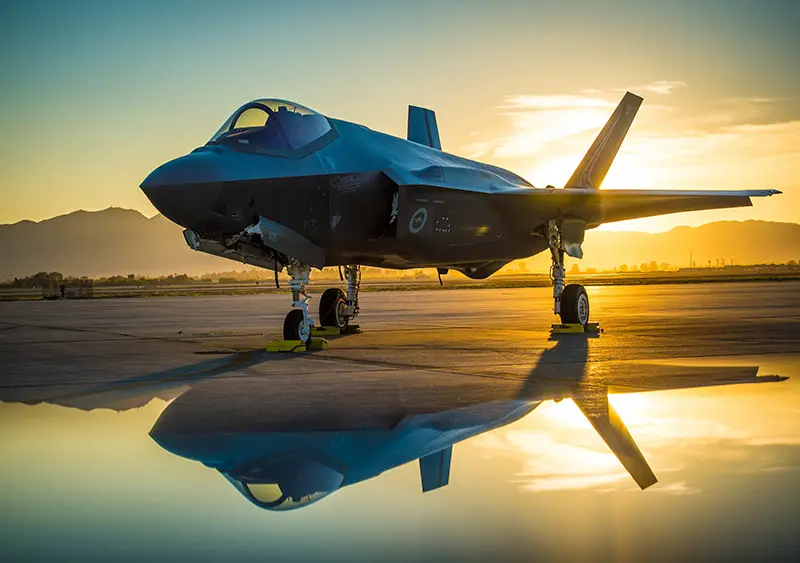
Lockheed martin F-35 lightning ii
The F-35 uses the Pratt and Whitney F135 engine, producing 28,000 pounds of thrust. It can fly more than 1,200 km on internal fuel. Due to its advanced stealth design, it reduces drag and saves about 10-15 per cent fuel compared to older models.
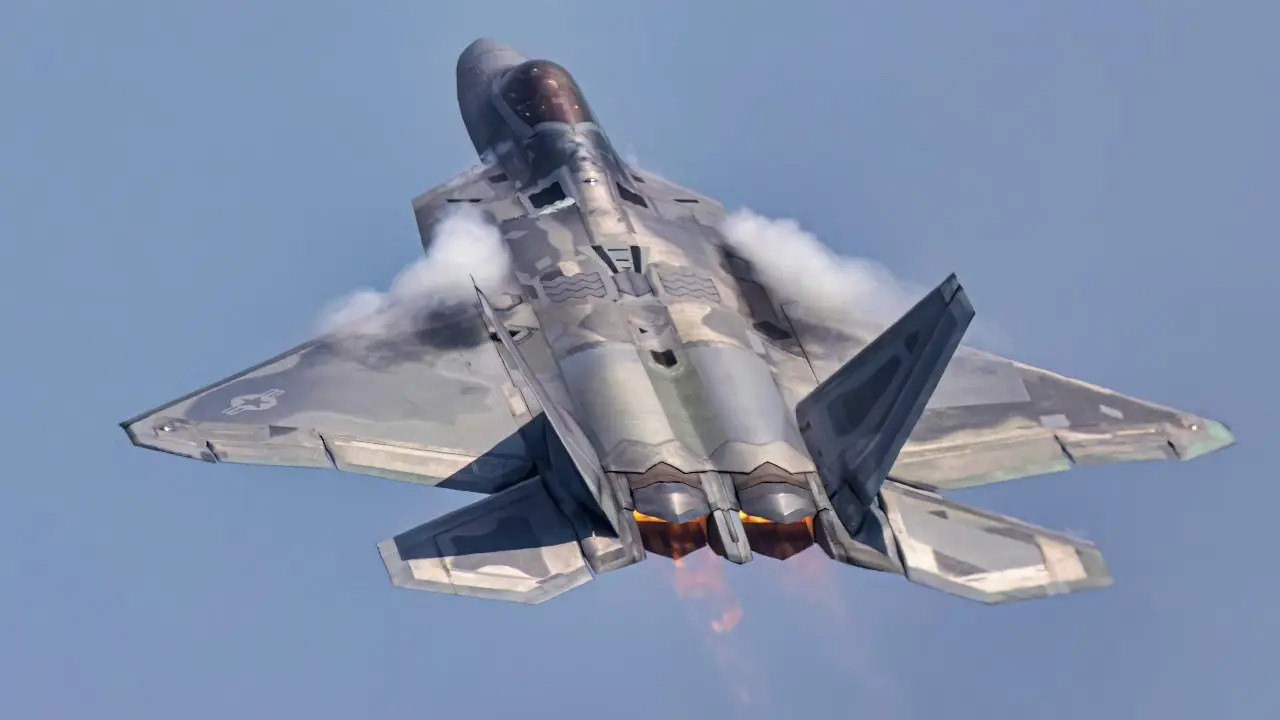
F-22 Raptor’s supercruise
The F-22 can fly at Mach 1.5 without afterburners, saving 30-40 per cent fuel during high-speed flights. Its twin Pratt and Whitney F119 engines have 35,000 pounds thrust each. This ability to 'supercruise' helps the jet cover longer distances without extra fuel use.
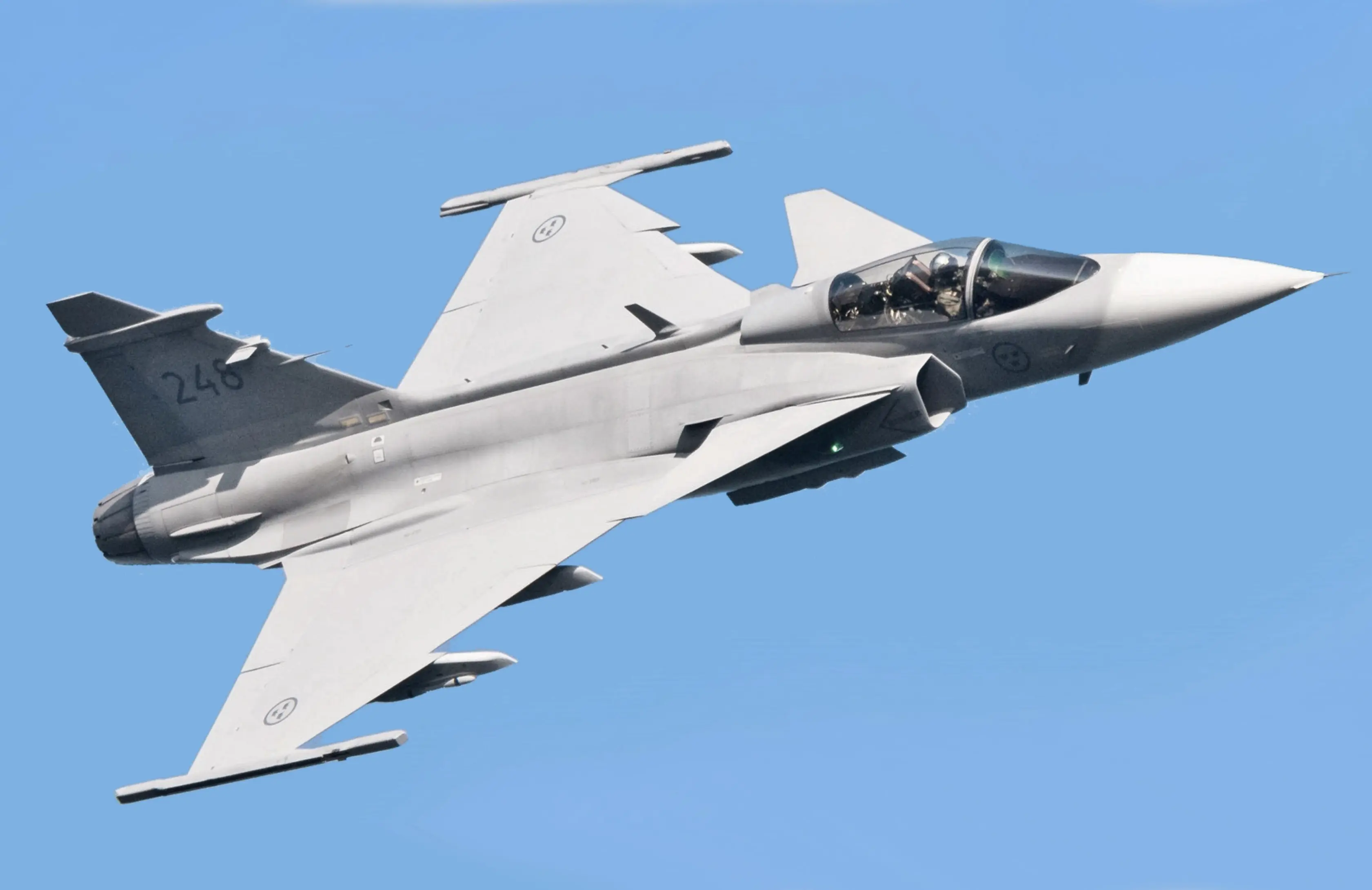
Saab jas 39 gripen’s low running cost
The Gripen’s RM12 engine burns around 2,900 kg of fuel per hour at full power. And Its weighs about 6,800 kg empty, making it light and cheap to operate. The Stockholm Defence Review says it costs 40 per cent less per flight hour than similar jets.
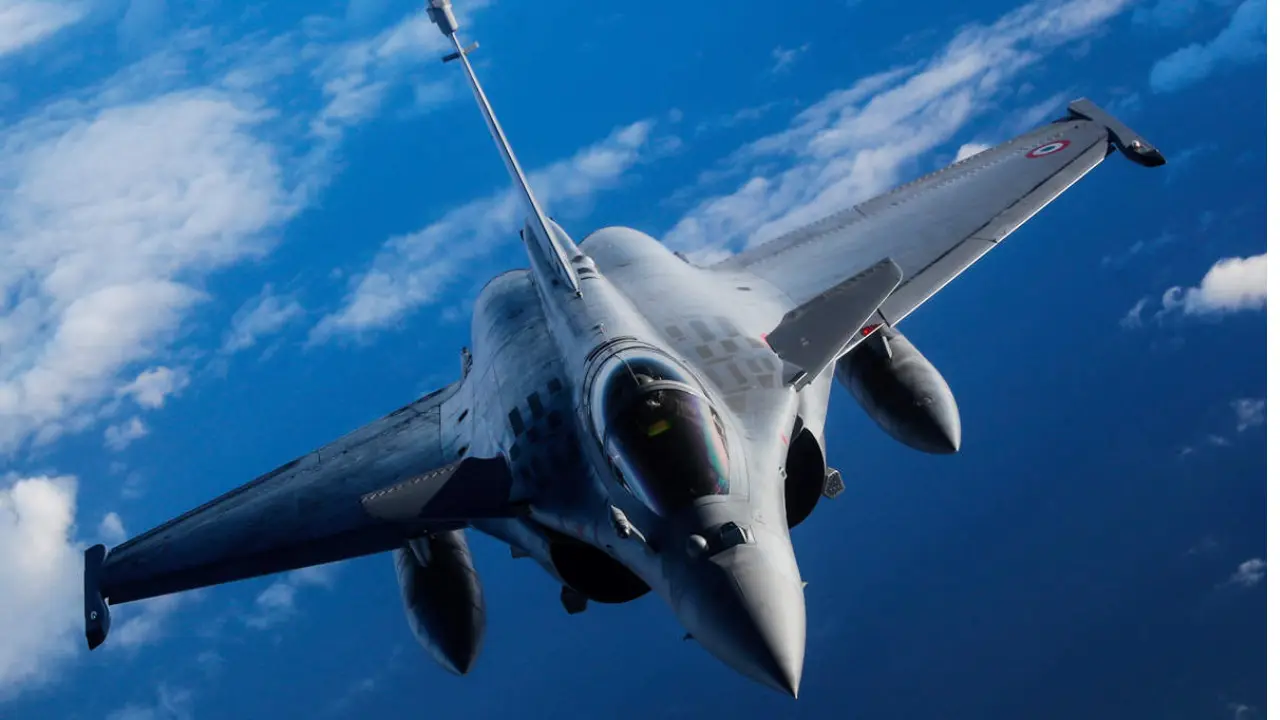
Dassault Rafale’s smart fuel use
The Dassault Rafale’s uses special Snecma M88 engine which produces 50 kN of thrust and can use biofuels mixed with kerosene. This mix cuts carbon emissions which saves fuel and makes it more efficient. As per a report from Air and space magazine it uses 20 per cent less fuel on long flights because of it's advance engine and aerodynamic design which makes it one of most advance fighter jet in the world.
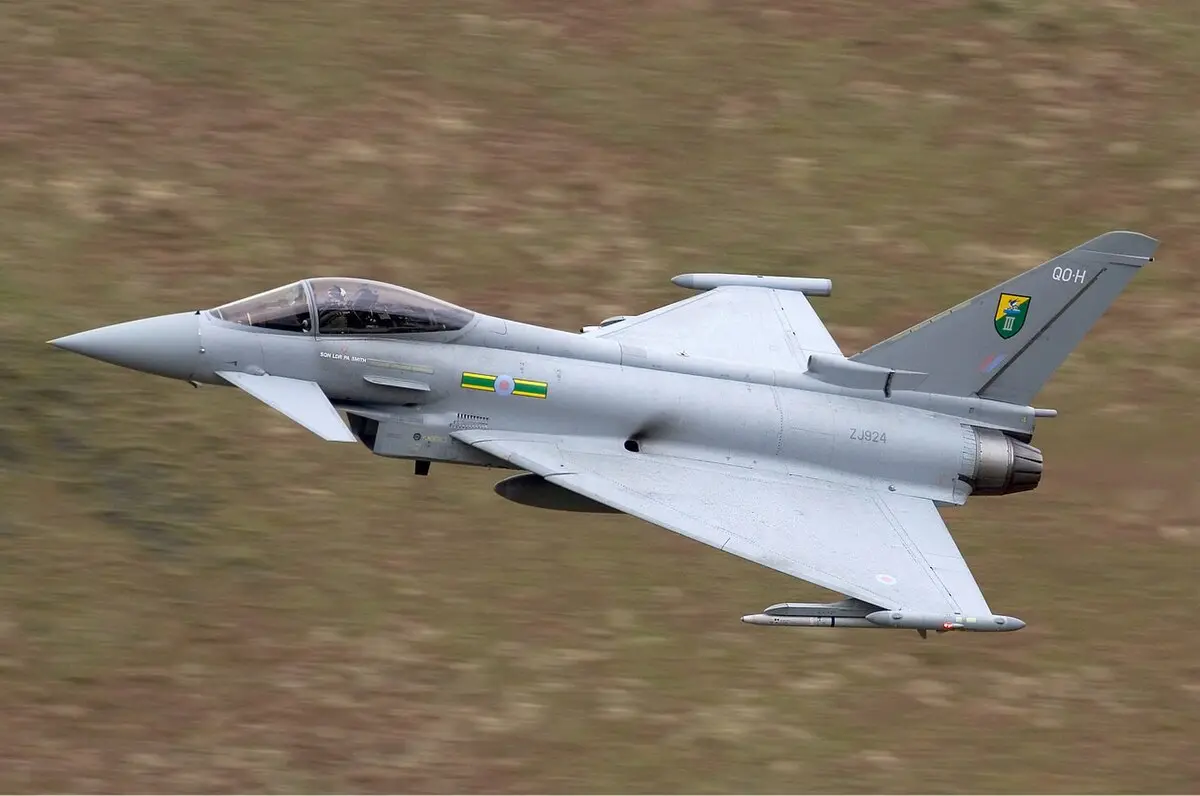
Eurofighter typhoon’s
The Typhoon uses 40 per cent composite materials to reduce weight by 2,000 kg. Its EJ200 engines each deliver 20,000 lbs of thrust. Jane’s Defence Weekly reports the jet saves about 12 per cent fuel during cruise, which allow it to fly up to 2,900 km without stopping.
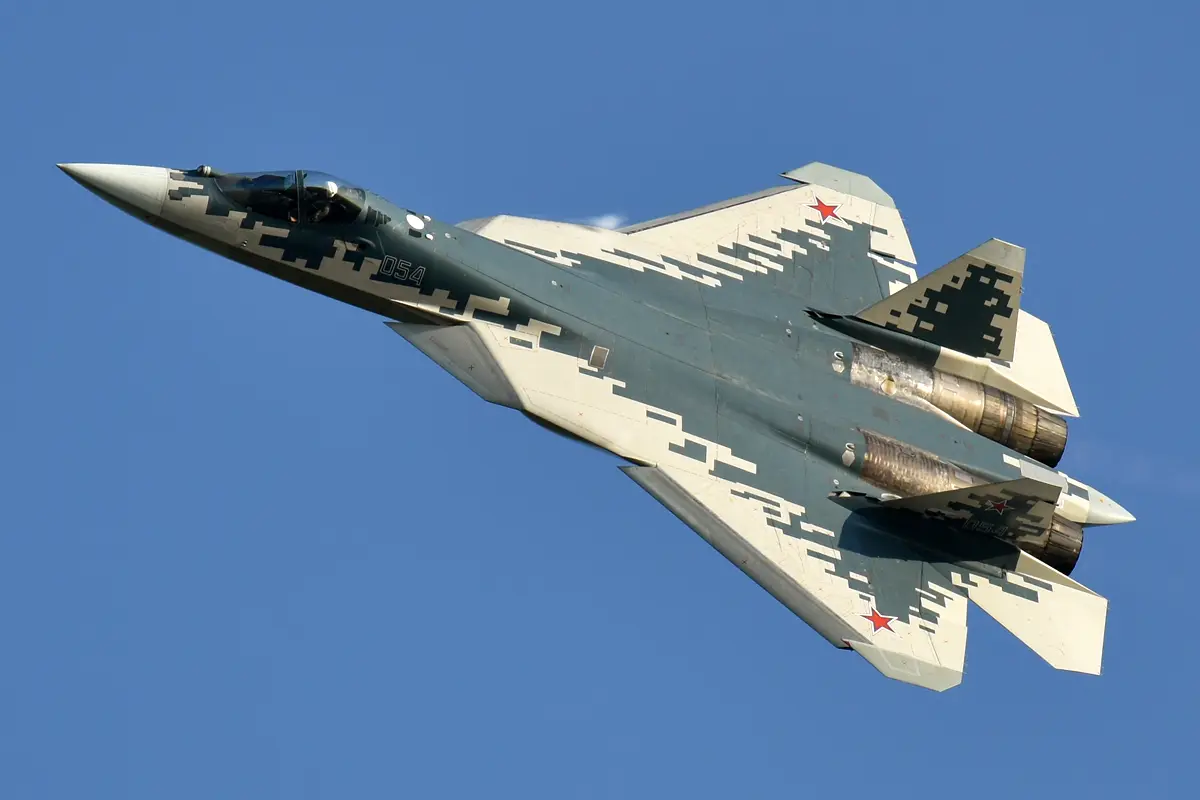
Sukhoi su-57’s
The Su-57 features a new Saturn Izdeliye 30 engine, which is expected to improve fuel use by 20 per cent. It can supercruise at Mach 1.3, for avoid fuel-heavy afterburners. The Russian Ministry of Defence states it flies up to 3,500 km on internal fuel because of its advanced design.
)
)
)
)
)