D-Day and the Normandy landings: The operation that turned the tide of World War II in Europe

Edited By Subhadra Srivastava
Published: Jun 06, 2025, 18:40 IST | Updated: Jun 06, 2025, 18:44 IST
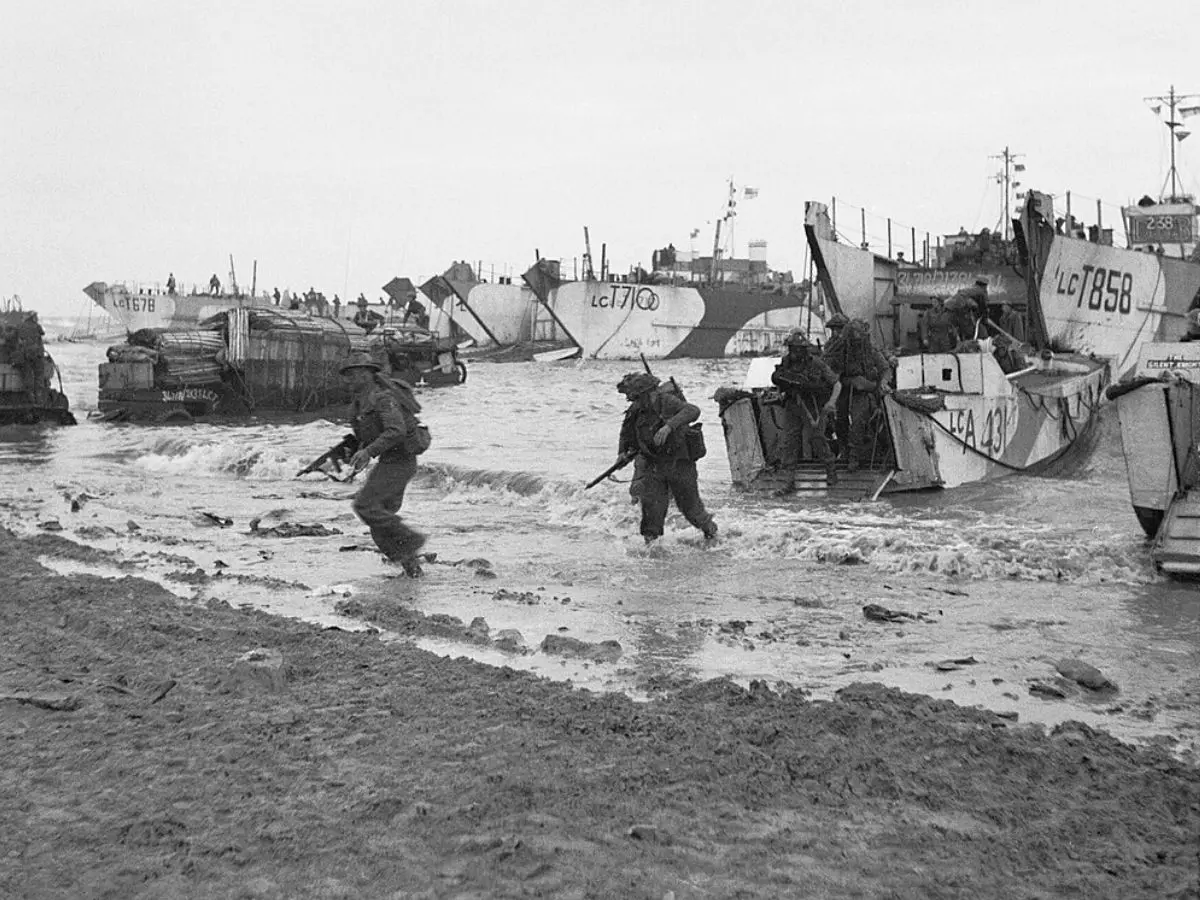
It was on June 6, 1944, that the troops from the United States, United Kingdom, Canada, and other Allied nations launched the largest amphibious assault in the military history, landing on five beaches along the Normandy coast.
1 / 6
(Photograph: Wikimedia Commons)
A Turning Point in World War II
Friday marks the 81st anniversary of D-Day, the Allied invasion of Nazi-occupied France that became a turning point in World War II. It was on June 6, 1944, that the troops from the United States, United Kingdom, Canada, and other Allied nations launched the largest amphibious assault in the military history, landing on five beaches along the Normandy coast. Codenamed Operation Overlord, the mission was the starting point of the liberation of Western Europe from Nazi control and later changed the course of the war.
2 / 6
(Photograph: Wikimedia Commons)
Operation Overlord and the Invasion Beaches
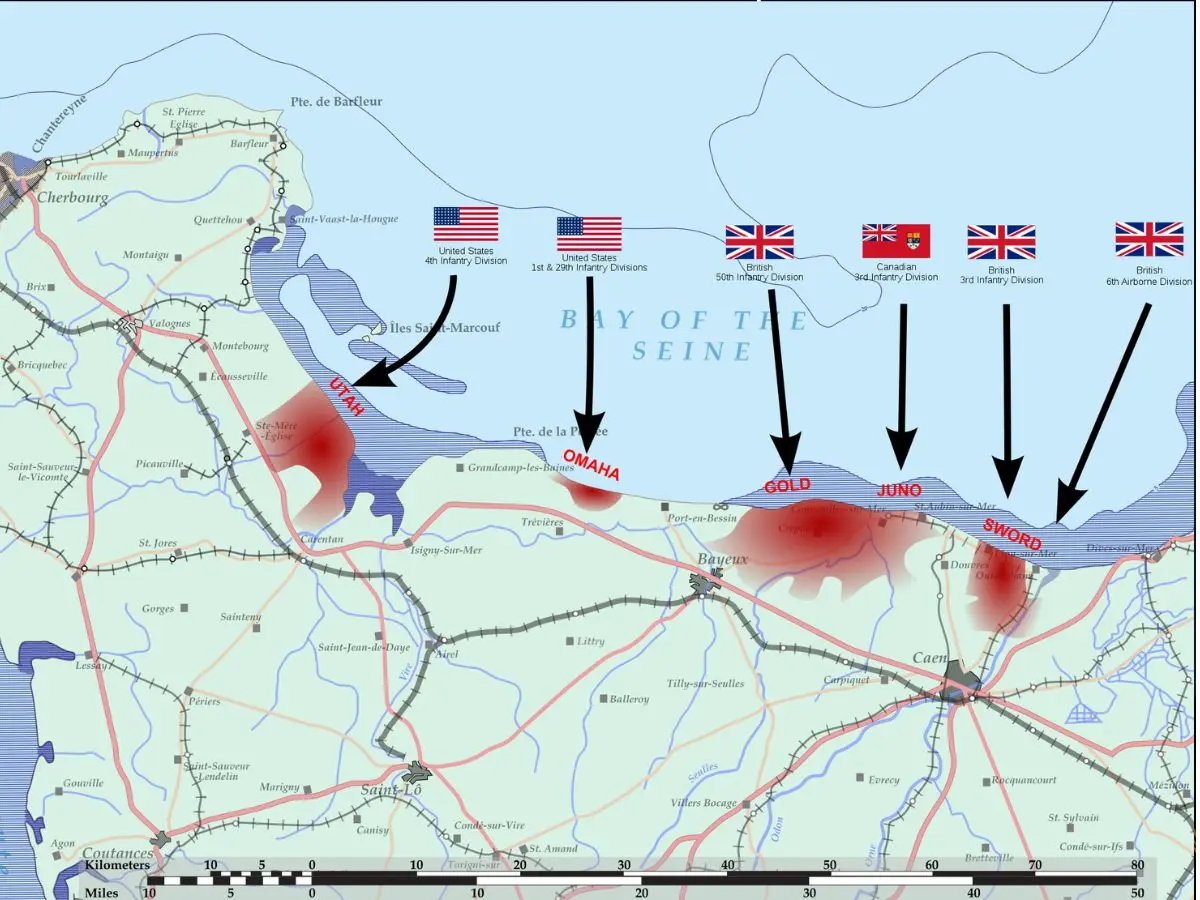
The original invasion was scheduled for June 5 but was delayed by poor weather, it was split across five beach sectors, which were Utah and Omaha (American), Gold and Sword (British), and Juno (Canadian). The allied forces launched a combined naval, air and land assault in which, the airborne troops landed ahead of the main assault, while naval and aerial bombardment supported the beach landings. Despite facing fierce German resistance, especially at Omaha Beach, the Allies succeeded in secured a foothold by nightfall.
3 / 6
(Photograph: Wikimedia Commons)
Planning and Deception
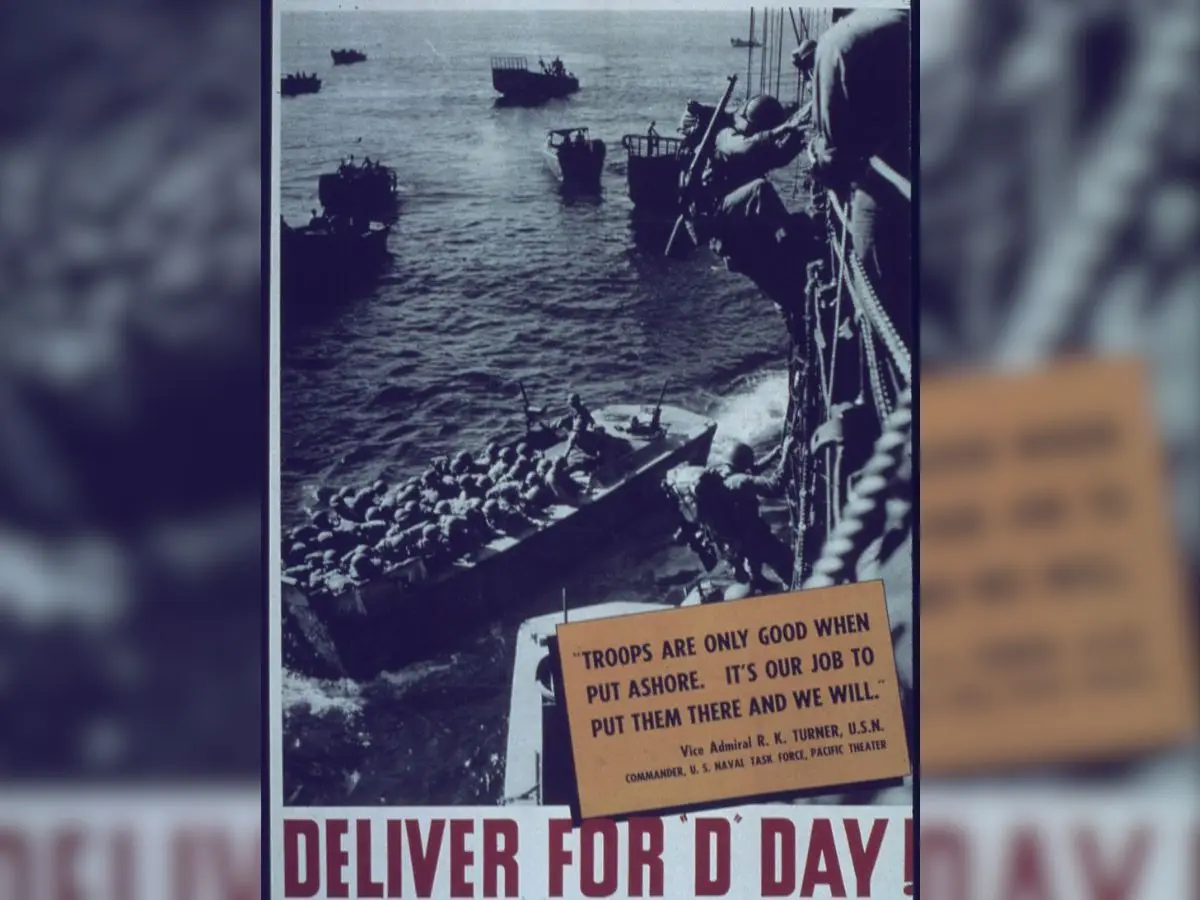
The D-Day was the result of over a year of strategic planning and deception by the Allied nations. They used over 5,000 ships and landing craft to land more than 1,50,000 troops on the beaches in Normandy on June 6. The operation Bodyguard along with its sub-operation Fortitude, aimed to mislead the Germans about the invasion's timing and location, and they succeeded with this strategy. It later resulted in confusing and dispersing the German forces and delaying their counterattacks.
4 / 6
(Photograph: Wikimedia Commons)
The Human Cost
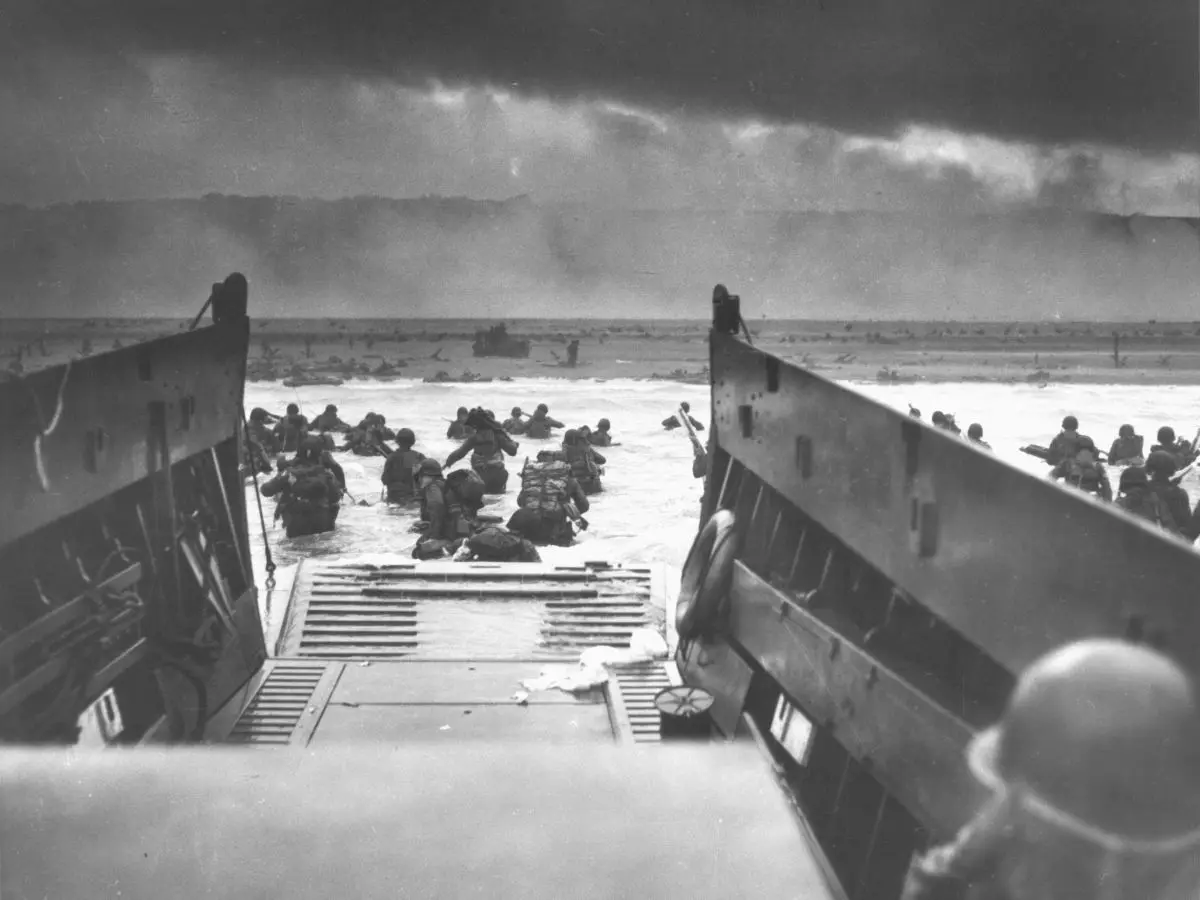
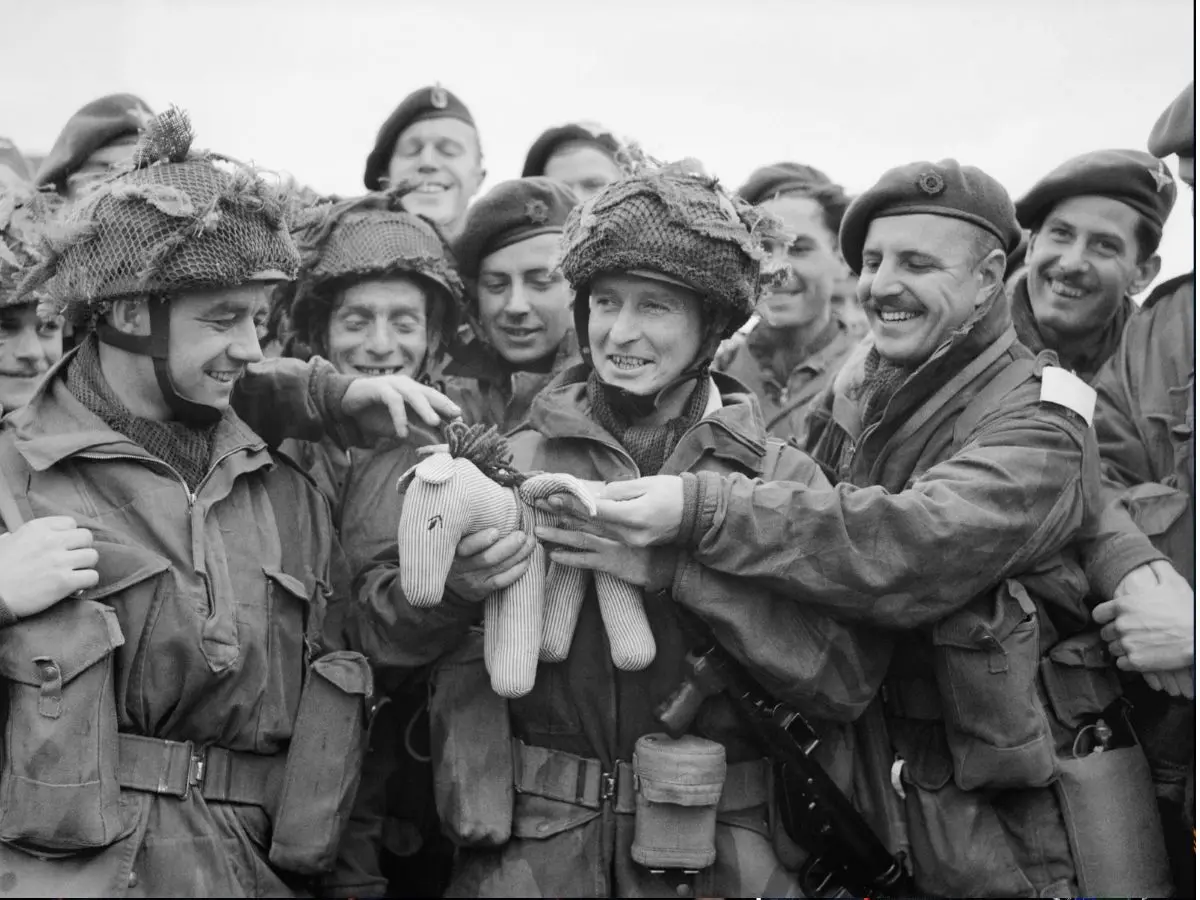
However, the landings came at a significant cost, claiming the lives of around 4,400 Allied soldiers on D-Day, with thousands more wounded or missing. The German casualties were estimated between 4,000 and 9,000, though the original numbers can be even higher. Omaha Beach was particularly deadly for American troops due to strong currents, mislandings, and intact German troops fortifications.
5 / 6
(Photograph: Wikimedia Commons)
After the Beachhead
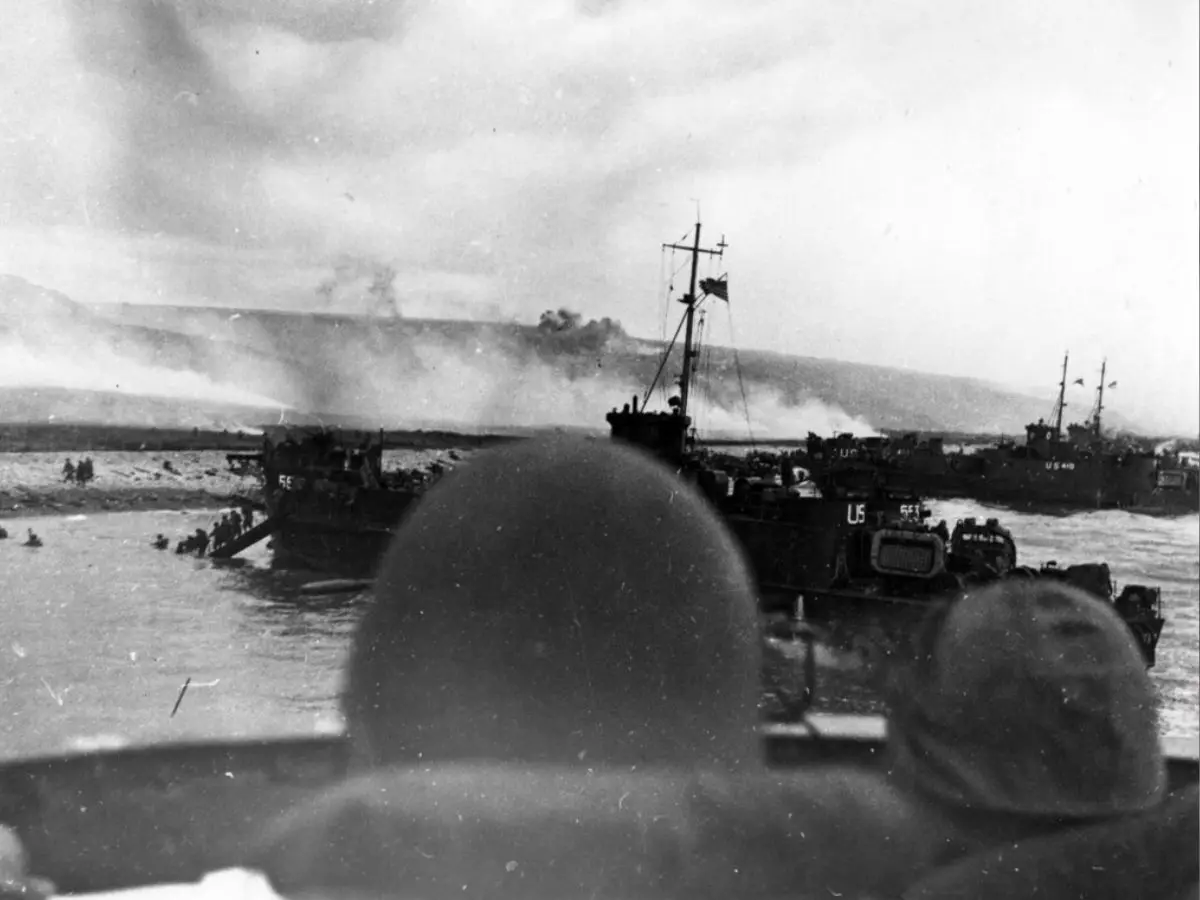
Though D-Day was a success, it was just the beginning. The Allies still had to push inland, facing fierce resistance in the French countryside by the German troops. The allied troops used air power to hinder German reinforcements, hence allowing their forces to secure Normandy by late August and liberate Paris shortly after.
6 / 6
(Photograph: Wikimedia Commons)
Why D-Day Still Matters
D-Day is generally considered as the beginning of the end for Nazi Germany. It is believed to have forced Hitler to fight a two-front war, ultimately leading to the collapse of his regime. The Normandy landings on the D-Day demonstrated the power of unity and international cooperation and remain an important reference point in military strategy and global history.
)
)
)
)
)