Cuban Crisis 2.0? This 'Mach 10' Russian weapon could checkmate US in a war against Venezuela

The terror of the 1962 Cuban Missile Crisis was that Soviet missiles could hit Washington in 15 minutes. The Oreshnik changes the math entirely.
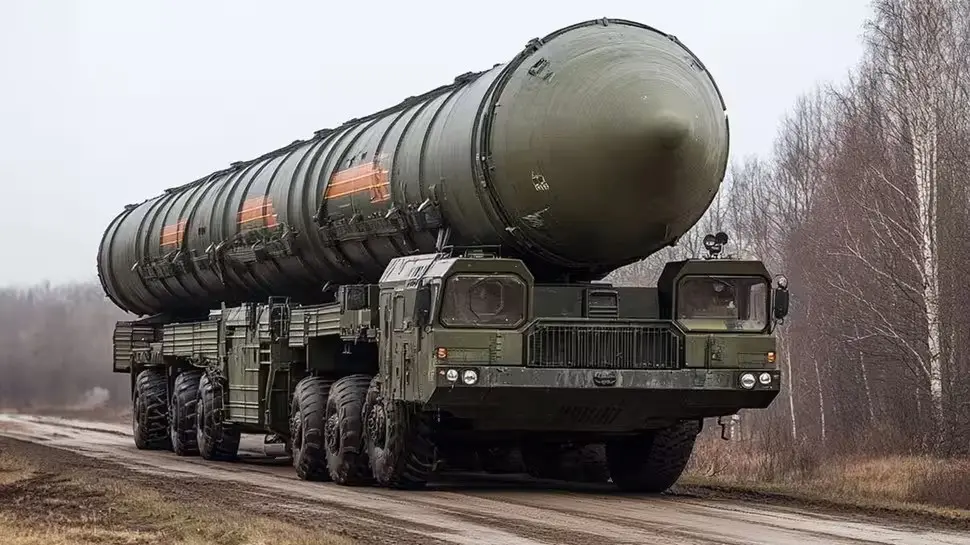
The Threat: "We Can Do It"
The fear isn't hypothetical; it is explicit. In late 2025, Russian lawmaker Alexei Zhuravlyov (Deputy Chair of the Defense Committee) dropped a bombshell statement, "Russia can deliver nuclear-capable missiles to Venezuela or Cuba... right next to our main geopolitical adversary". This was a direct response to US escalation, signalling that Moscow is ready to replicate the 1962 Cuban Missile Crisis if Washington pushes too hard.
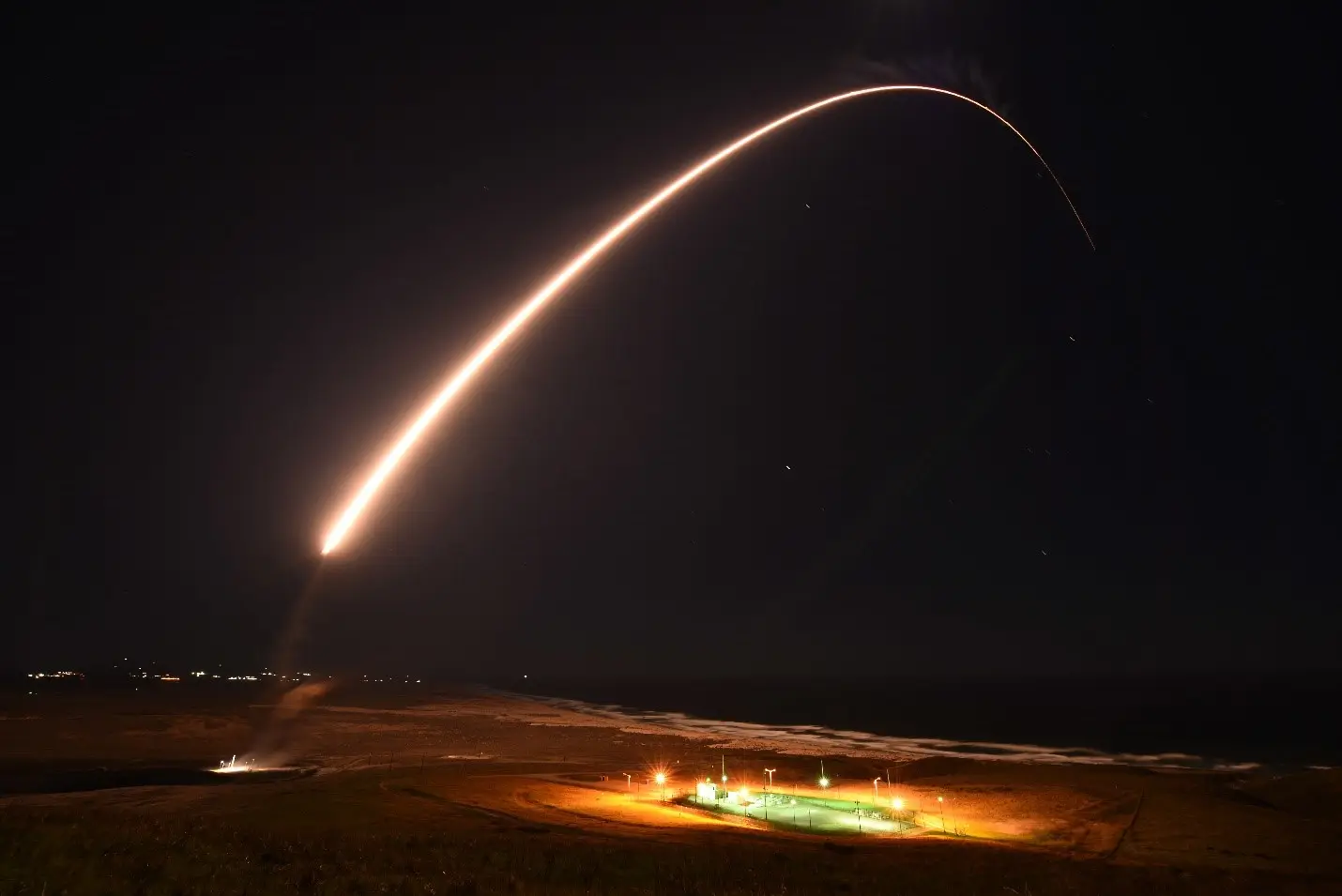
The "Zero Warning" Nightmare
The terror of the 1962 Cuban Missile Crisis was that Soviet missiles could hit Washington in 15 minutes. The Oreshnik changes the math entirely. Traveling at Mach 10 (ten times the speed of sound), an Oreshnik launched from Venezuela wouldn't give the US President 15 minutes to respond, it would give him less than 5. This effectively decapitates the US leadership before they can even reach the nuclear "football," breaking the fragile logic of Mutually Assured Destruction (MAD).
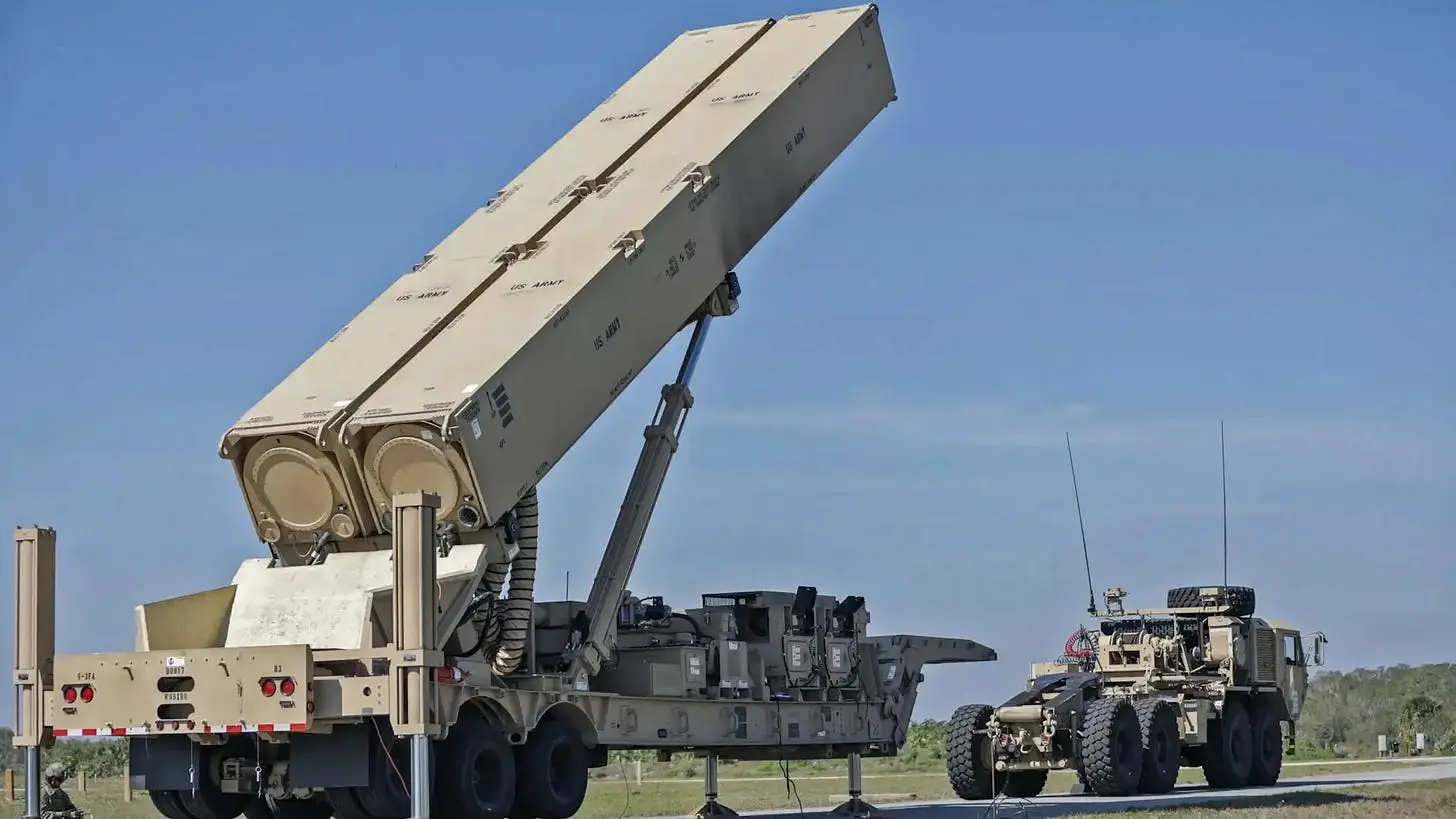
The Defense Gap: Why We Can't Shoot It Down
US missile defenses (like THAAD and Patriot) are designed to intercept "standard" ballistic missiles that fly in a predictable arc. The Oreshnik manoeuvres in flight.
- The Problem: It stays in the upper atmosphere, too high for most air defences but too low for space-based interceptors.
- The Result: By the time US radar in Florida detects the launch, the warheads are already re-entering the atmosphere. As one analyst noted, against a hypersonic strike from this close range, current US defenses are "effectively obsolete".
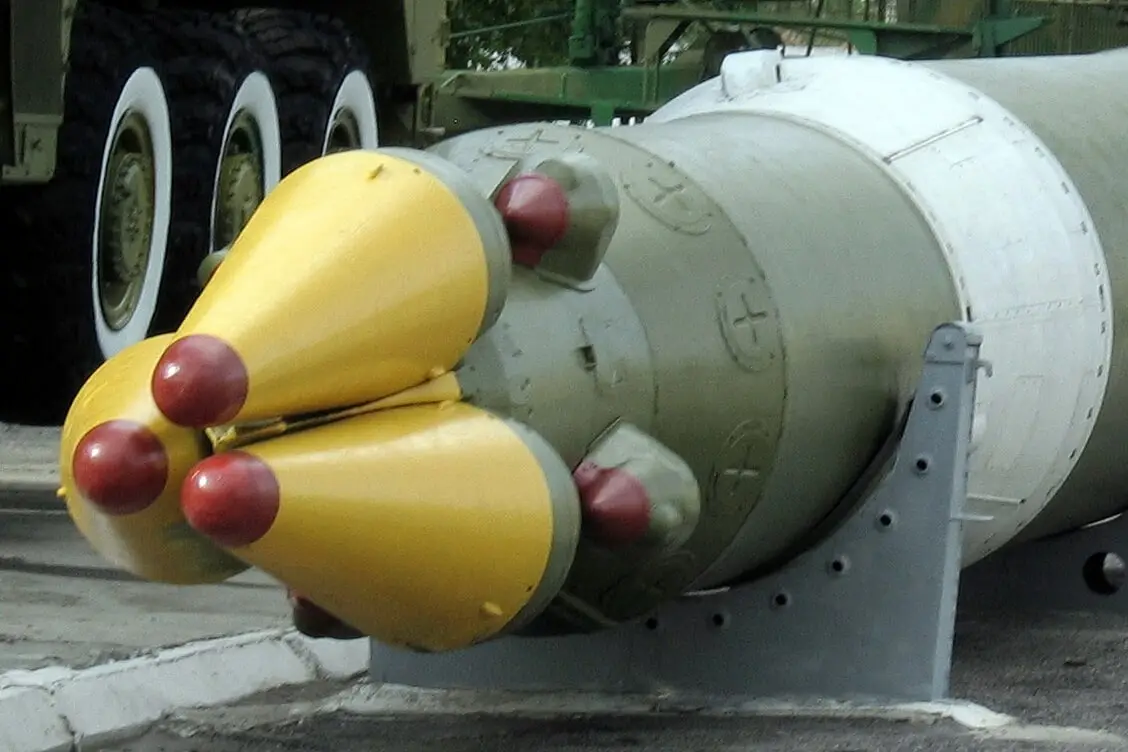
The "Zhuravlyov" Doctrine
Russian MP Alexei Zhuravlyov explicitly stated that there are "no international obstacles" to deploying Oreshnik systems to Venezuela to counter US aggression. He views it as a direct "mirror response" to the US placing long-range missiles in Germany. The logic is brutal: If you threaten Moscow from Berlin, we will threaten Washington from Caracas.

The "White Swan" Delivery Service
Russia doesn't need to build massive concrete silos like in 1962. The Oreshnik is mobile. It can be flown into Venezuela on a heavy transport plane or a Tu-160 "White Swan" bomber, offloaded onto a truck, and hidden in the Venezuelan jungle within 24 hours. This mobility makes it nearly impossible for US satellites to track and destroy in a preemptive strike without invading the entire country.
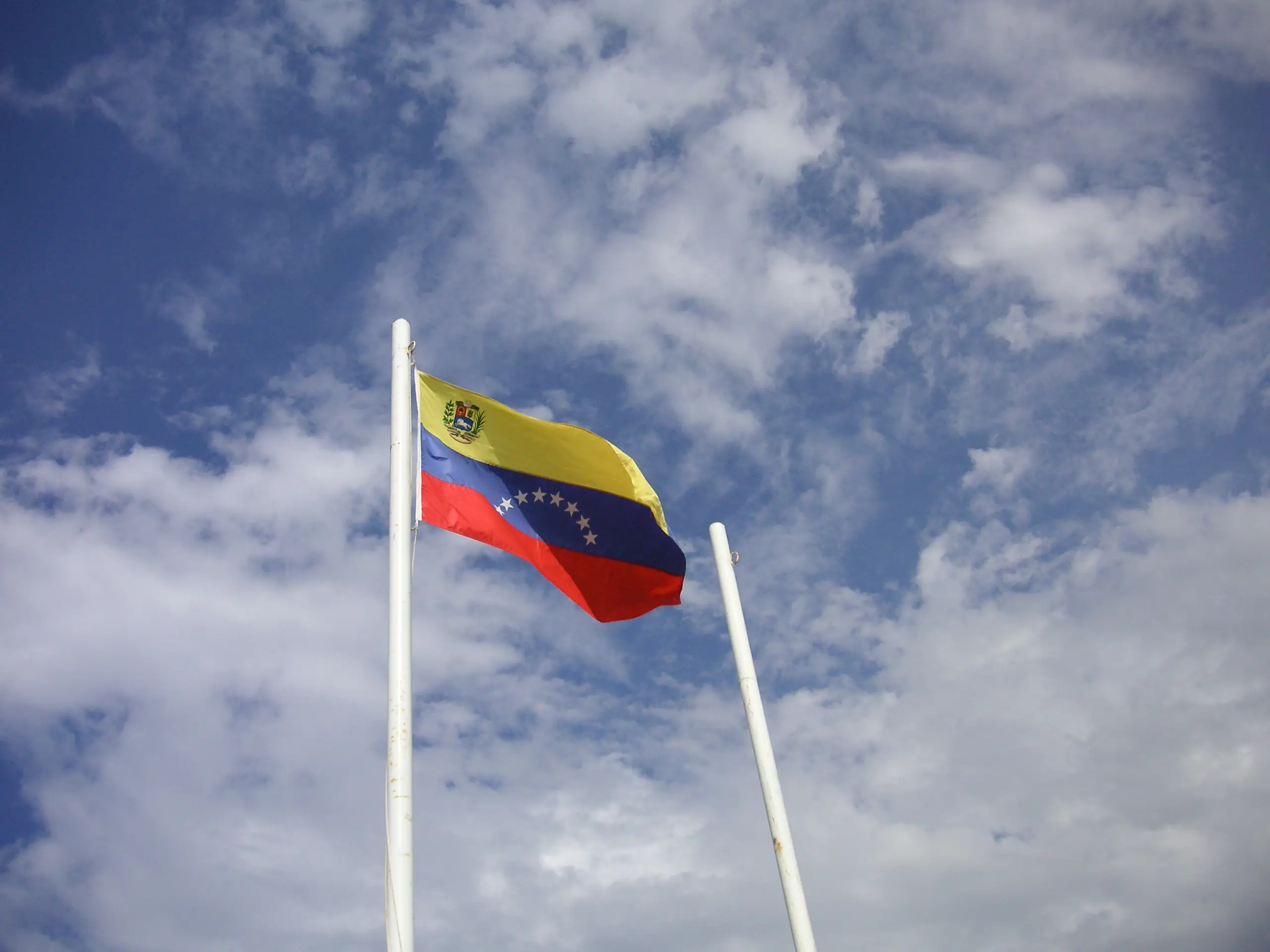
The "Caribbean Shield" Collapse
For decades, the US Southern Command (SOUTHCOM) has focused on drug interdiction, not missile defense. The Caribbean is the "soft underbelly" of US defense. We have massive radar arrays facing North (Russia) and West (China), but very few facing South. A hypersonic launch from Venezuela essentially hits the US from its blind spot, bypassing the dense sensor networks protecting the East Coast.

The Ultimatum
If Putin moves Oreshnik missiles to Venezuela, it forces the US into a binary choice: Total War or Total Capitulation. The US cannot live with a 5-minute gun to its head. This is why analysts call it “Cuban Crisis 2.0”, because the only way to remove them might be a naval blockade or a direct invasion, risking the World War III that both sides have tried to avoid for 80 years.
)
)
)
)
)