Cruising at 1 million miles per hour, is this mysterious cosmic object a resident or intruder?

Like 3I/ATLAS or something else? NASA discovered a fast-moving object in the Milky Way in 2024. It is overspeeding at 456 km/second. In comparison, 3i/ATLAS is only moving at around 60 km/second, and is still the fastest object observed from interstellar space.
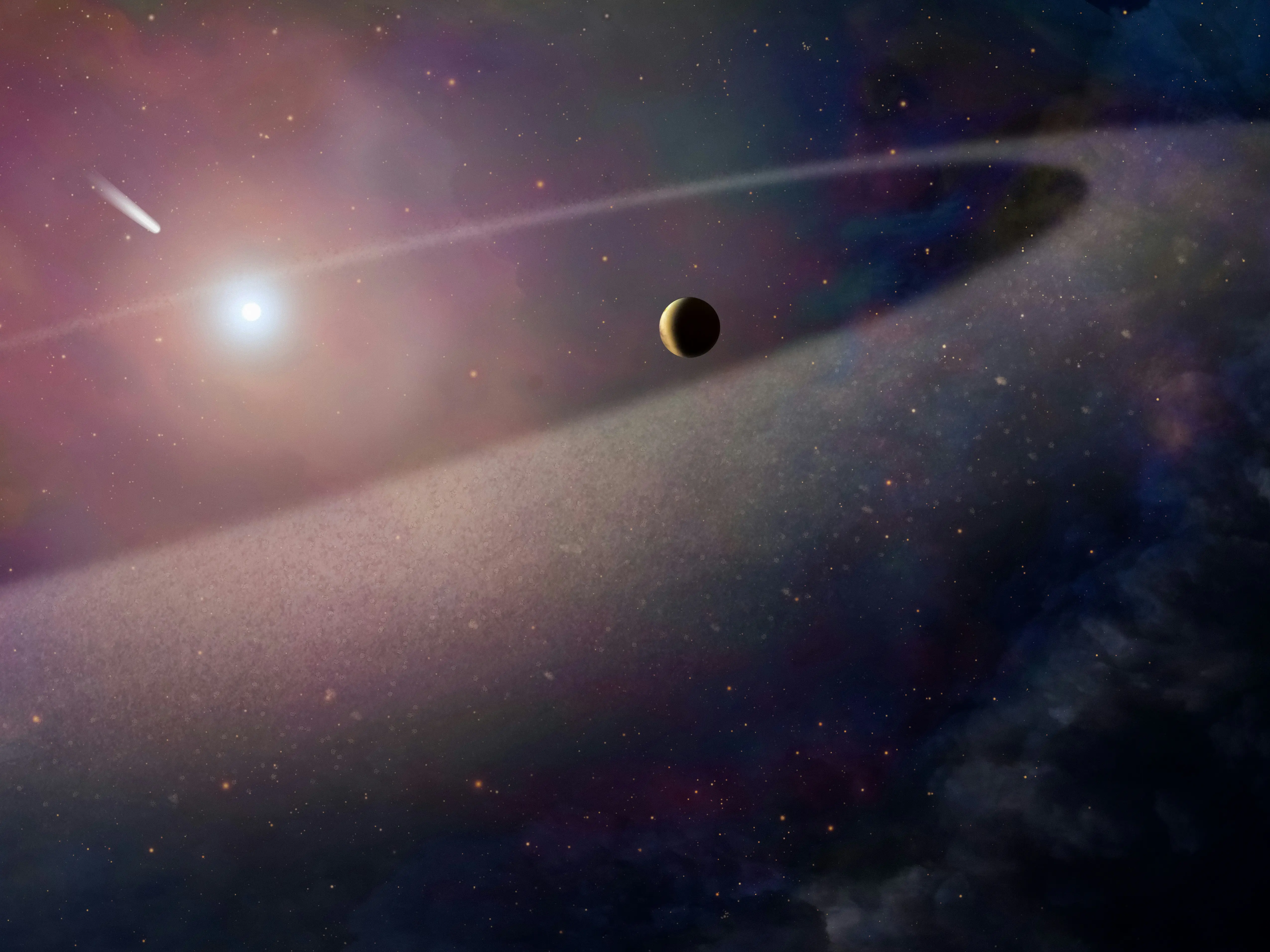
Mysterious object spotted shooting through Milky Way
Scientists have discovered an object moving at an astounding speed of 1 million miles per hour, or 456 km/second. That is possibly the fastest-moving object in our solar system. It was discovered in 2024 by citizen scientists working on NASA’s Backyard Worlds: Planet 9 project using NASA’s WISE telescope. Scientists say it will escape the Milky Way’s gravity and shoot out into intergalactic space soon.
Who discovered this fast-moving cosmic body?
This object was found under the NEOWISE (Near-Earth Object Wide-field Infrared Survey Explorer) mission, which retired on August 8, 2024. But before that, it spotted a faint, fast-moving object called CWISE J124909.08+362116.0. Martin Kabatnik, Thomas Bickle, and Caselden were the first to see this object shooting through the Milky Way.
Identity of CWISE J1249 remains a mystery
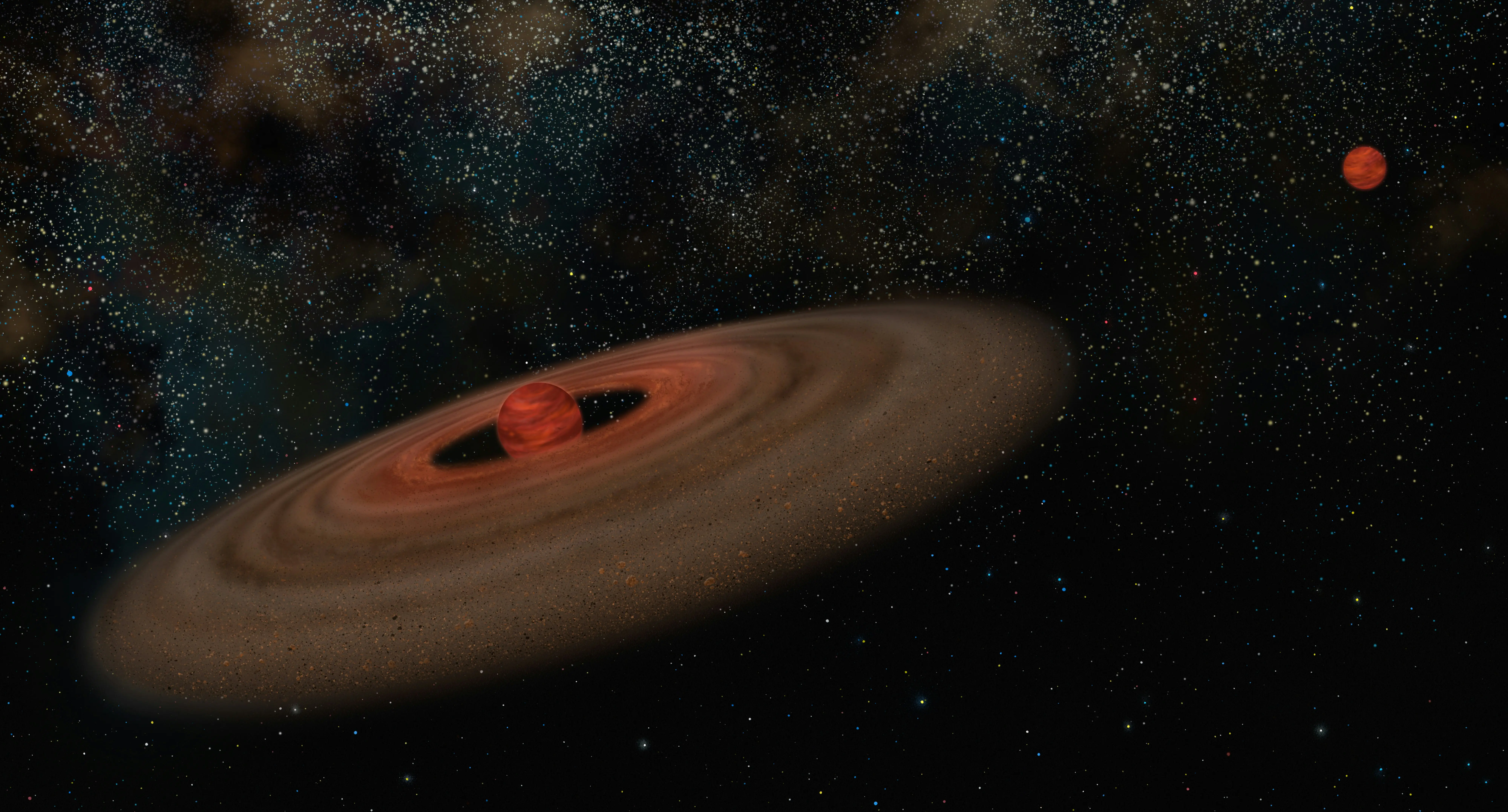
Scientists aren't sure what CWISE J1249 is. It could be a star or a brown dwarf, falling somewhere in between the categories of a gas giant planet and a star. It is also low in mass, making it difficult to put it in a box. Brown dwarfs are quite common in the Milky Way, as volunteers of the same project have found over 4,000 of them. But all of them are expected to stay inside the Milky Way in the near future and are not on track to leave the galaxy, unlike CWISE J1249.

CWISE J1249 is believed to be one of the oldest objects in the Milky Way
Another intriguing thing about CWISE J1249 is its composition, which suggests that it is among the first objects to be formed in the Milky Way. Scientists using the W. M. Keck Observatory in Maunakea, Hawaii, found something new about it. It had much less iron and other metals compared to other stars and brown dwarfs. They say it means it is from one of the first generations of stars in our galaxy.

Could it have been part of a binary system?
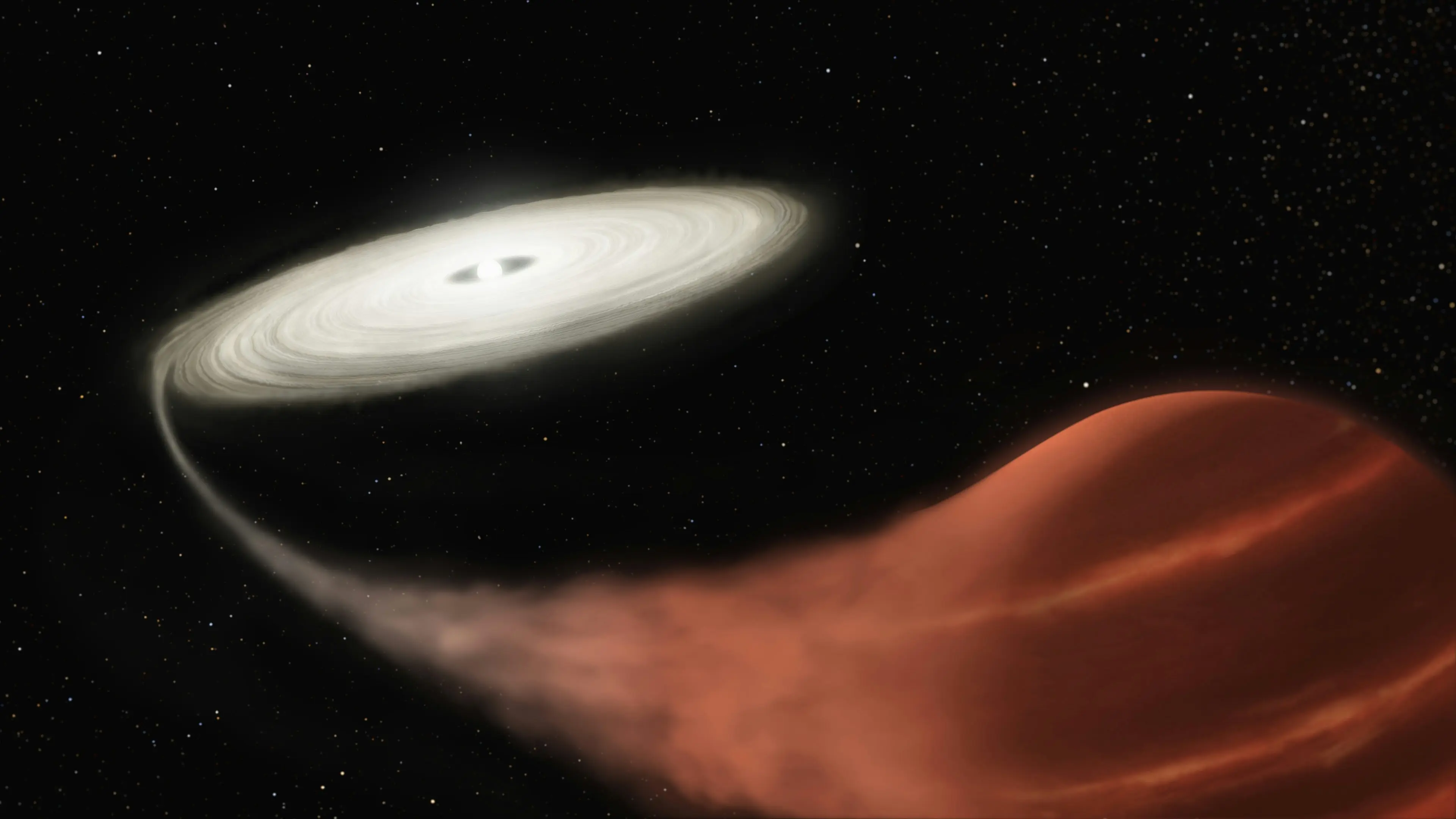
One theory put forward is that CWISE J1249 likely originated in a binary system with the other one being a white dwarf. It pulled off so much material from its companion that an explosion occurred, triggering a supernova.

Three-body interaction kicked it out?
A second explanation for this fast-whizzing is that it came from a tightly bound cluster of stars called a globular cluster and encountered a pair of black holes. The three-body interaction likely tossed that star out of the globular cluster.
Further research being conducted on CWISE J1249
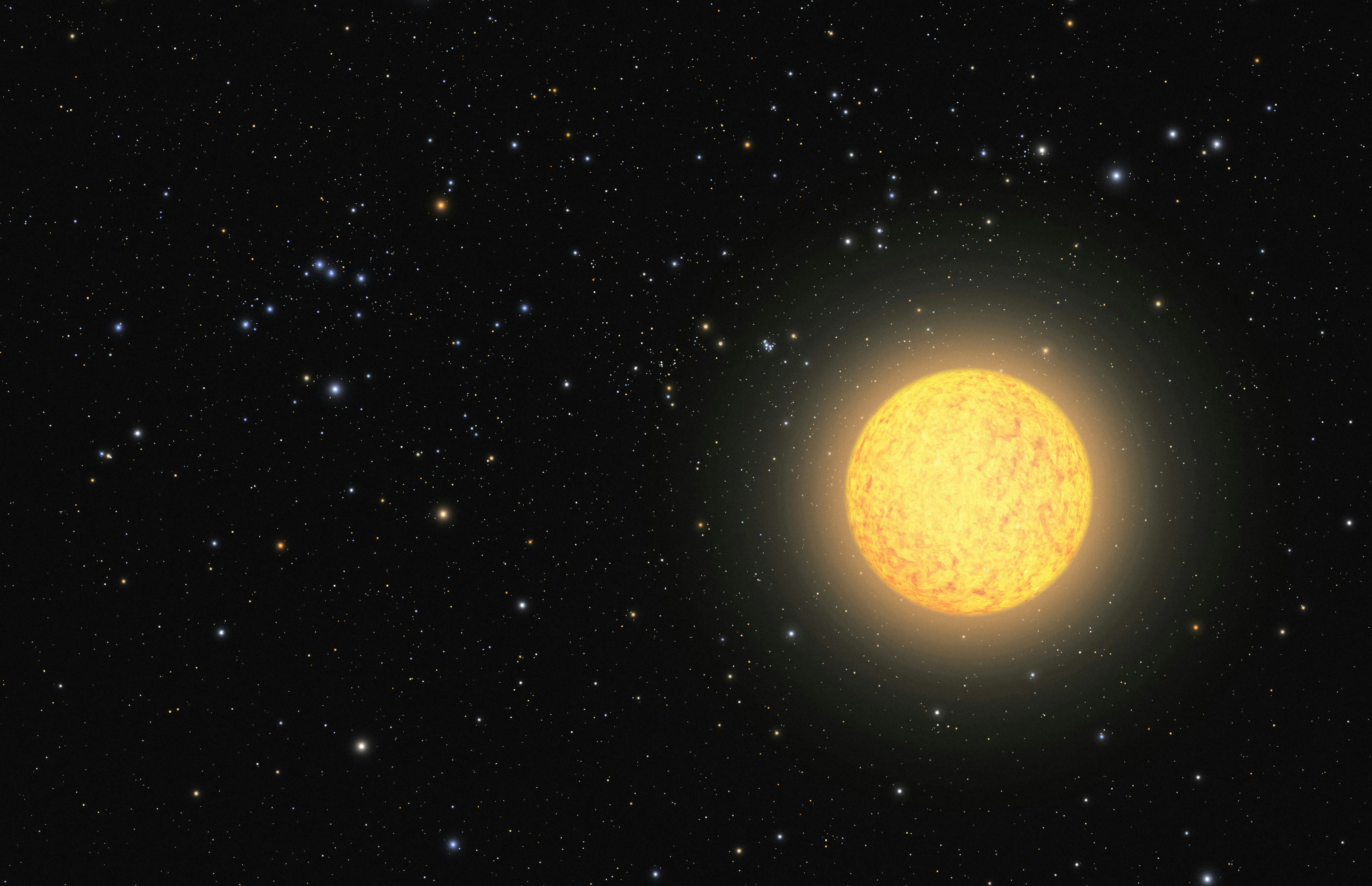
Astronomers think it could have been here all this time and has only just been noticed. It is also possible that it came from another galaxy and is now racing to leave our star system. Scientists are working to understand the elements present in CWISE J1249 that will hint at which of these scenarios has a higher likelihood of occurring, leading this object to whiz around at such a fast pace.
)
)
)
)
)