Crude oil is Black Gold: Iran war made us understand its importance, the hard way. How each barrel gives products we use daily

The war in West Asia between the US, Israel and Iran has caused widespread disruption in crude oil supply, as Iran started attacking facilities in Gulf States and disrupted the trade via Strait of Hormuz. Beyond the obvious products, each gallon of crude oil results in multiple products
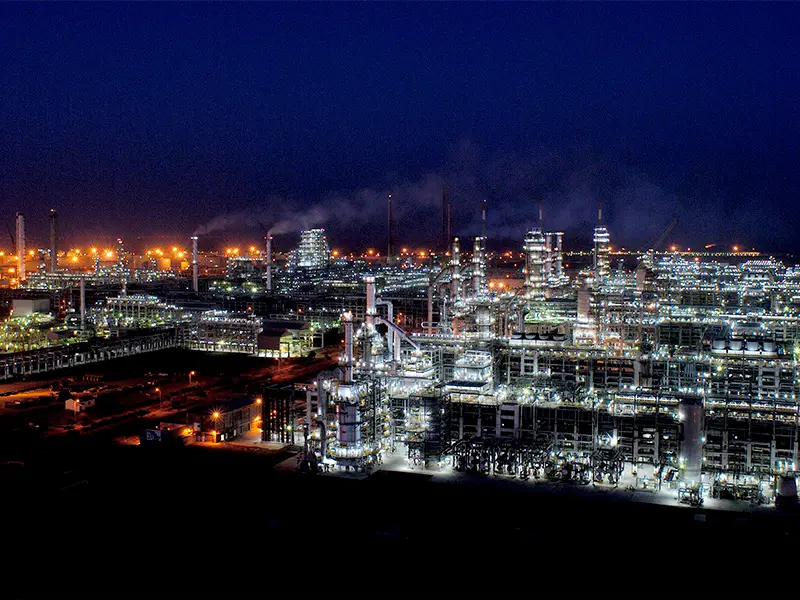
Crude is more than fuel: How it is used in Everyday Products
Crude oil prices are going up due to the Iran-US-Israel war and subsequent disruption of the Strait of Hormuz, through which nearly 20 per cent of oil trade passes. Called the Black Gold, crude is more than just fuel. It is the foundation of modern materials, chemicals, and industries. One barrel of crude oil supports thousands of end products across sectors.
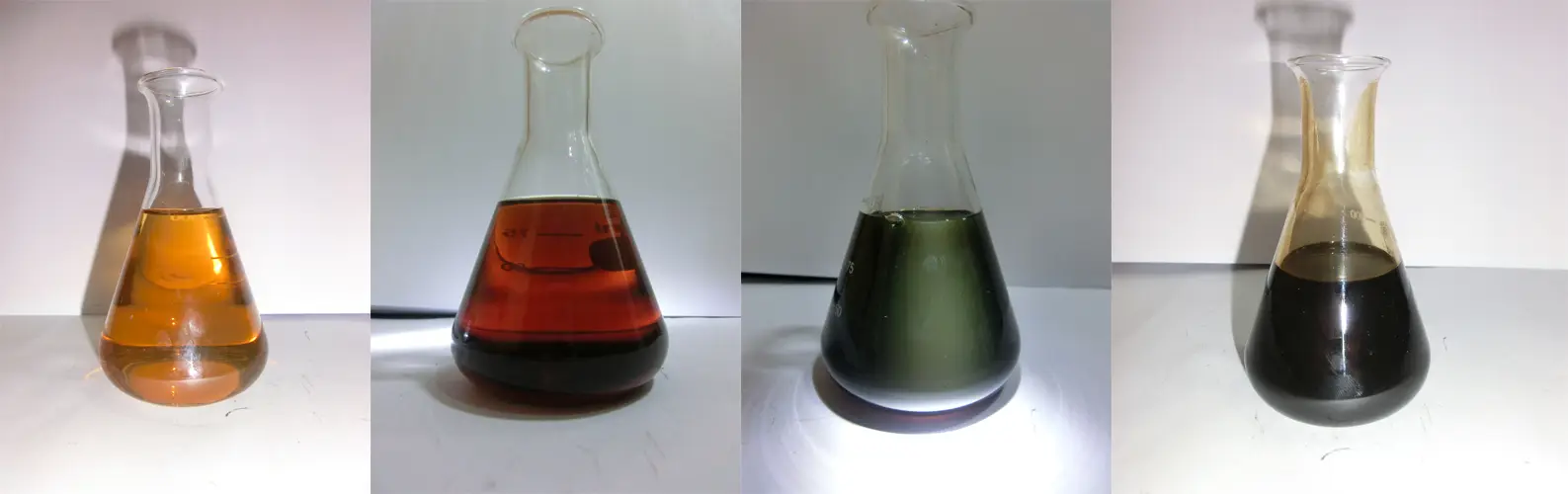
The lifecycle of Crude oil, from Arrival to Preparation
Once extracted from the earth, crude oil arrives through pipelines or tankers. The crude is desalted to remove water, salts and other impurities. Then it undergoes several heating processes to extract multiple chemicals, before being sent to refineries.
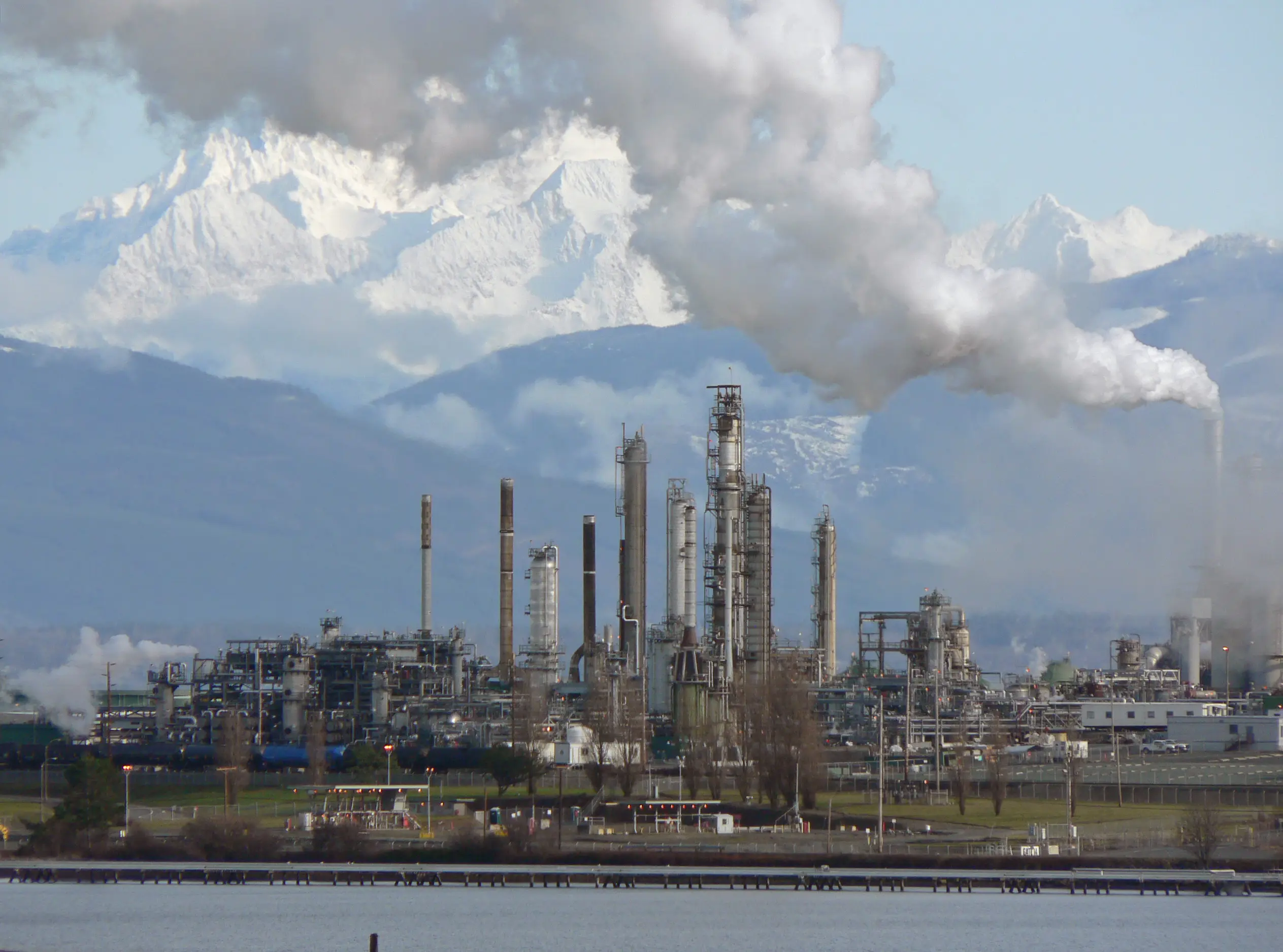
The primary refining of crude
Refining is where the magic happens. Crude is separated by boiling point in a distillation column. No chemical change occurs this time, only physical separation. During this process, LPG gas,
naphtha, kerosene and diesel are produced. The residue is further refined to get other products.
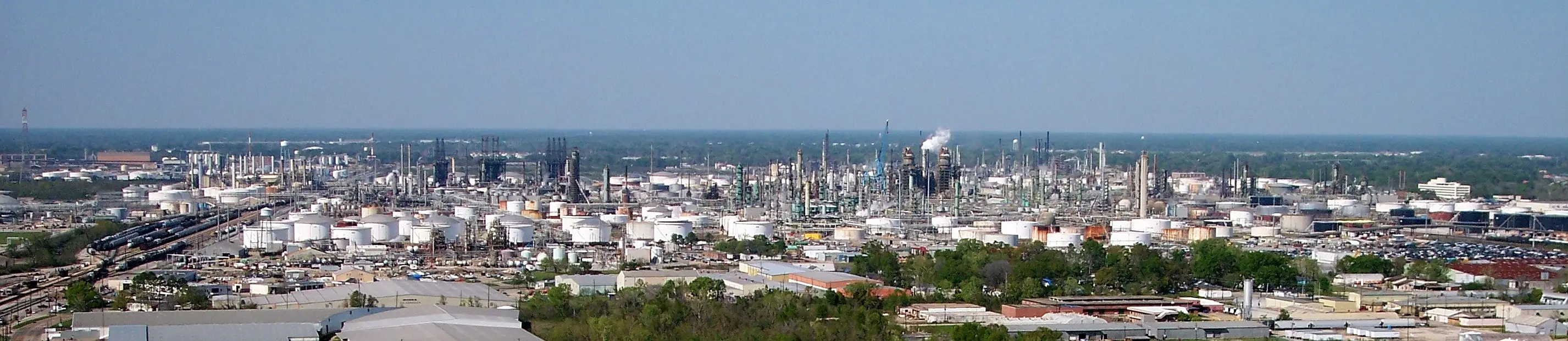
From LPG to construction: How crude oil products are used
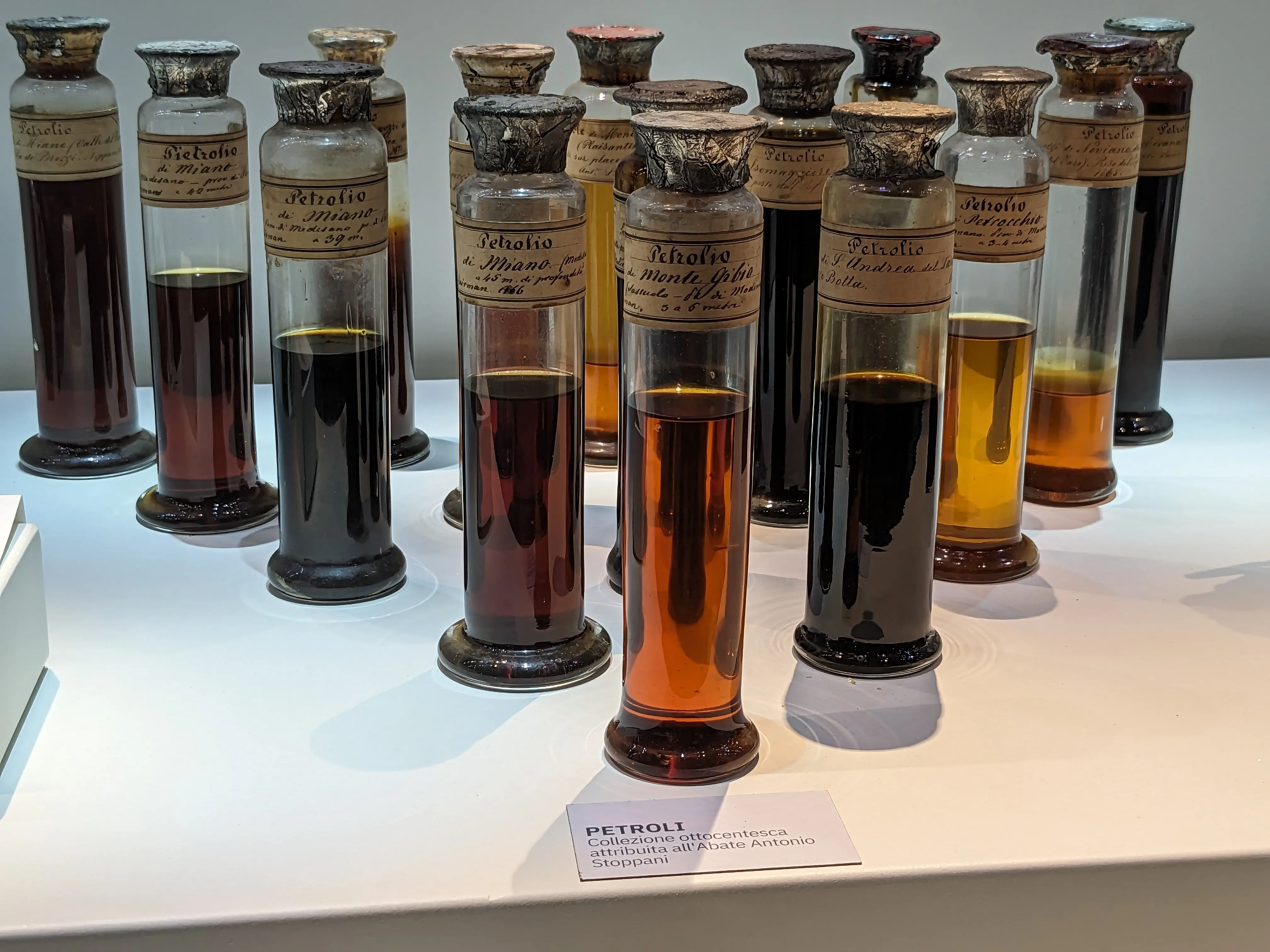
Liquefied Petroleum Gas (LPG) is used for cooking and heating, while naphtha feeds gasoline blending and petrochemicals. Kerosene is used in household cooking and also becomes jet fuel. Diesel is used mostly in transport. The residue is used for asphalt or goes into further processing.
Secondary processing of crude
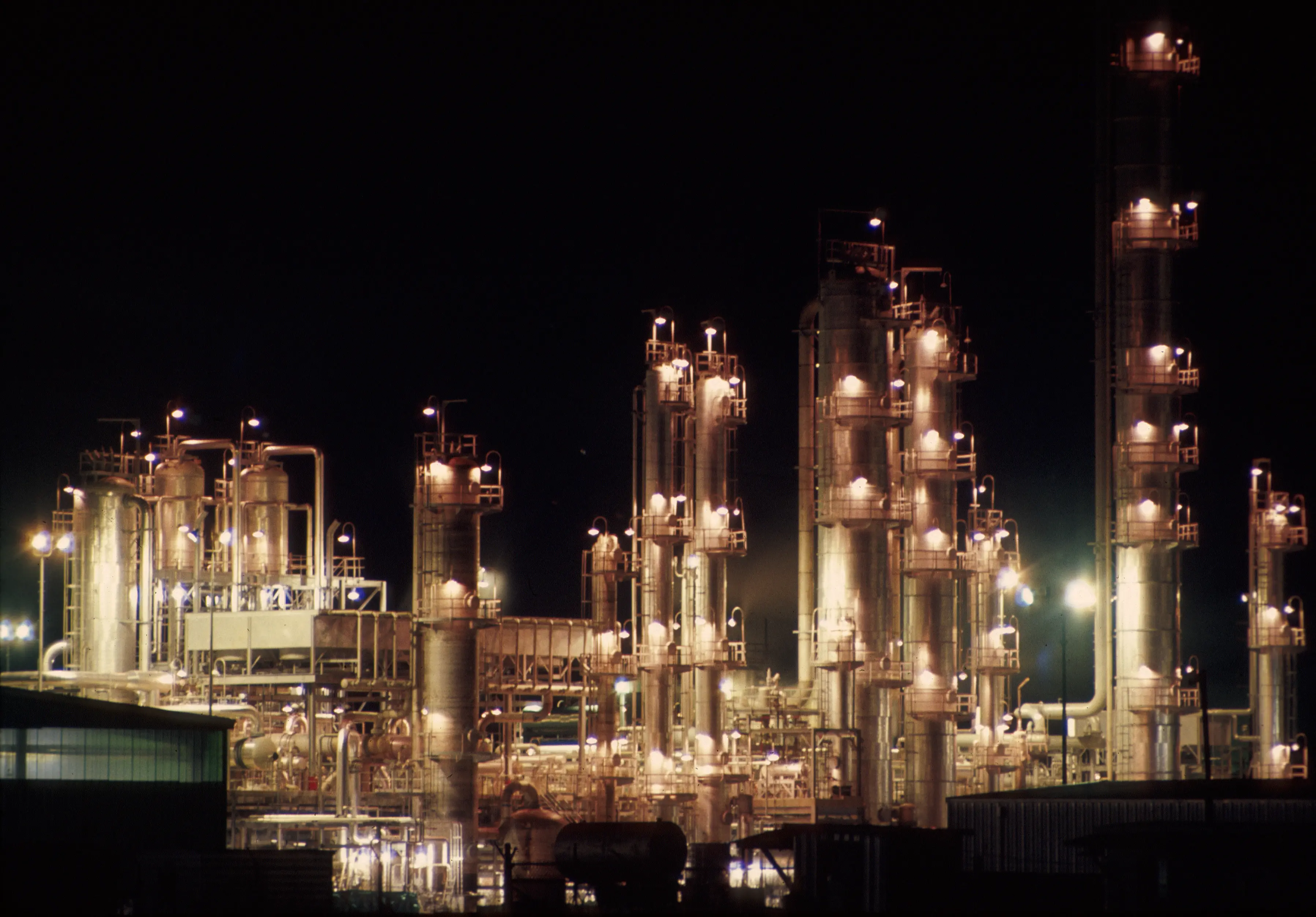
The heavy fractions of crude are further upgraded into valuable products that go into numerous industries. Vacuum distillation produces vacuum gas oil (VGO), while FCC or Fluid Catalytic Cracking and hydrocracking break large molecules into fuels and olefins. These are extracted from crude through complex chemical and thermal processes that use pressure, catalysts and hydrogen.
Petrochemicals: The Core Building Blocks of industies
High heating leads to multiple chemicals, such as ethylene and propylene, that go into various industrial uses. Aromatics are extracted from reformate which are used in numerous products in the cosmetics and perfume industries.

Crude oil is behind Plastics and numerous Material Products
Ethylene and propylene form the building blocks of plastics like Polyethylene, the most widely used synthetic plastic. Another plastic derived from crude is Polypropylene or PP, which is heat-resistant and versatile. PP is used in your food containers, bottle caps and auto parts. Multiple products from this refining process go into packaging, construction, electronics, and healthcare uses.

Petrochemicals are behind Cosmetics, FMCG products and Fertilisers
Petrochemicals create surfactants, emulsifiers, and preservatives, which are used in shampoos, detergents, cosmetics and cleaning products. Refineries supply hydrogen and other chemicals required for creating fertilisers
How a barrel of crude creates magic products
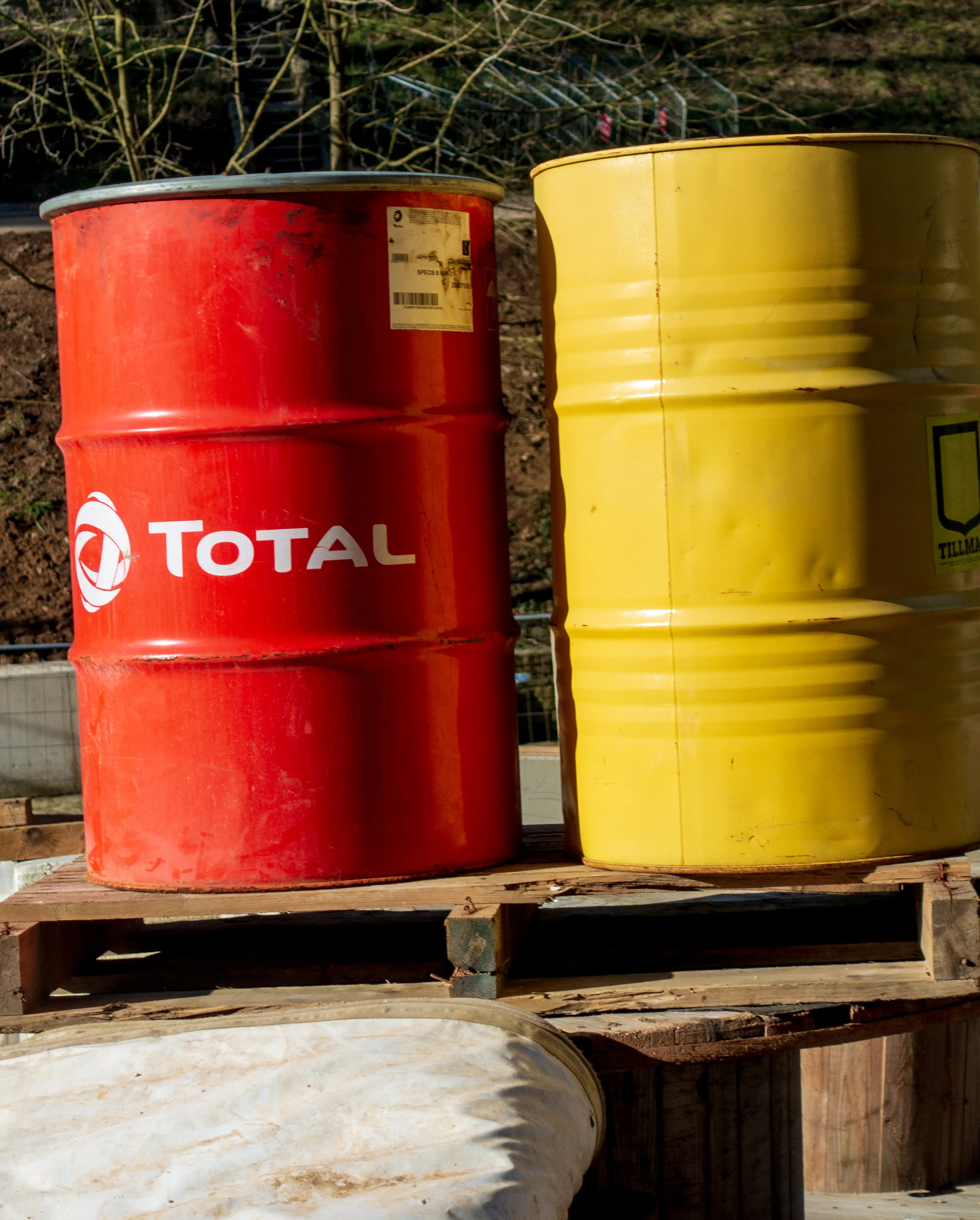
Every barrel of crude is a magic fountain of multiple products, with up to 80 per cent of crude turned into gasoline, diesel and jet fuel. The so-called 'processing gain' from crude means that a 42-gallon barrel yields up to 45 gallons of products. These products support transportation, agriculture and consumer goods. This is why crude oil is central to modern life beyond energy.
)
)
)
)
)