Crossing the 'point of no return': What really happens beyond a black hole’s event horizon?

As telescopes capture the first shadows of black holes, the mystery deepens, are they cosmic graveyards, or gateways to something far stranger?
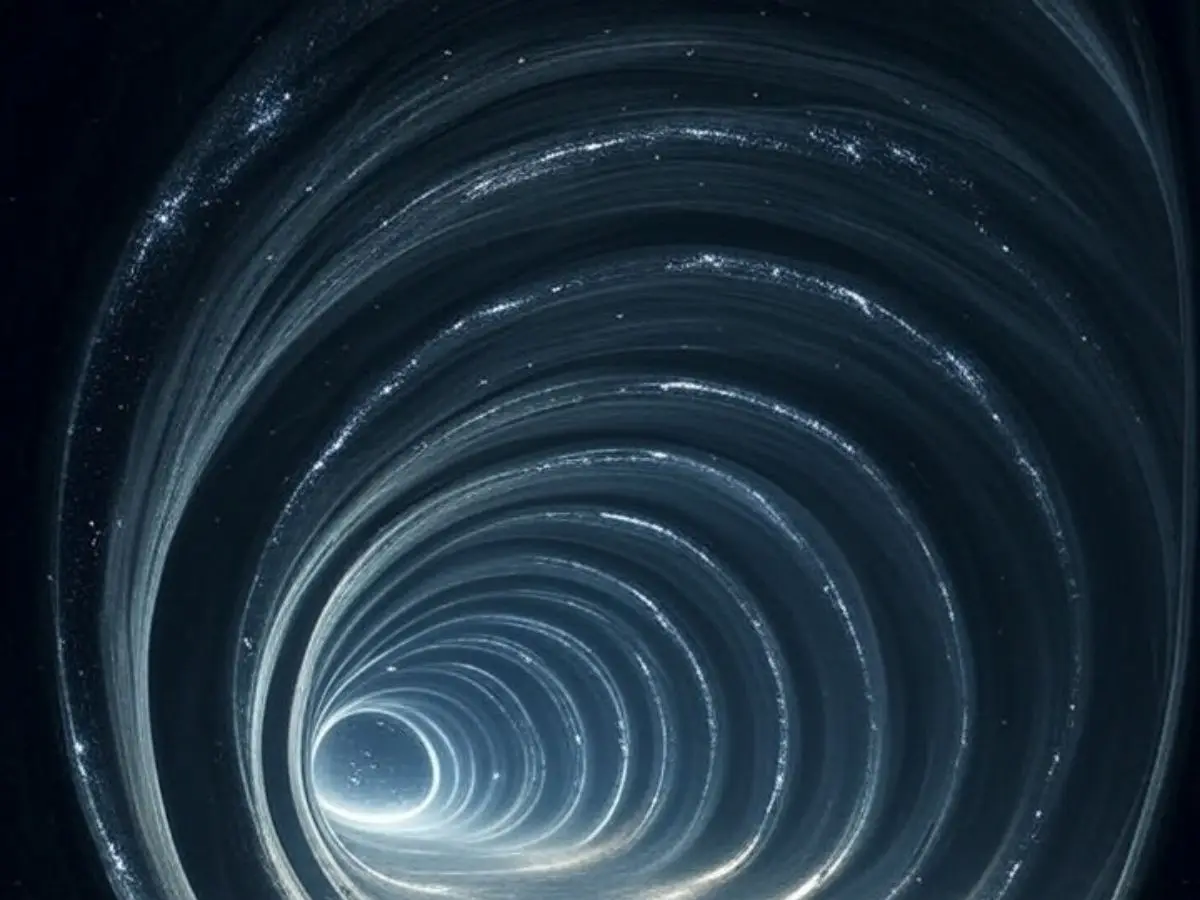
The cosmic boundary of no return
For decades, scientists have stared into the darkness of black holes, yet one question continues to haunt astronomy: what lies beyond the event horizon? This invisible frontier, where light itself is trapped, marks the edge of known physics. To an outside observer, it is the final glimpse of matter before it disappears forever. Beyond it may lurk singularities, hidden universes, or clues to time and space that defy our understanding. As telescopes capture the first shadows of black holes, the mystery deepens, are they cosmic graveyards, or gateways to something far stranger?

A point of no escape
Approaching the event horizon, the laws of physics behave in extraordinary ways. Matter falling into a black hole undergoes 'spaghettification', stretched by tidal forces until it is pulled apart atom by atom. Time itself slows near the horizon, so while an object seems to freeze to a distant observer, it would continue falling inward relentlessly. Once it passes the horizon, escape is impossible.
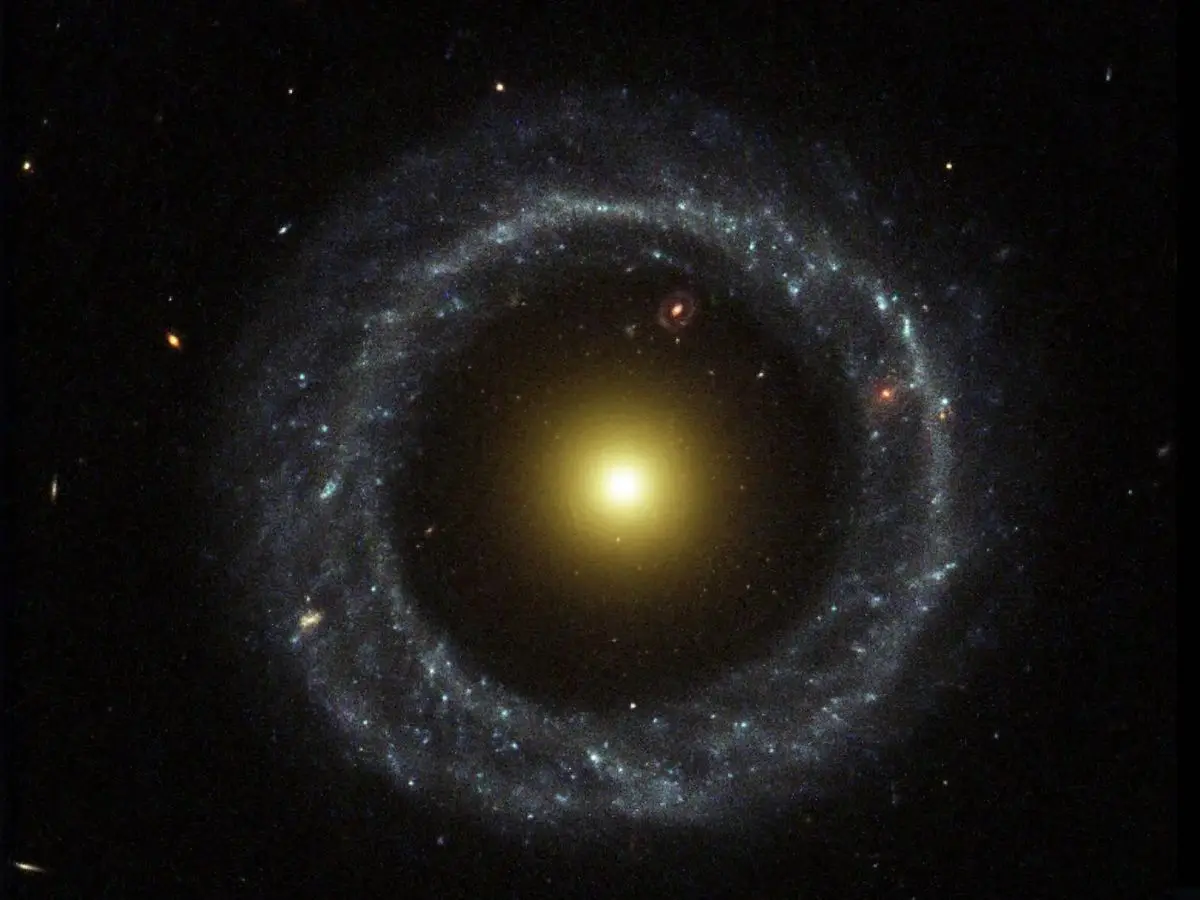
The singularity at the centre
At the very core of a black hole lies the singularity, an unimaginably dense point where all the mass has collapsed into infinite density. Here, the known laws of physics break down entirely. Einstein’s theory of general relativity predicts its existence, but it cannot describe what truly happens inside. The singularity represents a frontier where a future theory of quantum gravity is needed to unify general relativity with quantum mechanics.
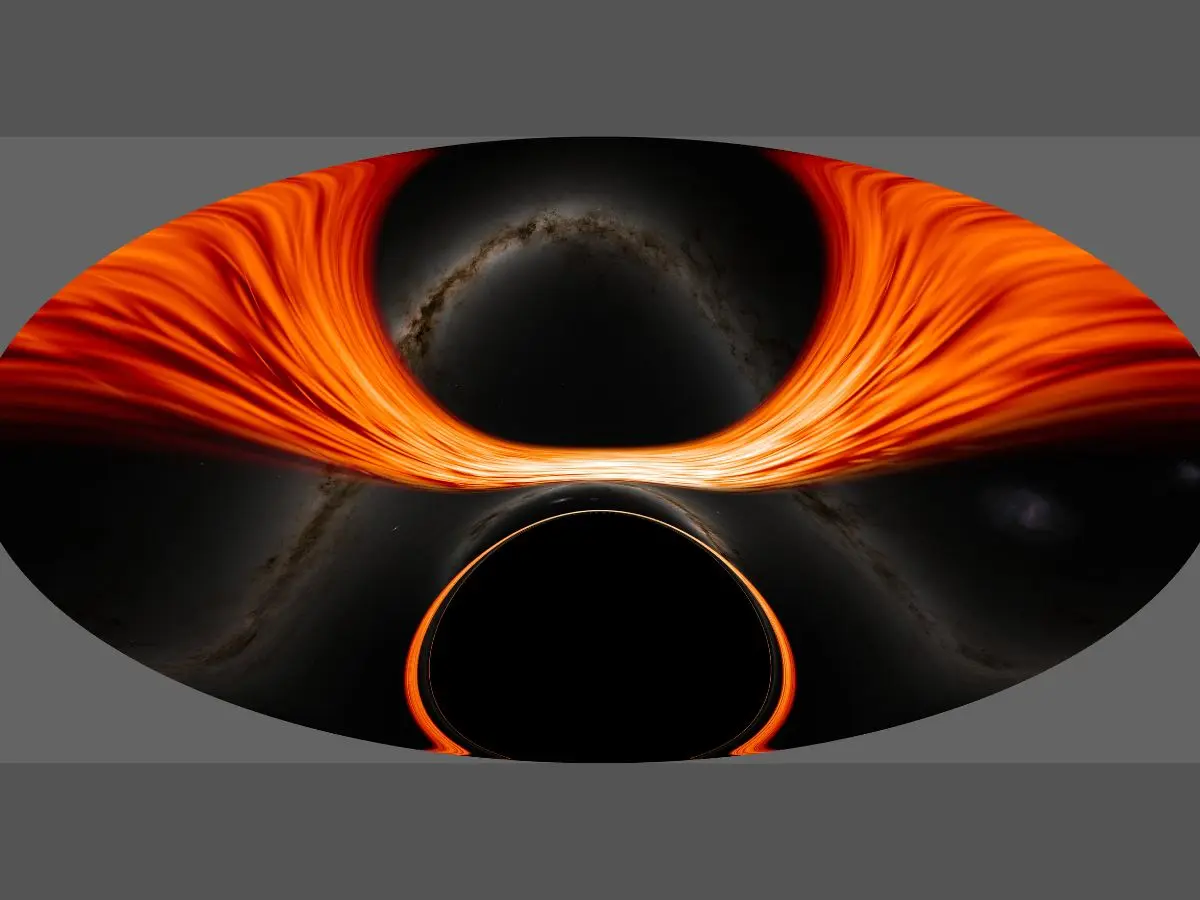
Wormholes and other possibilities
Some physicists have speculated that black holes may hide wormholes-tunnels through spacetime that could connect to other regions of the universe, or even to entirely new universes. While these remain theoretical, the mathematics of relativity allows the possibility. If such a structure exists, however, it would likely collapse too quickly for anything to travel through safely. Still, it leaves open the provocative question of whether black holes could be gateways rather than dead ends.
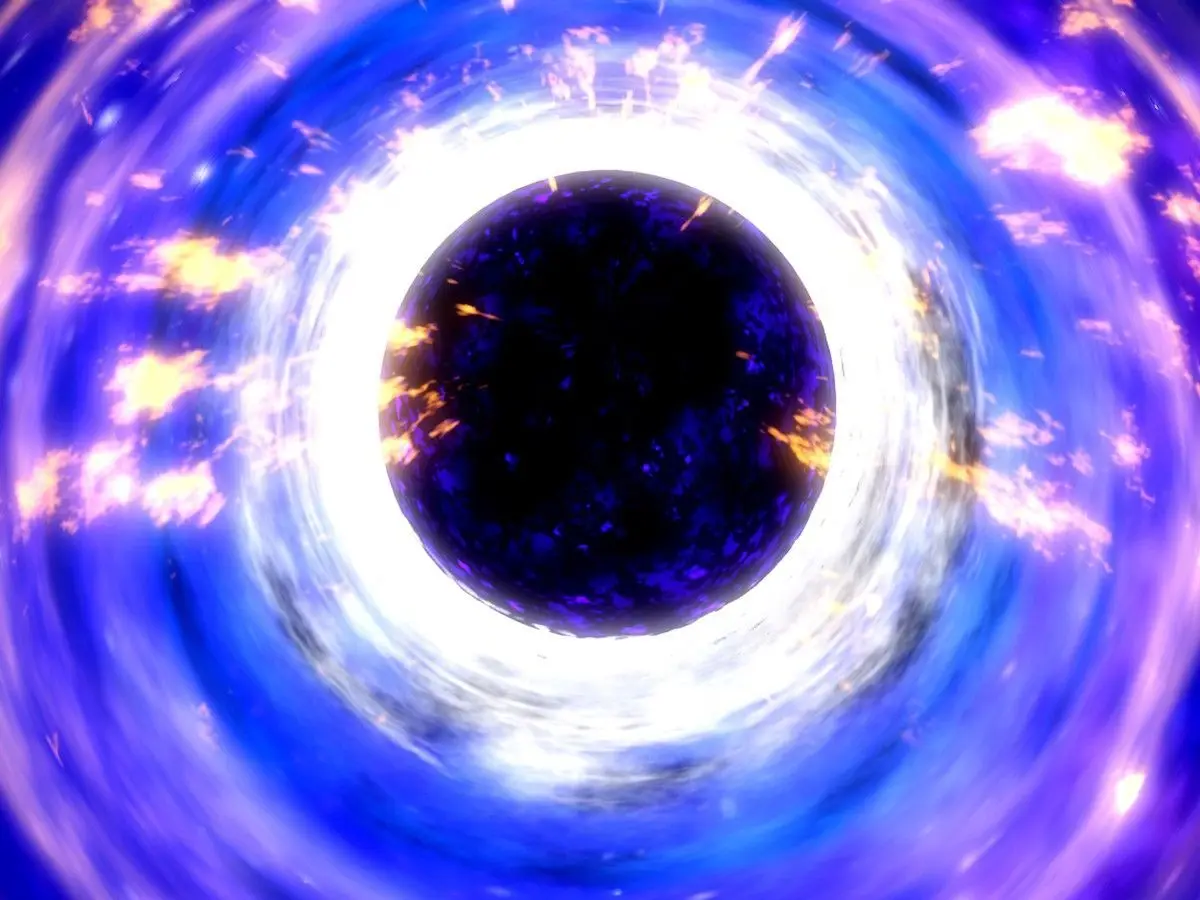
Why we cannot see beyond
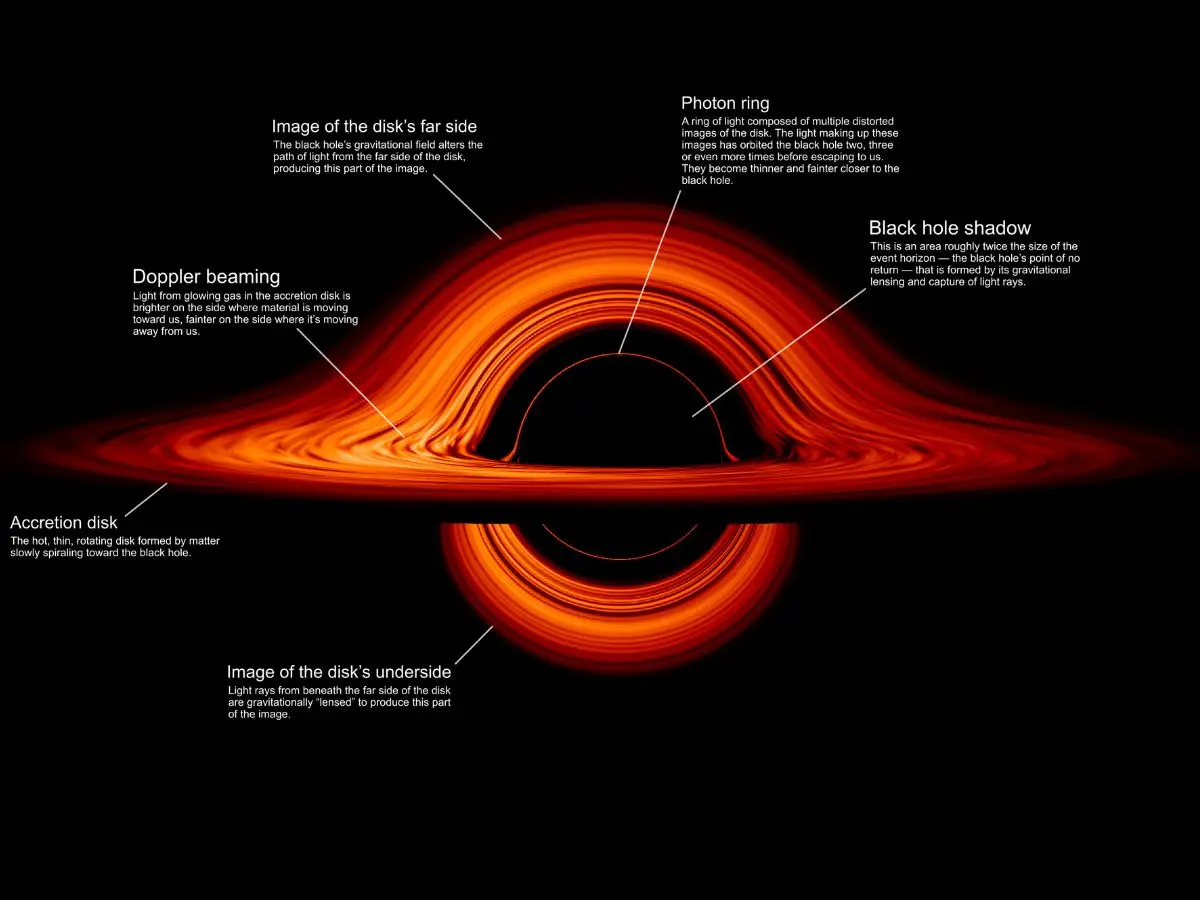
The reason nothing can escape the event horizon is tied to the nature of light itself. The escape velocity at this boundary exceeds the speed of light, meaning any particle or information inside is trapped. Even the most advanced telescopes, such as the Event Horizon Telescope that captured the first images of black holes in 2019 and 2022, can only show the shadow cast at the horizon, not what lies within.
Clues from radiation
Paradoxically, black holes are not entirely silent. Stephen Hawking theorised that they slowly emit radiation at the quantum level, meaning they could eventually evaporate over unimaginable timescales. If true, Hawking radiation may provide indirect clues about the secrets beyond the event horizon, since it suggests black holes are not eternal prisons but dynamic, changing entities.
The ultimate frontier
For now, what hides beyond the event horizon remains one of the deepest unknowns in science. It is a boundary where observation fails and imagination begins, where the fabric of reality itself appears to unravel. Whether the answer lies in quantum gravity, hidden universes, or phenomena yet to be conceived, the event horizon remains the most mysterious frontier in the cosmos.
)
)
)
)
)