'Crime at 30 knots': What happens when you break law on USS Abraham Lincoln

Discover the dark side of a floating city. Inside the USS Abraham Lincoln's internal police force, the heavily secured brig, and how military justice is dispensed 3,000 miles from a real courthouse.

A City Without Traditional Laws
When 5,000 young adults—mostly between the ages of 18 and 25—are sealed inside a high-stress steel box for nine months, human nature guarantees that crimes will happen. But the USS Abraham Lincoln doesn't operate under state or civilian law. The moment a sailor crosses the brow of the ship, they are subject entirely to the Uniform Code of Military Justice (UCMJ), a strict federal legal framework where insubordination is an actual, jailable offense.

The Master-at-Arms: The Floating Police Force
You can't call 911 in the middle of the Pacific Ocean. The carrier relies on its own internal, heavily armed police force known as the Master-at-Arms (MA) rating. Recognizable by their tactical vests, sidearms, and badges, the MAs act as the ship's SWAT team, patrol officers, and K-9 drug-sniffing handlers. They conduct random contraband sweeps, break up berthing brawls, and secure active crime scenes at sea.

The Brig: A Jail Under the Sea
Deep in the lower decks of the carrier lies the ‘Brig’—the ship's internal prison. It is a sterile, heavily secured compartment featuring steel cells with bare racks and stainless-steel toilets. Inmates in the brig are stripped of their standard uniforms and rank, forced to wear prison coveralls, and subjected to a grueling routine of strict silence, physical training, and absolute compliance under the watchful eyes of MA guards.
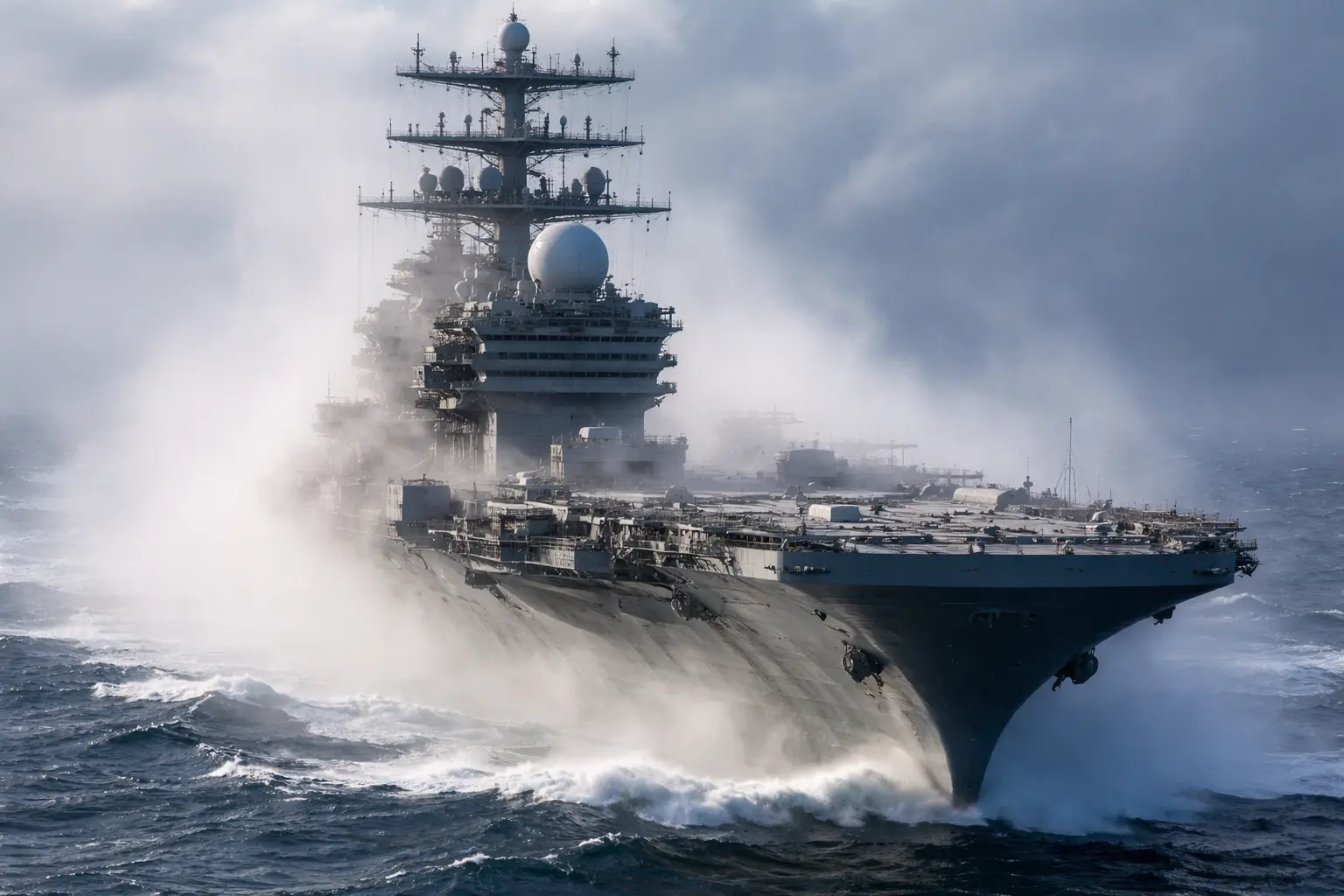
Captain's Mast: The Ultimate Judge
For moderate offenses, there is no jury of peers. The process is handled via Non-Judicial Punishment (NJP), famously known in the Navy as ‘Captain’s Mast.' The accused sailor stands at attention before the carrier's Commanding Officer, who acts as the sole judge. The Captain hears the evidence and immediately issues a legally binding verdict, delivering swift, unappealable justice without the need for a prolonged federal trial.

Crimes of the Deep
What exactly gets a sailor thrown in the brig? While Hollywood focuses on mutiny, the reality of shipboard crime is often rooted in proximity and stress. The most common offenses include theft from fellow sailors (a massive taboo on a ship), physical assaults, dereliction of duty (such as sleeping while on watch), unauthorized access to classified areas, and ‘fraternization’—illegal romantic or sexual relationships within the chain of command.
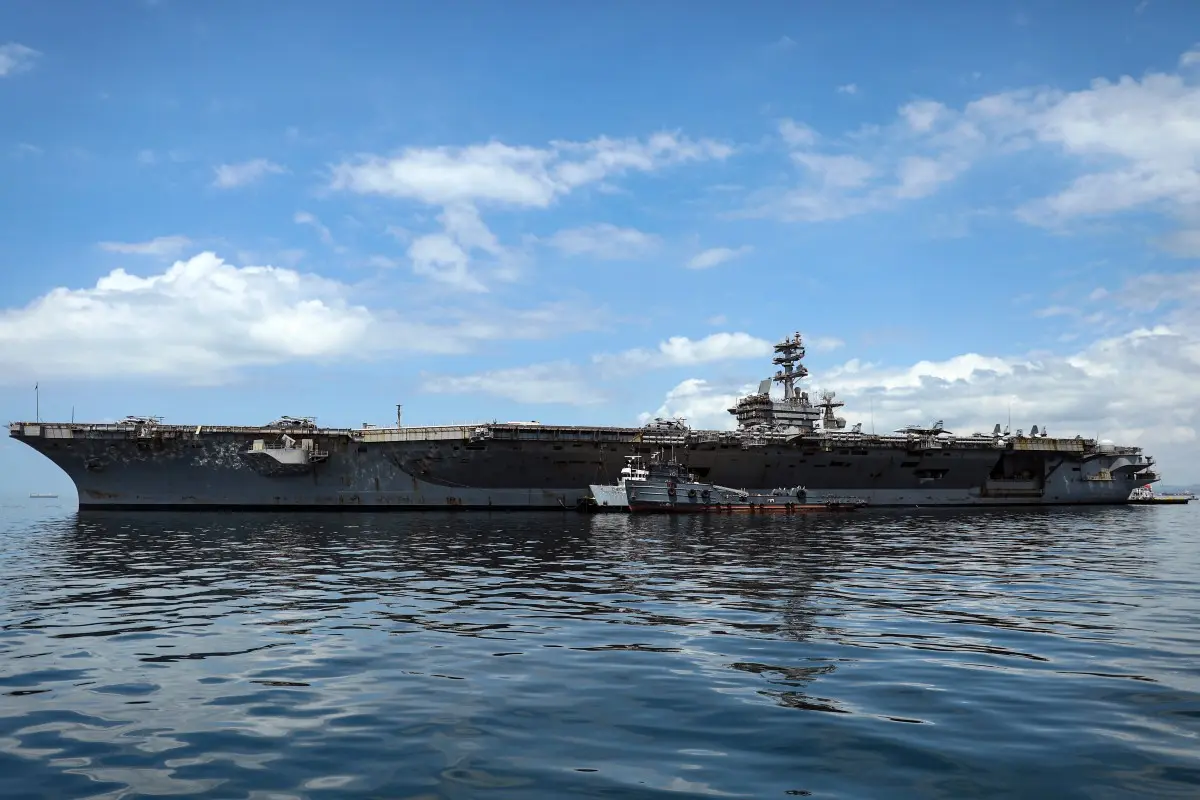
The Price of Guilt: Busting Rank
A guilty verdict at Captain's Mast is financially and professionally devastating. The Captain has the authority to issue ‘reduction in rate,’ literally stripping a sailor of their hard-earned rank. Additionally, the Captain can seize half of the sailor's pay for two months, restrict them to the ship (forbidding them from leaving during overseas port calls), and assign 45 days of grueling extra duty—usually deep-cleaning the ship's bilges and sculleries.
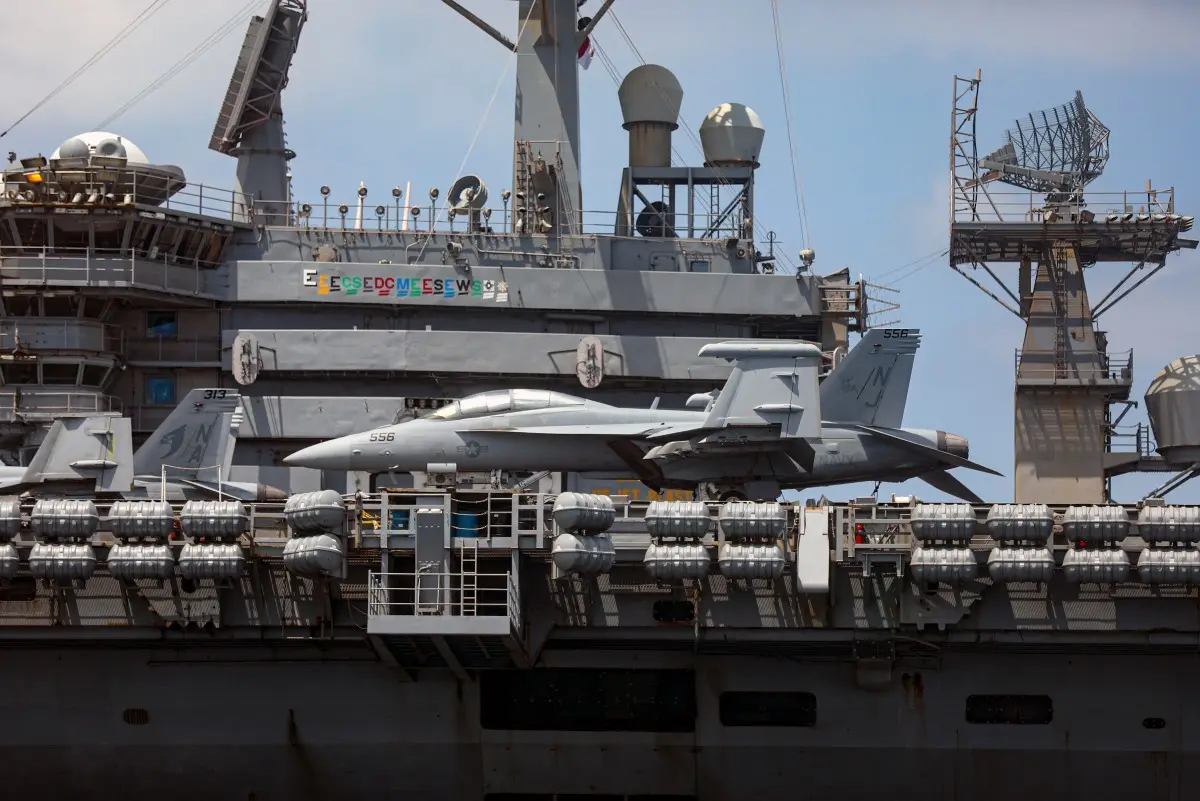
The 'Long Walk' and NCIS
Captain's Mast is for moderate offenses; true felonies are a different story. If a sailor commits a major crime—such as aggravated assault, drug smuggling, or espionage—the Naval Criminal Investigative Service (NCIS) agents assigned to the strike group take over. The suspect is locked in the brig until the carrier reaches port, where they are escorted off the ship in handcuffs, flown to a federal military court-martial, and permanently discharged in disgrace.
)
)
)
)
)