‘Crew risk’: Why Russian tanks store ammunition differently from US tanks

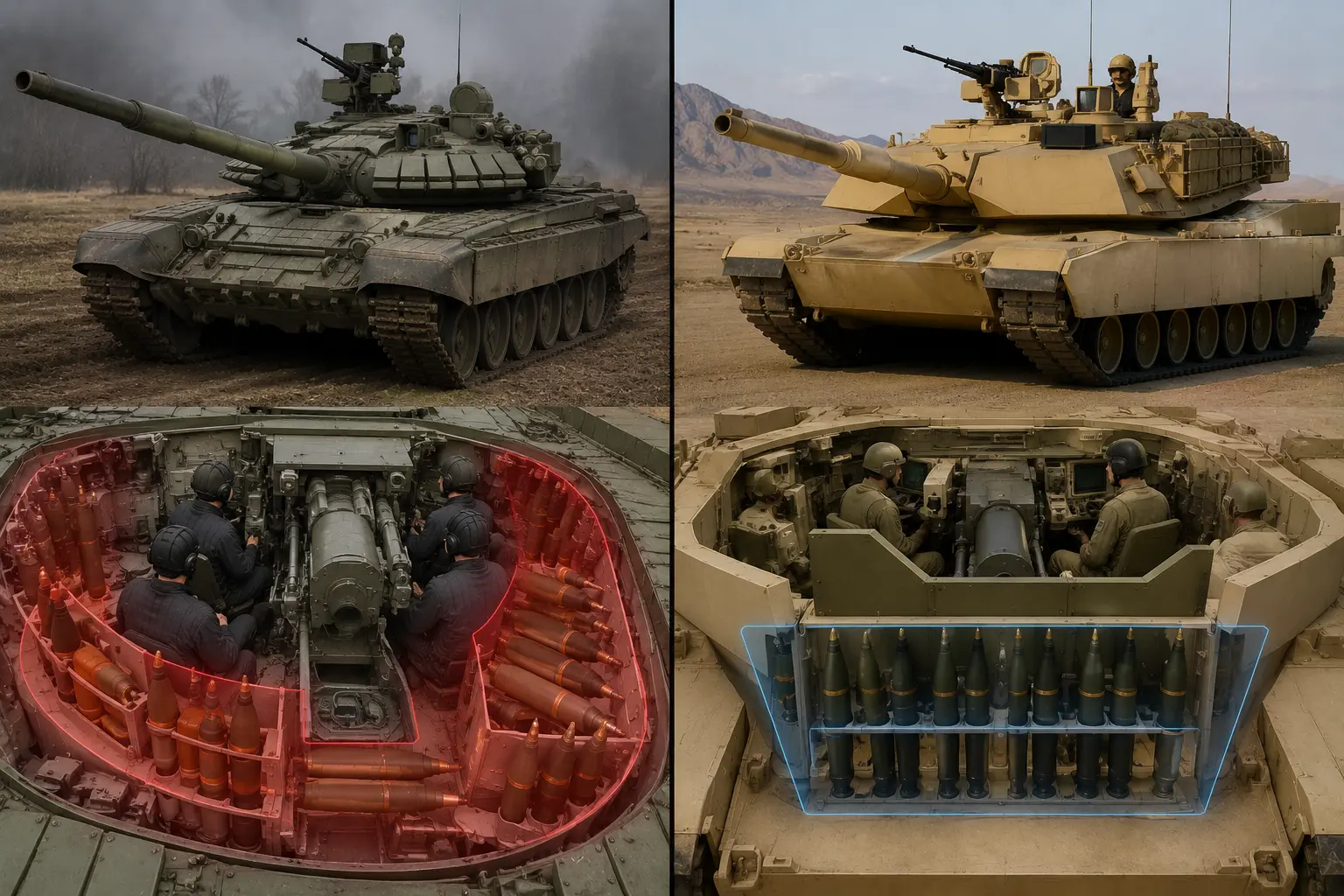
Russian tanks store ammunition under the turret, risking a deadly 'jack-in-the-box' explosion if hit. Conversely, US M1 Abrams tanks use blast doors and blow-out panels, ensuring crew survival even if ammunition ignites. Read more below.
The Russian carousel autoloader
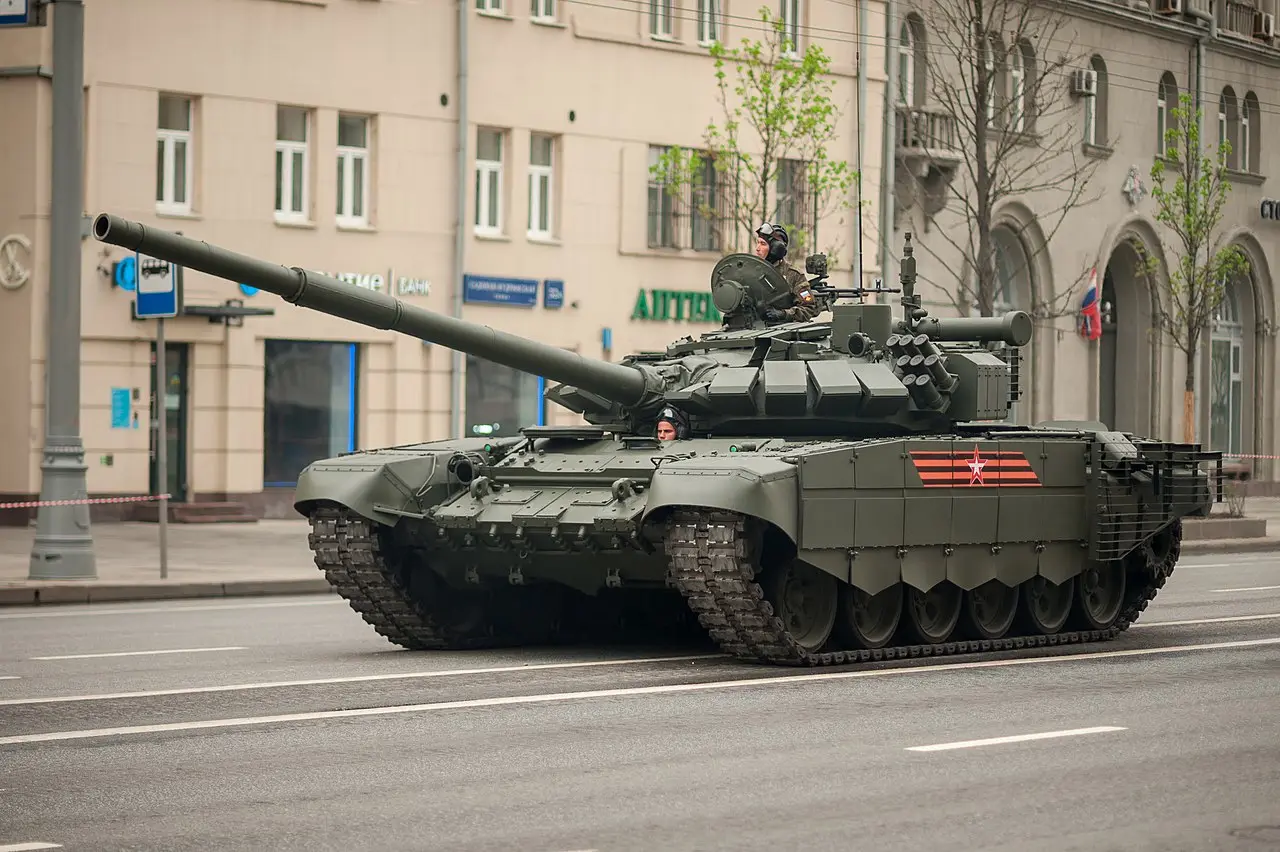
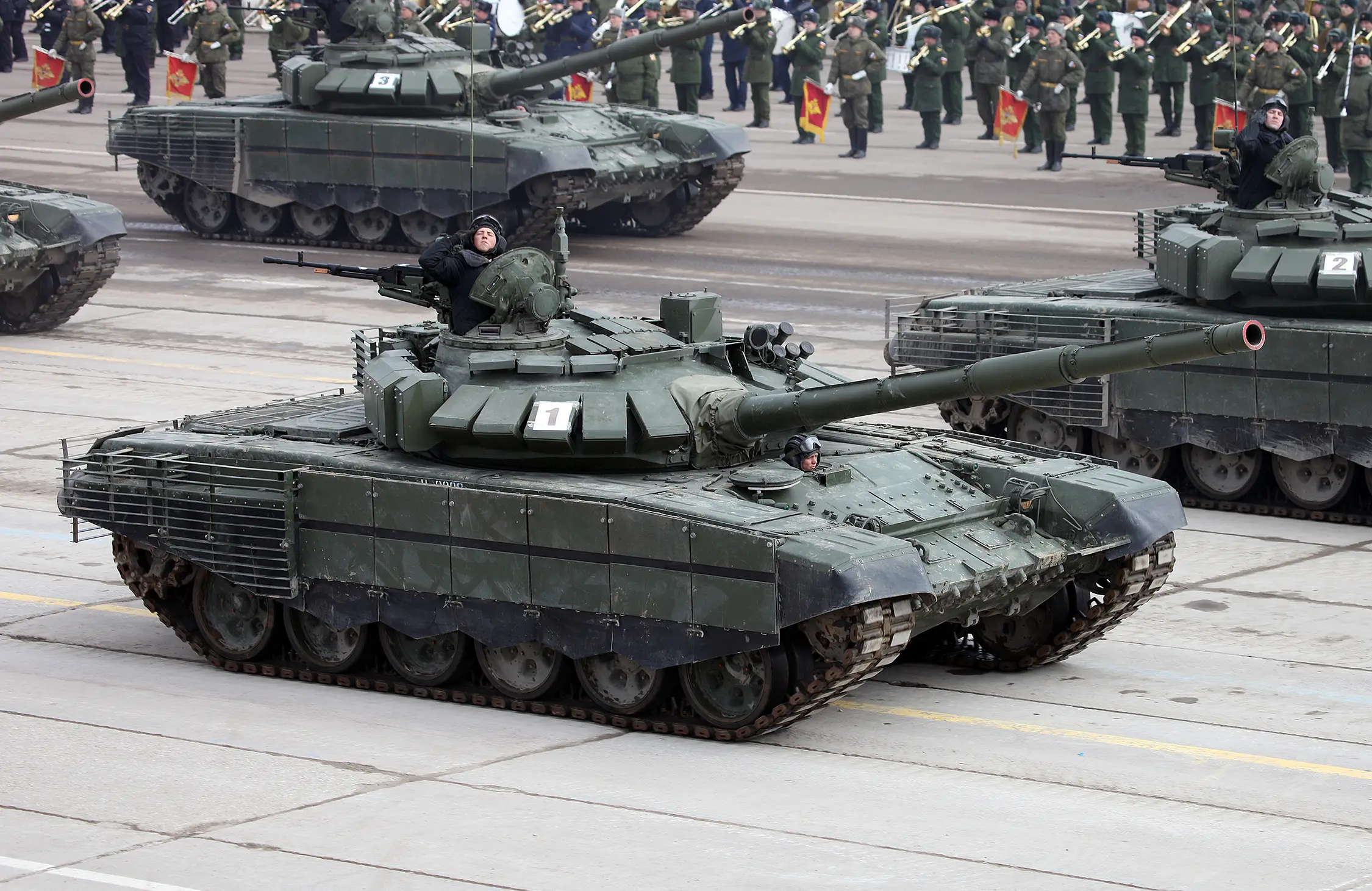
Russian tanks like the T-72 and T-90 store up to 22 ready-to-fire rounds in a circular carousel directly beneath the turret. This unarmoured space is shared directly with the crew.
The deadly 'jack-in-the-box' effect
If an enemy shell penetrates a Russian tank, it can easily ignite the exposed ammunition. The resulting explosion creates massive internal pressure that blows the tank's turret straight into the air.
US tanks use isolated compartments
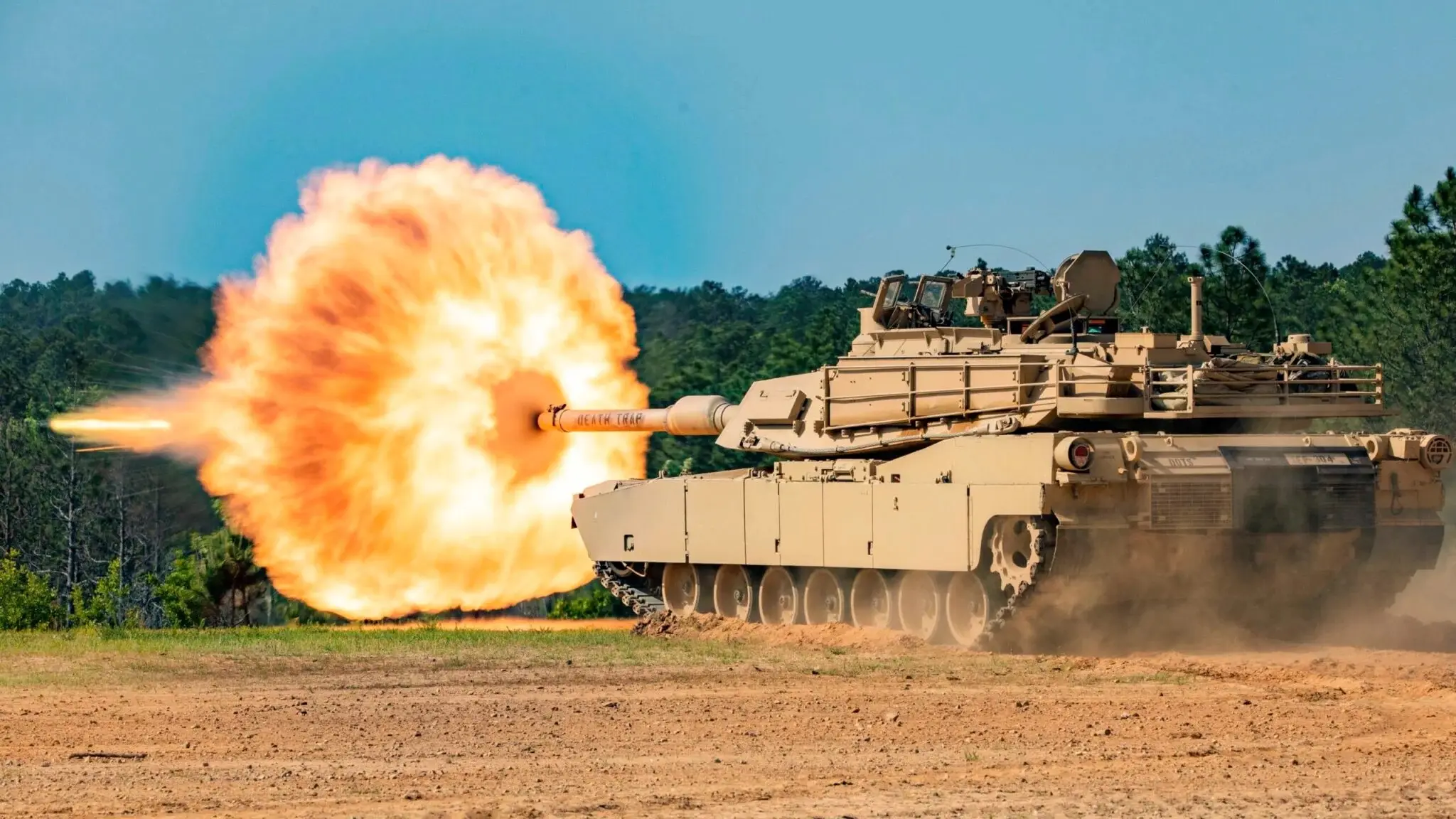
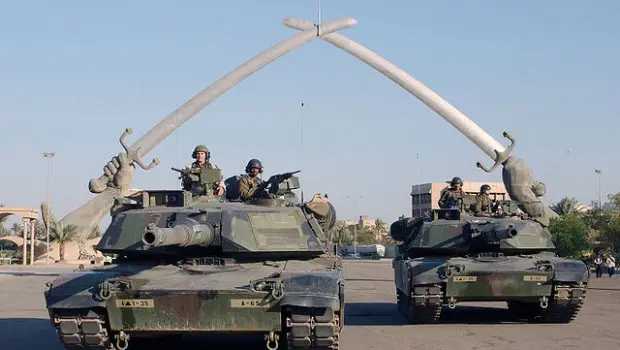
In contrast, the US military's M1 Abrams stores its ammunition in a separate compartment at the rear of the turret. Thick blast doors securely separate the crew from the explosive shells.
Blow-out panels save American crews
If an Abrams is hit and its ammunition ignites, specially designed blow-out panels on the roof safely vent the explosion outwards. This design ensures the crew has a high chance of surviving the blast.
The great design trade-off
Soviet engineers chose the autoloader to make their tanks smaller, cheaper, and faster to reload. Meanwhile, Western designs prioritised larger, heavier tanks to ensure heavily protected crews.
)
)
)
)
)