Crash or land safely? What happens if both engines fail at 36,000 feet?

Edited By Abhinav Yadav
Published: Jun 13, 2025, 19:26 IST | Updated: Jun 13, 2025, 19:26 IST
If both engines fail at 36,000 feet, a plane can glide up to 100 miles. Pilots stay calm, follow emergency steps, and look for safe places to land. With training and teamwork, they can guide the plane down safely even without engine power.
1 / 6
(Photograph: wikimedia commons)
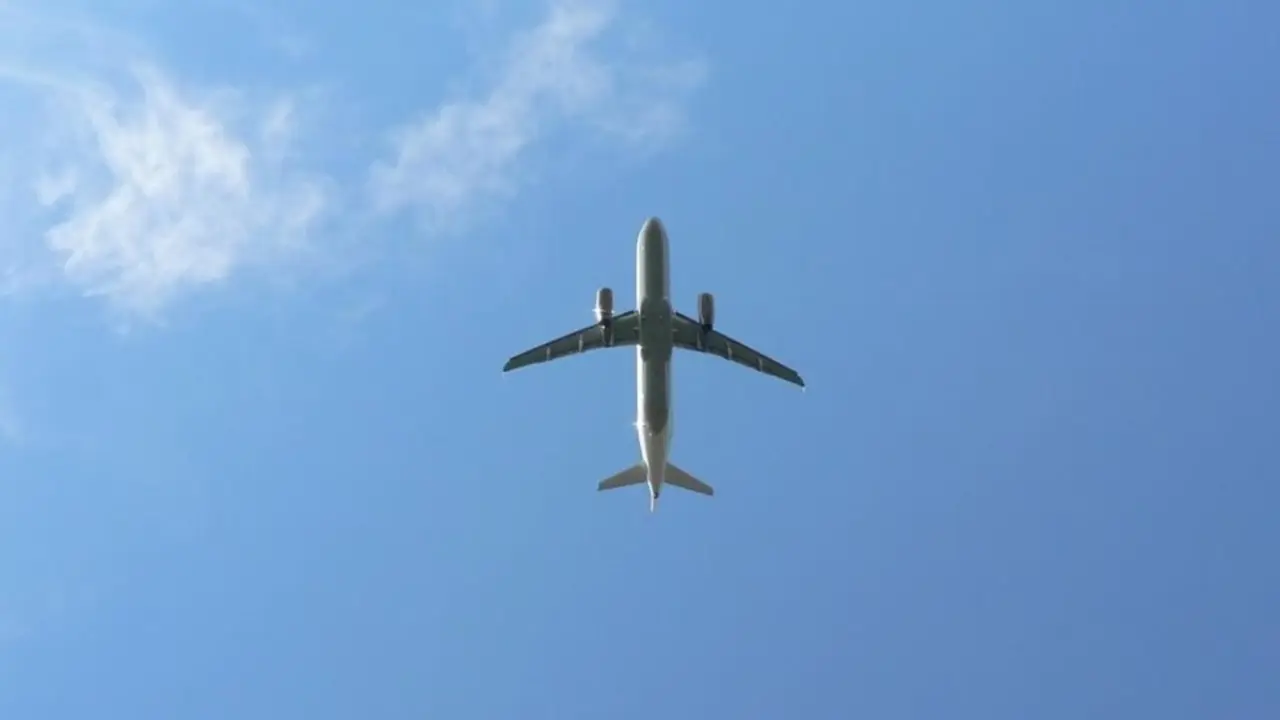
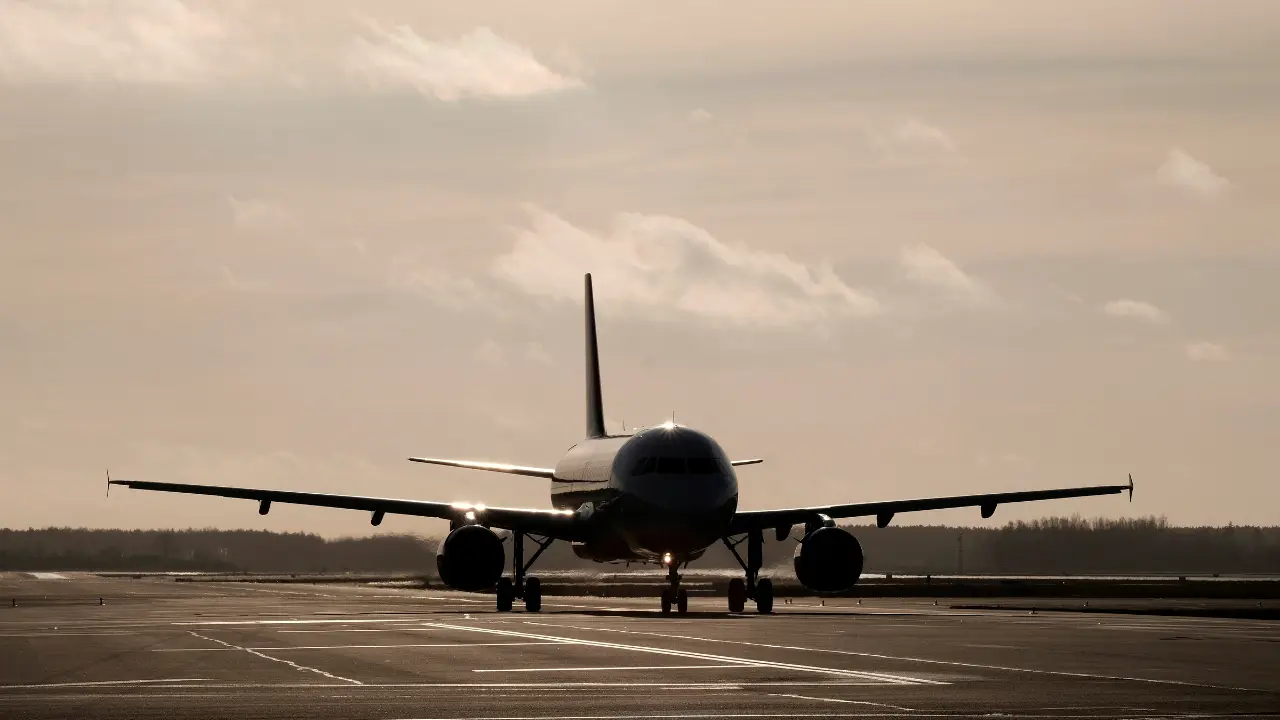
Can a Plane Glide Without Engines?
If both engines stop at 36,000 feet, the aircraft does not drop straight down. It can glide for 80–100 miles, giving pilots time to plan and act.
2 / 6
(Photograph: Reuters)
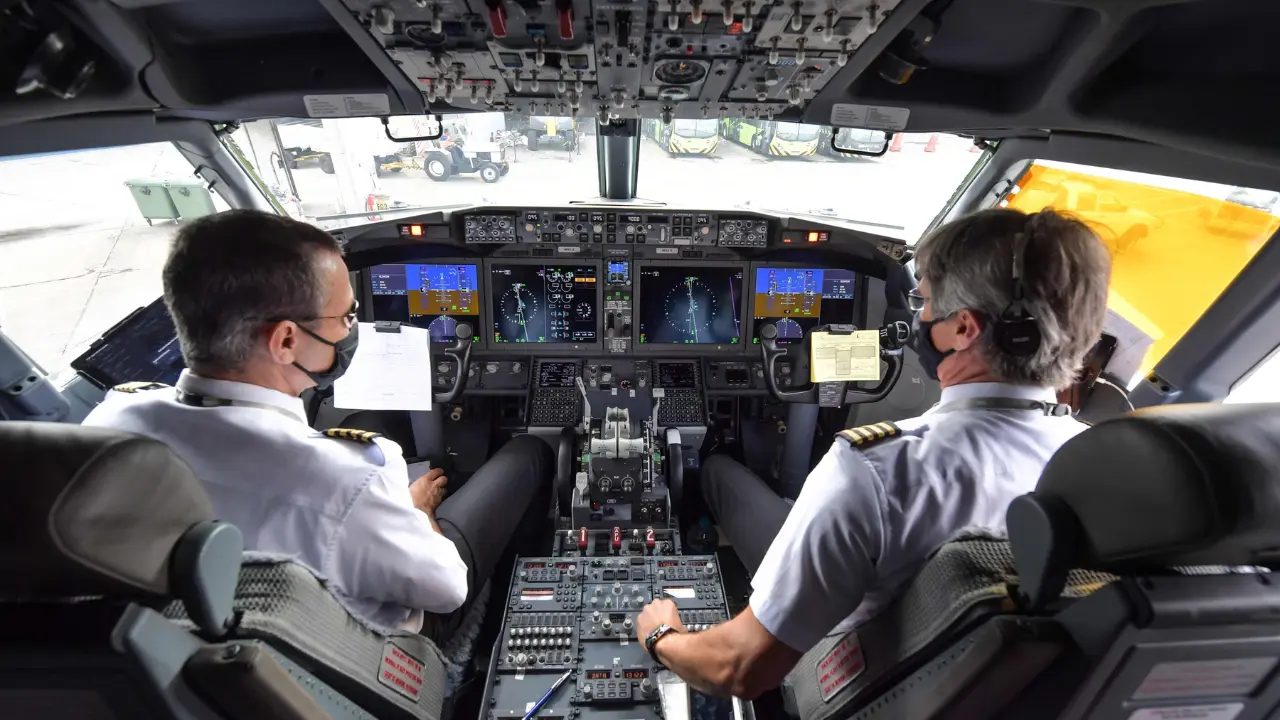
Pilots Stay Calm and Take Control
Pilots are trained for engine failure. Their first job is to keep the plane steady, maintain the right speed, and control the descent to stay safe.

3 / 6
(Photograph: Reuters)
Communicating with Air Traffic Control
Pilots quickly inform air traffic control about the emergency. Controllers help by clearing the airspace and guiding the plane to the nearest safe landing spot.
4 / 6
(Photograph: Reuters)
Searching for a Safe Place to Land
With time and distance, pilots look for the closest airport or open area to land. They use flight maps and instruments to decide the best option.
5 / 6
(Photograph: X)
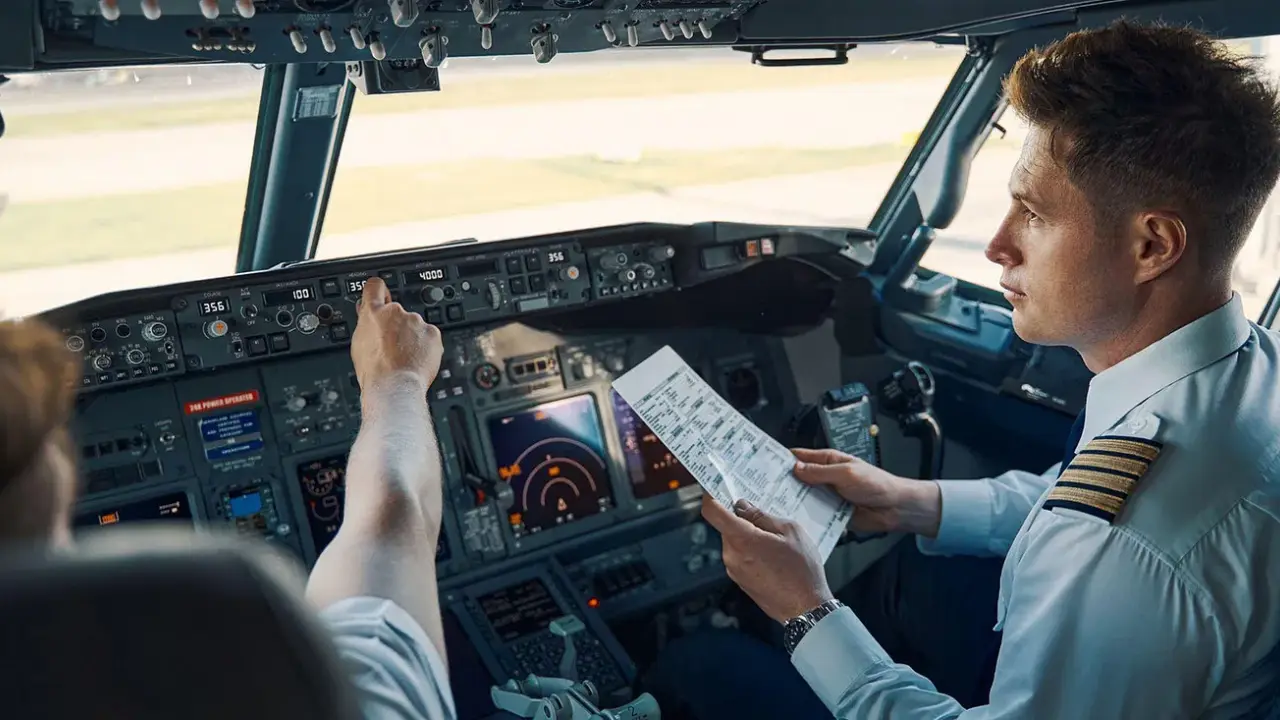
Following Emergency Checklists
Pilots use detailed emergency checklists. They try to restart the engines and prepare the cabin for a safe landing without power.
6 / 6
(Photograph: Reuters)
Using Training for “Deadstick” Landings
Pilots practise “deadstick” landings in simulators. This means landing the plane safely with no engine power, using only glide and careful control.
)
)
)
)
)