Coup without a coup? 10 things to know about Pakistan’s DANGEROUS constitution reform: Nukes, Field Marshal 'rule', immunity, two chief Justices...

Pakistan’s 27th Constitutional Amendment has sparked outrage among politicians, civil society and provinces. If passed, the amendment would centralise power under the military, create lifetime Field Marshals, curb the judiciary and reshape nuclear command and provincial control.

Civil-Military Relations: End of Army chief, Rise of the Chief of Defence Forces
The 27th Constitutional Amendment Bill proposes to abolish the post of Chairman Joint Chiefs of Staff Committee and merge it into a new, more powerful office: the Chief of Defence Forces. As per reports, the new rule would be held by the Army Chief (currently Gen Asim Munir), who would command all three services. In effect, this would eliminate inter-service checks and give the Army institutional primacy over civilian leadership. The changes would amend Article 243, which has governed the command of Pakistan’s armed forces. The amendement would consolidate authority in one uniformed office. This is being seen as the biggest shift in civil-military balance since the Zia-ul-Haq era.
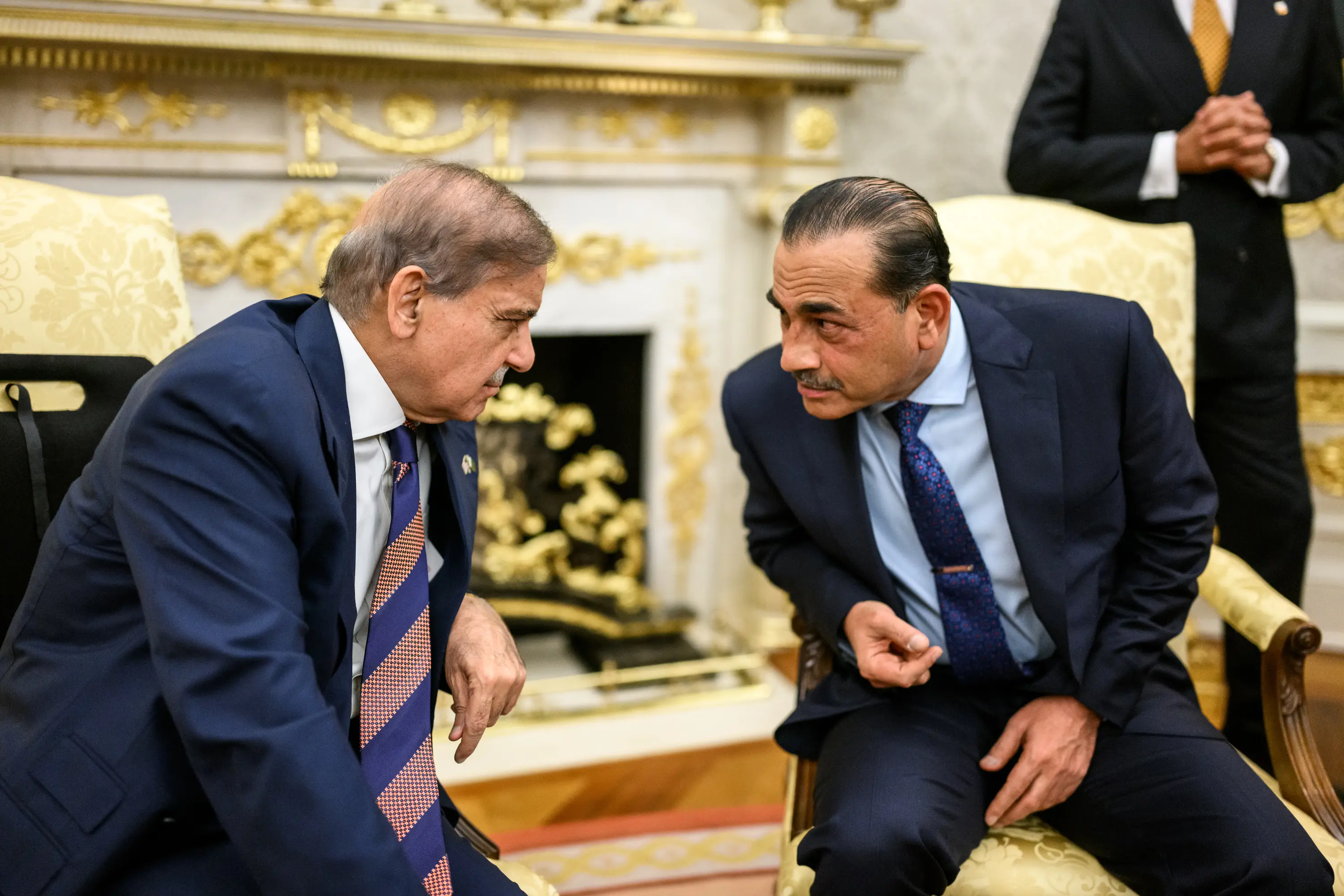
Field Marshal 'Rule': Lifetime Ranks for “National Heroes”
The amendment would formalise five-star military ranks such as Field Marshal, Marshal of the Air Force, and Admiral of the Fleet. These positions carry lifetime privileges like salary and ceremonial powers, which cannot be revoked except through a complex, parliamentary impeachment process. Asim Munir, only the second Pakistani to be named Field Marshal, will benefit most from this amendment. This would cement a quasi-permanent leadership tier above all armed forces, possibly without retirement.
There is fear that this would institutionalise a “military aristocracy” immune from ordinary chain-of-command.

Entire Nuclear Command Under One person?
The Bill also reportedly introduces a National Strategic Command that would oversee Pakistan’s land, air and sea-based nuclear assets. This is being described as a “tri-services” body, but appointments would be made from Army ranks, on the Army Chief’s recommendation.
This would amount to de facto Army dominance over nuclear decisions, fear critics. Equally worrisome is that civilian input and inter-service checks would reduce, leading to a possible “one-man control” over nuclear strategy.
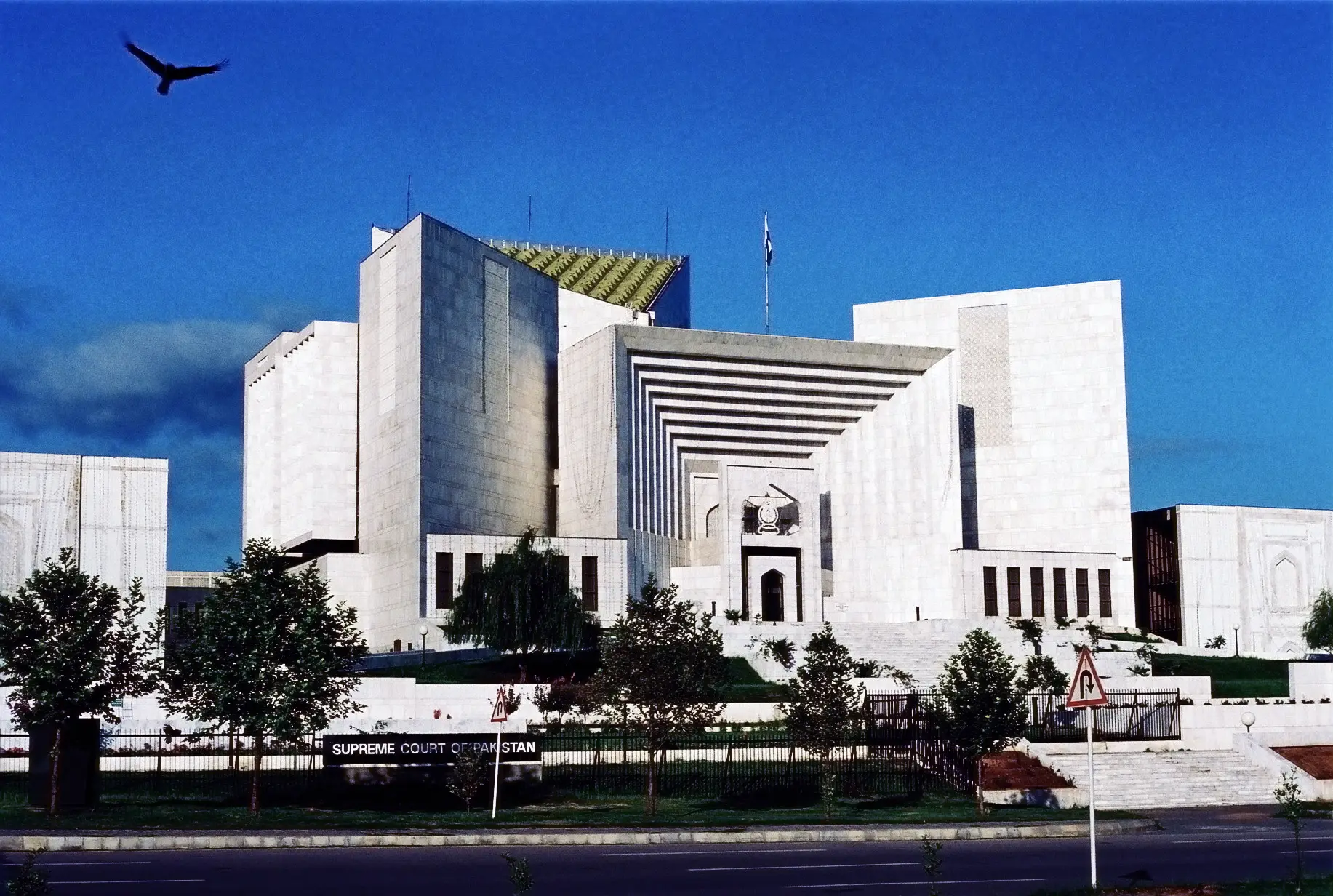
A powerless Supreme Court?
If reports are to go by, the reforms will include a new Federal Constitutional Court (FCC), which would take over the duty of constitutional interpretation and rights litigation, once assigned to the Supreme Court. The Supreme Court, meanwhile, would most likely be reduced to an appellate forum, stripped of suo motu powers and constitutional jurisdiction. As a result of these moves, Pakistan would, for the first time, have two Chief Justices — one for the FCC, who would be senior in hierarchy, and another for the Supreme Court.
Appointments and transfers would be led by the executive branch, through the Judicial Commission. This move has raised alarm over judicial independence in Pakistan.

Provinces could see their Powers Rolled Back
As per reports and leaked drafts, the bill would revise Article 160 (3A), and possibly remove the existing guarantees for provincial shares in the National Finance Commission Award. The centre would essentially regain control over subjects devolved under the 18th Amendment, such as education, population welfare and natural resources. The cabinet size in smaller provinces is expected to rise from 11 per cent to 13 per cent of assembly seats. Econimists fear that this would sharply curtail fiscal autonomy of provinces, terming it a “quiet re-centralisation” favouring Islamabad and its military-aligned bureaucracy.

The 'Untouchables': Protection and immunity for the Powerful
Earlier drafts circulated in the media had offered lifetime immunity to both the prime minister and five-star officers (read people like Munir) under Article 248. But the PM clause was later dropped. At the time of writing this, the Field Marshal and senior military chiefs retain constitutional protections from criminal or civil prosecution. Their removal would need a near-impossible, two-thirds majority vote in Parliament. This is similar to the requirements for impeaching a president. In practice, this would likely create a permanent shield against accountability for top brass.

Expanded Military Role in Civilian Affairs?
As per reports, the bill would widen the armed forces’ participation in “national projects,” thereby granting them oversight of infrastructure, cyber, and economic security. It also envisages a “multi-domain defence architecture” incorporating AI and space operations, which would blur the line between defence and governance. Even some Navy and Air Force officials have reportedly voiced concern at the Army’s sweeping control.
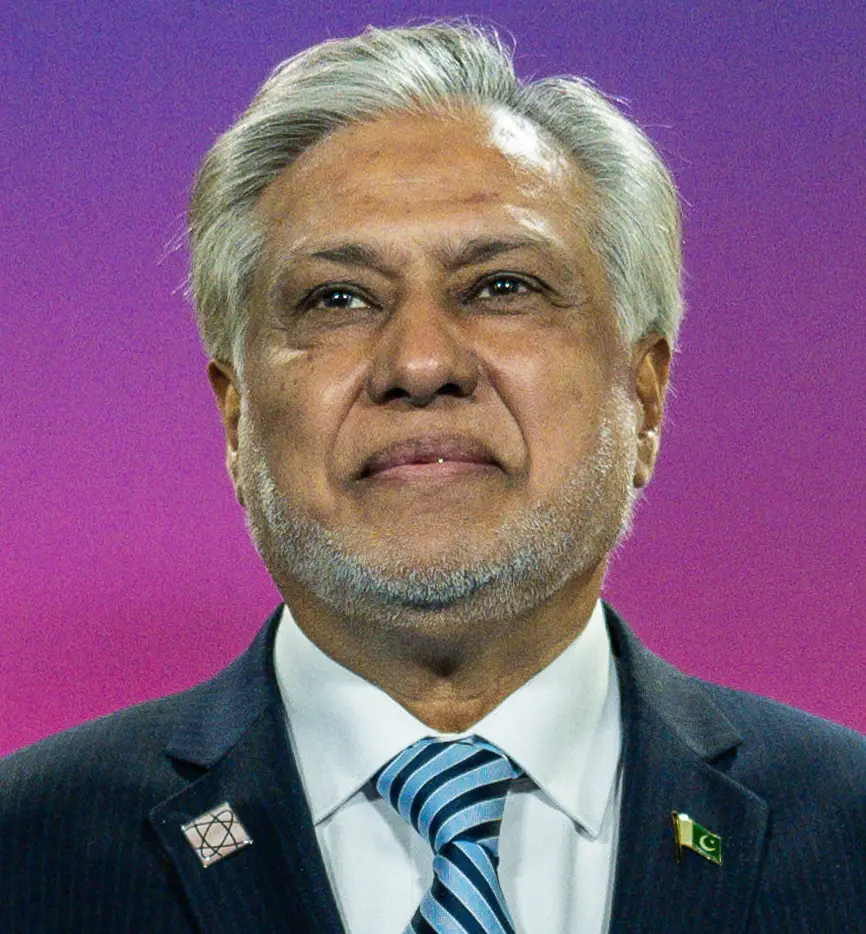
Deputy PM to be 'kicked up', magistrates return in boost to executive powers
The draft reportedly formalises the office of Deputy Prime Minister, which is being seen as laying the path for current incumbent Ishaq Dar’s expanded policy role. It also
restores executive magistrates in local administration. This would reintroduce the pre-2001 colonial-style authority over police and local courts. This runs the risk of politicising Pakistans justice system and strengthening the ruling coalition’s stranglehold over bureaucracy.

Public resentment, political opposition might not win against constitutional reform
Opposition parties like Pakistan Tehreek-e-Insaf (PTI), Jamiat Ulema-e-Islam (JUI-F), as well as civil-society groups called the bill a “constitutional coup.” Protests have already erupted, with opposition parties boycotting parliamentary sessions on the reforms, which the government is portraying as merely a way to “modernise governance” under the 2006 Charter of Democracy.
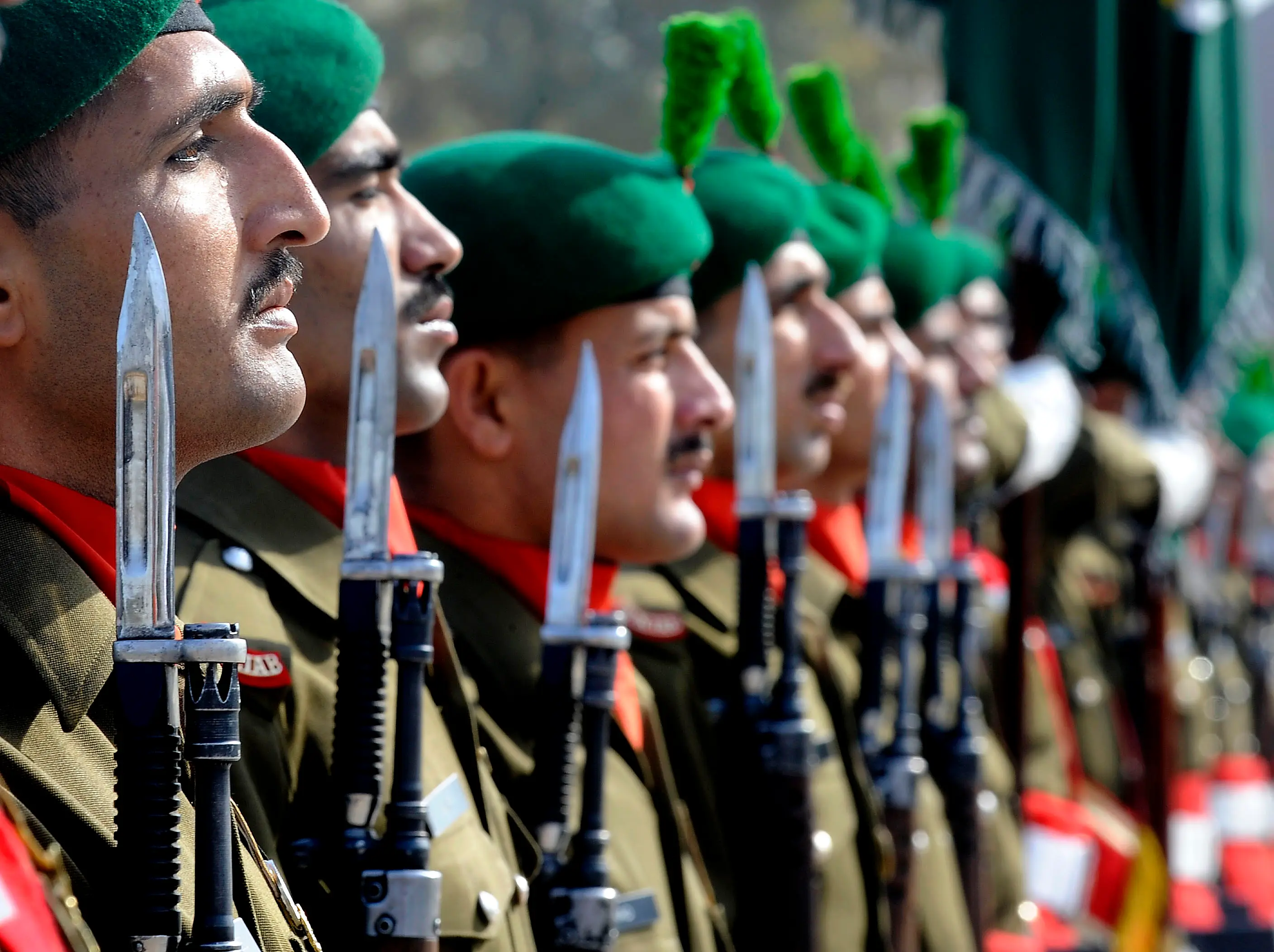
Still shrouded in secrecy: What Lies Ahead for Pakistan's constitution reform
At the time of writing this, the bill has cleared committee review but awaits a two-thirds Senate vote. Much of the draft was not made public till the debate stage, and the final text has not been released in full. This has left ambiguity about clauses and the actual scope of the bill. If passed unchanged, the constitutional reform bill would cement military and executive dominance, weaken provinces' autonomy, and redraw Pakistan’s constitutional order for decades.
)
)
)
)
)