Which countries don’t have a constitution? How do they operate?

While most nations operate with a single codified constitution that defines the legal framework, there are a few that do not have a consolidated document. Instead, they function with statutes, conventions, religious laws, and judicial precedents.

Israel
Israel never adopted a constitution, due to historical disagreements. It has a set of Basic Laws, court decisions and parliamentary statutes that act as a constitution. The Basic Laws define the structure of government, civil rights, the powers of the Knesset, the judiciary, and the presidency.

United Kingdom
The United Kingdom does not have a written constitution. It operates on the basis of political tradition, statute, and common law rather than a single codified document. It is highly flexible and has evolved over the years. Some of the famous documents include Magna Carta, which limited the power of monarchs and established rights, eventhough the main purpose was political, it is considered to be the foundation of Human Rights. The Bill of Rights 1689 further limited the monarch's power and established the rights of Parliament

Saudi Arabia
The Kingdom’s governance framework is based primarily on the Quran and the Sunni Islamic law, supplemented by royal decrees.

New Zealand
Similar to the UK, New Zealand also does not have a single codified overriding document. It has statutes, conventions, treaties and common laws. The Treaty of Waitangi 1840 was the foundational document that recognised Maori rights and sovereignty with the British Crown. The Constitution Act 1986 forms the legal framework of the country, the Bill of Rights 1990 gives civil and political rights, and the Electoral Act 1993 governs elections.

San Marino
San Marino is the world’s oldest existing republic, which has survived invasions, the Renaissance, the Napoleonic era, both World Wars, and Italian unification. It does not have a single unified constitution. It has a parliamentary system and century-old statutes such as the Statutes of 1600.
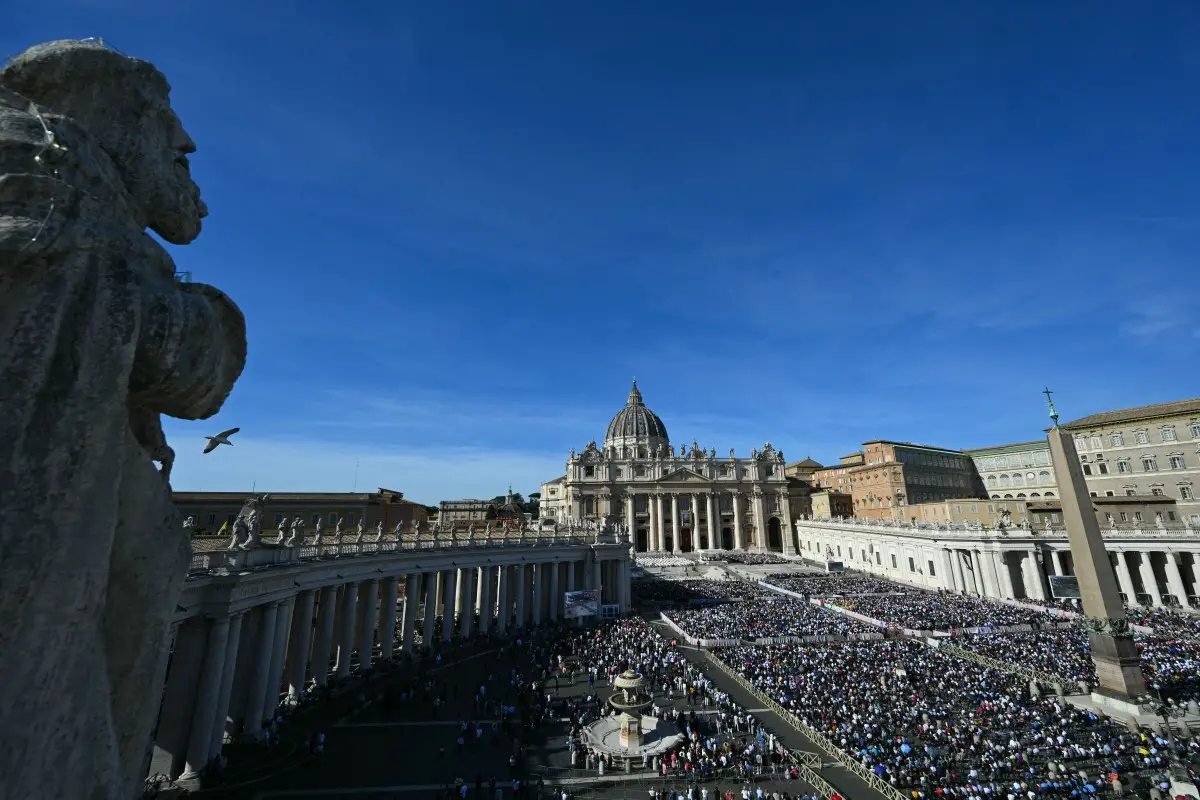
Vatican City
Vatican City is a theocratic elective monarchy governed by a unique framework, the Fundamental Law of Vatican City State. The Pope governs through various bodies, such as the Pontifical Commission for Vatican City State and the Governorate.

Canada
Canada has a hybrid constitutional system, partly written and partly unwritten. The written part includes the Constitution Act, 1867, formerly the British North America Act and the Constitution Act, 1982. The unwritten parts include constitutional conventions, common law principles, and customs inherited from the UK system.
)
)
)
)
)