Top 10 countries where every citizen must serve in the military

Mandatory military service, also known as conscription, remains a reality in many countries. Here are the top 10 countries where military service remains compulsory for their citizen
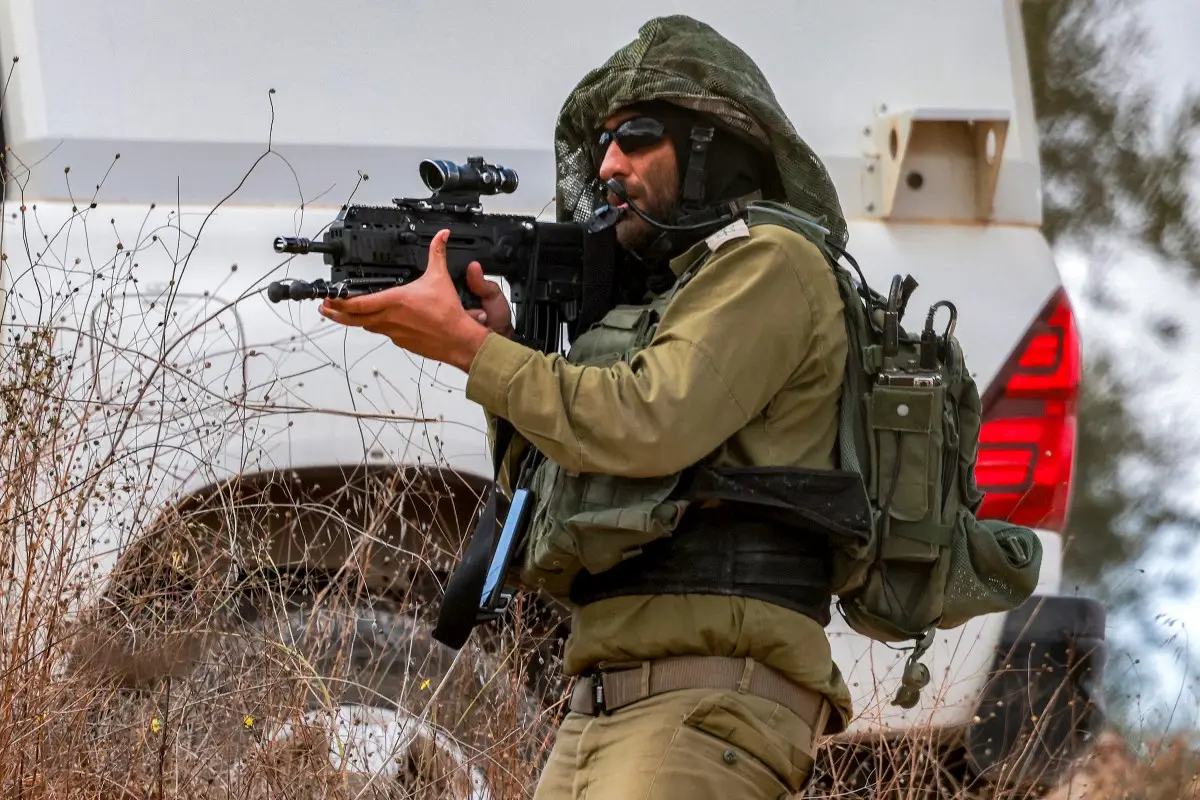
Israel
Israel, since its establishment in 1948, has made it mandatory for both men and women to serve in the military; apart from the Jewish ultra orthodox communities, everyone has to serve in the military. For men, it is 32 months, and for women, 24 months, and following which, citizens are liable for reserve duty until age 40.
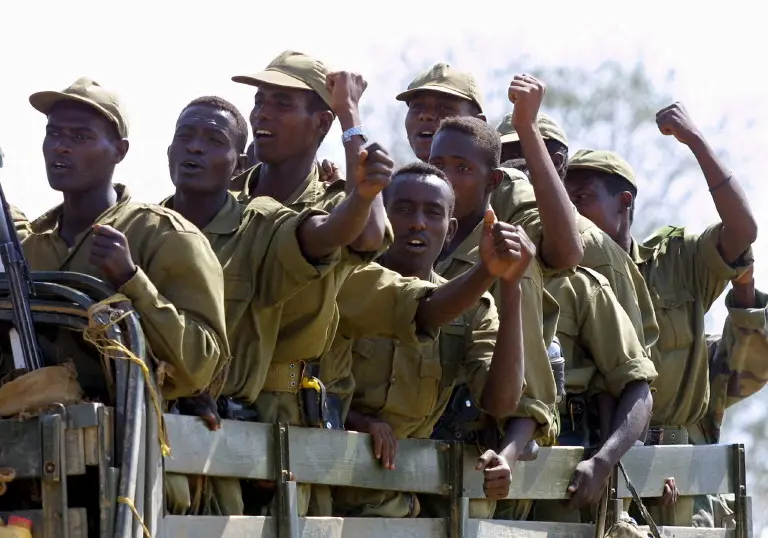
Eritrea
In Eritrea, military service is mandatory for all able-bodied men and women since 1995 for an official term of 18 months, which can extend indefinitely.
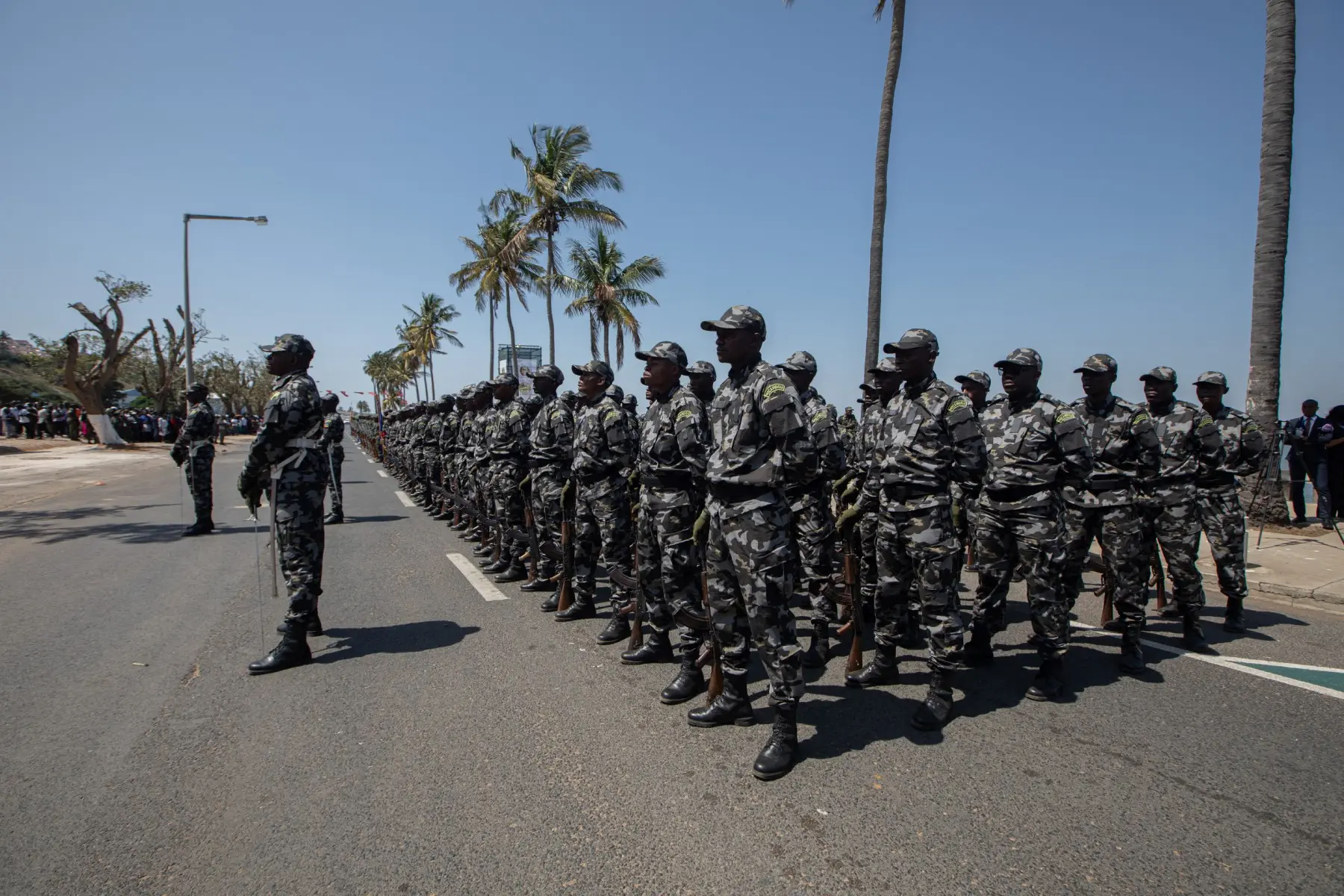
Mozambique
In Mozambique, military service is compulsory for men and women of all ages since 1997, from two years to five years. It is a selective system for men and women aged 18–35.
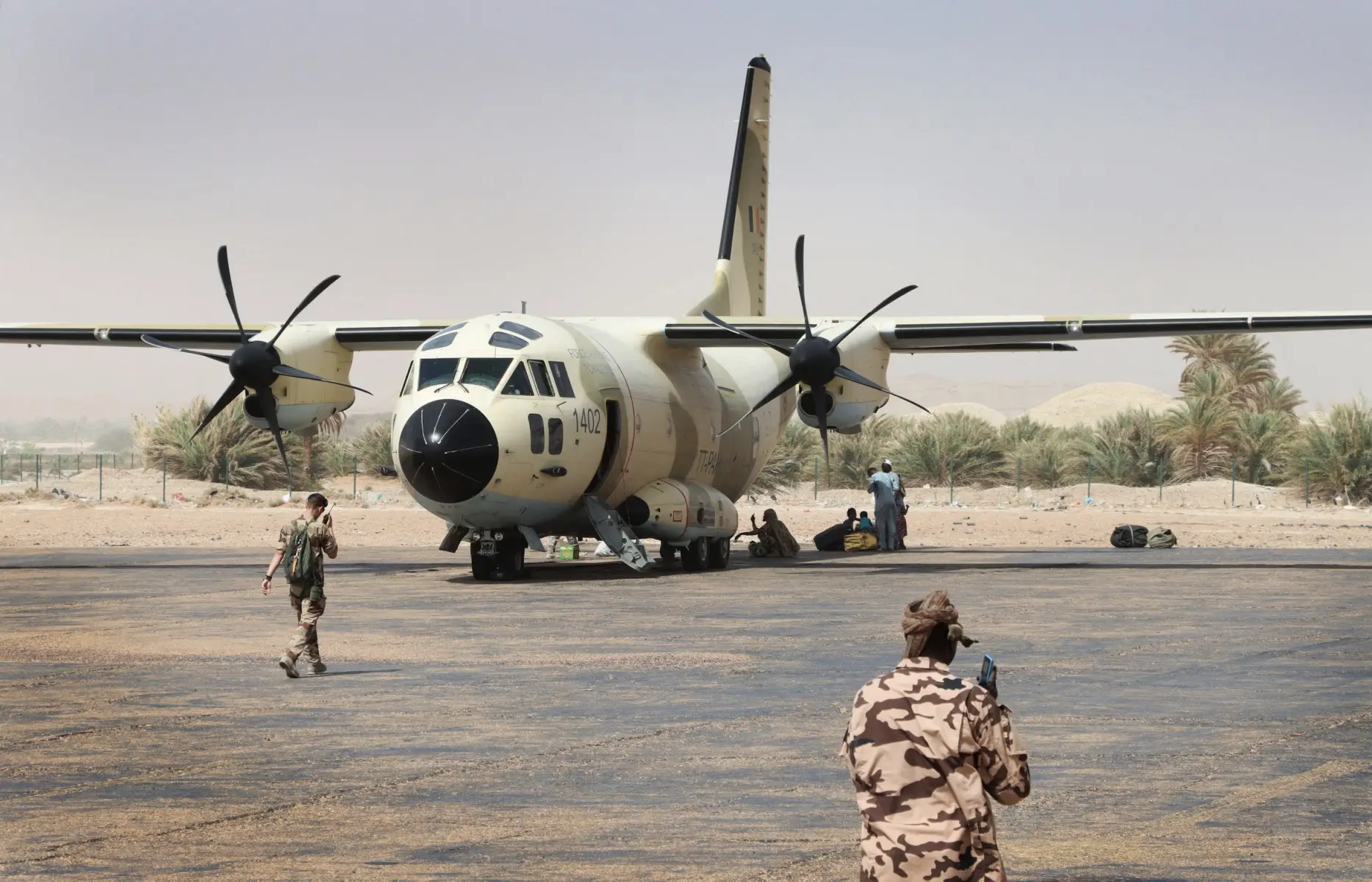
Chad
Conscription has been compulsory in Chad since 2004. It applies to men at age 20 and women at 21, and they have to serve for one year of military or civic duty.
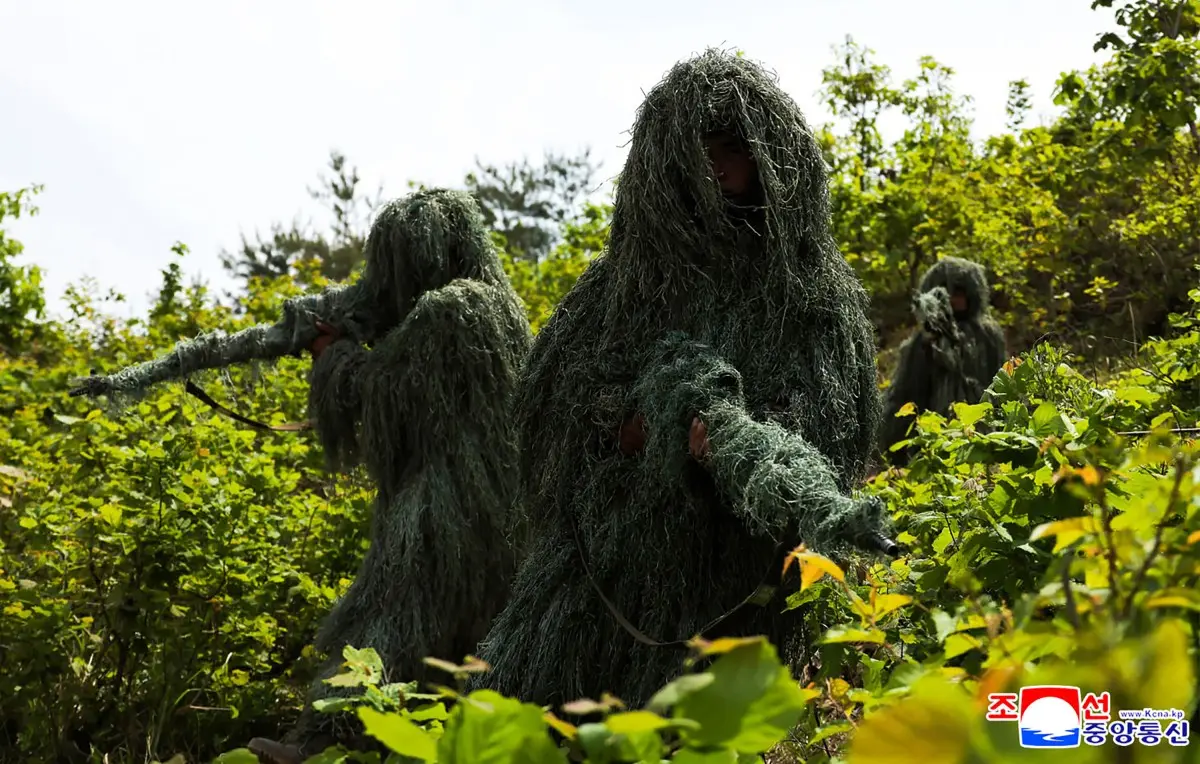
North Korea
Service is mandatory for most men and selectively for women since 2014. Though it is enforced through universal conscription. Service terms are notoriously long, often lasting years.
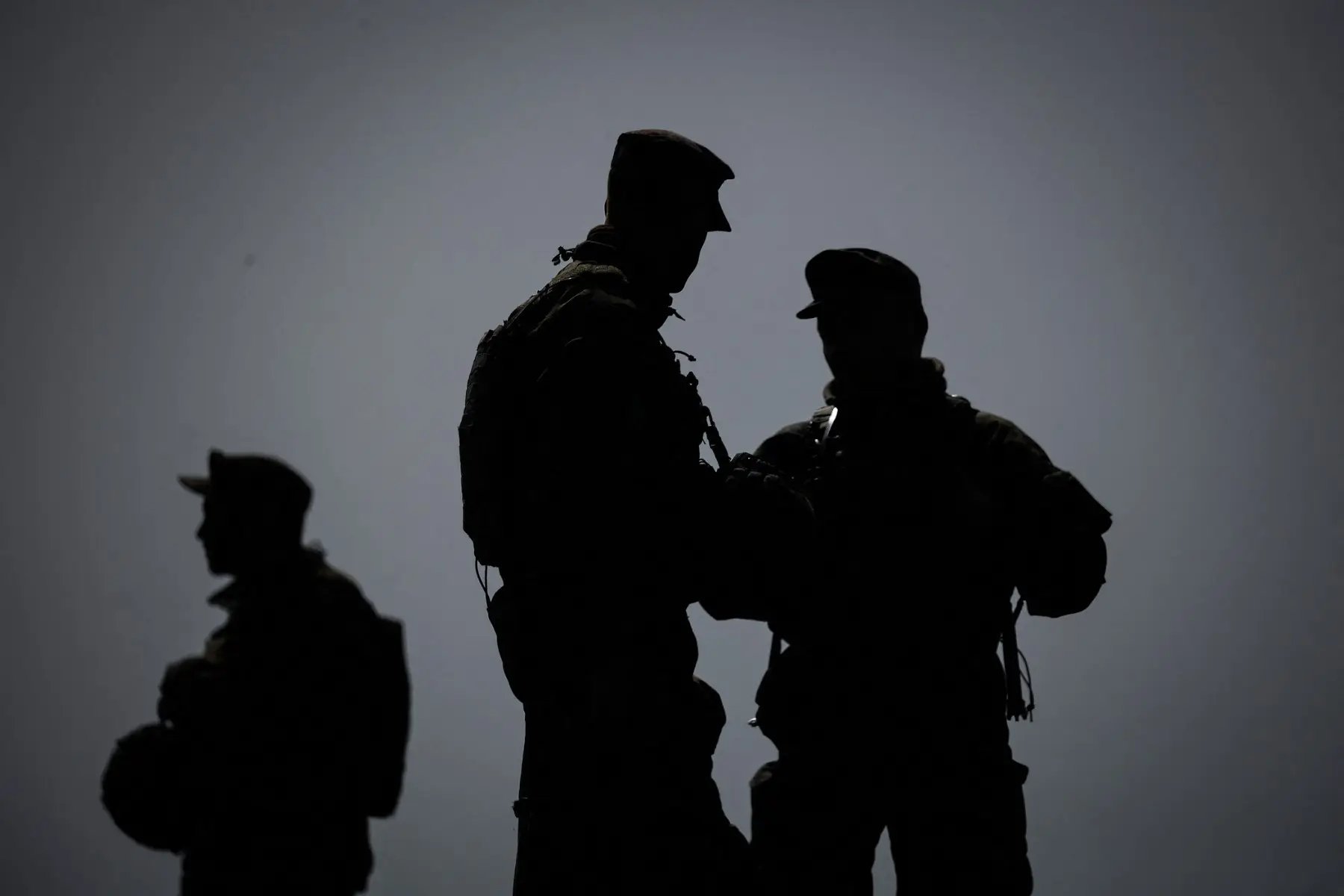
Norway
Since 2015, Norway has had gender-neutral conscription. But it's highly selective; most conscripts have to serve for one year, only a few get to serve for 18 months.
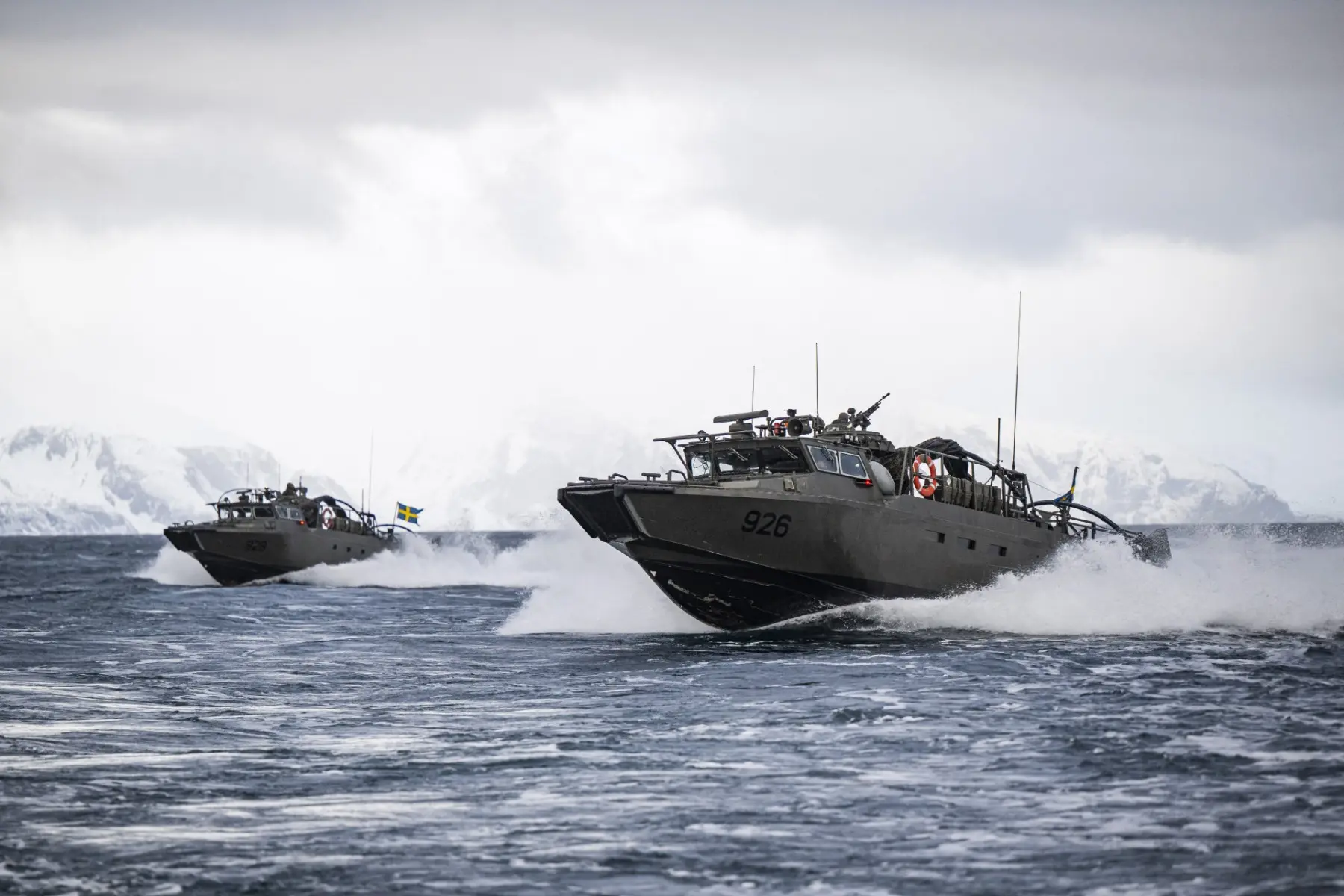
Sweden
In Sweden, military service has been compulsory since 2018 for both men and women, ranging from 9 to 15 months
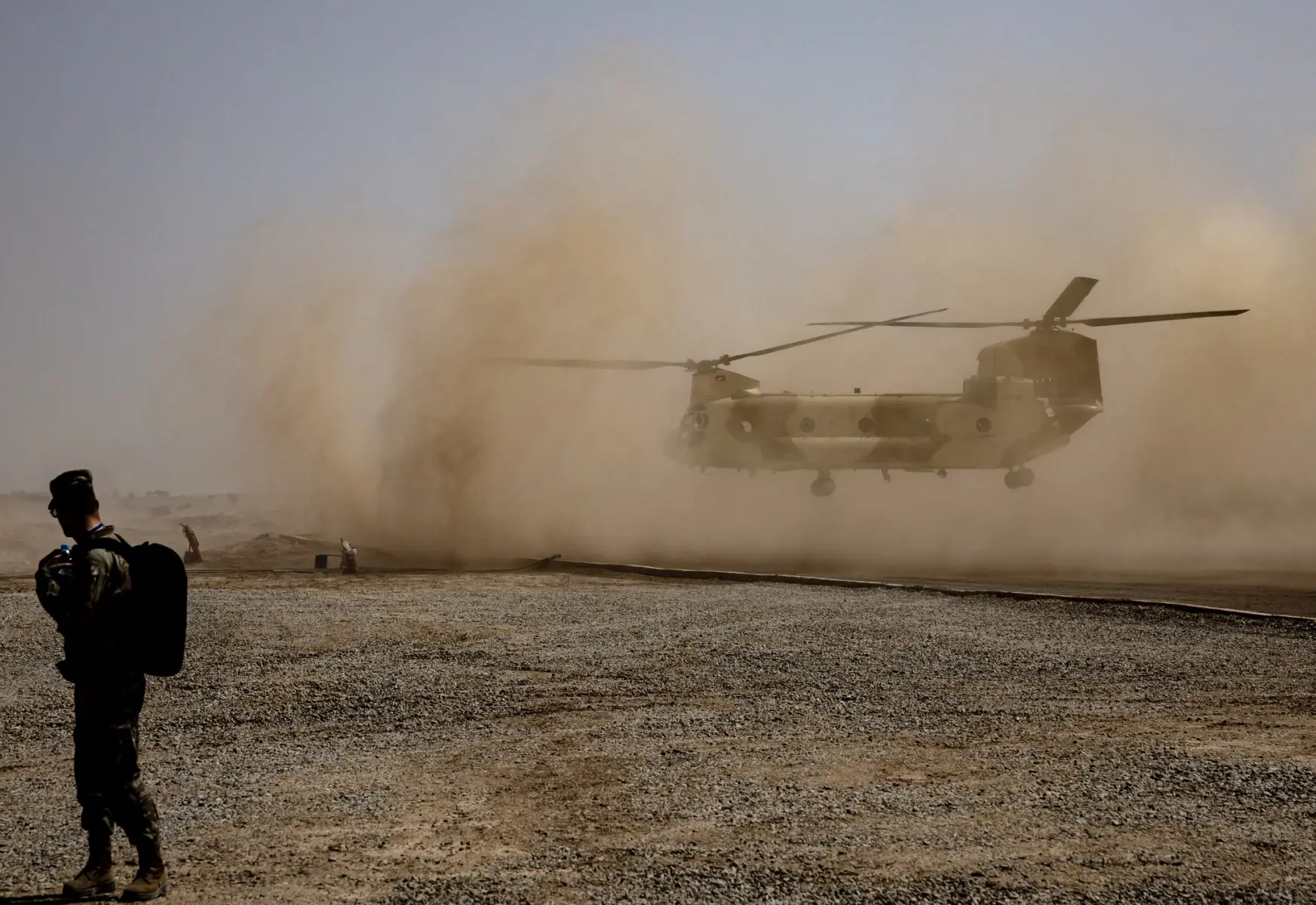
Morocco
Morocco had once abolished conscription in 2006. Following the reinstatement of conscription in 2019, the service duration for both men and women is 12 months. It includes 4 months of basic training and 8 months of professional specialisation.
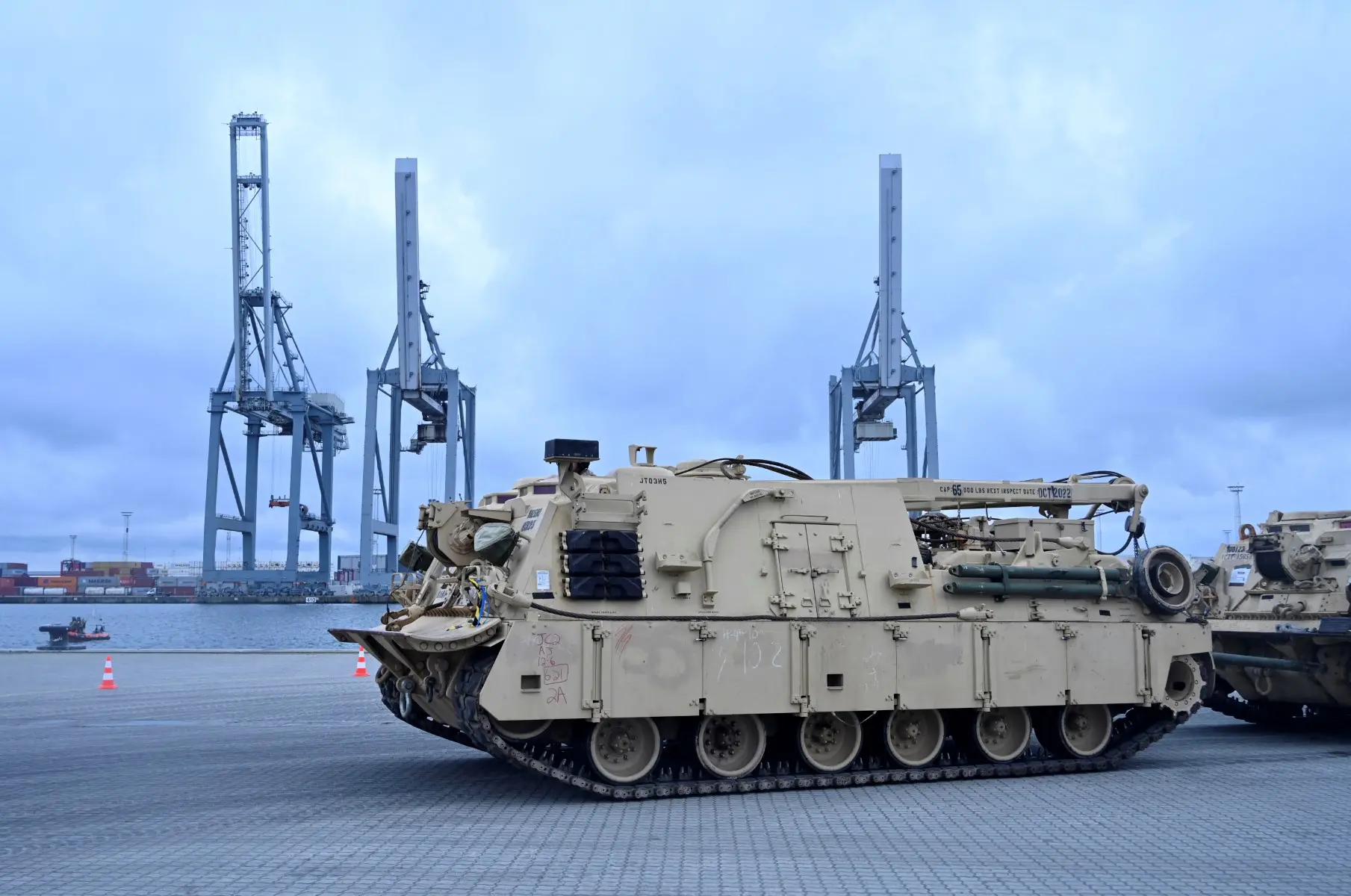
Denmark
Denmark has introduced mandatory conscription in 2003, passed legislation to extend compulsory military service to women. Starting July 1, 2025, all individuals turning 18 will be assessed for military service, with women entering a lottery system similar to that of men.
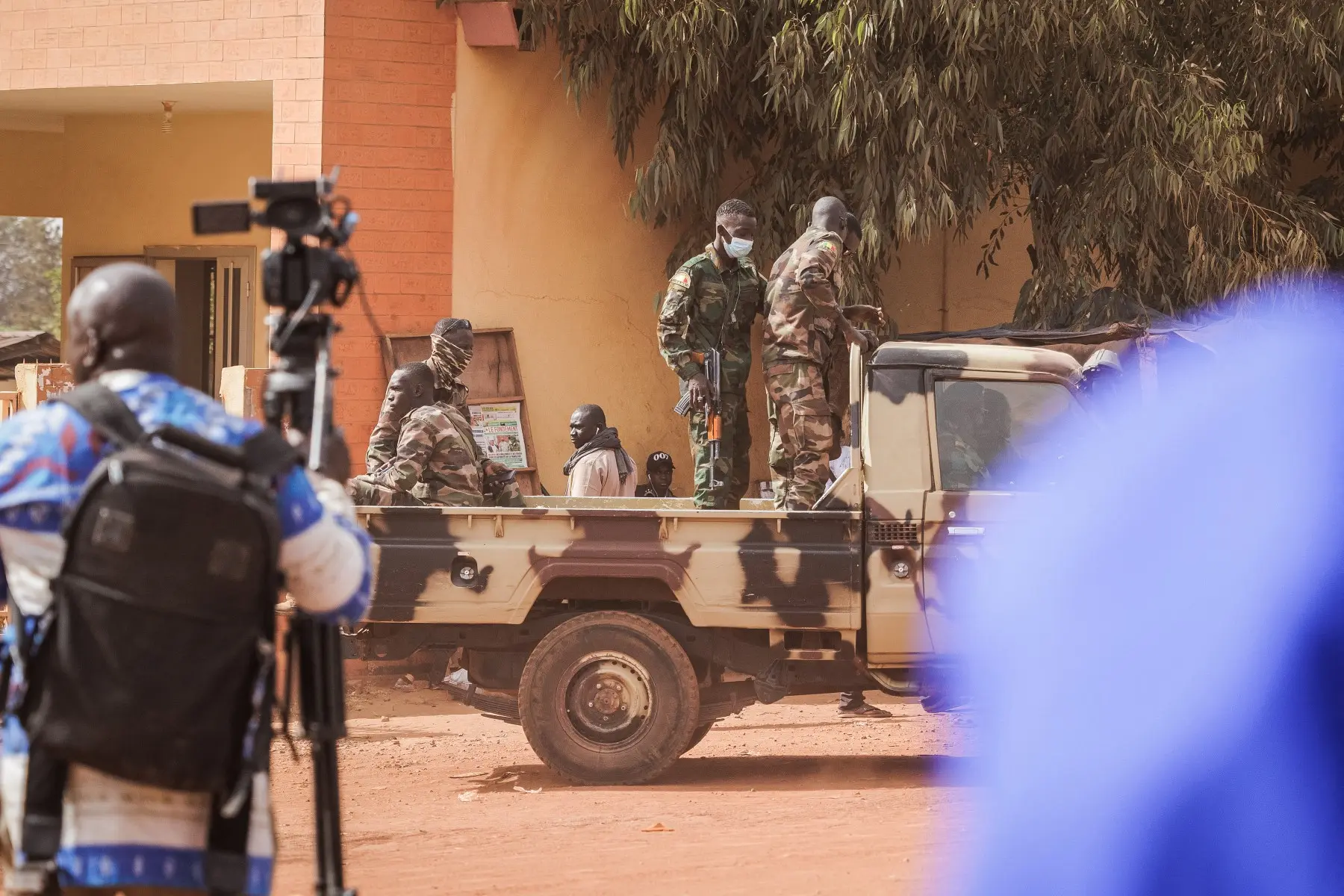
Mali
Mali uses selective conscription for both men and women. It was compulsory in 2014, but over the years, the enforcement and scope have varied.
)
)
)
)
)