Could you survive HD 189733b, the 927°C world that rains razor-sharp glass?

Located 63 light-years away in the constellation Vulpecula, it appeared almost inviting. The truth, however, is that HD 189733b is among the most deadly worlds ever identified.
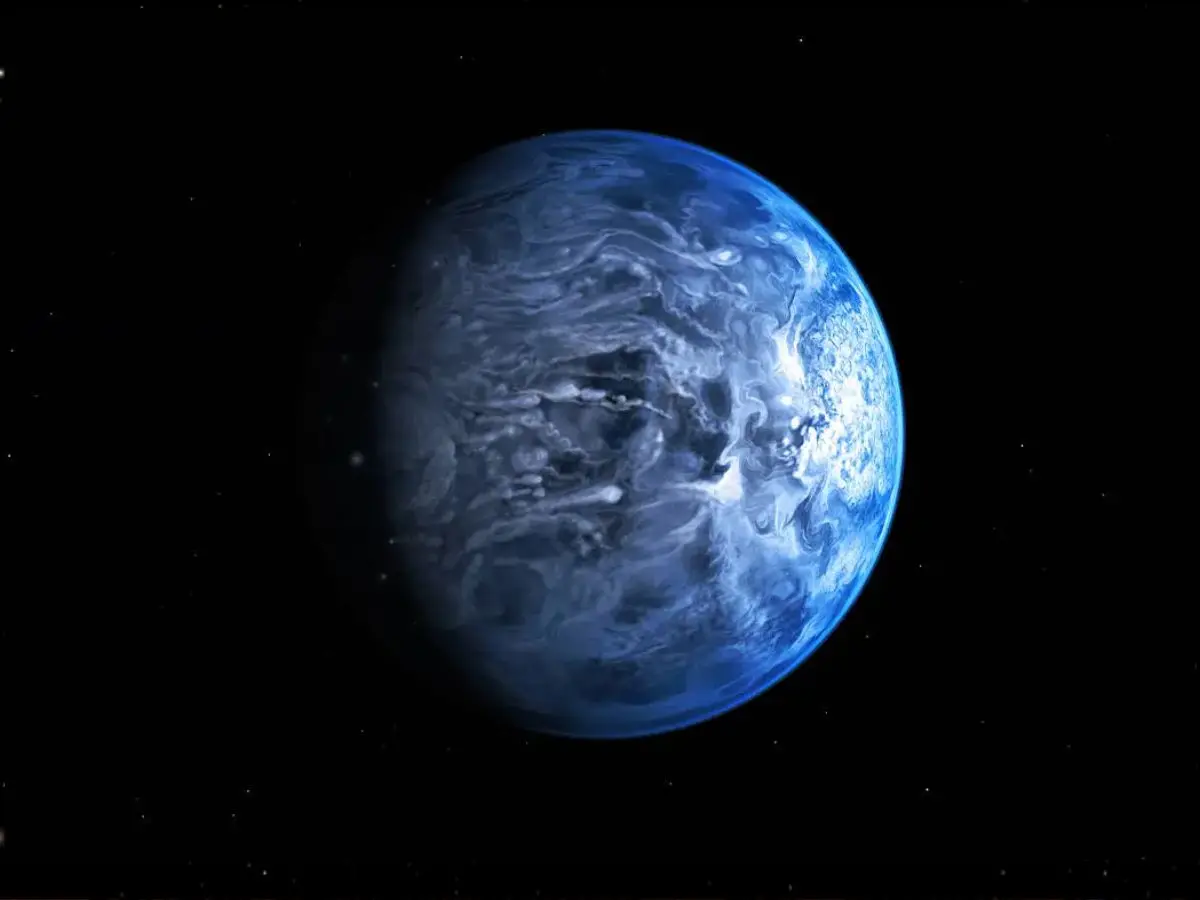
A Sapphire Jewel in the Sky
From afar, HD 189733b glimmers like a tranquil jewel, a sapphire-coloured world suspended in the darkness of space. Yet this appearance is dangerously misleading. Astronomers studying the planet have uncovered an atmosphere defined not by serenity but by extremes, where searing heat and violent weather make survival impossible. When the planet was first examined, its cobalt glow gave the illusion of something Earth-like, perhaps even ocean-bearing. Located 63 light-years away in the constellation Vulpecula, it appeared almost inviting. The truth, however, is that HD 189733b is among the most deadly worlds ever identified, and here's why:
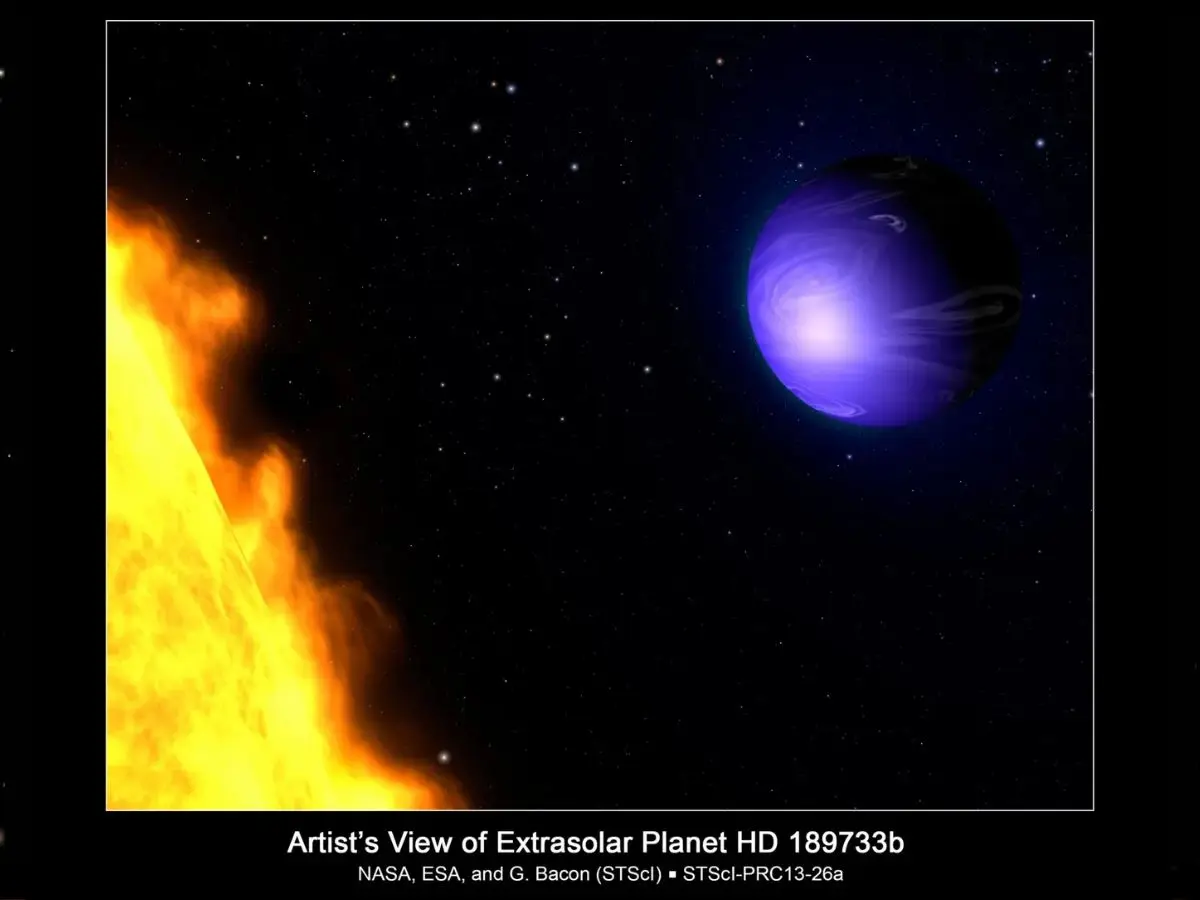
What Is a Hot Jupiter?
HD 189733b is a 'hot Jupiter': a gas giant orbiting extremely close to its star. This proximity produces surface temperatures exceeding 927°C (1,700°F), hotter than Mercury, despite being further from the Sun. Any probe or spacecraft attempting entry would be instantly overwhelmed by the scorching environment.
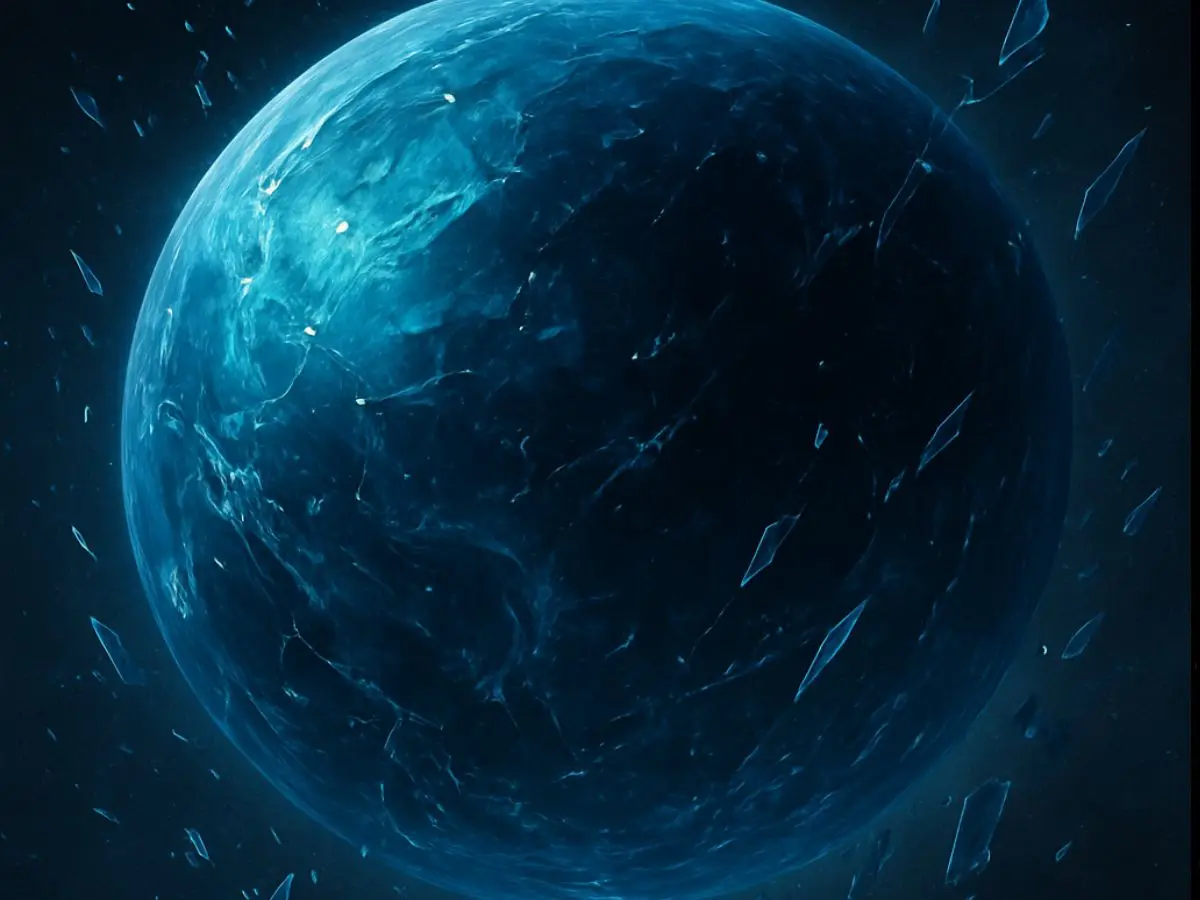
An Atmosphere of Glass
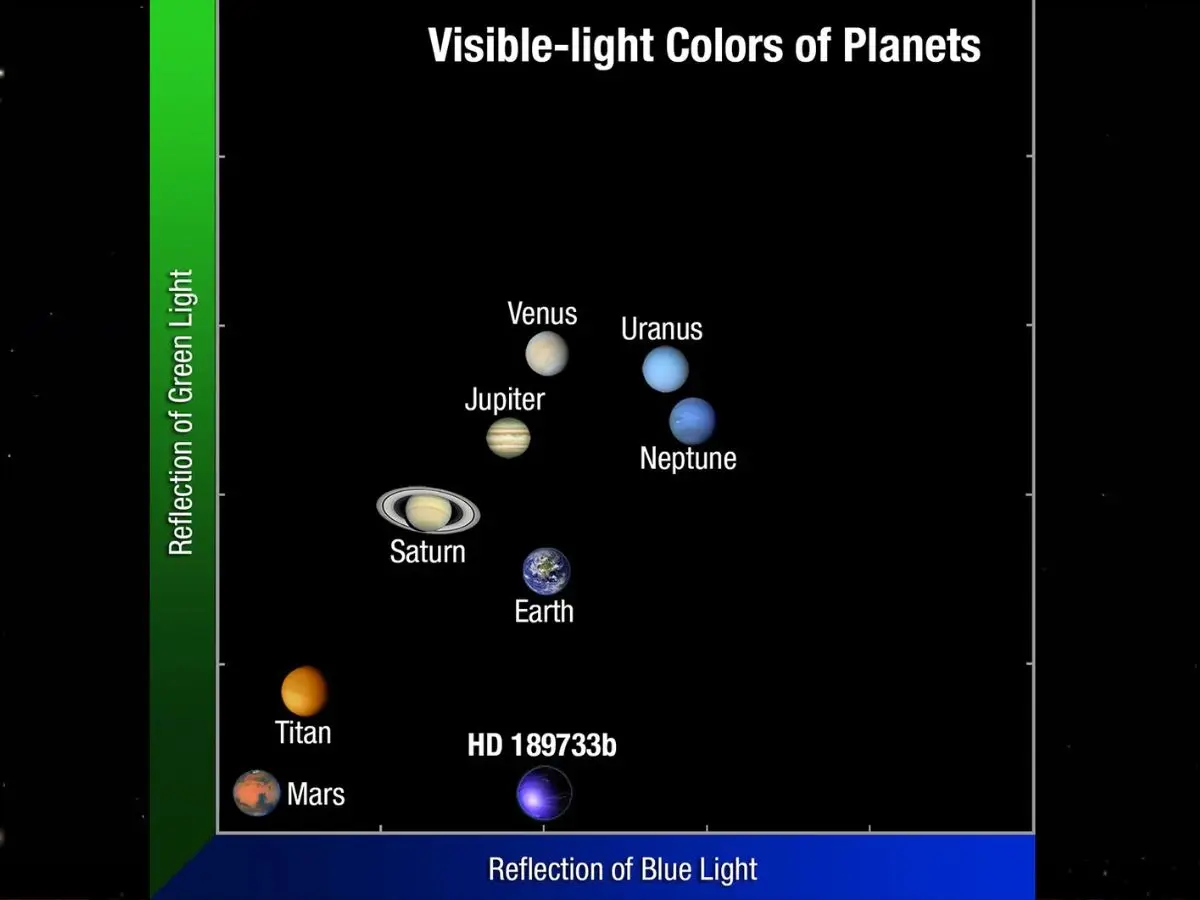
The planet’s striking blue hue does not come from oceans or skies like Earth’s. Instead, its atmosphere is loaded with vaporised silicate particles, the very materials that form glass here at home. Suspended high in the atmosphere, these particles scatter blue light, creating a jewel-like illusion that conceals the danger below. NASA says, “It’s death by a million cuts on this slasher planet!”
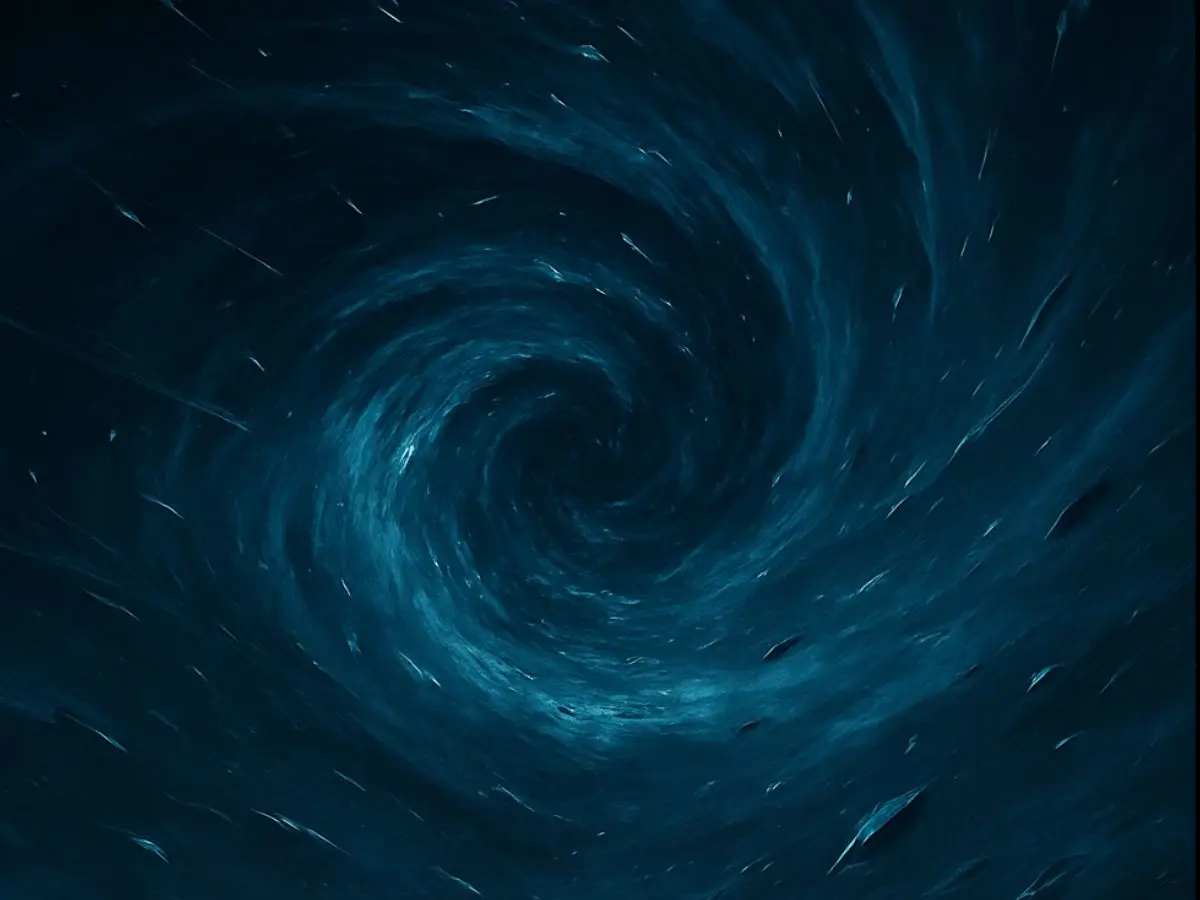
Supersonic Winds
Winds on HD 189733b reach speeds of more than 9,650 kilometres per hour (6,000 mph), over seven times the speed of sound. These are not gentle breezes but colossal tempests that encircle the planet in a perpetual storm. Astronomers describe the atmosphere as a hurricane world, where storms never end. According to NASA, the speed of the winds would result in “whipping all would-be travelers in a sickening spiral around the planet. ”
Rains of Shards
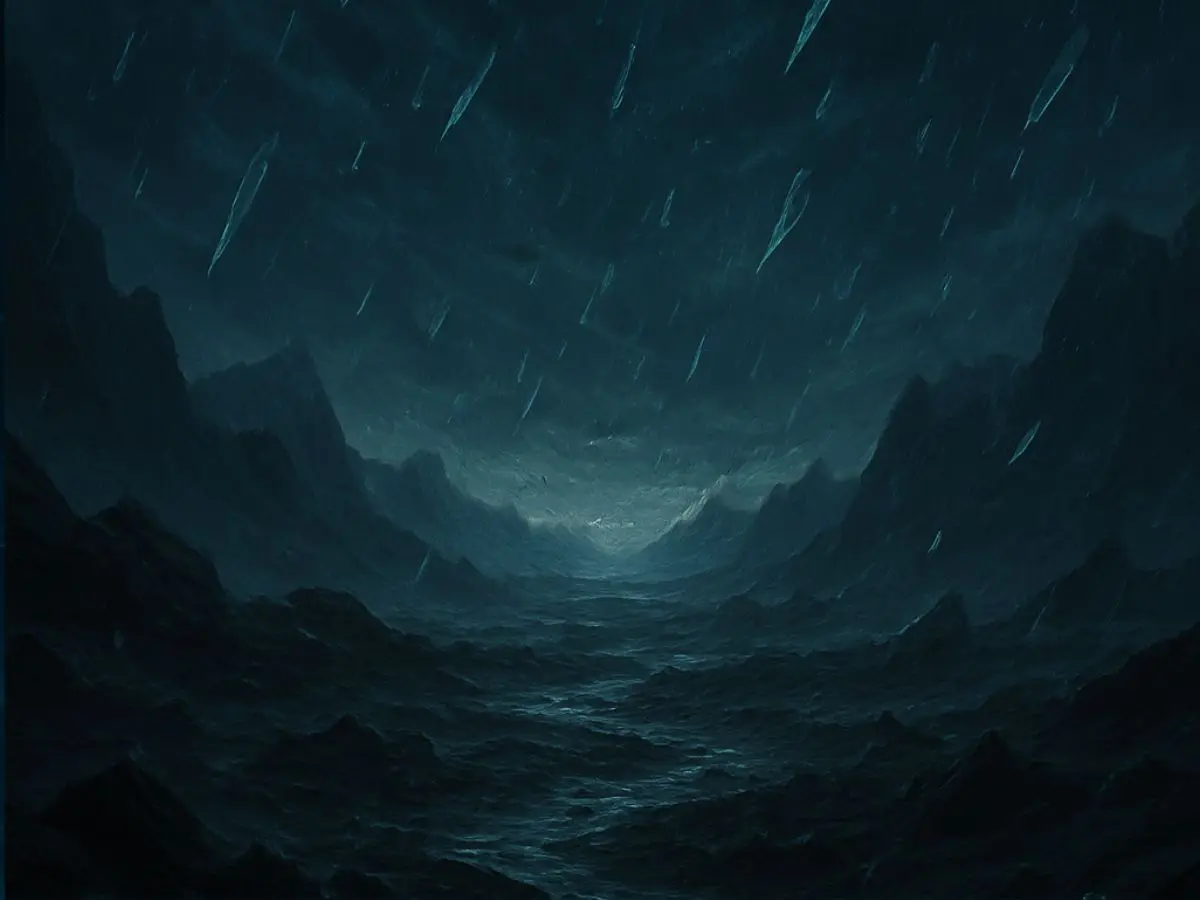
The storms are unlike anything we know. Rather than carrying water droplets, the winds propel silicate shards, essentially microscopic fragments of glass. Driven sideways at hypersonic speed, they would slice through anything in their path. On Earth, glass is a tool; on HD 189733b, it is a weapon carried on the wind.
The Science Behind the Glow
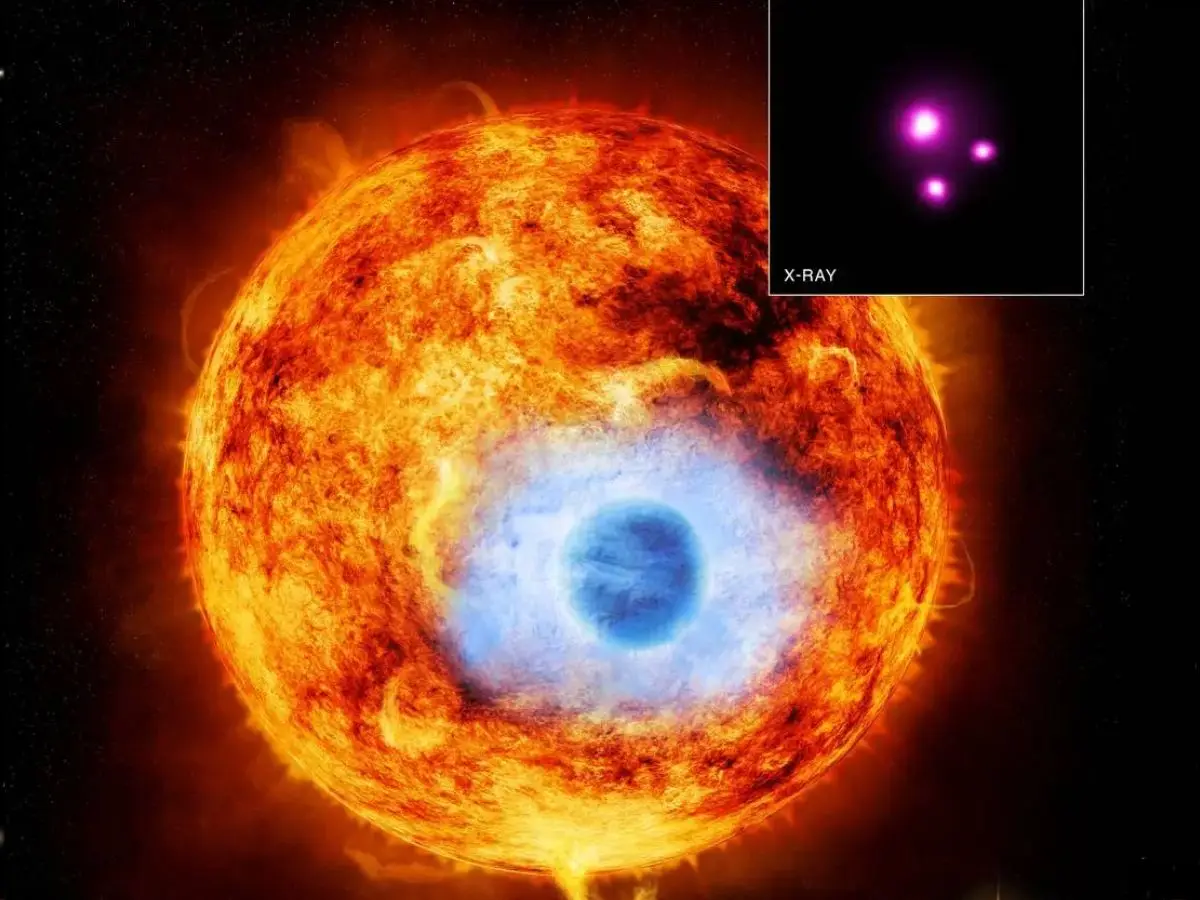
The Hubble Space Telescope provided the evidence. By studying how starlight passed through HD 189733b’s atmosphere, scientists detected the spectral signature of silicates. This confirmed that the blue glow is not from oceans but from airborne glass particles scattering light, proof that appearances can be profoundly deceptive in space.
Beauty That Conceals Danger
From a distance, HD 189733b might look like paradise, an azure orb shimmering like a precious jewel. In truth, it is a death trap: a gas giant with no surface to stand on, suffocating heat, and endless storms of flying glass. It stands as a warning that in the cosmos, beauty can be a mask for brutality.
)
)
)
)
)