Could Voyager-2 inspire first human interstellar mission?

These lessons are the blueprint for designing human ships that could shield astronauts from dangers far worse than anything faced near Earth.
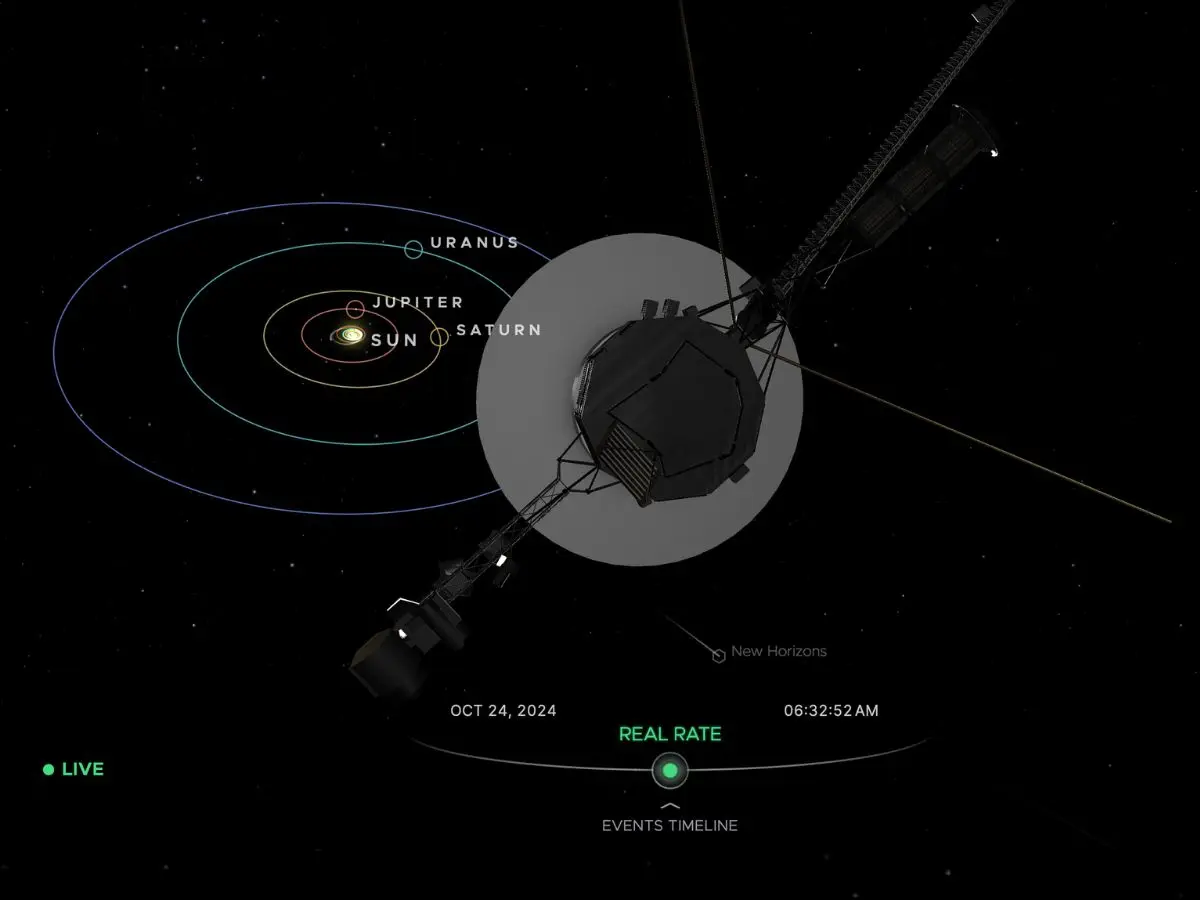
Voyager as Humanity’s First Step
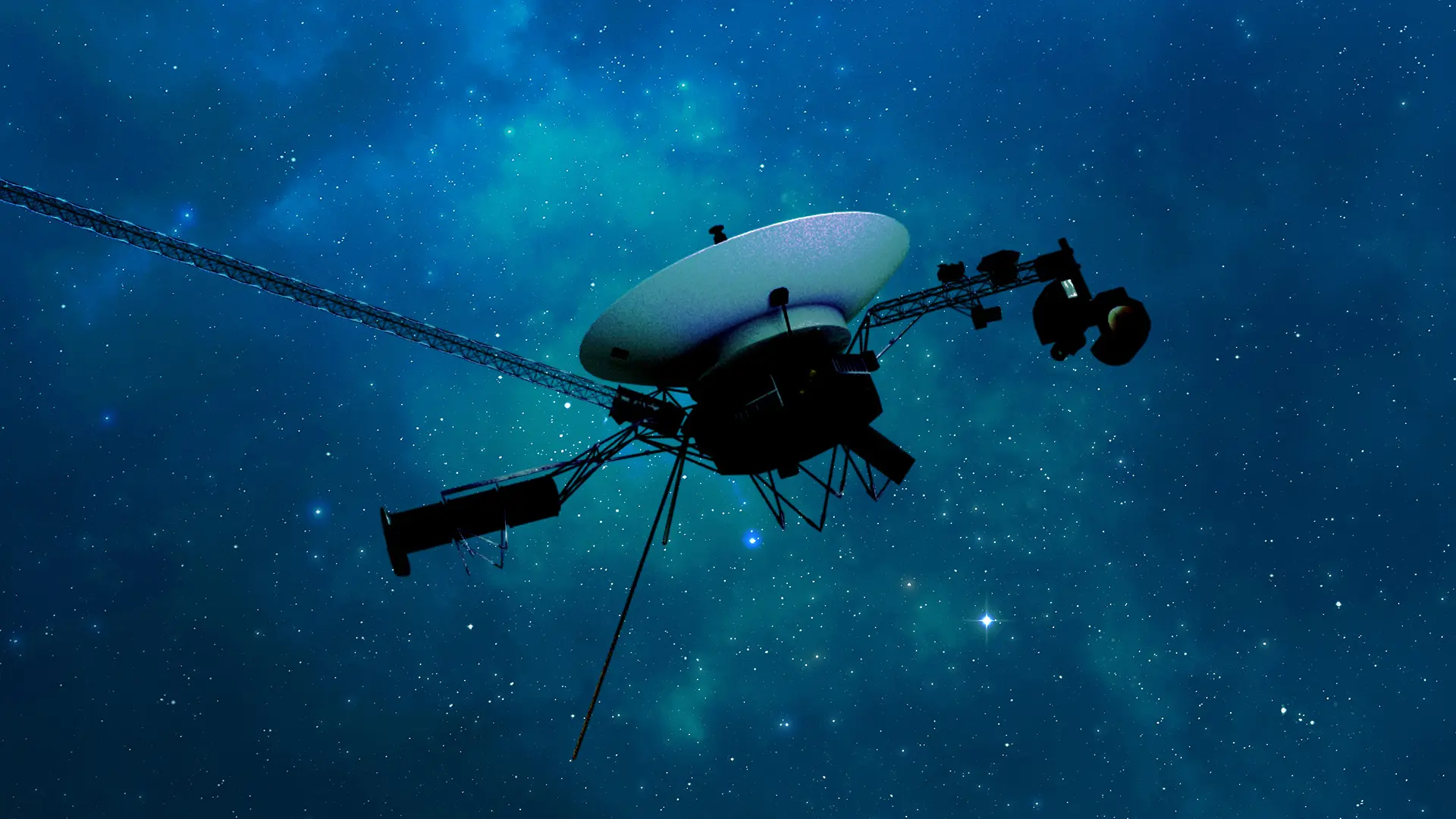
When NASA launched Voyager 1 and 2 in 1977, no one imagined they would become our first true interstellar explorers. They showed that a small, carefully built machine could survive the hostile void. For scientists, that’s proof, if a probe can cross into interstellar space, one day, maybe humans can too.
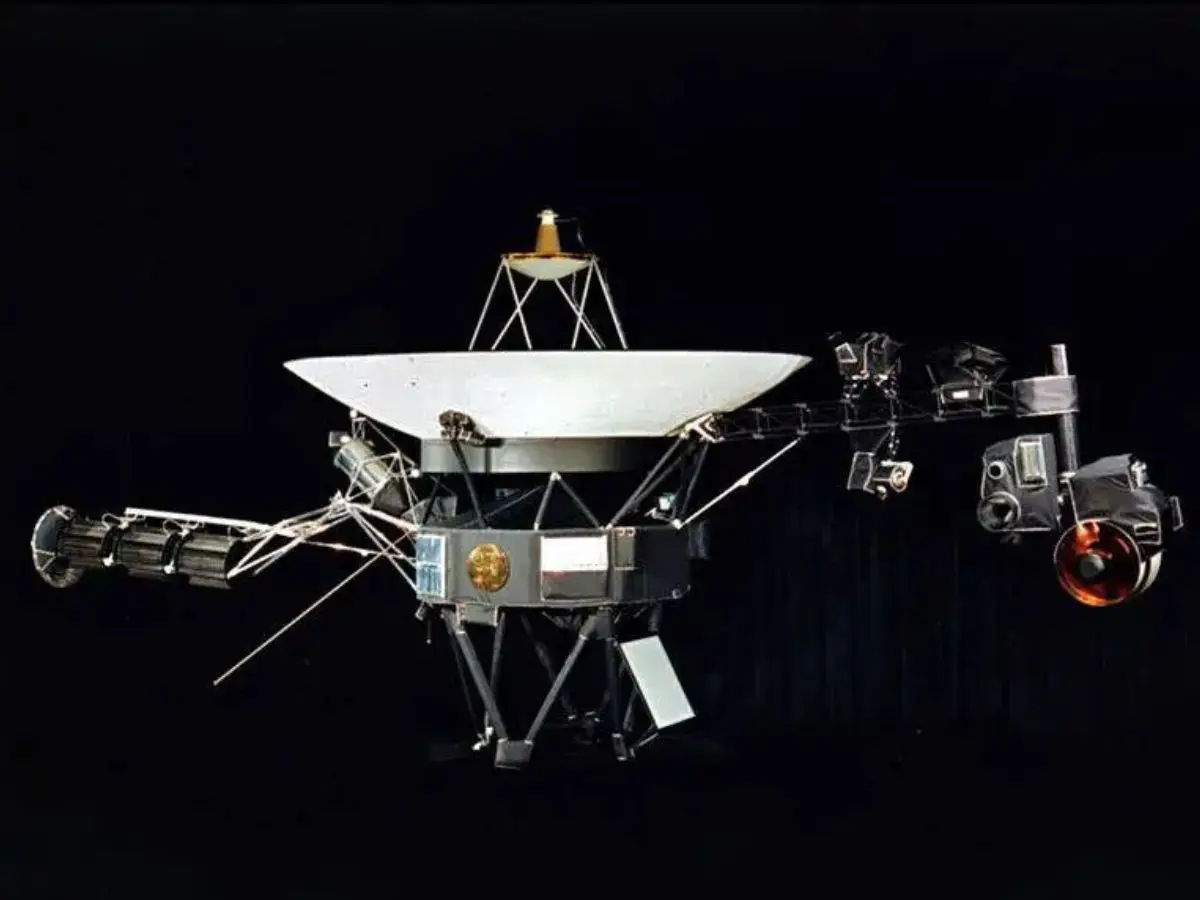
Learning to Survive the Void
Voyager’s long journey taught us what deep space is really like: cosmic rays, deadly radiation, and plasma fields. These lessons are the blueprint for designing human ships that could shield astronauts from dangers far worse than anything faced near Earth.
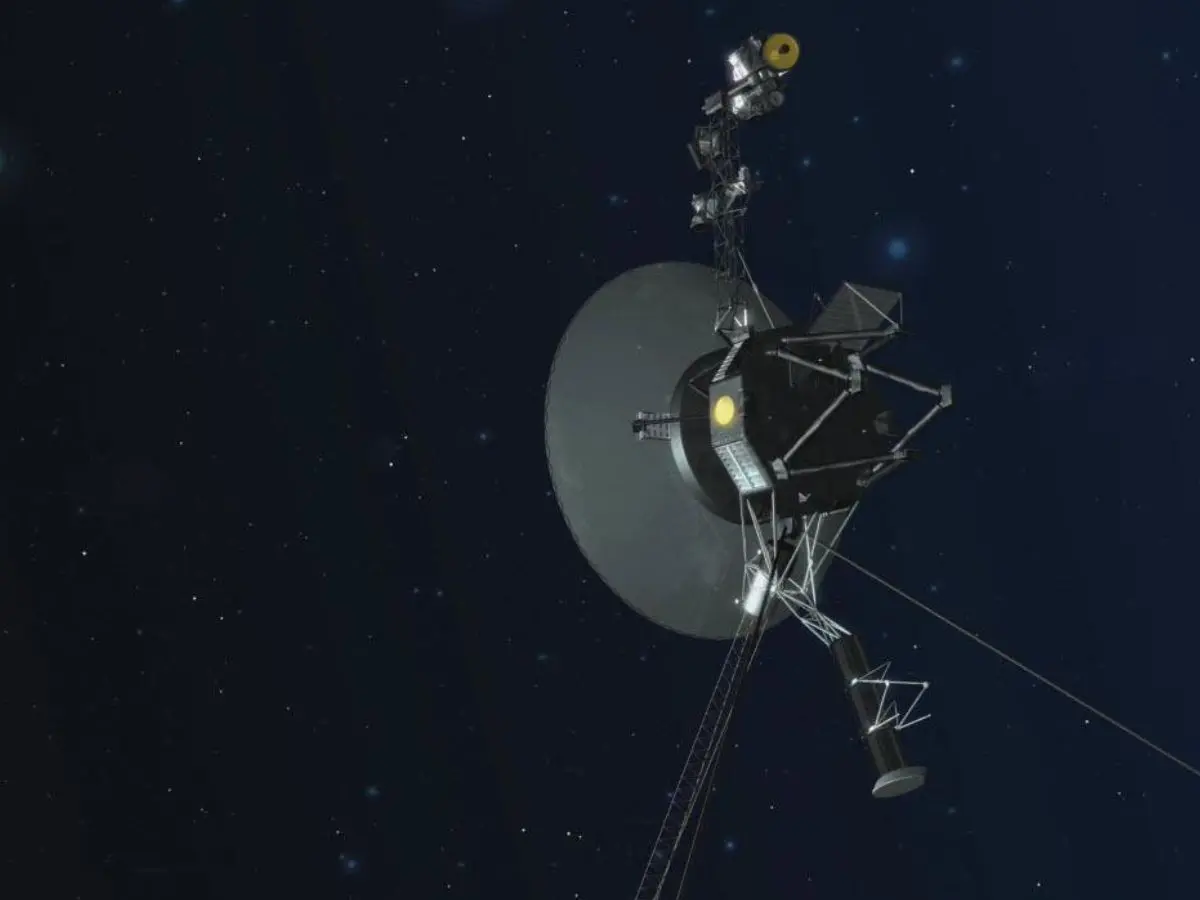
The Power Problem
Voyager uses nuclear power that has kept it alive for nearly 50 years. A human mission would need something similar fusion, advanced nuclear reactors, or technologies we are only beginning to imagine. Without Voyager proving nuclear longevity in space, such ideas might still feel impossible.
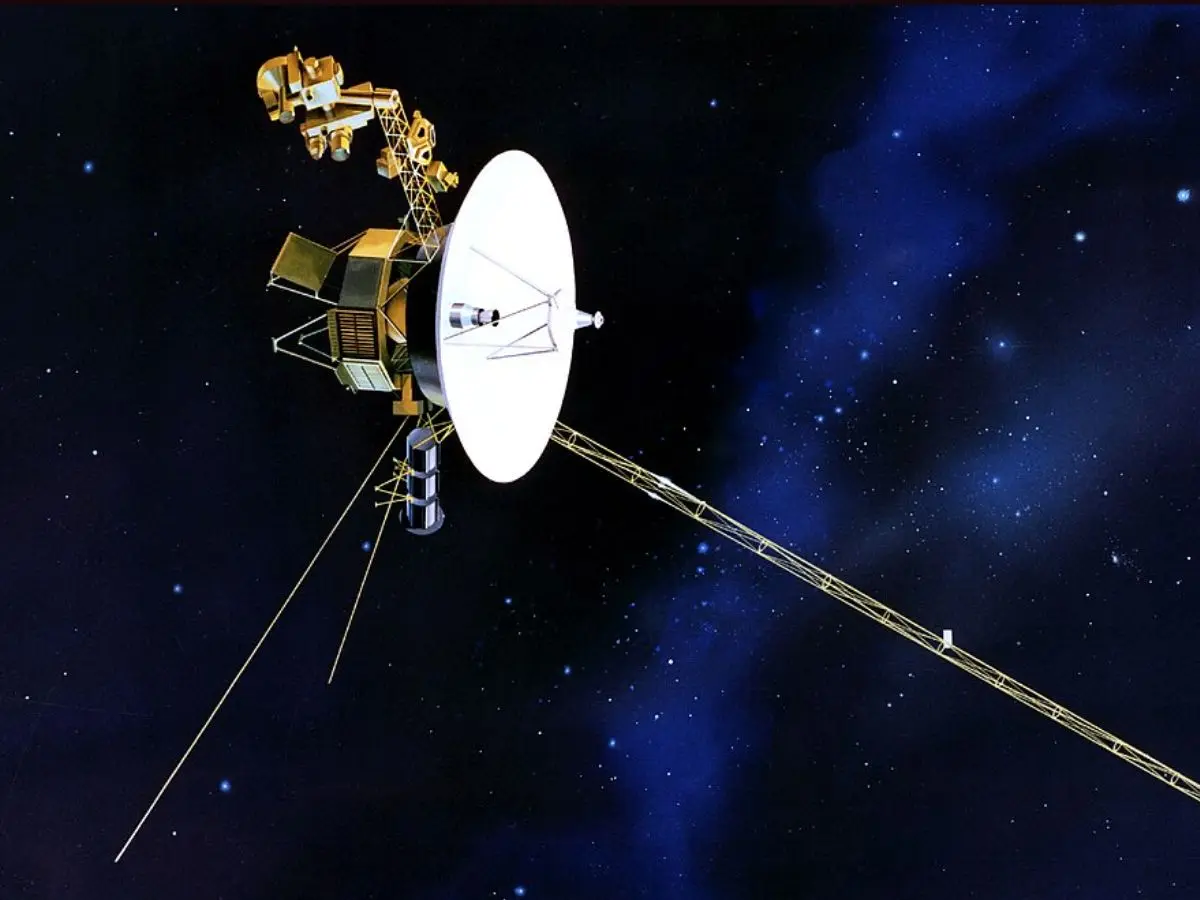
Communication Across Light-Years
Voyager still whispers faint signals back to Earth from 20 billion kilometres away. If we ever send humans to another star, communication will be our lifeline. Voyager proved we can hold a fragile connection across unthinkable distances.
The Psychological Parallel
Voyager has traveled alone in the dark for decades, exactly what human crews would face. Its loneliness mirrors the isolation astronauts would endure, raising the question: how do humans mentally survive when Earth is no longer in sight?
Navigation Beyond the Sun
Voyager doesn’t rely on GPS or Earth’s satellites. It uses star trackers and celestial mechanics—skills a human interstellar mission will need too. In many ways, Voyager was the first “training ground” for navigating between stars.
From Robot Scouts to Human Pioneers
Just as robotic rovers prepared the way for human Mars missions, Voyager might be remembered as the robotic scout for humanity’s leap into the stars. It’s the silent pathfinder, charting the way before humans dare to follow.
The Ultimate Inspiration
Voyager proved that with courage, vision, and persistence, a small craft from Earth could touch the stars. That single truth may be the spark that convinces future generations to risk everything, to step into a ship not bound for a planet, but for another sun.
)
)
)
)
)