Could USS George HW Bush join USS Abraham Lincoln in Gulf amid US–Iran tensions? Here’s why it stands out

The USS George HW Bush remains a strong option due to its availability and positioning, which could allow Washington to reinforce its naval presence quickly if tensions escalate or negotiations fail.
Rising naval presence during sensitive diplomacy
The United States has strengthened its military posture in the Gulf as diplomatic engagement with Iran continues through mediation in Oman, according to Reuters. The USS Abraham Lincoln carrier strike group is already operating in regional waters as tensions persist alongside negotiations. Now, US President Donald Trump told Axios he is “thinking” of sending another aircraft carrier strike group after boosting US military presence in the region in recent weeks.
Why USS George H.W. Bush is seen as a likely option
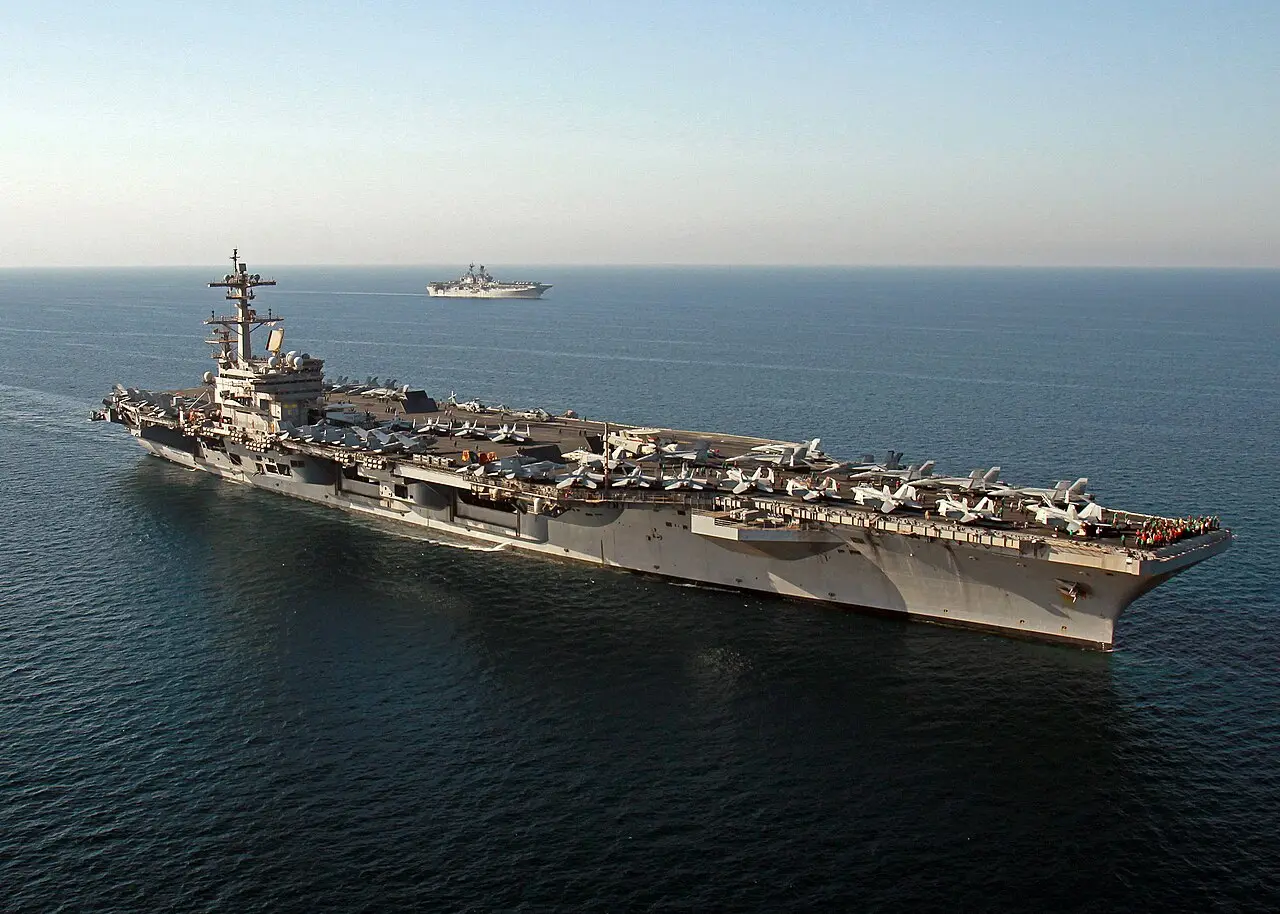
The USS George Washington in Asia and the USS George HW Bush on the US east coast are the most likely candidates, officials told Reuters, though both are at least a week away from the Middle East. The Pentagon could also deploy the USS Gerald R. Ford carrier from the Caribbean. The proposal might be intended to increase pressure on Tehran, however, the USS George HW Bush remains a strong option due to its availability and positioning, which could allow Washington to reinforce its naval presence quickly if tensions escalate or negotiations fail.
Introduction to USS George H.W. Bush
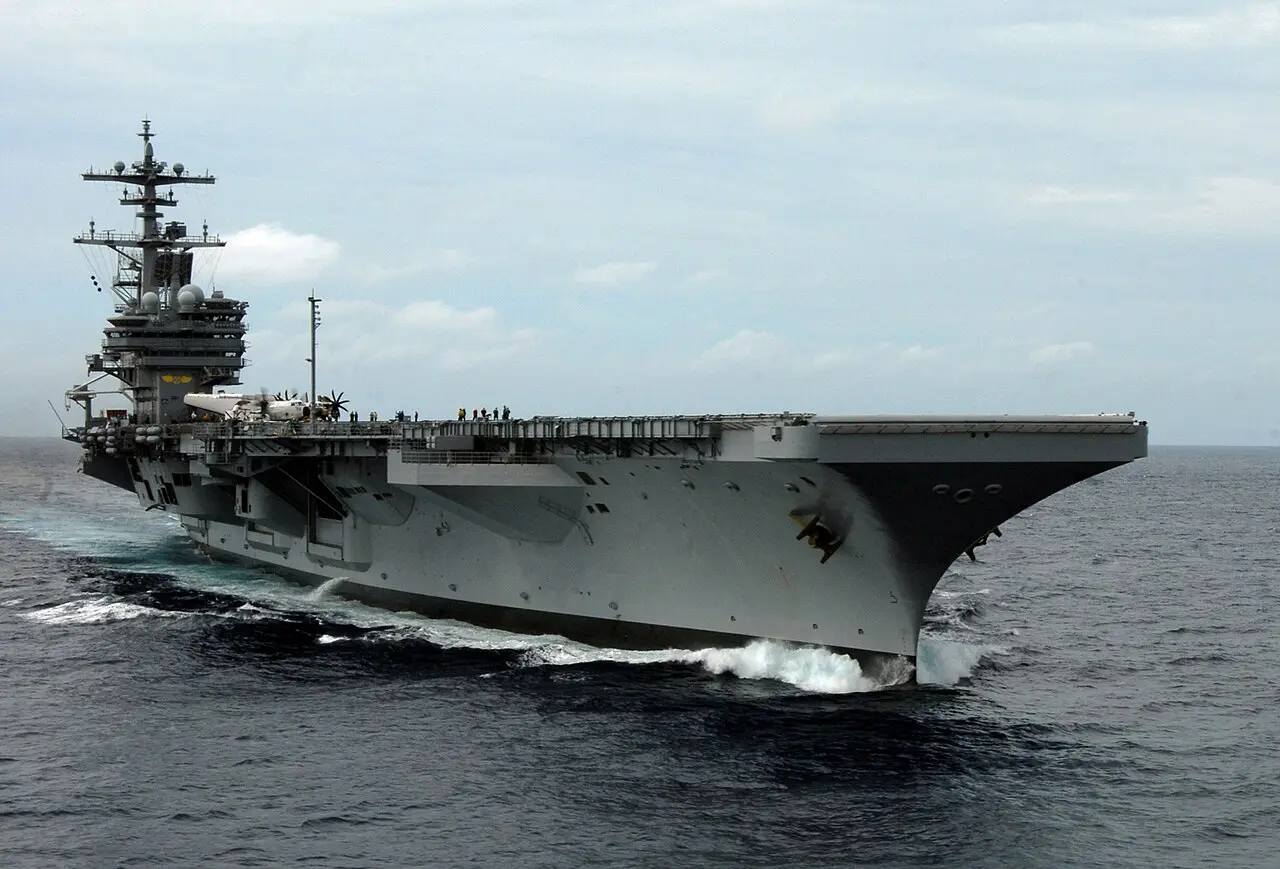
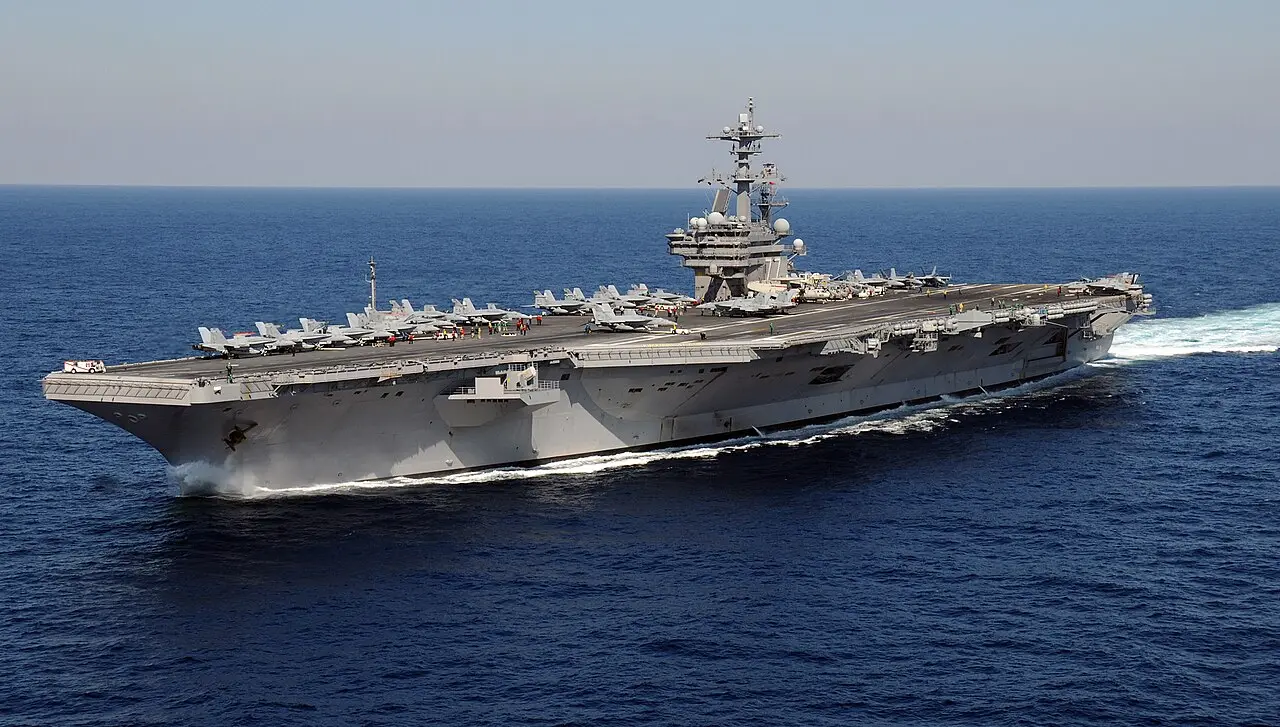
Commissioned in 2009, the USS George H.W. Bush (CVN-77) is the tenth and final Nimitz-class nuclear-powered aircraft carrier built for the US Navy. Named after the 41st President of the United States and a former naval aviator, the vessel represents one of the most advanced platforms of its class. It is assigned to Carrier Strike Group Ten under the US Second Fleet, which oversees operations across the Atlantic and supports forward naval deployments.
Scale and engineering capability
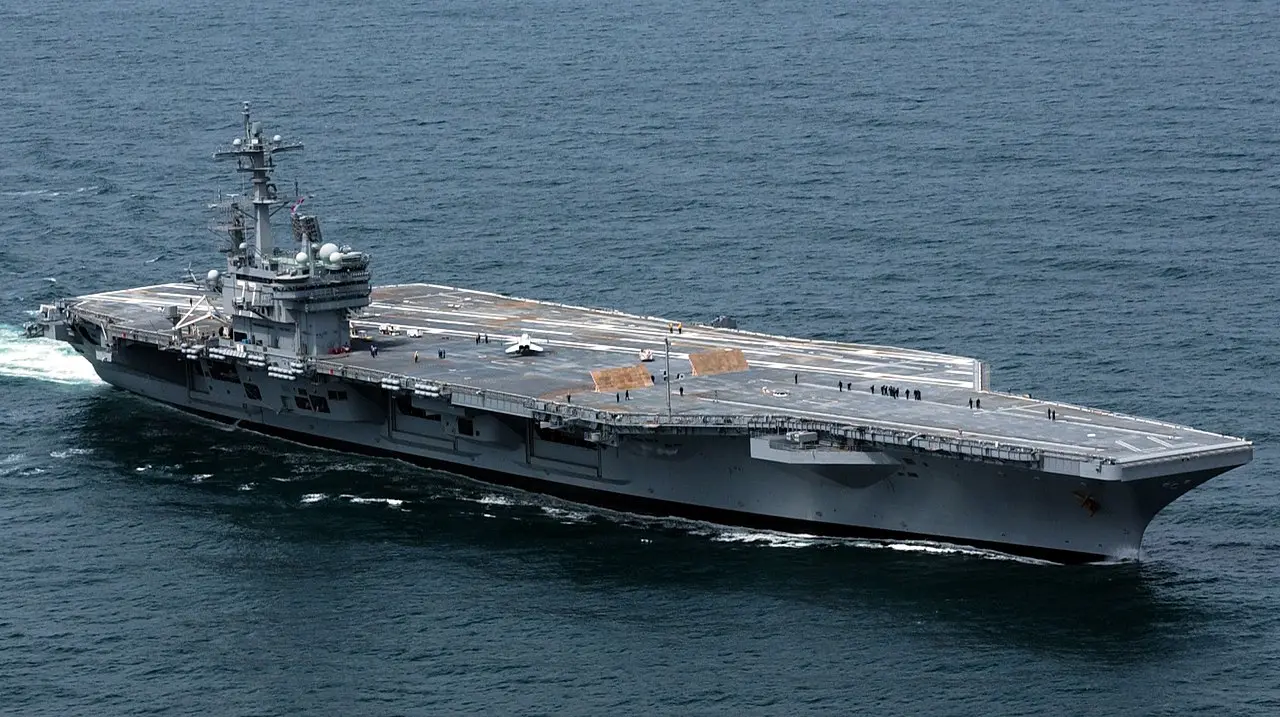
Measuring more than 1,092 feet in length, the carrier is designed to host a full air wing comprising about 85–90 aircraft depending on mission requirements, aircraft mix, and operational configuration this includes fighter jets like F/A 18E Super Hornet & VRM-40, electronic warfare aircraft and surveillance platforms. Its nuclear propulsion system enables extended operational endurance, allowing the ship to remain deployed for long durations without refuelling. The design also incorporates modernised flight deck layouts that improve sortie generation and aircraft handling efficiency.
Operational history and deployments
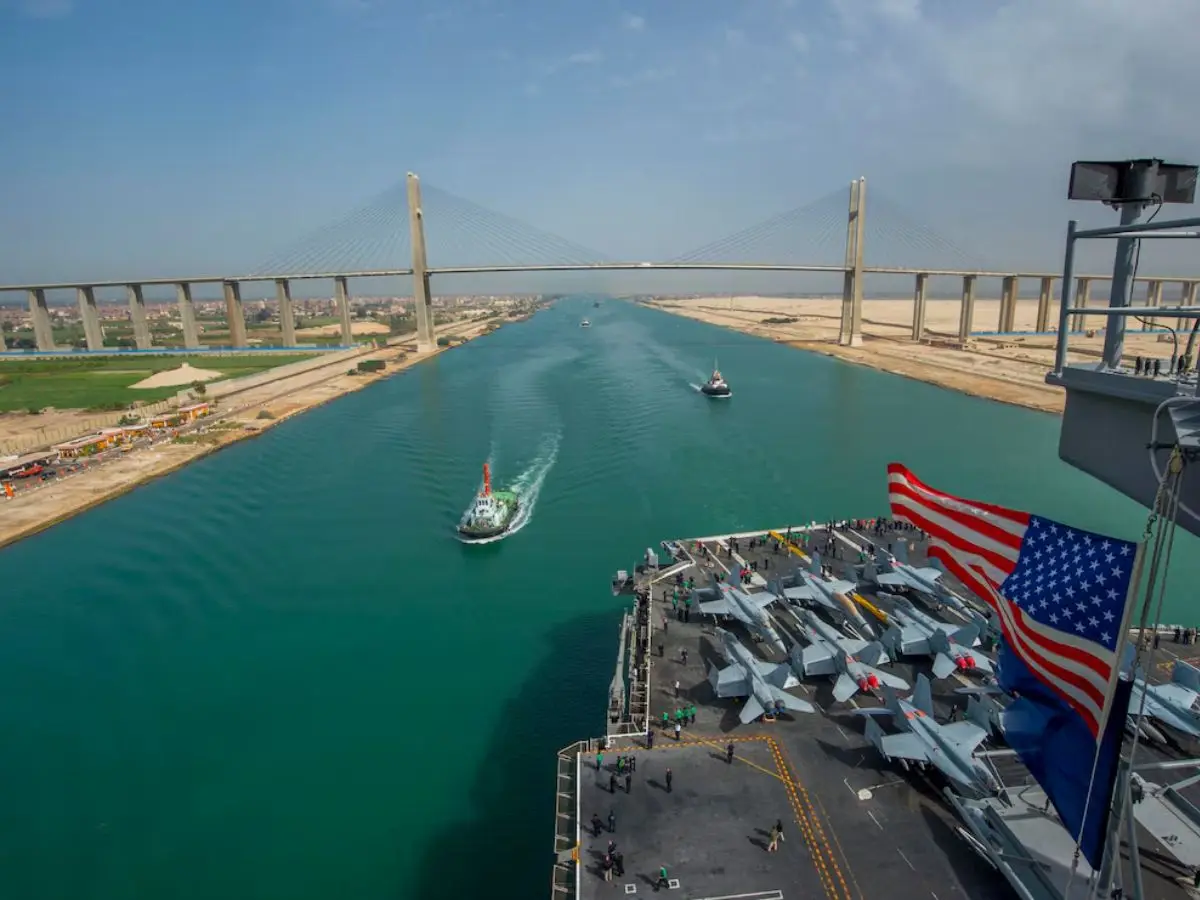
Naval records show that USS George H.W. Bush has undertaken multiple deployments supporting combat and maritime security missions across the Middle East and Mediterranean. The carrier conducted air strike operations and coalition support activities, with the US Navy describing one deployment as historically significant for sustaining high operational tempo across theatres. During Operation Inherent Resolve from 2014 and 2017, it carried out strikes in Syria and Iraq, expending 907 tons of ordnance, the highest by a carrier air wing since Desert Storm and earning several Navy awards.
Role within carrier strike group operations
The carrier functions as the central command platform within a strike group that typically includes guided-missile destroyers, cruisers and logistics support vessels. Together, these assets provide air defence, missile interception and maritime surveillance capabilities. Such formations allow the US Navy to project power while maintaining operational flexibility across contested sea lanes.
Flight operations and combat readiness
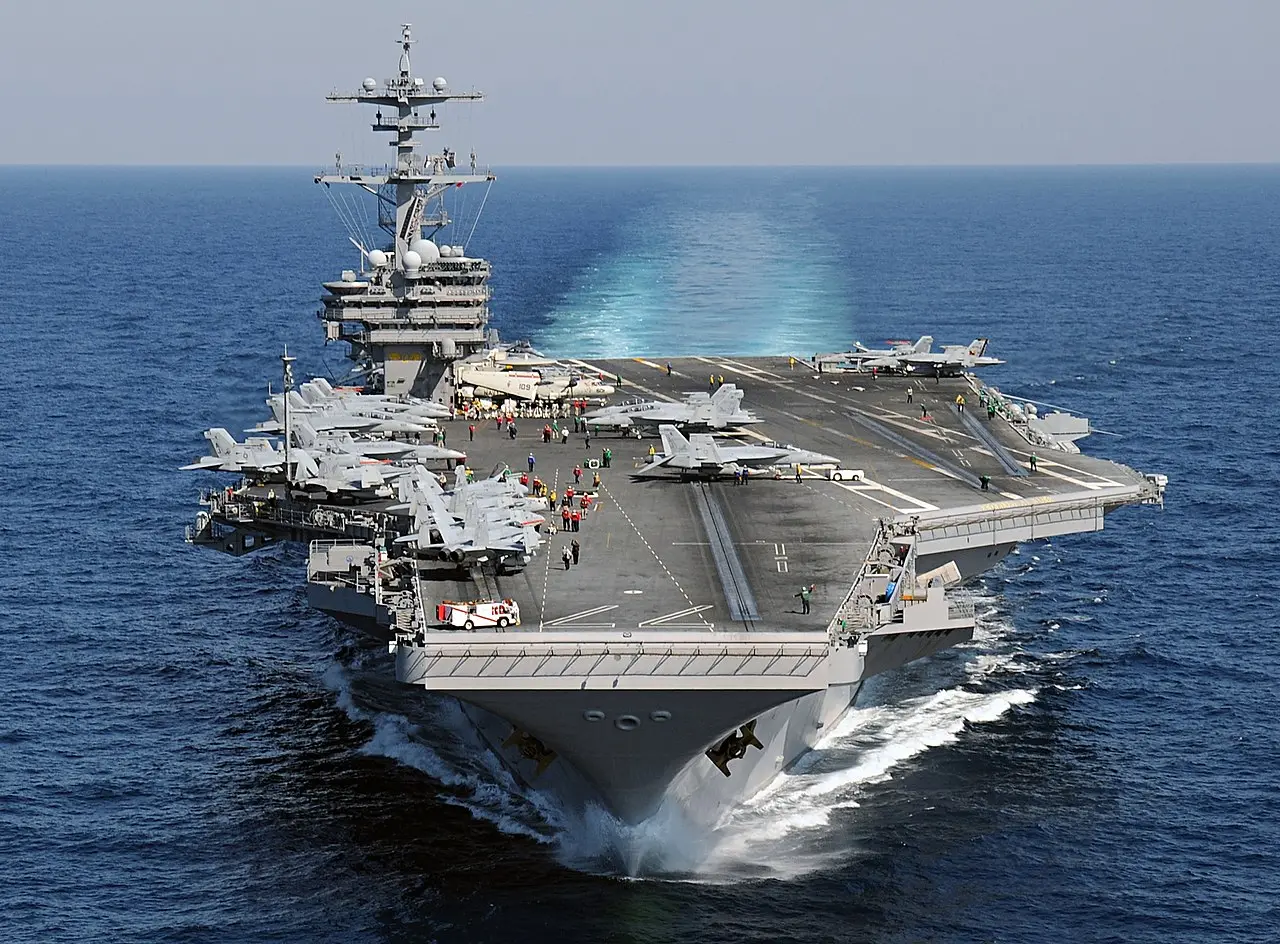
The vessel is currently conducting carrier qualifications and routine operations in the Atlantic, according to DVIDS. Visual and operational records released by the US Navy show continuous flight operations aboard the carrier, underscoring its readiness for complex missions. The vessel’s integrated command and control systems support joint operations with allied navies and air forces, strengthening coalition defence efforts in sensitive maritime regions.
)
)
)
)
)