Could the US "Venezuela-style" operation happen in Greenland?

The US successfully captured Venezuelan President Maduro in January 2026 through Operation Absolute Resolve. Whether similar methods could work in Greenland faces major obstacles: NATO protection, international law, and logistical challenges not present in Venezuela.
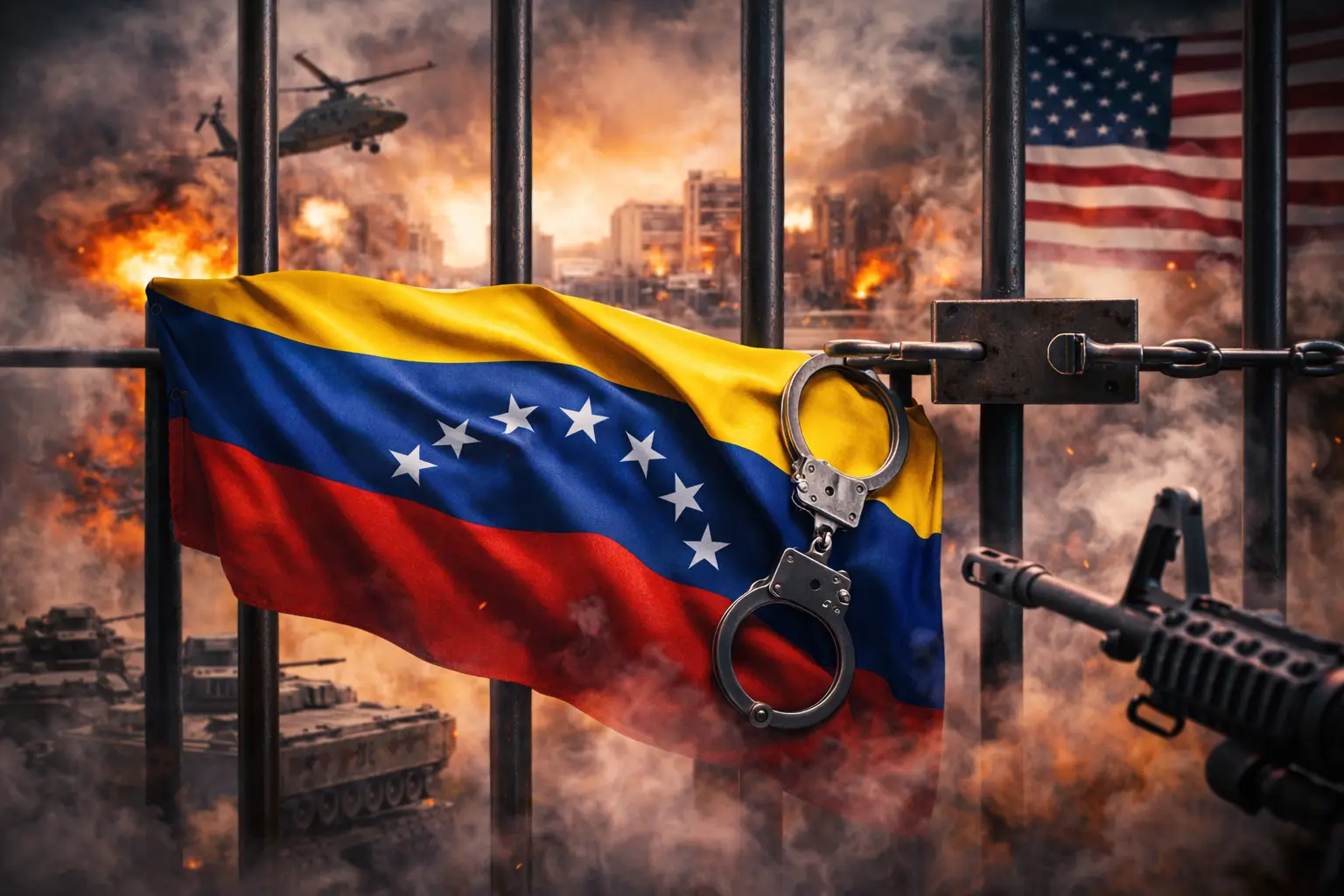
The Venezuela Operation Explained
Operation Absolute Resolve launched on 3 January 2026 when the US deployed over 150 military aircraft from 20 bases targeting Venezuelan air defences. Special Forces helicopters extracted President Maduro and his wife from Caracas around 2 a.m. local time. The operation lasted several hours and resulted in no American casualties, achieving tactical surprise through cyberattacks that disabled Caracas power systems. The rapid precision execution demonstrated modern US military capability.
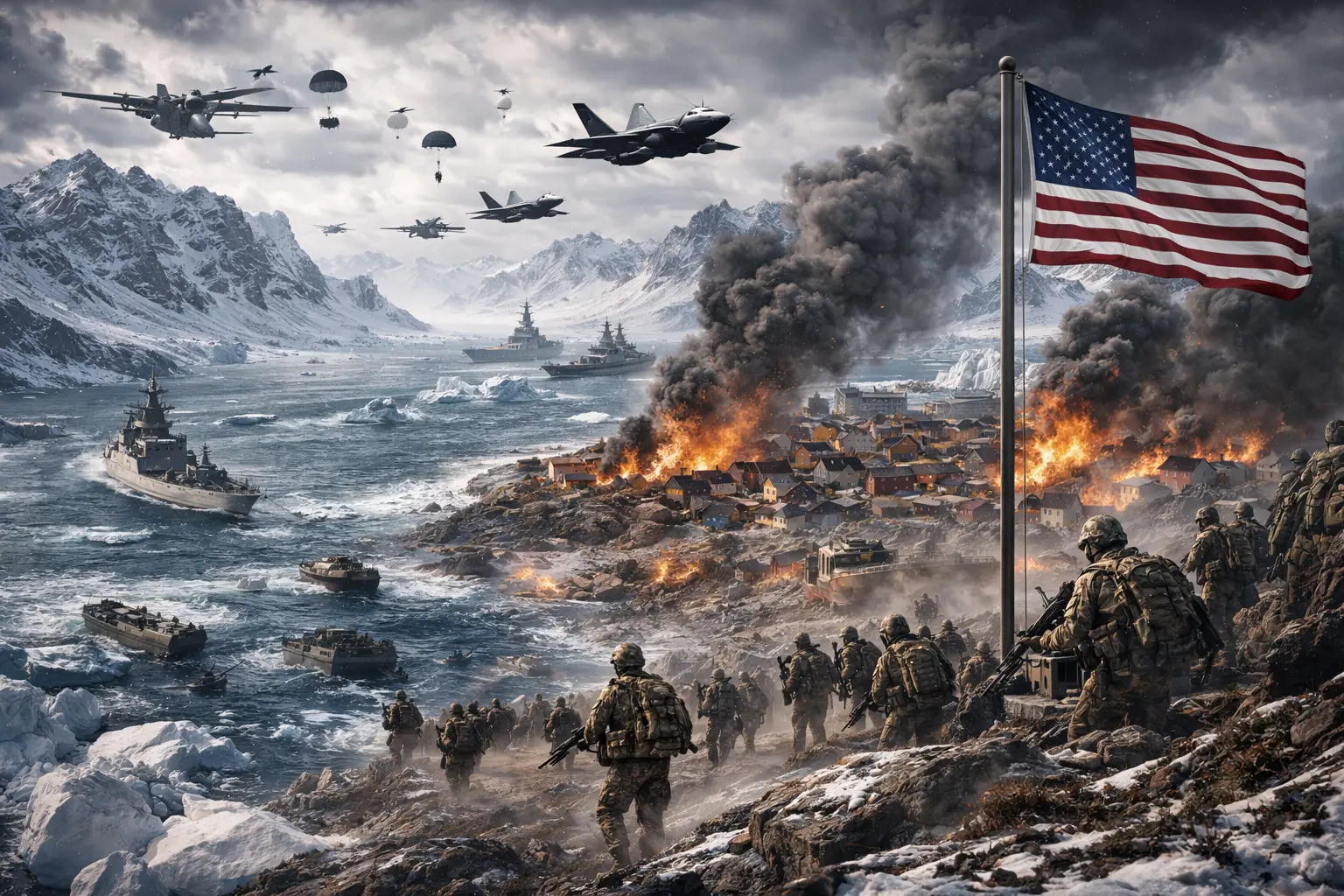
Why Venezuela Differed
Venezuela lacked NATO protection and faced international isolation under US-backed recognition of opposition leader Juan Guaidó as interim president. The country had limited air defence capabilities and no strategic allies willing to invoke mutual defence treaties. Additionally, Venezuela's military leadership faced internal divisions, with some officers open to defection. These factors created vulnerability that invited military intervention from Washington without direct allied resistance.
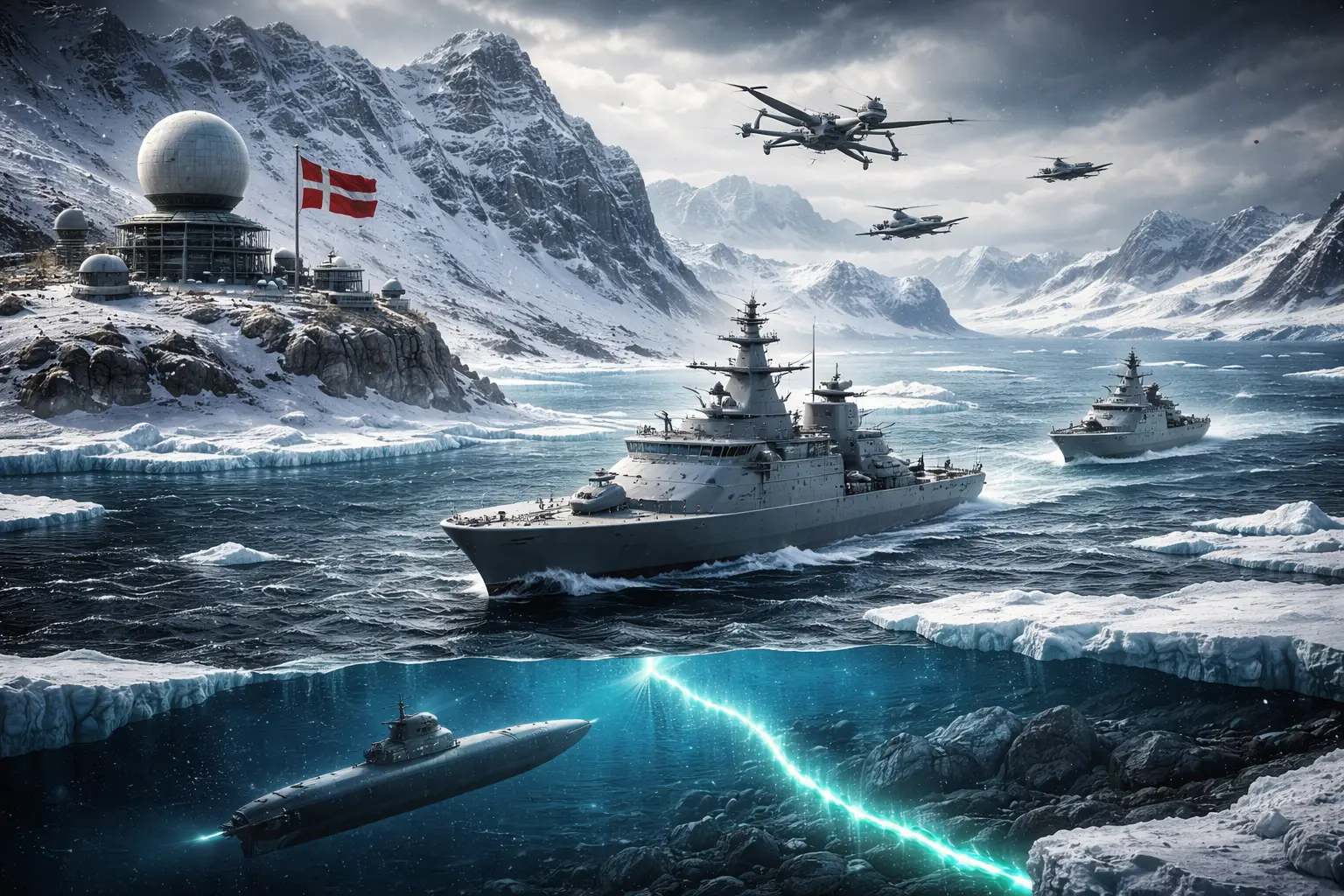
Greenland's NATO Shield
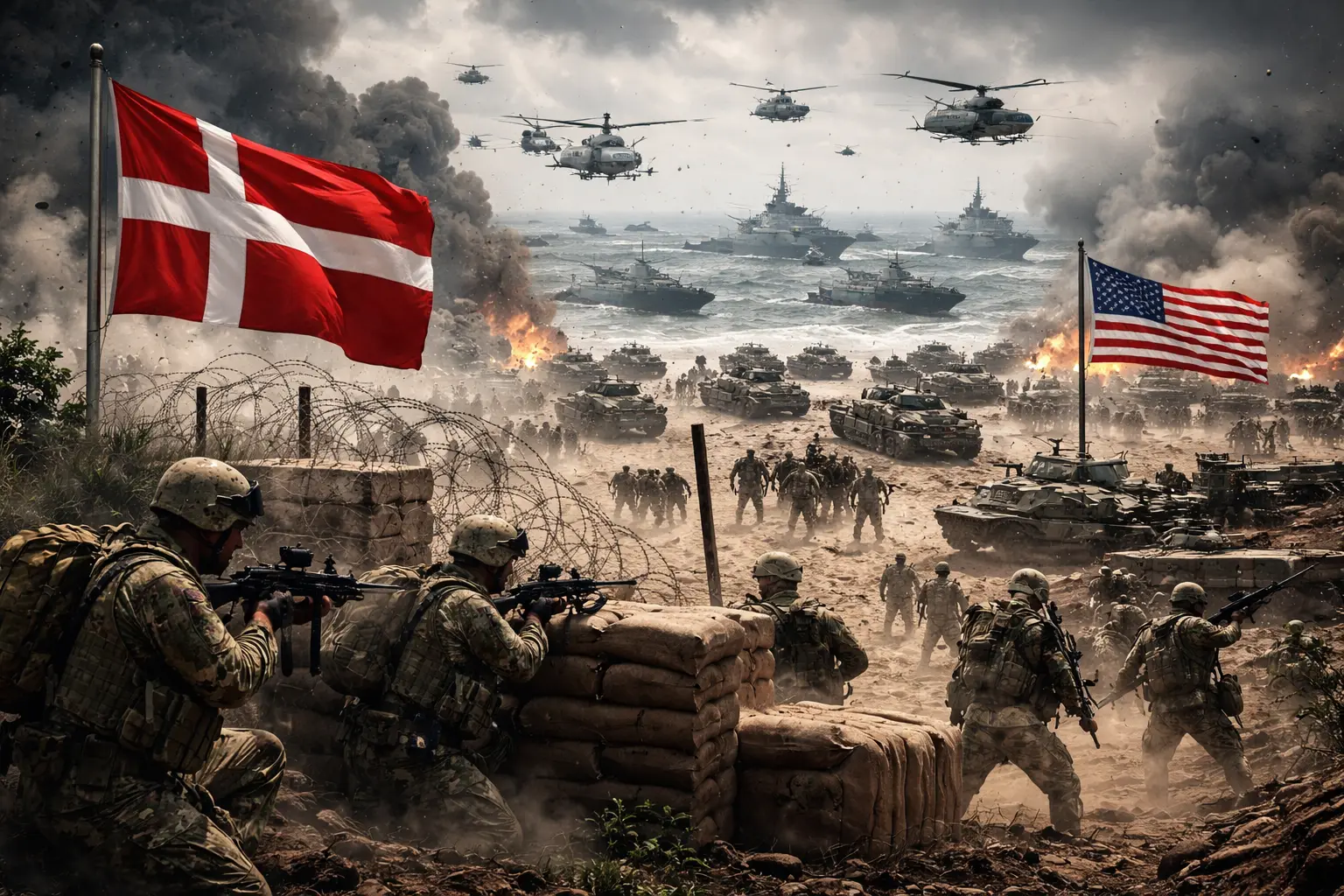
Greenland is a self-governing Danish territory, and Denmark is a full NATO member since 1949. Under Article 5, an attack on Greenland constitutes an attack on all 32 NATO members theoretically obligating collective defence. This treaty obligation creates fundamental legal barriers absent in Venezuela. NATO invoked Article 5 only once before, after 9/11 in 2001. Any US action against Greenland would trigger unprecedented alliance crisis.
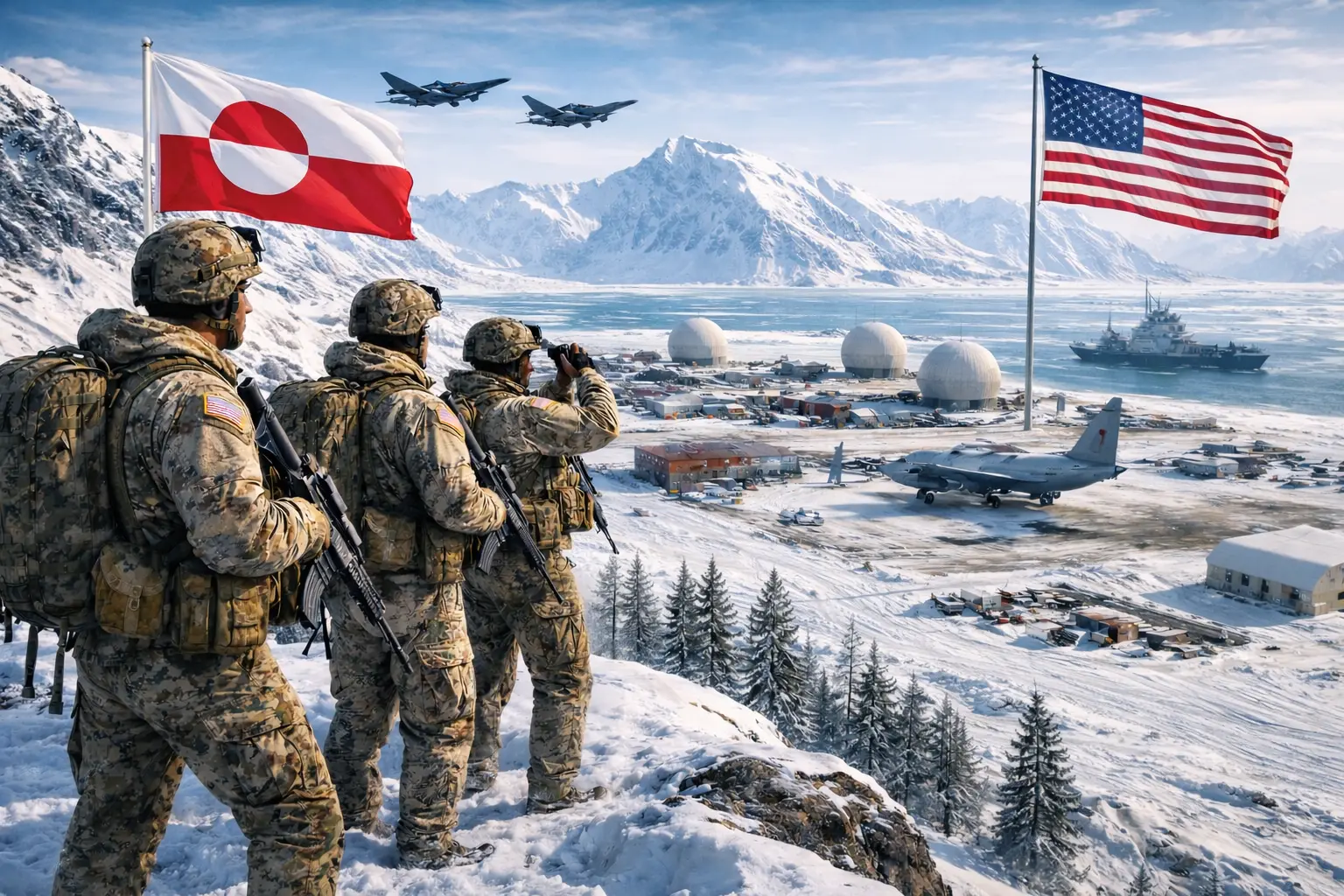
The 1951 Agreement Factor
A Cold War defence pact signed between the US and Denmark permits American military presence in Greenland through Pituffik Space Base and grants rights to expand facilities. Analysts suggest Trump could expand military personnel and assets through this existing framework rather than military invasion. The agreement technically provides legal pathway for increased US control without crossing occupation threshold, though Denmark retains sovereign authority over the territory.
International Law Barriers
Under the principle ex injuria jus non oritur, military force cannot create valid territorial acquisition. The UN General Assembly reaffirmed in 2023 that no territorial acquisition through force shall be recognised as legal. Military occupation does not transfer sovereignty regardless of how complete the takeover. This international legal framework distinguishes Greenland from Venezuela, where regime change did not require territorial annexation.
NATO's Impossible Choice
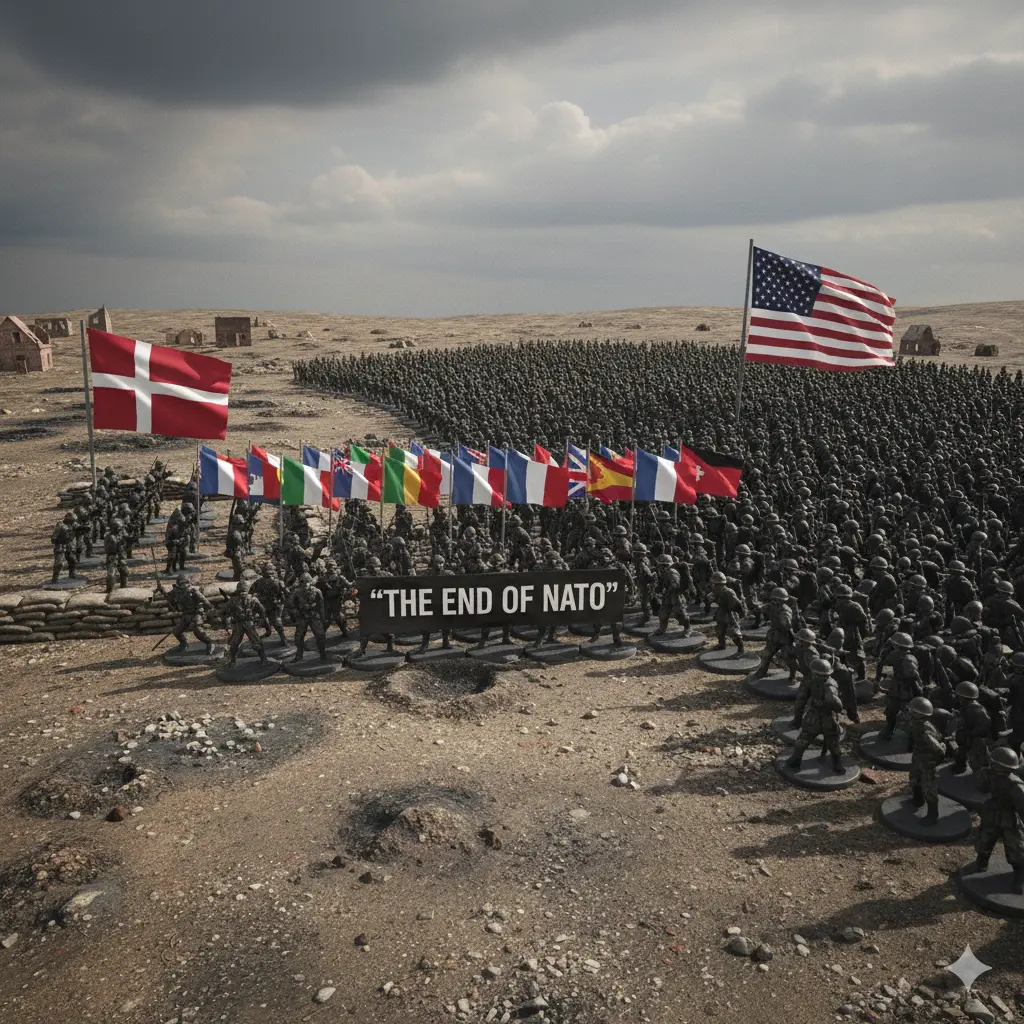
If the US attacked Greenland, NATO would face an institutional crisis. The alliance could enforce Article 5 against its strongest member or allow selective application of collective defence. Either outcome would hollow out NATO's core purpose and destroy deterrence credibility. European leaders warned this scenario would "end NATO." Even if members didn't fight the US militarily, the alliance would suffer irreparable damage to trust and strategic unity.
Geographic and Logistical Differences
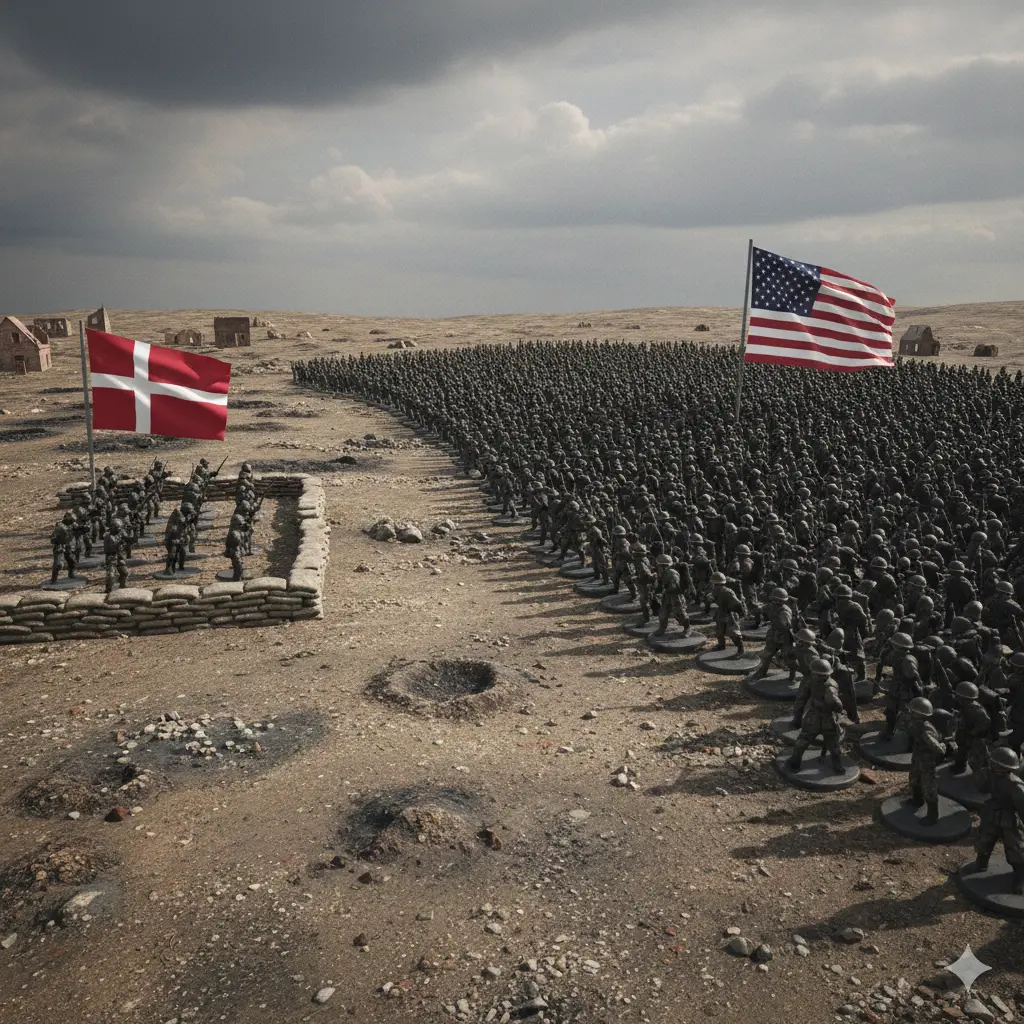
Greenland's Arctic location, harsh climate, and small population of 57,000 create different operational challenges than Caracas. No strategic opposition leadership exists to install as proxy government. Resupply and maintenance operations face extreme weather conditions requiring sustained military commitment. Unlike Venezuela's captured single leader, controlling Greenland requires administering territory and population indefinitely, consuming vast resources. These factors make occupation fundamentally different from successful regime change operations.
)
)
)
)
)