Quantum radar vs stealth fighter jets: Is stealth technology at risk?

Quantum radar could one day detect stealth aircraft by spotting tiny signals that traditional radar usually misses. But there are significant technical hurdles that remain. Let's explore the developments so far.
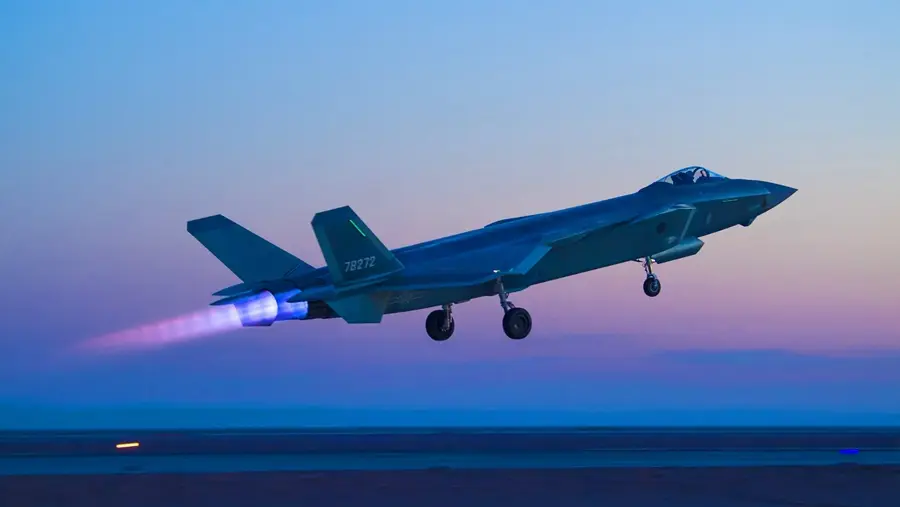
What is quantum radar
Quantum radar uses a method called quantum illumination. It sends one tiny light signal, a photon, towards the target and keeps its twin, the idler, at the radar. When a weak echo returns, the radar checks if it matches the twin’s pattern. If it does, the system can confirm a target even when the return is very faint.
Why it could threaten stealth
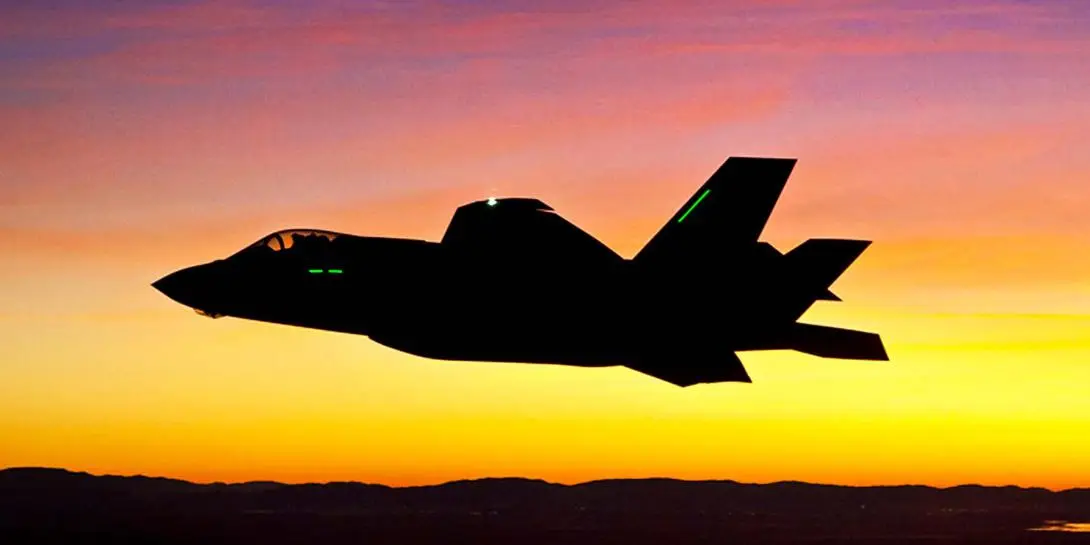
Stealth aircraft are shaped and coated to deflect normal radar waves. Quantum illumination does not rely only on signal strength. It looks for matching patterns between the sent photon and the return. This can make very weak echoes stand out from background noise, so in theory it may help detect stealth aircraft at longer ranges.
What labs have shown so far
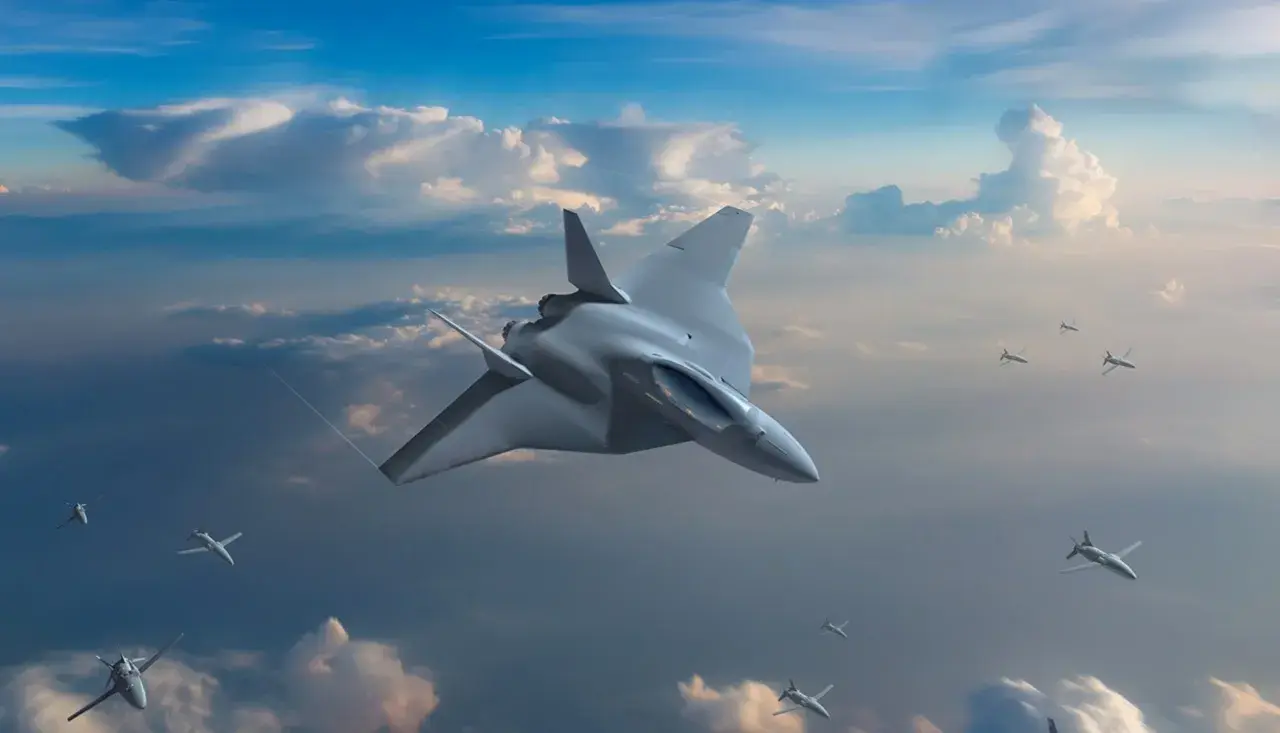
Scientists first set out the theory in 2008, led by MIT’s Seth Lloyd. Small lab tests, usually with optical setups, show the basic idea works. You can find a weak signal hidden in noise by using quantum correlations. These are early experiments, not full military radars.
Big claims from the field
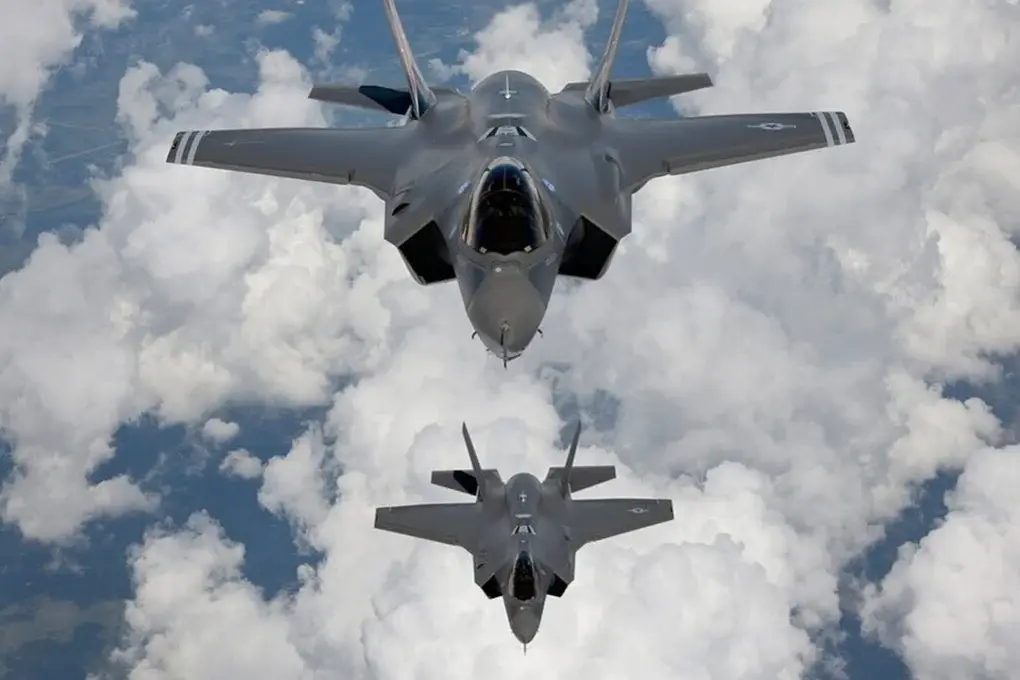
Chinese state media and CETC have reported tests of quantum radar to about 100 kilometres against stealth like targets. Public details are limited about this, and there is no independent verification. Many experts therefore, advise caution about these claims.
What critics point out
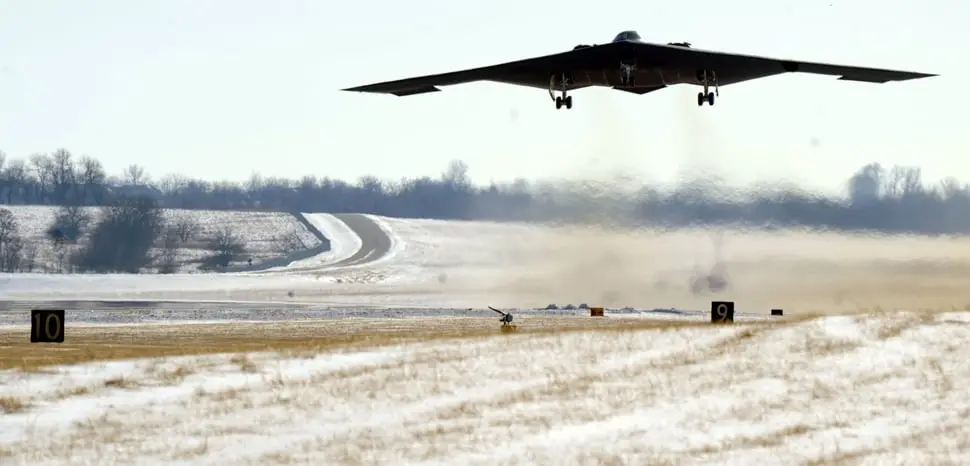
Research reviews say practical quantum radar is still behind the best classical radars. There are no shared measures yet, such as a standard quantum radar cross section. Bold promises about near-term battlefield use are not proven.
What critics point out
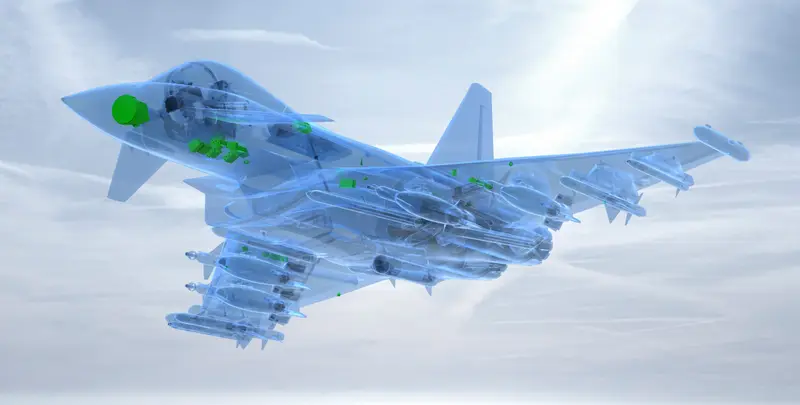
Research reviews say practical quantum radar is still behind the best classical radars. There are no shared measures yet, such as a standard quantum radar cross section. Bold promises about near-term battlefield use are not proven.
Tough engineering problems
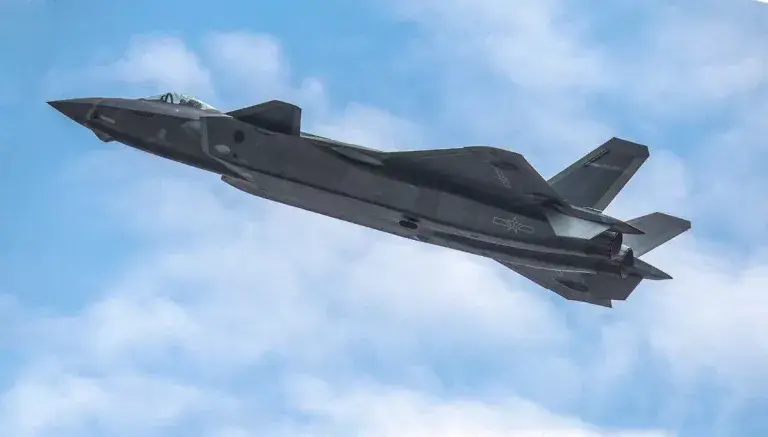
Keeping correlations over long distances is hard because the link can break, known as decoherence. Building suitable microwave sources, very sensitive detectors and performing joint measurements at scale is difficult. Cost, large antennas, weather and clutter also reduce performance.
Will it make all jets visible
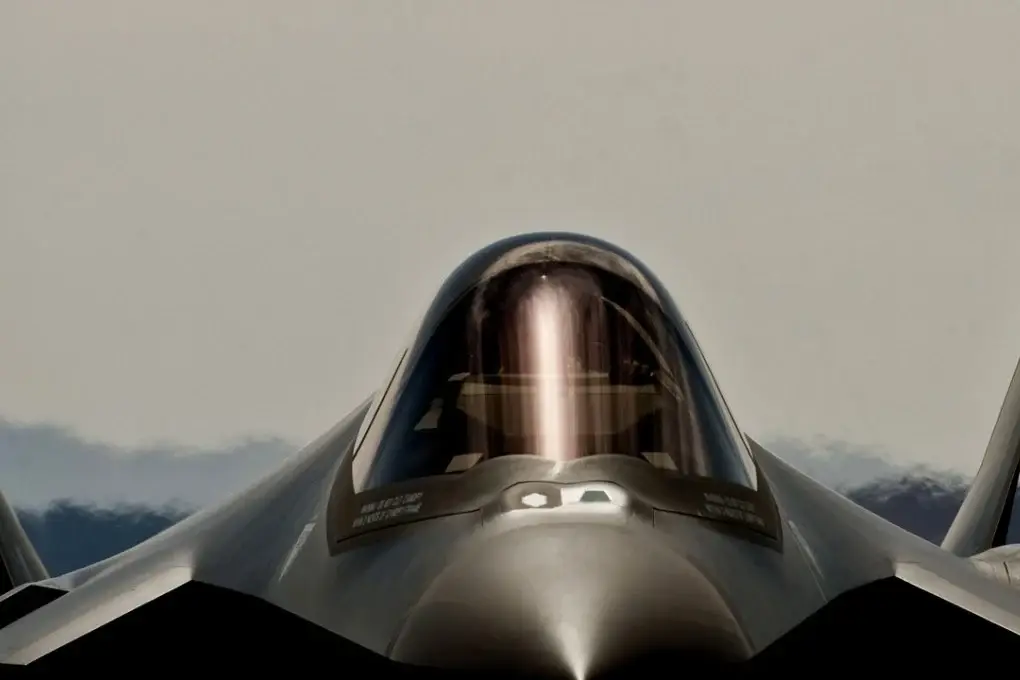
Not for now. Quantum sensing is promising, but there is no public proof that it can track stealth jets in real operations. Meanwhile, traditional counter-stealth tools are improving, including low-frequency VHF and UHF radars, multistatic networks and infrared search and track. Expect steady progress on both sides, not a sudden end to stealth.
)
)
)
)
)