Could Pakistan–Afghanistan tensions pull China and US into a new proxy war?

While the United States is less directly involved than during the Afghan war years, its interests still overlap: Pakistan’s role in regional security, counter-terror efforts, and US concerns over militant groups continuing to find sanctuary.
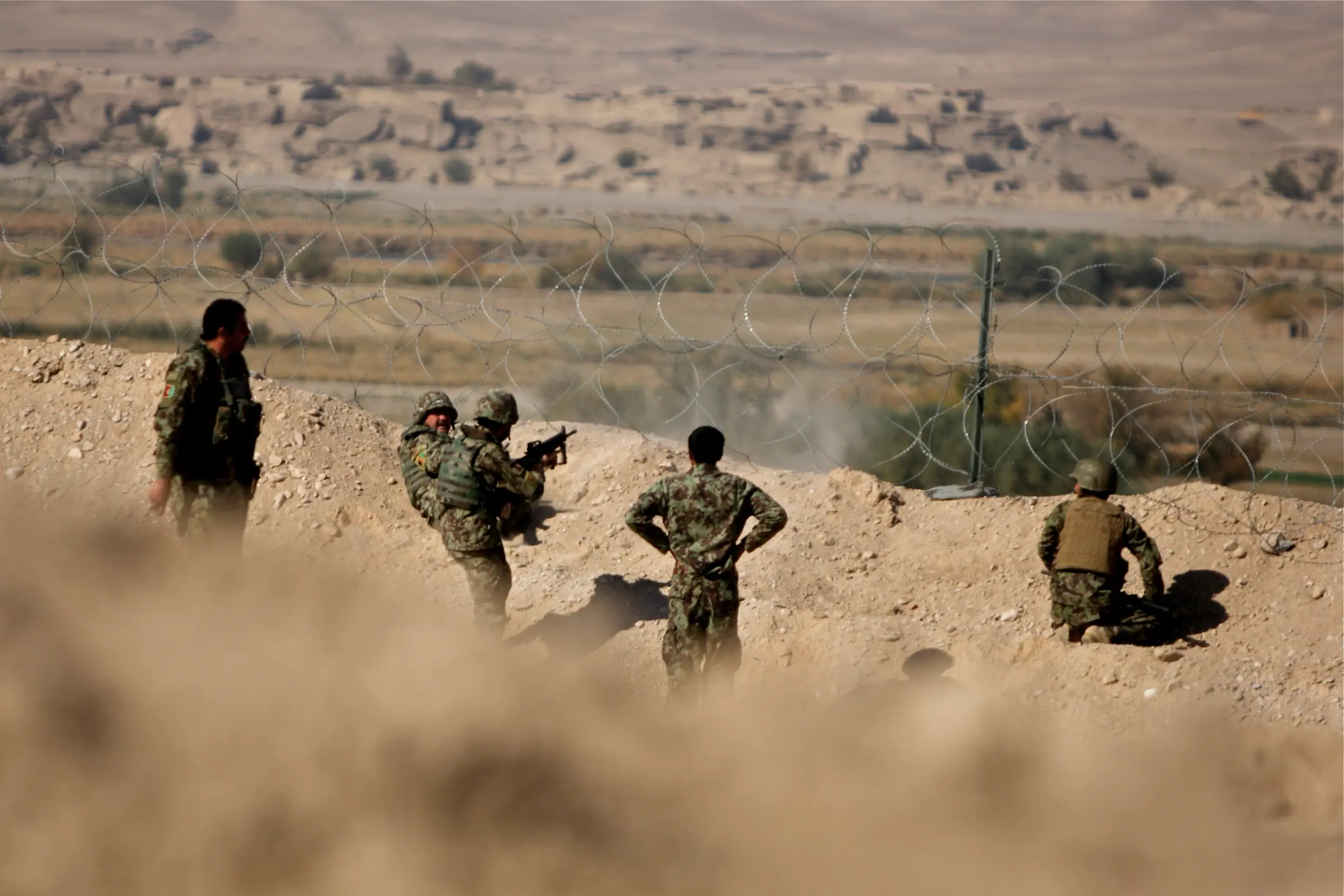
1. A Renewed Flashpoint in South-Central Asia
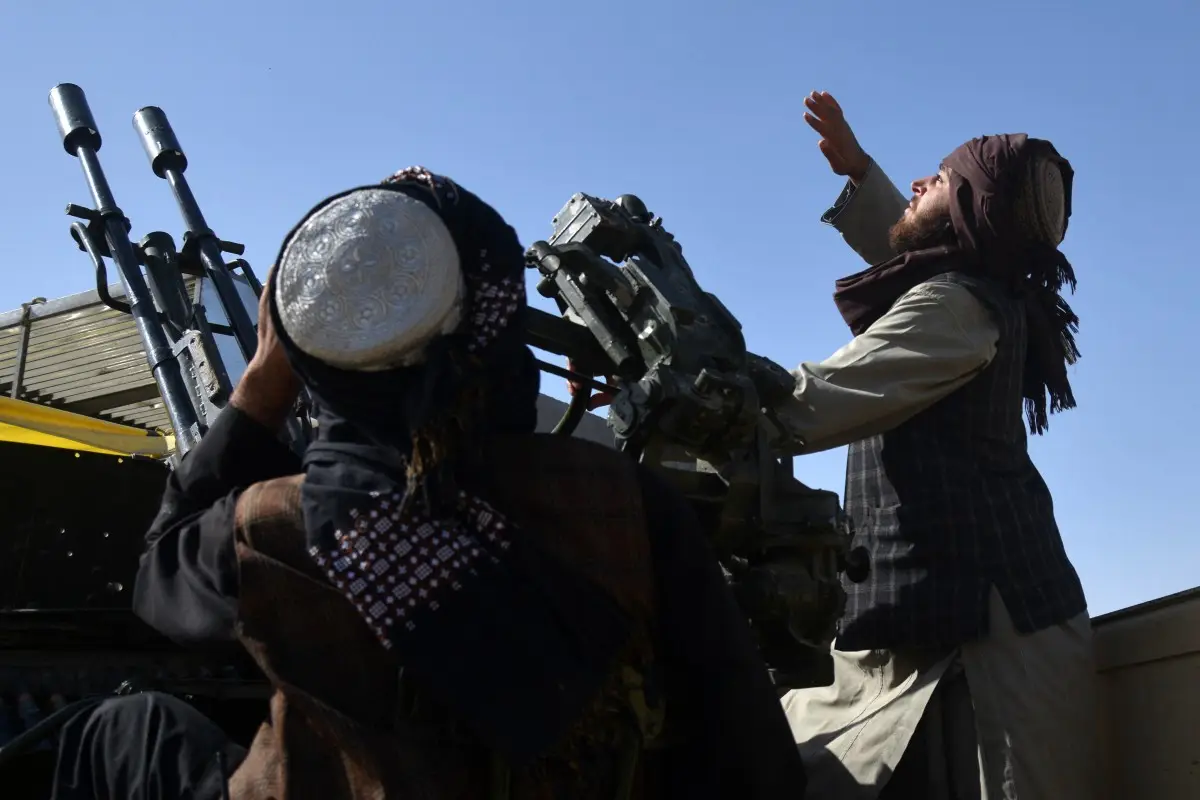
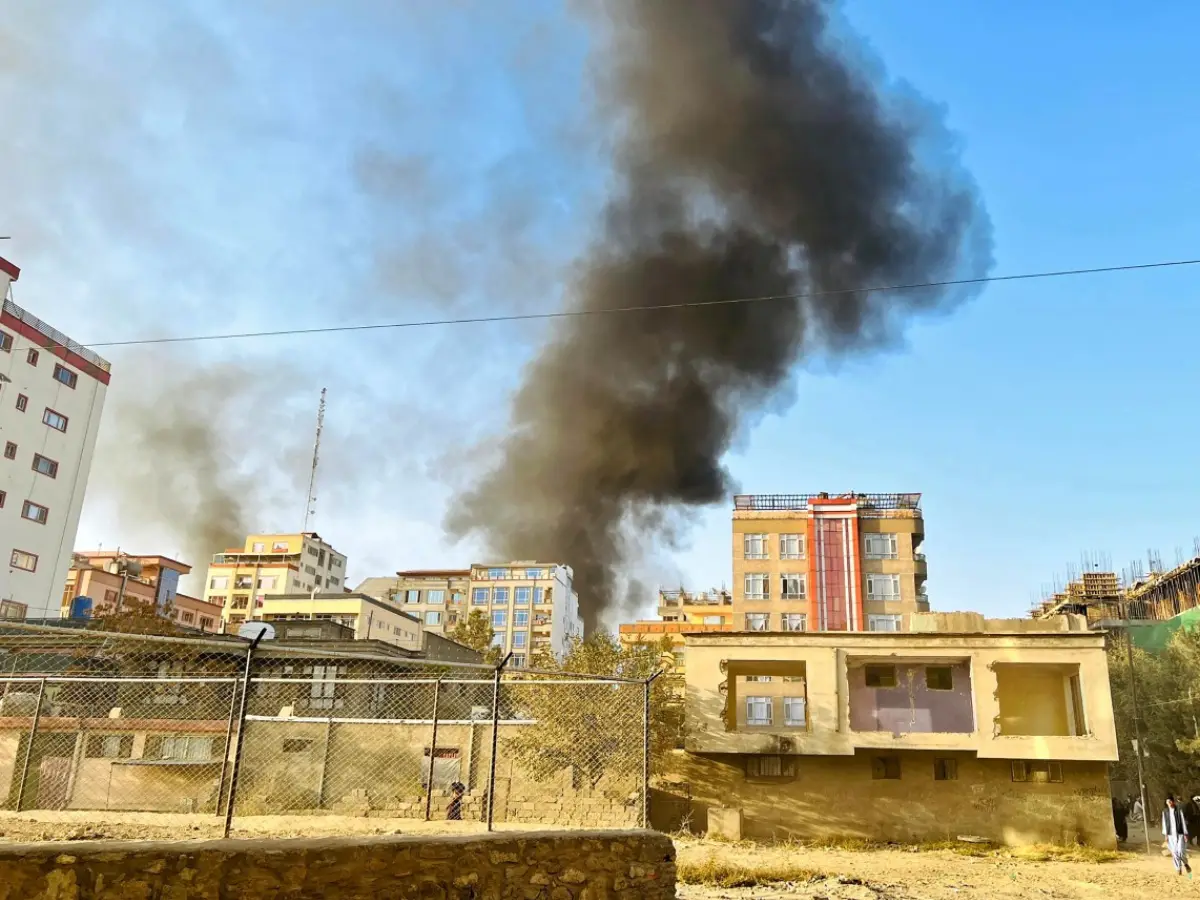
The latest deadly clashes between Pakistan and Afghanistan, including air-strikes, border skirmishes and closure of key crossings, are not just bilateral problems. Both countries are locked in a volatile border situation spanning the 2,600-km Durand Line, where accusations of militant safe havens and cross-border attacks intensify the risk of escalation.
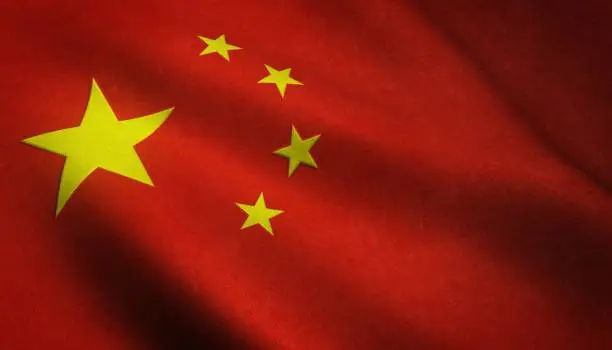
2. China’s Quiet but Strategic Involvement
China has increasingly moved from infrastructure investor to regional mediator. It famously hosted foreign ministers of Pakistan and Afghanistan in May 2025, championing the extension of the China–Pakistan Economic Corridor (CPEC) into Afghanistan and offering a diplomatic lifeline to both states. For Beijing, stabilising the border region also means safeguarding its western frontier (including Xinjiang) and protecting its overseas investments.
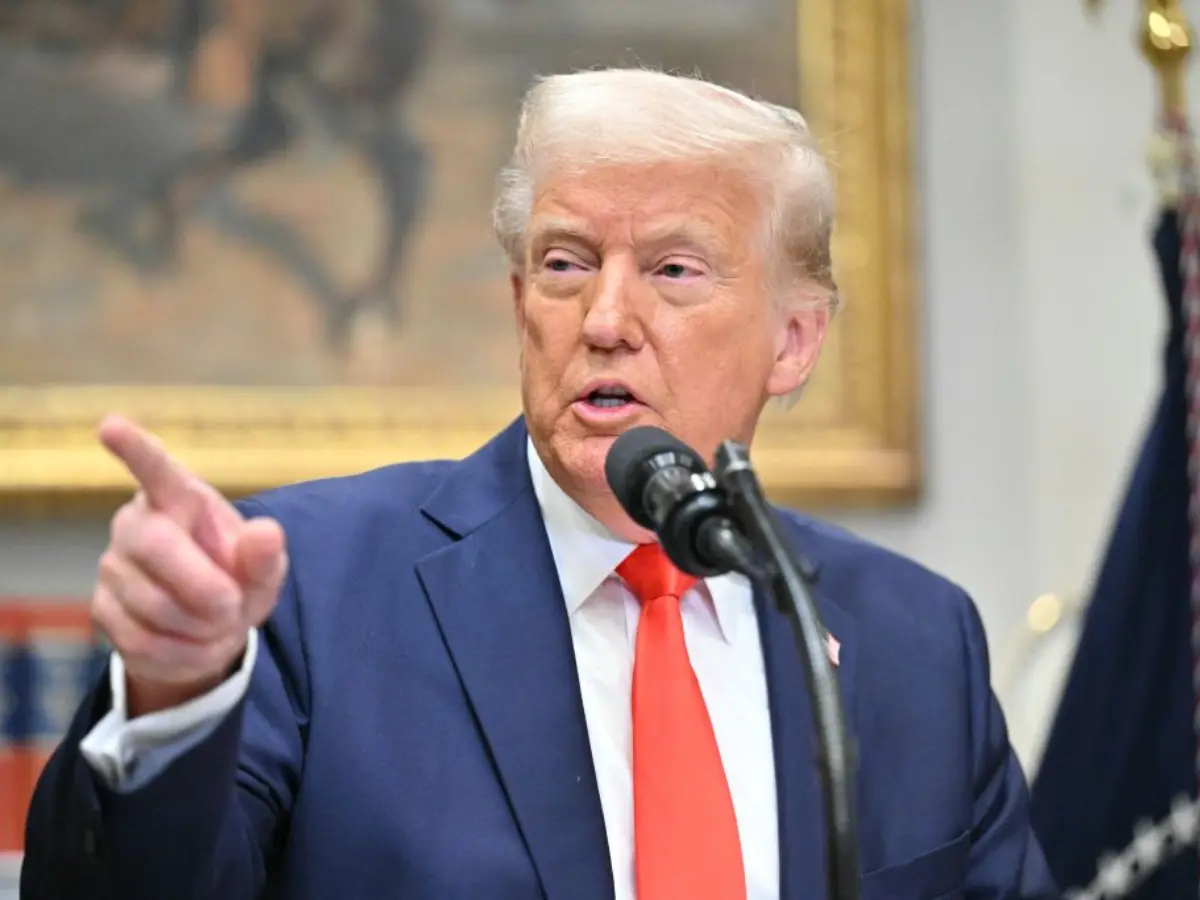
3. US. Interests on the Sidelines (But Watching Closely)
While the United States is less directly involved than during the Afghan war years, its interests still overlap: Pakistan’s role in regional security, counter-terror efforts, and US concerns over militant groups continuing to find sanctuary. Washington has in the past reached out to both Islamabad and Kabul to shape outcomes in Afghanistan.
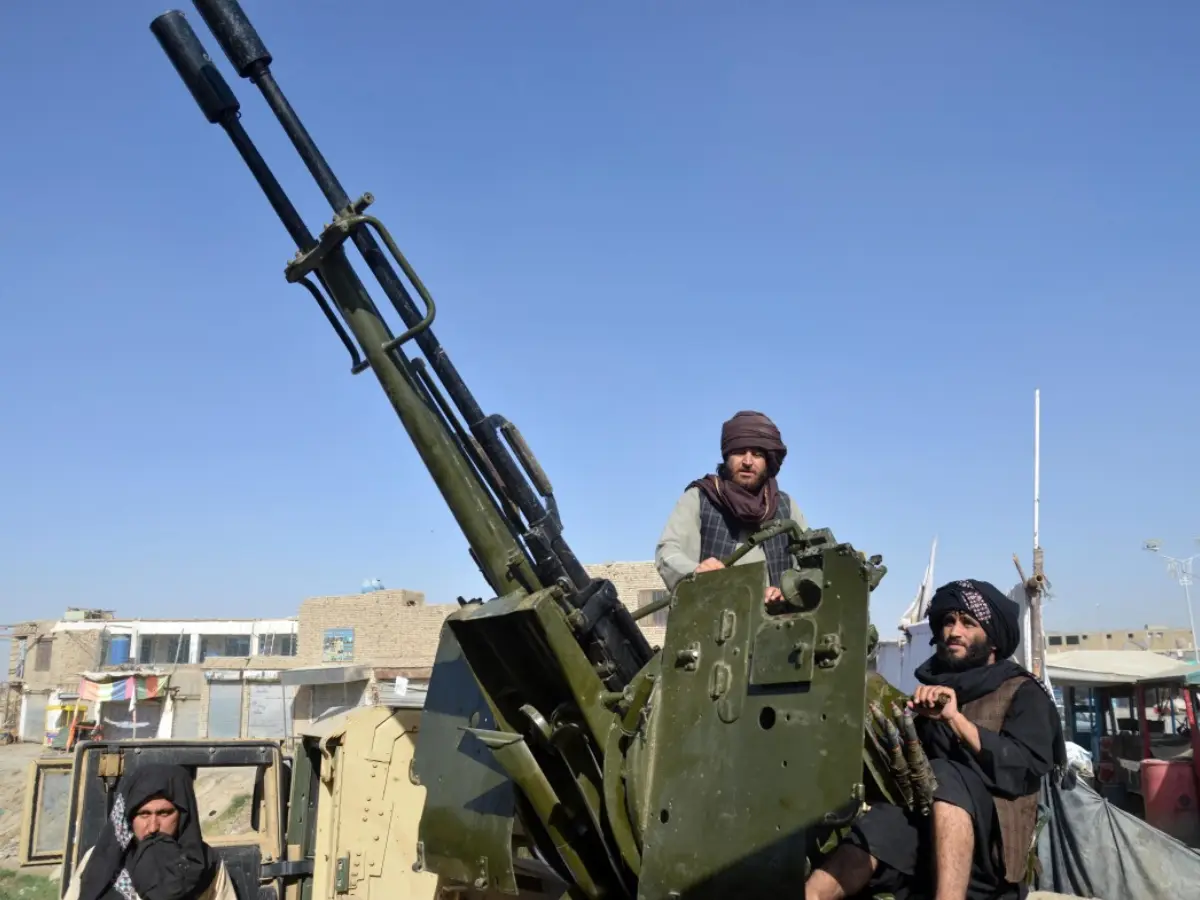
4. Proxy Risks: Two Great Powers, One Conflict Zone
With China deepening its ties to Pakistan and Afghanistan, and the U.S. still modestly engaged via counter-terrorism corridors, the border clash could easily become a battleground for influence rather than just territory. China may back Pakistan via infrastructure and diplomacy; the US may push for anti-terror guarantees and align more with Kabul or Pakistani army cooperation. The result: a proxy framework without open war.
5. Infrastructure and Investment as Soft Military Tools
China’s interest isn’t just strategic—it’s economic. Projects like CPEC depend on stability in Pakistan and Afghanistan. A breakdown would jeopardise billions in investment, prompting Beijing to use diplomatic, economic or security tools (rather than boots) to enforce its agenda. That means Pakistan-Afghanistan border stability now matters to global investors.
6. What Could Accelerate the Shift to Proxy Conflict?
- A large-scale border incident or civil-military confrontation
- Loss of Chinese nationals or assets in Pakistan/Afghanistan triggering Beijing’s stricter intervention
- US intelligence or military support to one side becoming visible
- A formal Chinese peace-keeping or monitoring mechanism being deployed
- Pakistan or Afghanistan publicly aligning with either great power in an emerging bloc

7. The Big Picture: Stability, or Another Cold-War Battlefield?
If the pager of regional tensions reaches red, the Pakistan-Afghanistan border could become the next “front” of indirect competition between China and the US While neither power may seek direct confrontation, each has enough stakes to watch, intervene, and influence outcomes. For regional nations, the stakes go beyond security—they include investments, trade routes, and alignment in the emerging Asian order.
)
)
)
)
)