Published: Sep 03, 2025, 03:22 IST | Updated: Sep 03, 2025, 03:22 IST
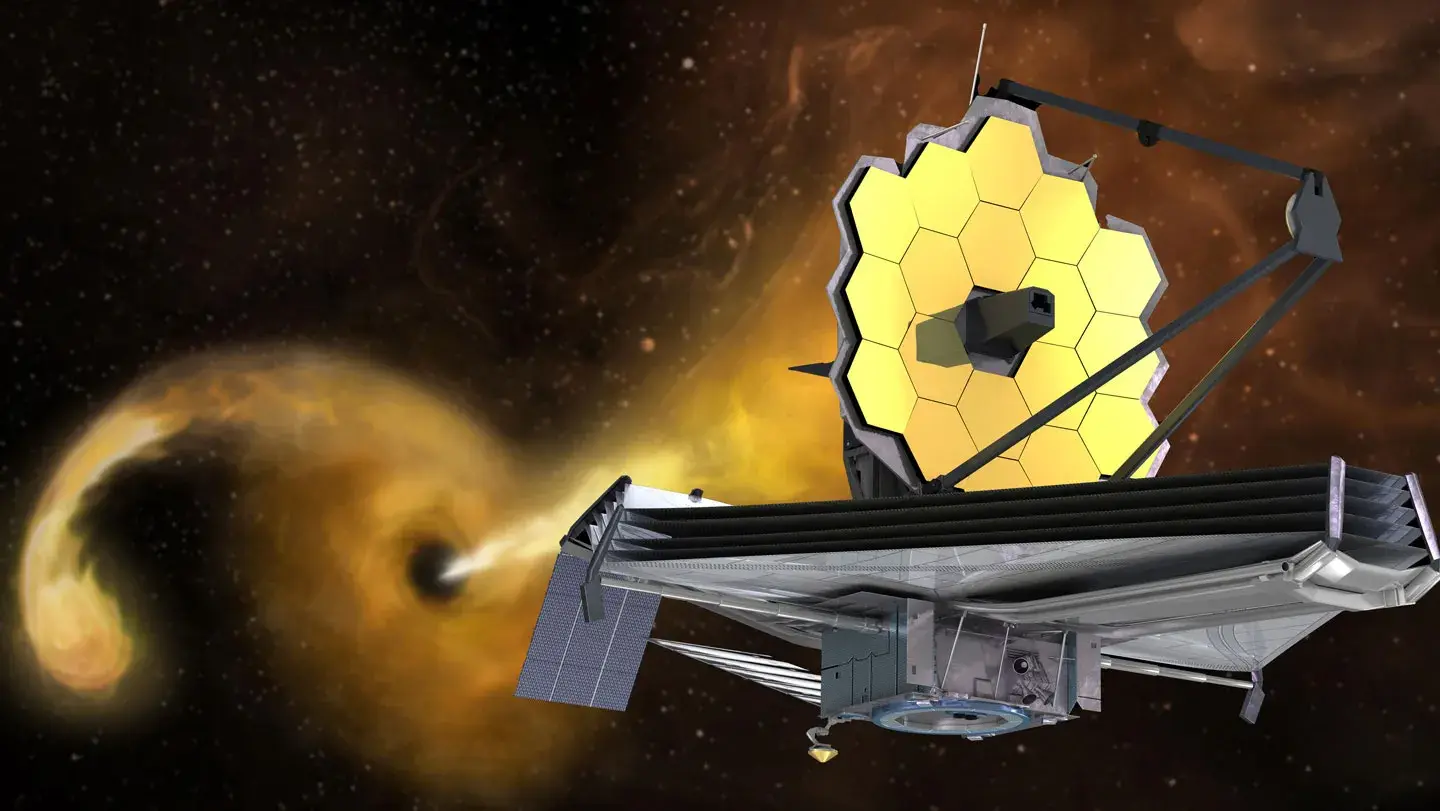
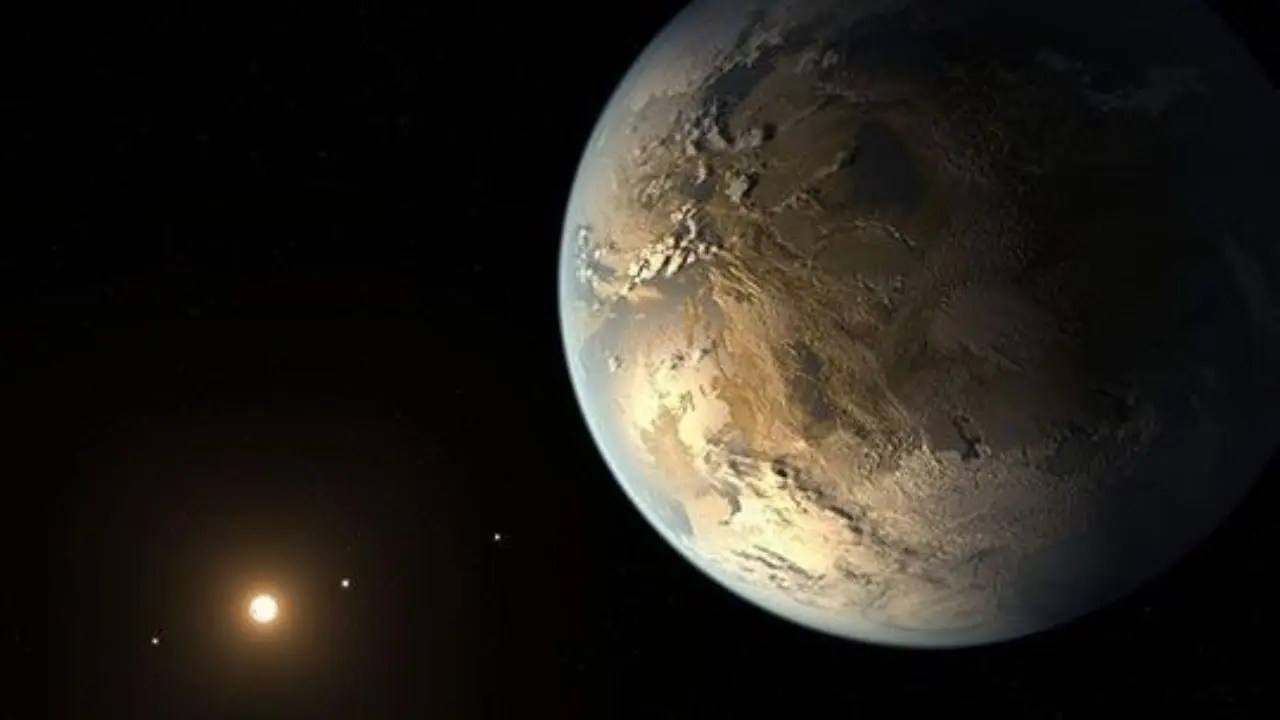
For decades, astronomers have speculated about a mysterious ninth planet, often called “Planet X” or “Planet Nine” lurking in the far reaches of our solar system. Could the James Webb Space Telescope (JWST) finally solve the mystery?
1 / 6
(Photograph: NASA)
The Legend of Planet X
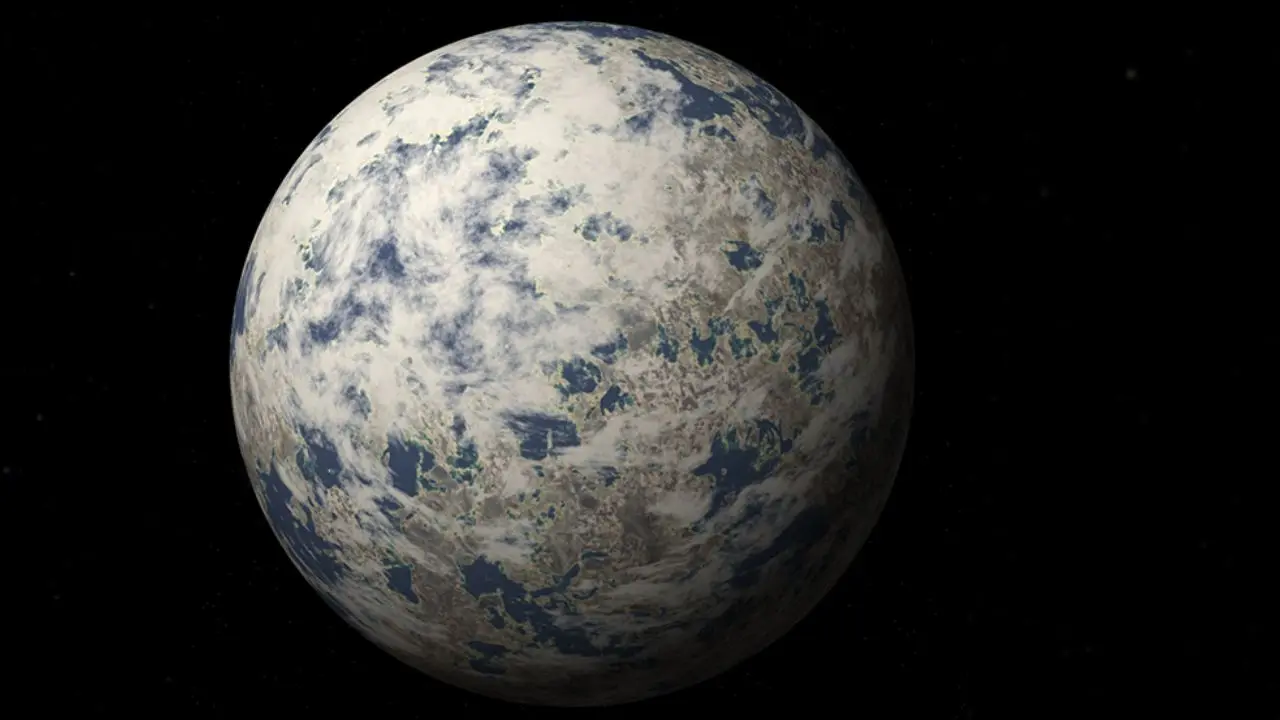
The idea comes from unusual orbits of icy objects beyond Neptune. Their strange clustering suggests the gravitational pull of a massive, unseen planet, possibly 5 to 10 times the mass of Earth.
2 / 6
(Photograph: Wikicommons)
Why JWST Could Be the Key
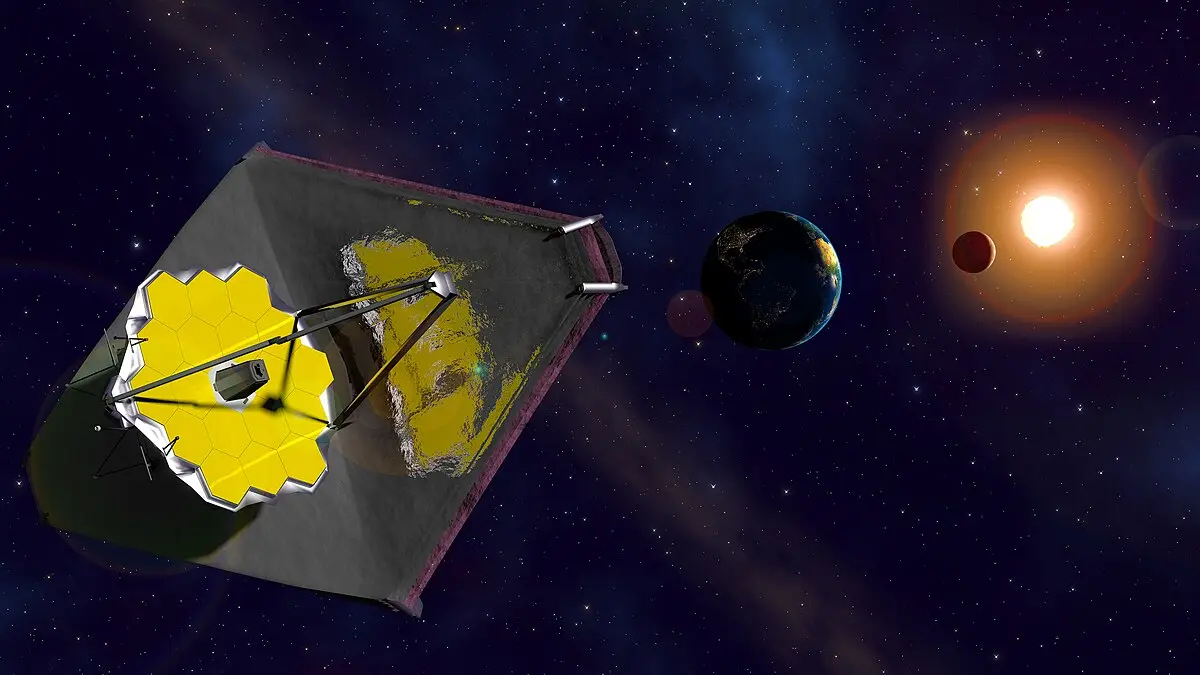
JWST is the most powerful telescope ever built. Its infrared vision can detect faint, cold objects billions of kilometres away, exactly the kind of technology needed to spot a hidden world in the Kuiper Belt or beyond.
3 / 6
(Photograph: Wikicommons)
What JWST Would Look For
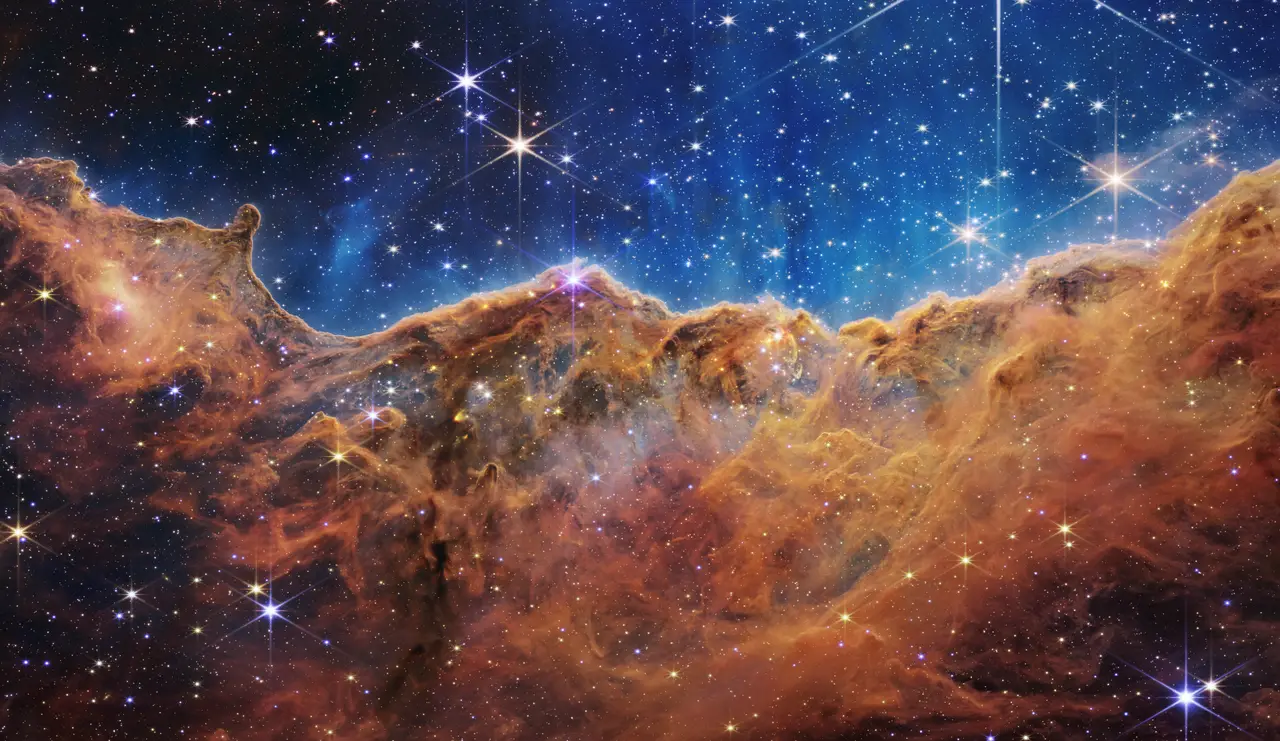
Instead of searching blindly, JWST would focus on regions of space where orbital data hints at Planet X’s presence. It could pick up heat signatures or reflected sunlight too faint for other telescopes to detect.
4 / 6
(Photograph: Wikicommons)
Why It Matters
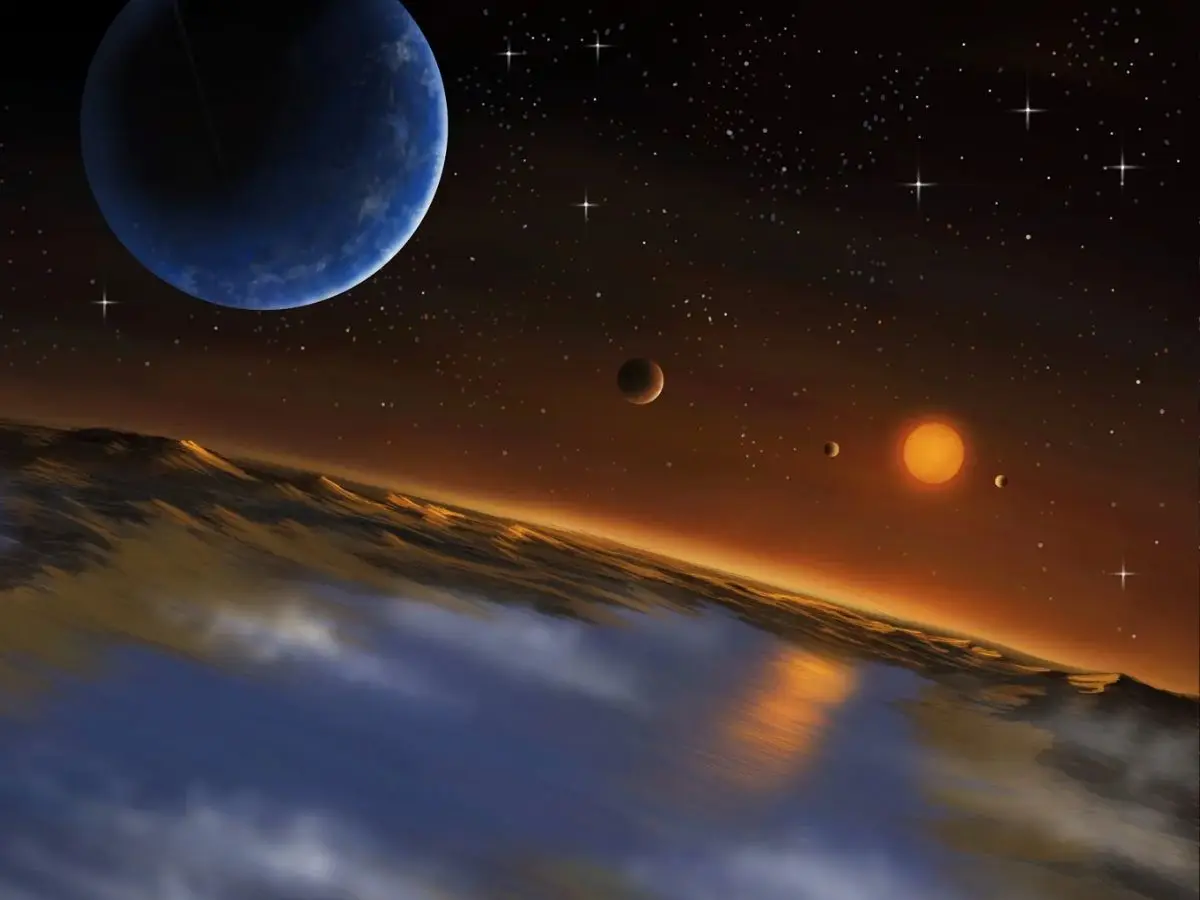
Confirming Planet X would completely reshape our understanding of the solar system. Textbooks would need rewriting, and it could even help explain the early formation of planets.
5 / 6
(Photograph: NASA)
The Challenge
Even with JWST, finding Planet X isn’t easy. If it exists, it could be 20 times farther from the Sun than Neptune, making it unimaginably faint. Long exposures and repeated scans would be required.
6 / 6
(Photograph: NASA)
If Found: A New Frontier
If JWST confirms Planet X, it would be the biggest solar system discovery in a century. A new planet could host moons, rings, or even subsurface oceans, sparking future missions to explore it.