Could NASA's James Webb Telescope capture the first-ever photo of another Earth with oceans?

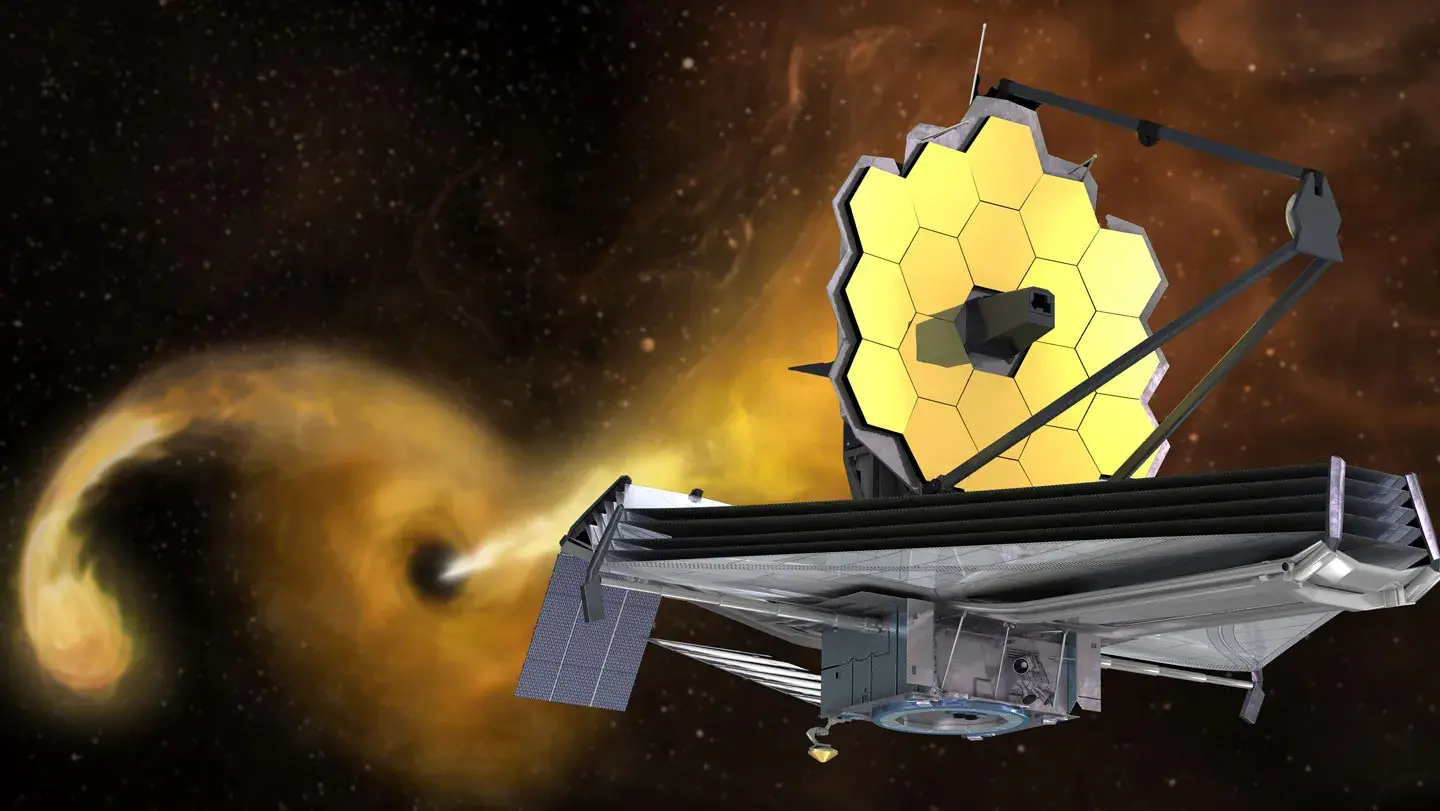
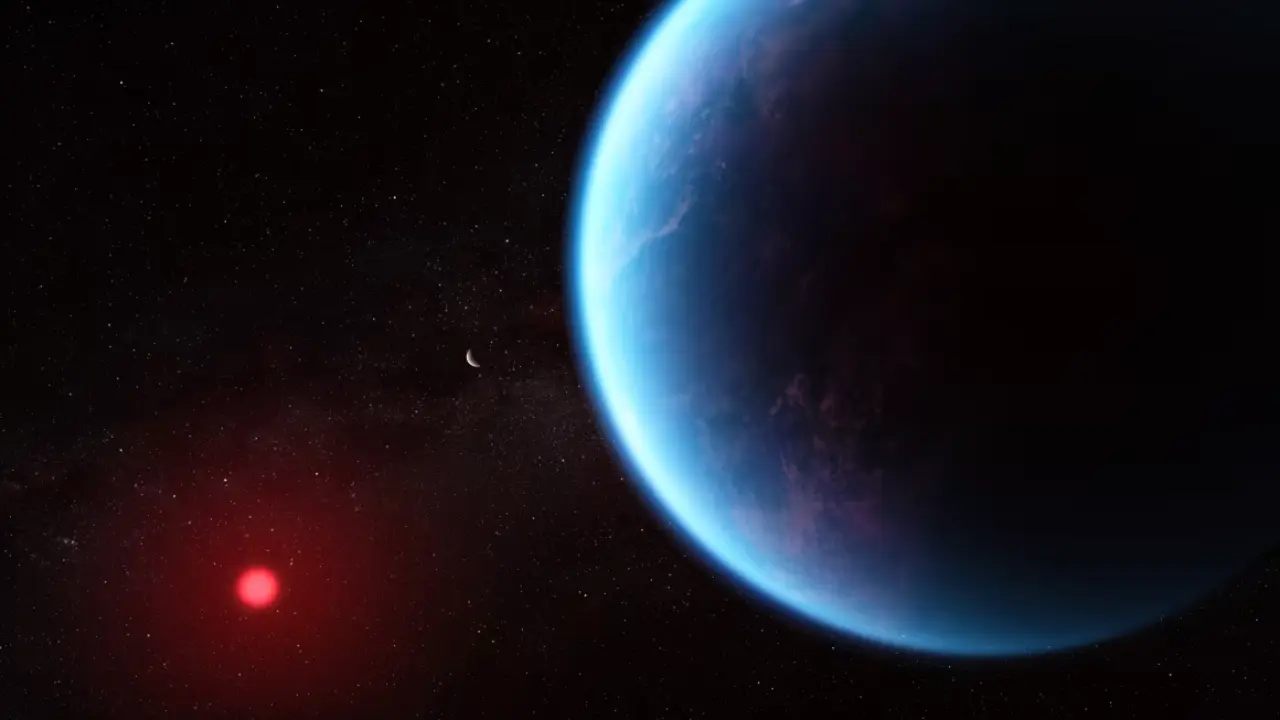
The James Webb Space Telescope (JWST) is rewriting our understanding of the cosmos. But the big question remains: could it capture the first-ever image of an Earth-like planet, one with blue oceans, clouds, and a breathable atmosphere?
Why This Matters
Finding another Earth is the holy grail of astronomy. It’s not just about spotting a planet the same size as ours, it’s about proving that life-friendly worlds exist beyond our solar system. Oceans would be a huge signpost, since liquid water is essential for life as we know it.
How JWST Hunts for Earth-Like Worlds
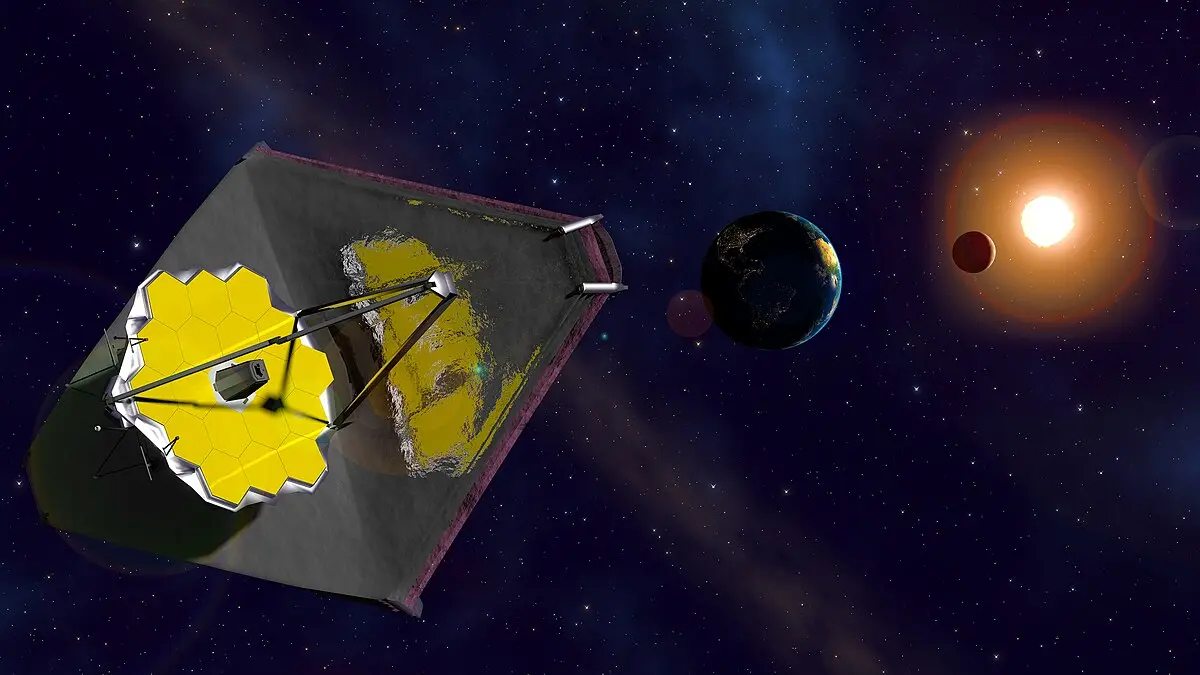
JWST doesn’t “snap pictures” like a normal camera. Instead, it studies starlight as planets pass in front of their stars. By analysing this light, it can detect gases like water vapor, oxygen, or methane, key signs that oceans and atmospheres might exist.
Targeting the Habitable Zone
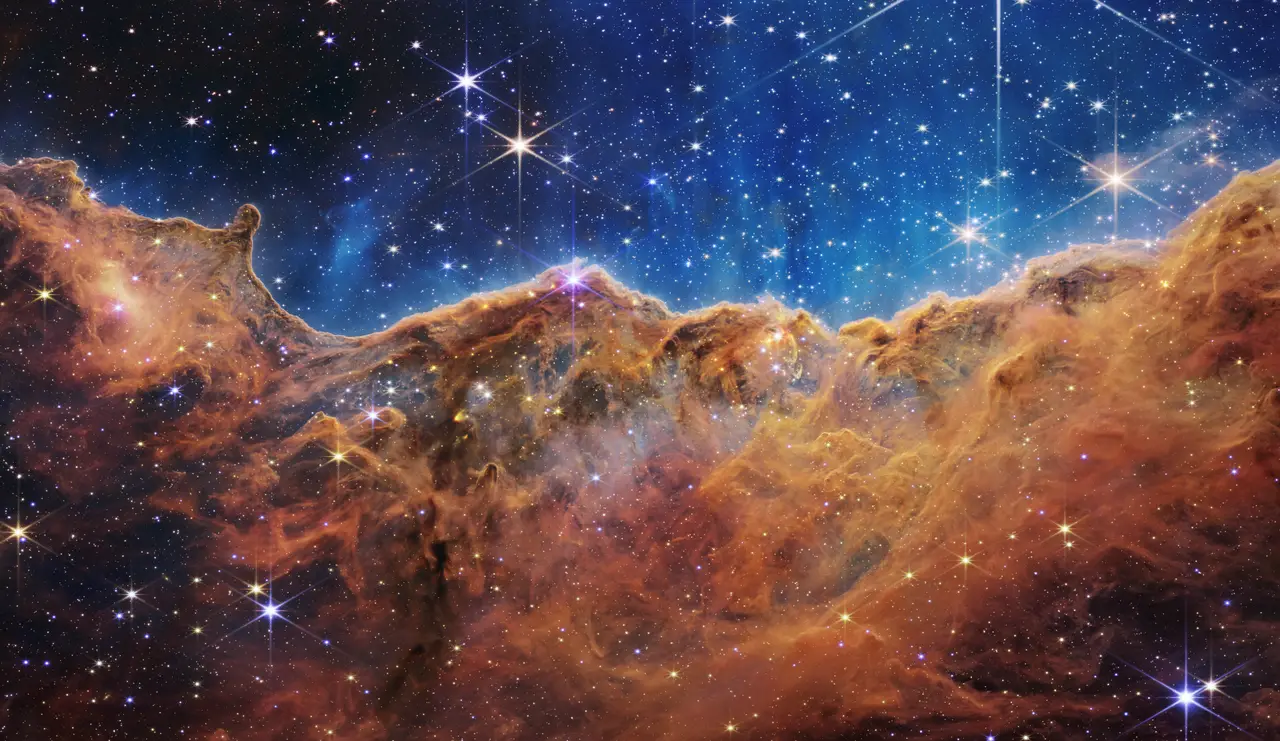
Scientists are focusing on exoplanets in the “Goldilocks Zone” not too hot, not too cold. These planets orbit stars where liquid water could survive on the surface. Worlds like TRAPPIST-1e and Kepler-452b are high on the list.

What an ‘Ocean World’ Signature Looks Like
If JWST detects a strong water vapour signal in an atmosphere, combined with signs of clouds and reflection, astronomers could infer the presence of oceans. This wouldn’t be a direct photo of waves or continents, but a scientific fingerprint that says: this world may be blue like Earth.
Why It Would Be Historic
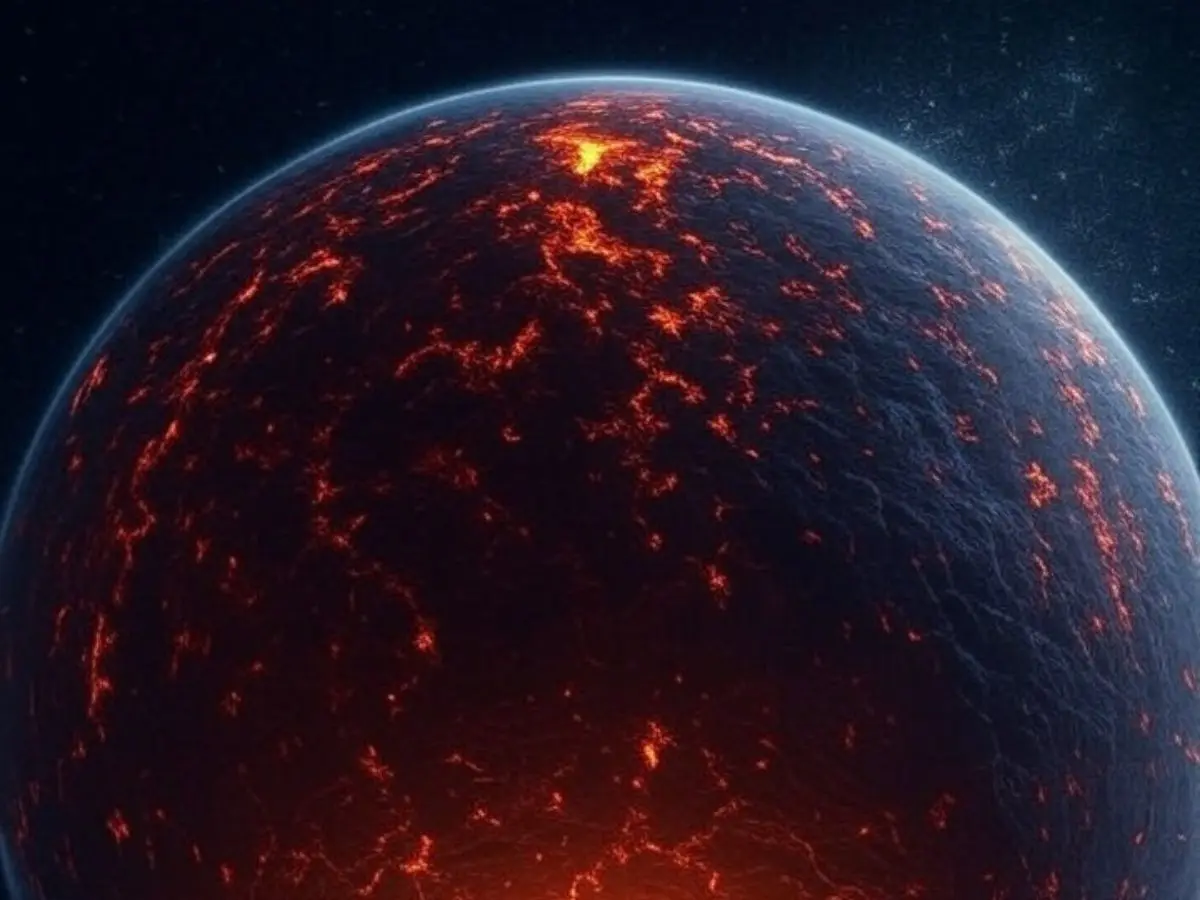
If confirmed, it would mark the first time humanity knows with certainty that Earth is not unique. It would also push exploration missions toward these exoplanets, possibly guiding the next generation of telescopes or even robotic probes.
Challenges in the Hunt
These planets are incredibly far away, often hundreds of light-years. Even JWST can’t deliver crystal-clear photographs of oceans. But it can give us the strongest evidence yet that such planets exist.
A Step Toward Answering ‘Are We Alone?’
While JWST may not beam back a postcard of another Earth with sparkling seas, it can tell us whether such worlds are out there, and that could be the first step in proving life exists beyond our solar system.
)
)
)
)
)