Could NASA's James Webb Telescope actually detect Earth 2.0?

The James Webb Space Telescope (JWST) has been called humanity’s best chance at answering the biggest question: Are we alone? But could it go even further and actually spot Earth 2.0, a planet like ours with oceans, land, and perhaps even life?
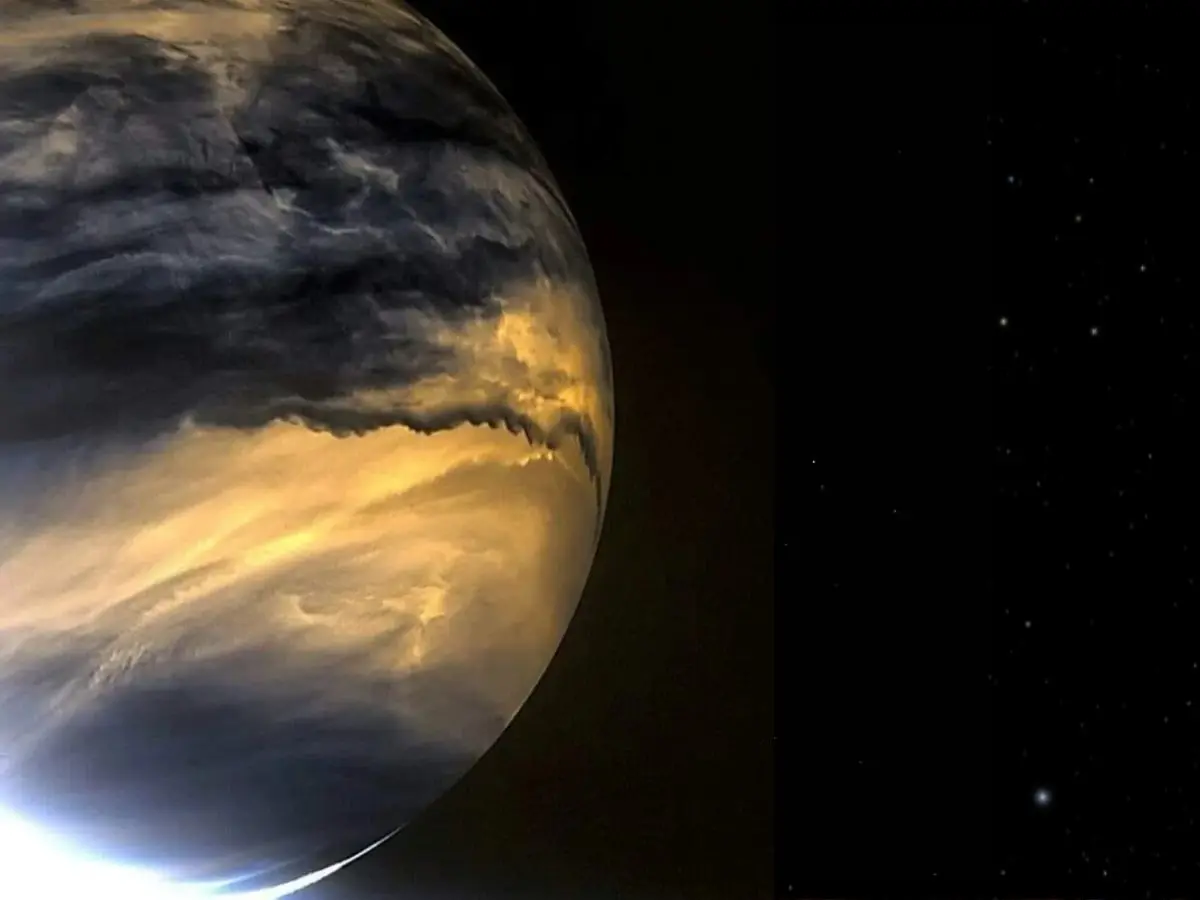
What Scientists Mean by Earth 2.0
An “Earth 2.0” would be an exoplanet that’s not just rocky and in the habitable zone, but one that also has liquid water, an atmosphere, and the right chemistry to support life.
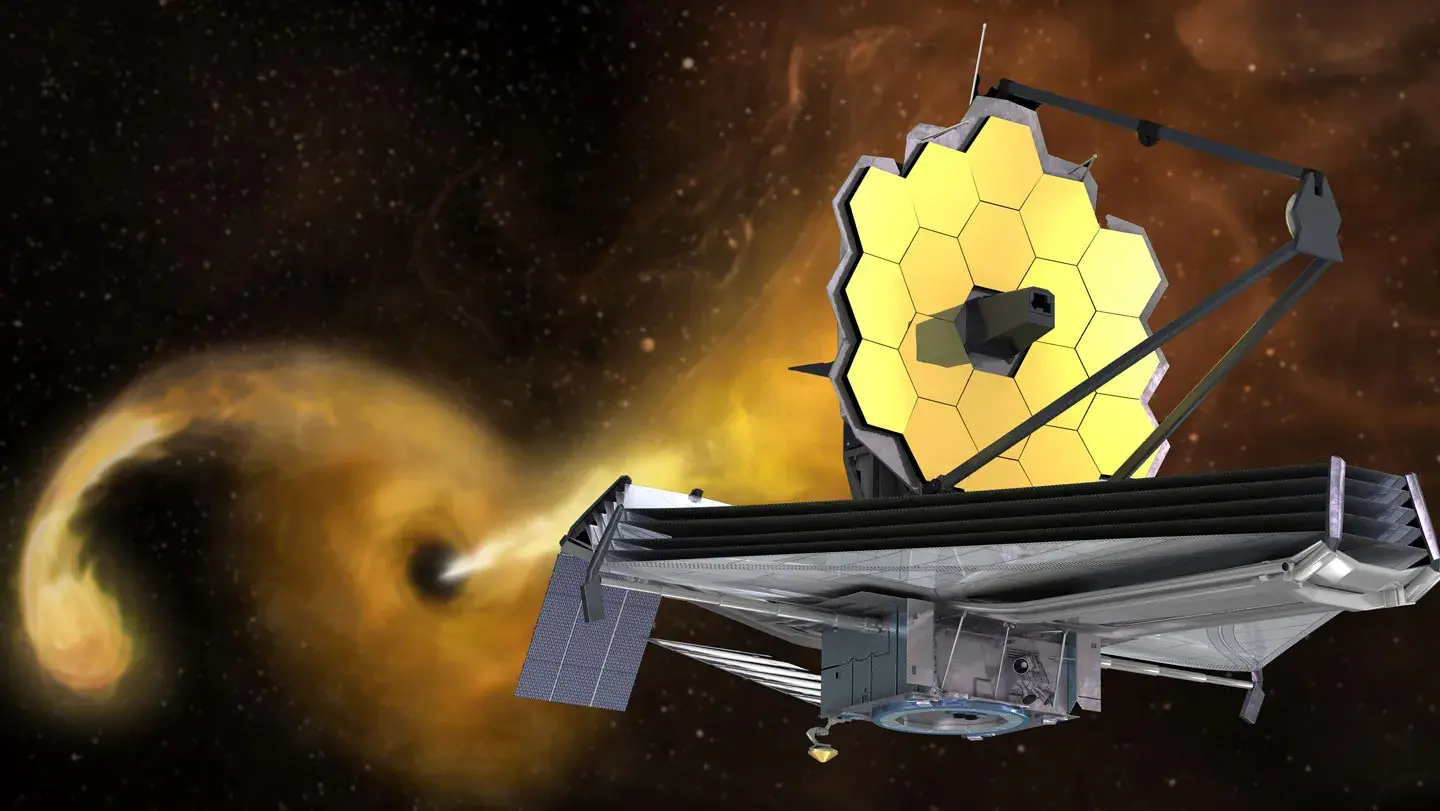
How JWST Looks for Clues
JWST uses its infrared instruments to study light filtering through exoplanet atmospheres. This lets scientists detect gases like oxygen, water vapour, and methane, the same signatures that make Earth unique.
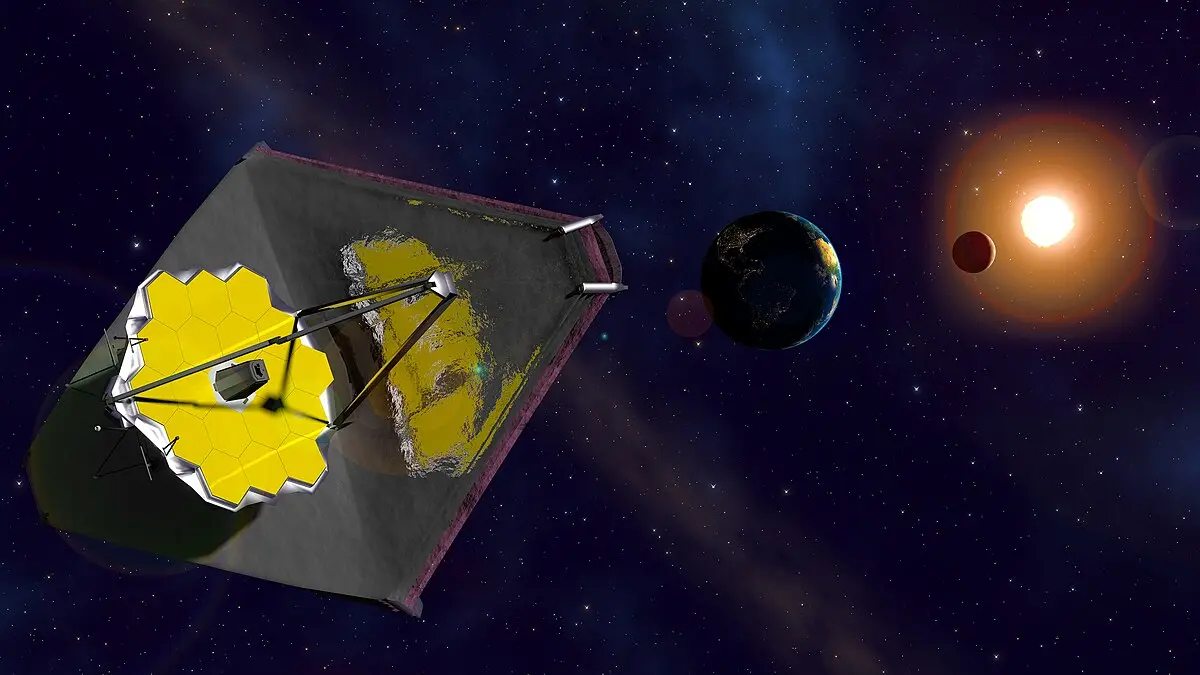
The Most Promising Targets
Stars like TRAPPIST-1, just 40 light-years away, host several Earth-sized planets in the habitable zone. JWST is already observing them, searching for signs of water and stable atmospheres.

Why Finding Earth 2.0 Is Hard
Most exoplanets are extremely far away. Even with JWST’s precision, detecting fine details like oceans or clouds is beyond today’s tech. For now, scientists rely on chemical markers as indirect proof.
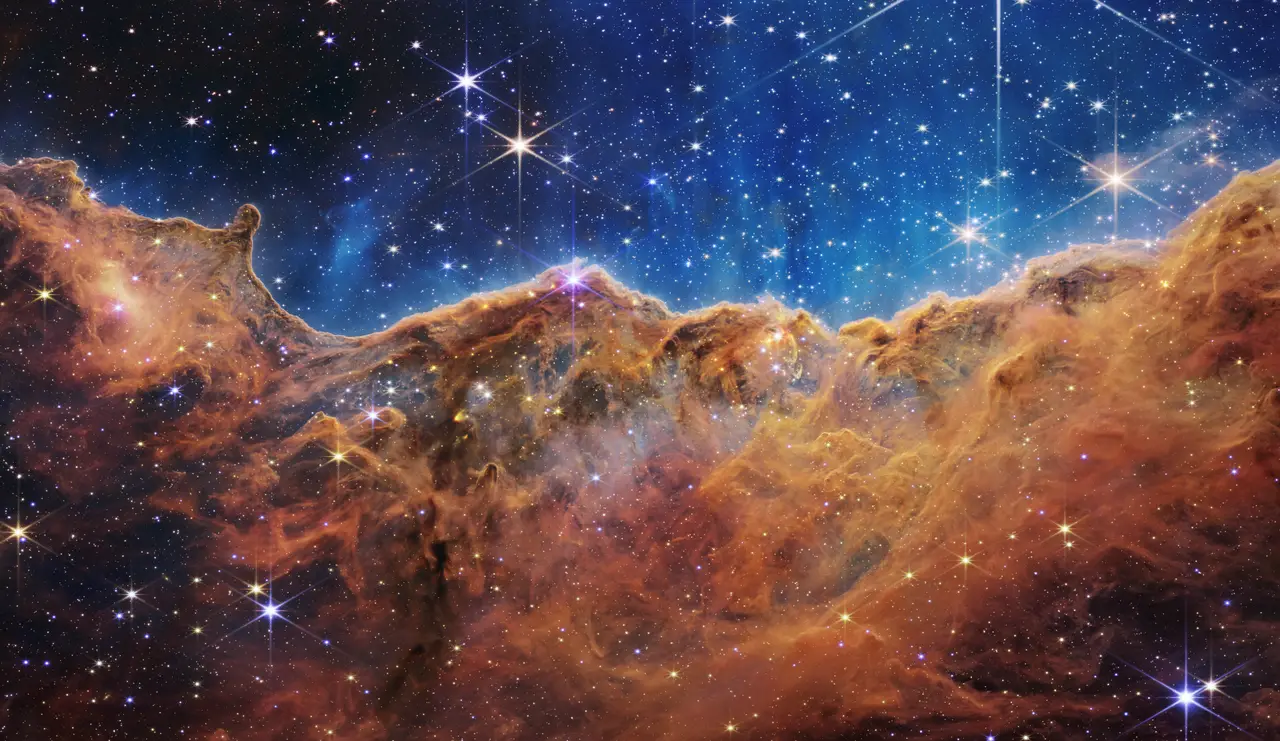
The Future Beyond JWST
While JWST might not directly image Earth 2.0, it could find the strongest candidates. Upcoming missions like NASA’s Habitable Worlds Observatory are being designed to actually take pictures of Earth-like planets.
)
)
)
)
)