Could mass protests in Iran pressure the regime into a nuclear compromise with US? The role of China & Israel

As US military assets move into the region and high-stakes talks resume in Geneva, Iran’s internal turmoil is now directly shaping the calculus of international actors, from sanctions relief to the prospects of a nuclear agreement.
Introduction
The recent wave of protests in Iran has thrust the country into the global spotlight, highlighting not only domestic unrest but also its impact on international diplomacy. What began as demonstrations over rising prices and economic hardship has quickly evolved into a broader political challenge, coinciding with renewed nuclear negotiations between Tehran and Washington. As US military assets move into the region and high-stakes talks resume in Geneva, Iran’s internal turmoil is now directly shaping the calculus of international actors, from sanctions relief to the prospects of a nuclear agreement.
A Pandemic of Unrest in Iran
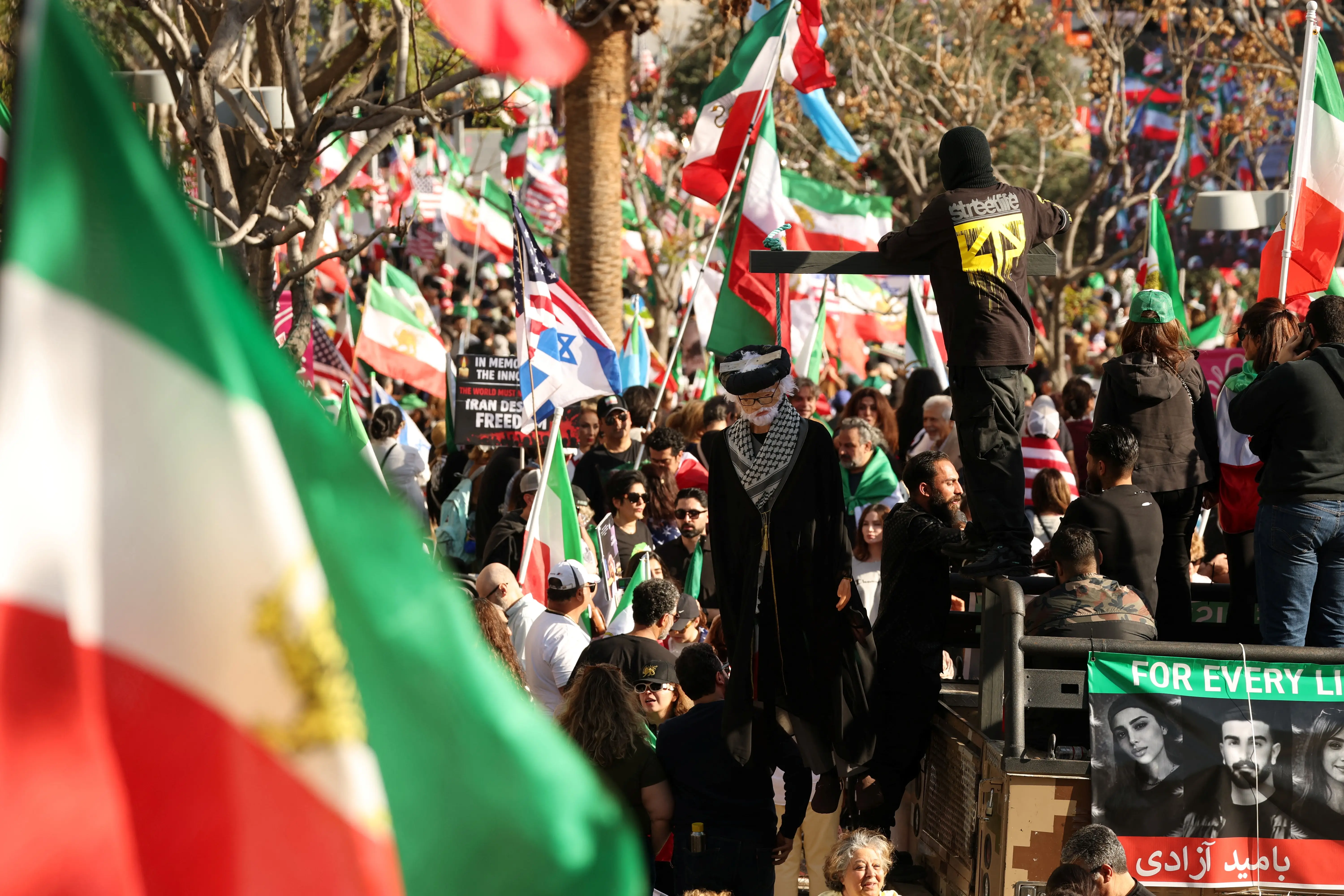
The unrest began in late December in response to spiralling prices and quickly spread nationwide, peaking on January 8 and 9, when hundreds of thousands took to the streets in more than 190 cities and towns. Security forces responded with unprecedented force. According to the Associated Press, a Human Rights Activists News Agency claimed that over 7,000 people have been killed, though the actual toll is likely higher. Iran’s government reported its official death toll on January 21 at 3,117.
From Protests to Diplomatic Spotlight
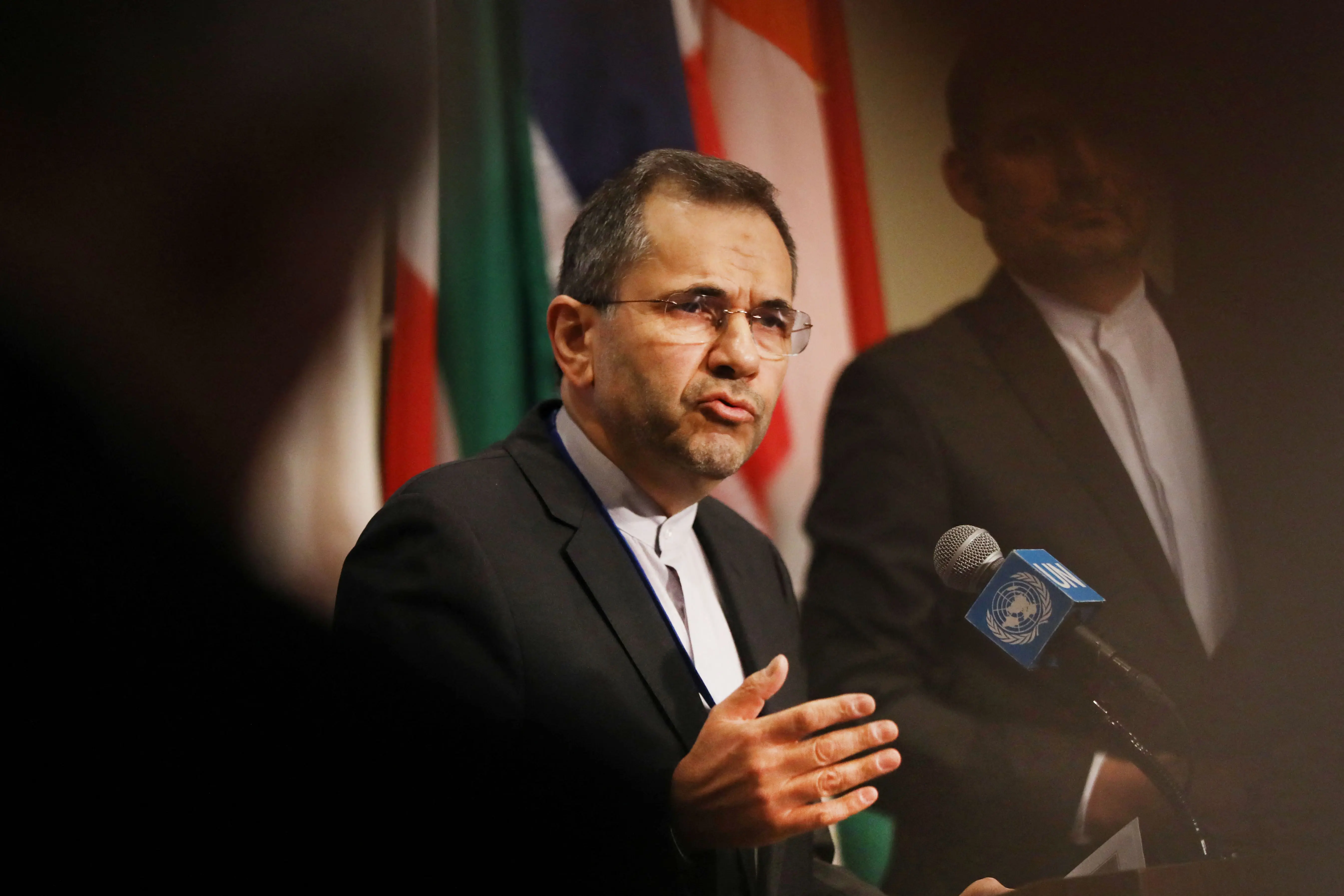
In parallel, Iran and the United States are preparing for a second round of indirect nuclear talks in Geneva, following initial discussions hosted by Oman on February 6. Tehran’s deputy foreign minister stated that Iran may consider compromises if the US is willing to discuss lifting sanctions, suggesting that domestic unrest and economic pressure are shaping its negotiating stance.
Trump’s Military Posturing and Diplomatic Moves
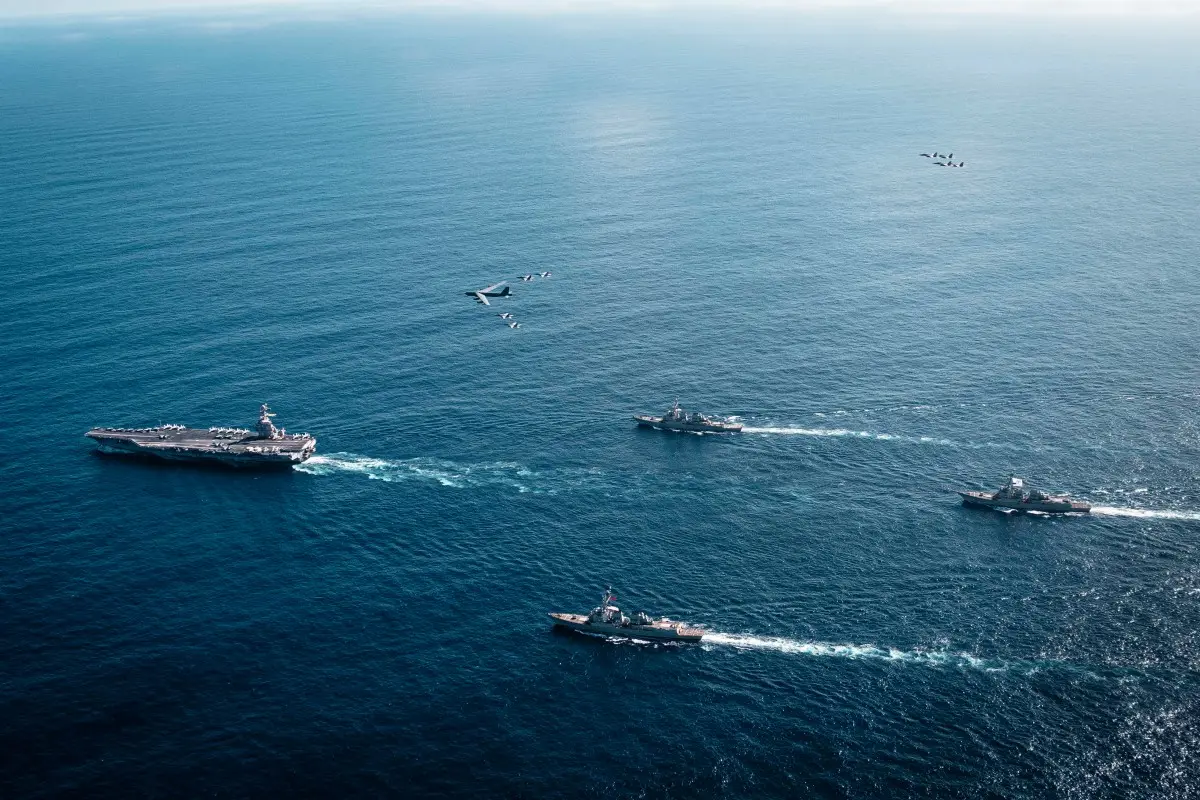
US President Donald Trump has combined military signalling with diplomatic engagement. On Friday, he raised the prospect of regime change in Iran. The US has bolstered its military presence in the region: USS Abraham Lincoln is already deployed, and Trump has announced that a second carrier, USS Gerald R. Ford, will join it. The Gerald R. Ford will operate alongside Abraham Lincoln, several guided-missile destroyers, fighter jets, and surveillance aircraft that have been moved to the Middle East in recent weeks.
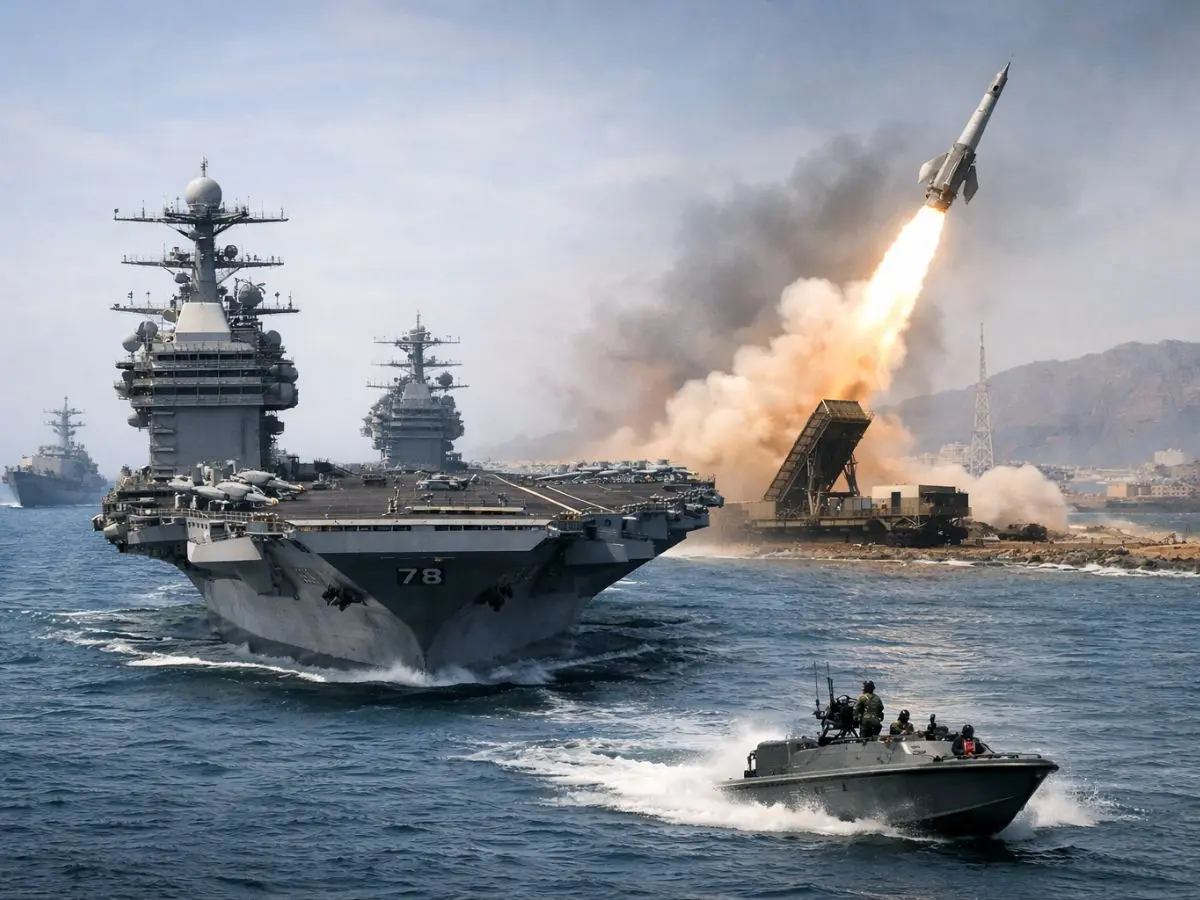
Began in January..
The military build-up, however, began in January, when Trump warned that if Iran harmed peaceful protesters, “the United States of America will come to their rescue. We are locked and loaded and ready to go.” While he has never ruled out military action over Iran’s crackdown on protests, attention has now shifted firmly to the country’s nuclear programme and efforts to halt uranium enrichment. Trump cautioned that failure to reach an agreement would be 'very traumatic'.
Iran’s Nuclear Position and Red Lines
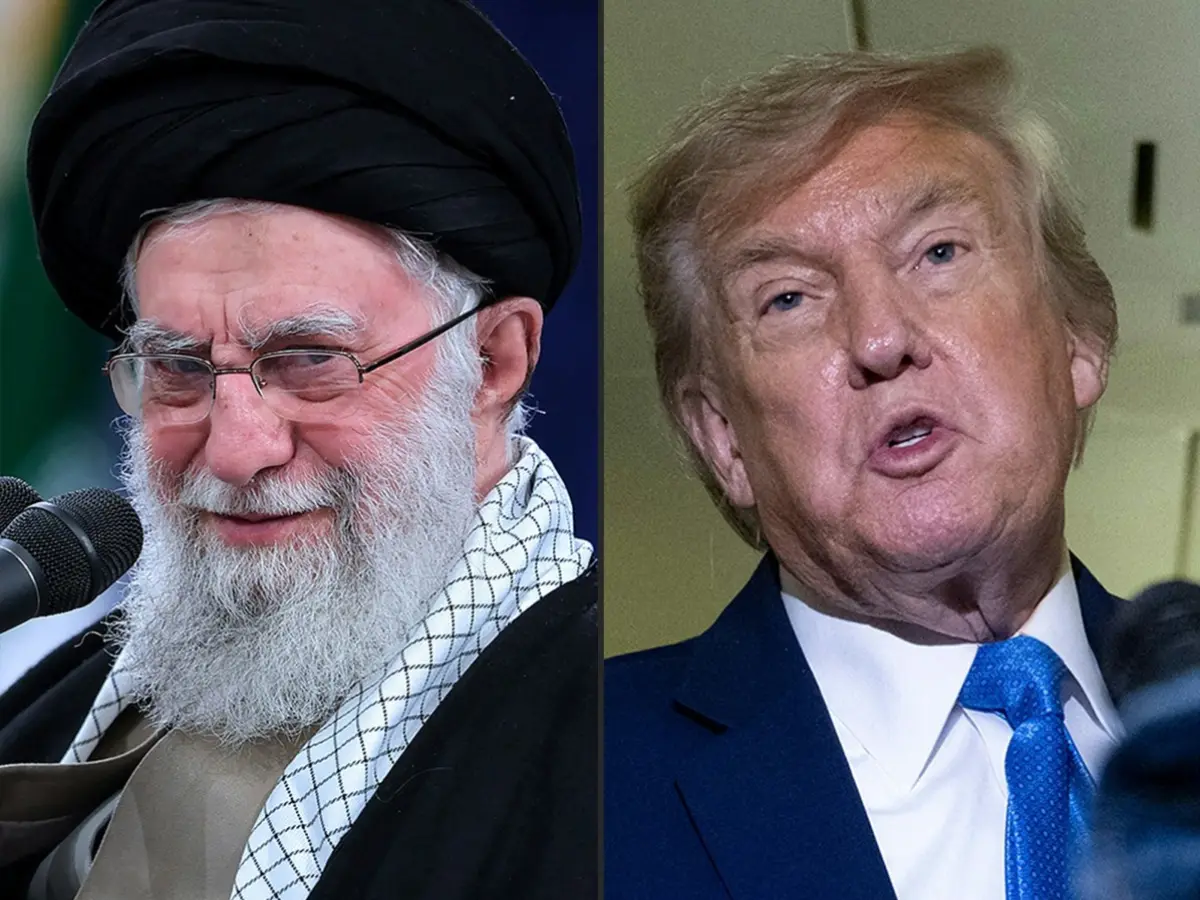
Iranian President Masoud Pezeshkian has maintained that his nation is “not seeking nuclear weapons … and are ready for any kind of verification.” The country has expressed readiness to discuss curbs on its nuclear programme in exchange for sanctions relief, but has repeatedly ruled out linking nuclear talks to other issues, including missiles.
Historical Context and Diplomatic Outreach
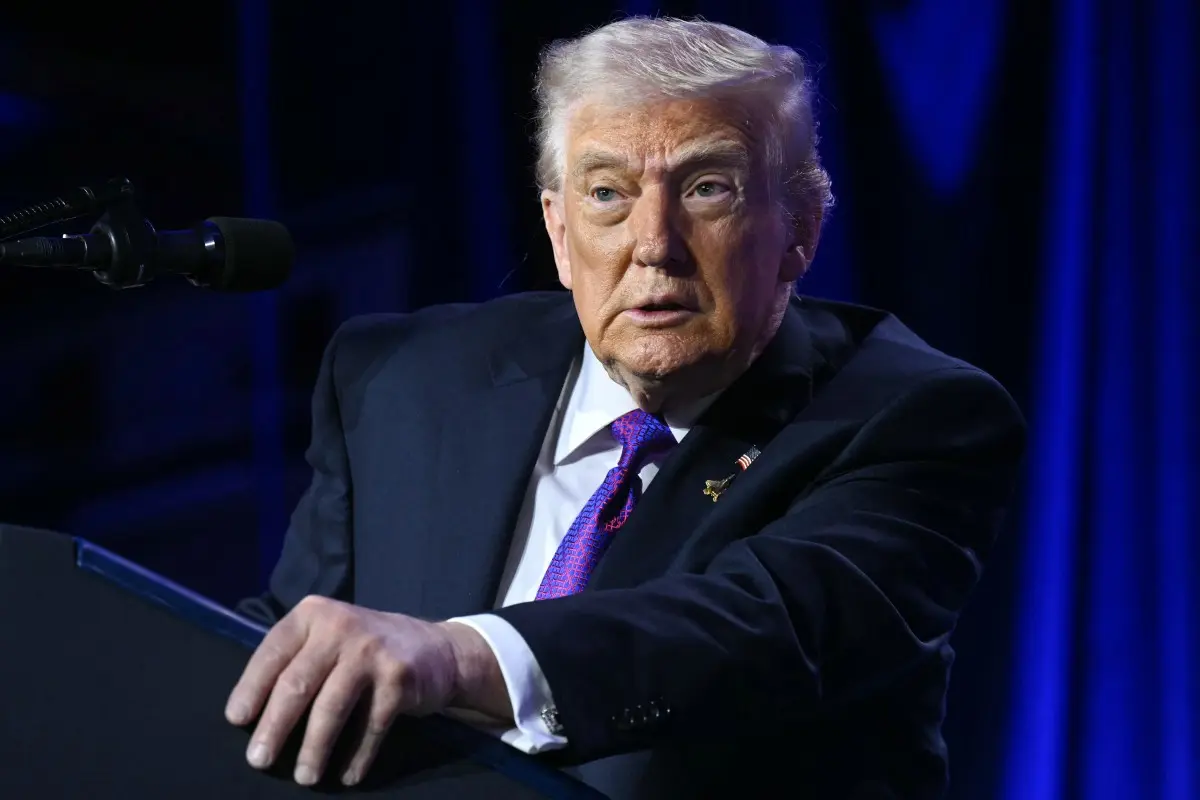
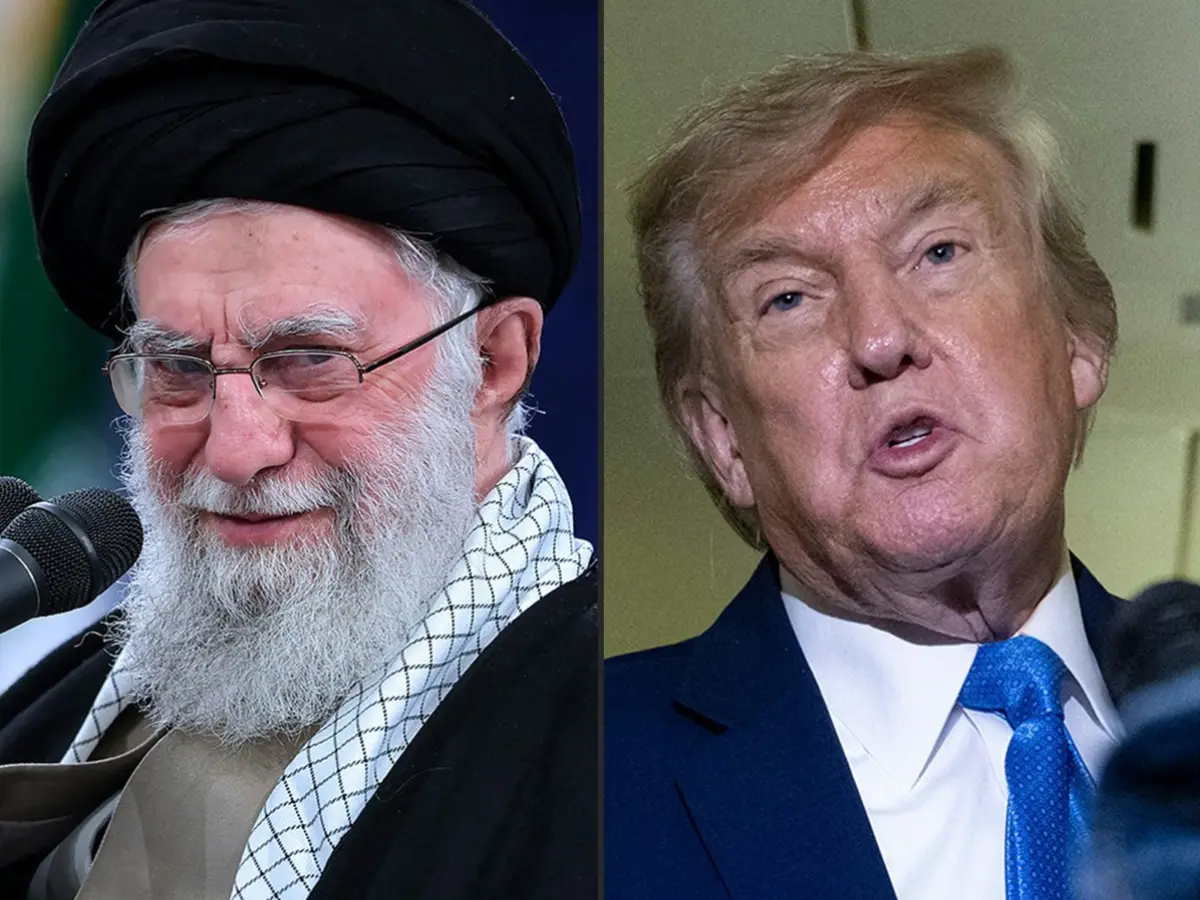
The pressure is not new, Iran’s nuclear programme has been under scrutiny for over two decades, with the West concerned over potential weaponisation, a charge that Tehran denies. Donald Trump sought to revive talks after five rounds of negotiations in Rome and Muscat were disrupted last year, mainly due to disagreements over uranium enrichment inside Iran. initially reaching out to Supreme Leader Ali Khamenei via letter on March 5, 2025: “I hope you're going to negotiate because if we have to go in militarily, it's going to be a terrible thing.” In June, the US attacked Iranian nuclear facilities at the end of a 12-day Israeli bombing campaign.
US and Israel’s Oil Pressure Strategy
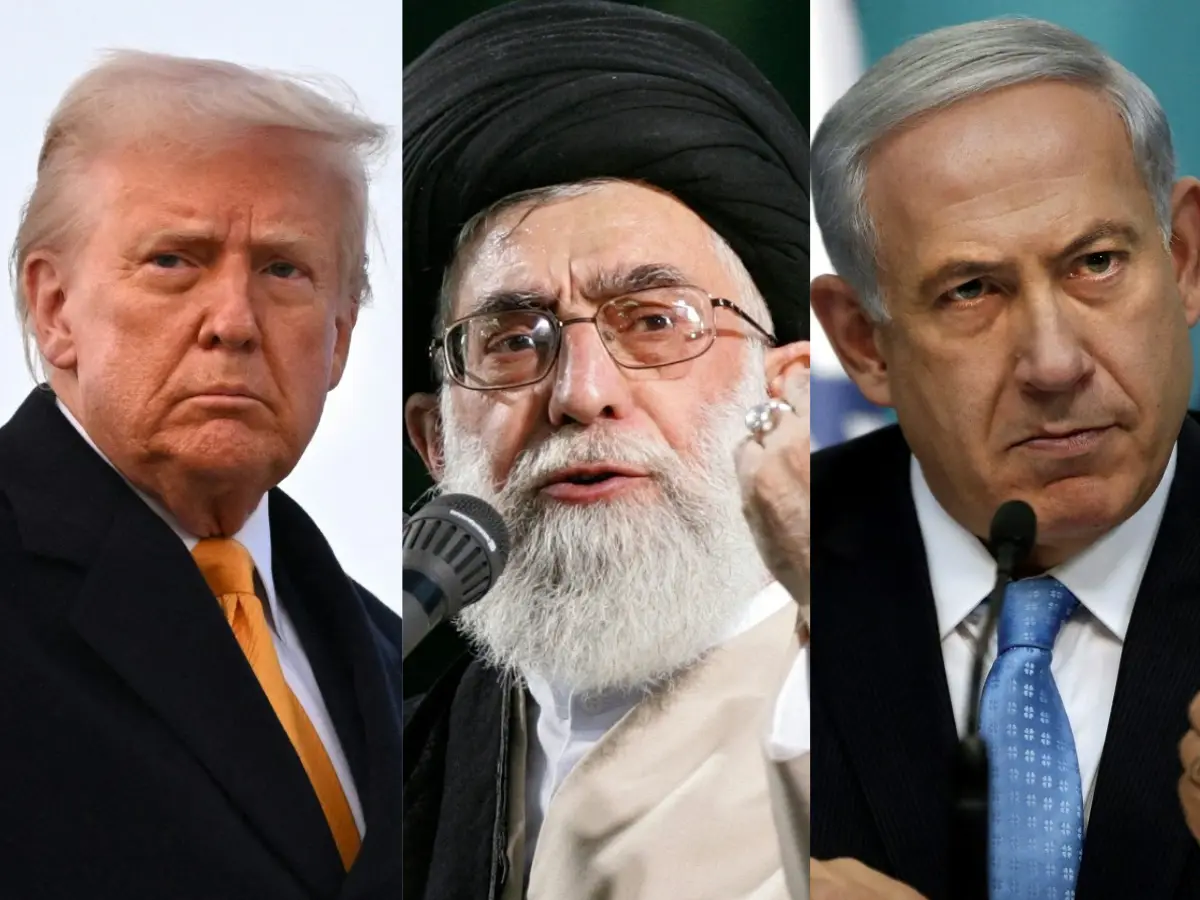
Reports indicate that Trump and Israeli Prime Minister Benjamin Netanyahu agreed on the need to press Iran to cut oil sales to China, a key economic partner. Reducing Tehran’s oil revenue is seen as a means to constrain its capacity to fund regional activities and its nuclear programme. Netanyahu had earlier also expressed 'general scepticism' and demanded that any deal also consider Iran's ballistic missiles and not just the nuclear programme, something that Iran has repeatedly called non-negotiable.
Tehran’s Strategic Calculations
Iranian leaders have consistently framed protests as influenced by foreign interference, particularly from the United States and Israel. This narrative serves to discourage internal dissent while positioning negotiations as part of a larger geopolitical contest. The government’s dual approach, managing unrest domestically while engaging externally, highlights the complexity of Iran’s stance.
China’s Role in the Equation
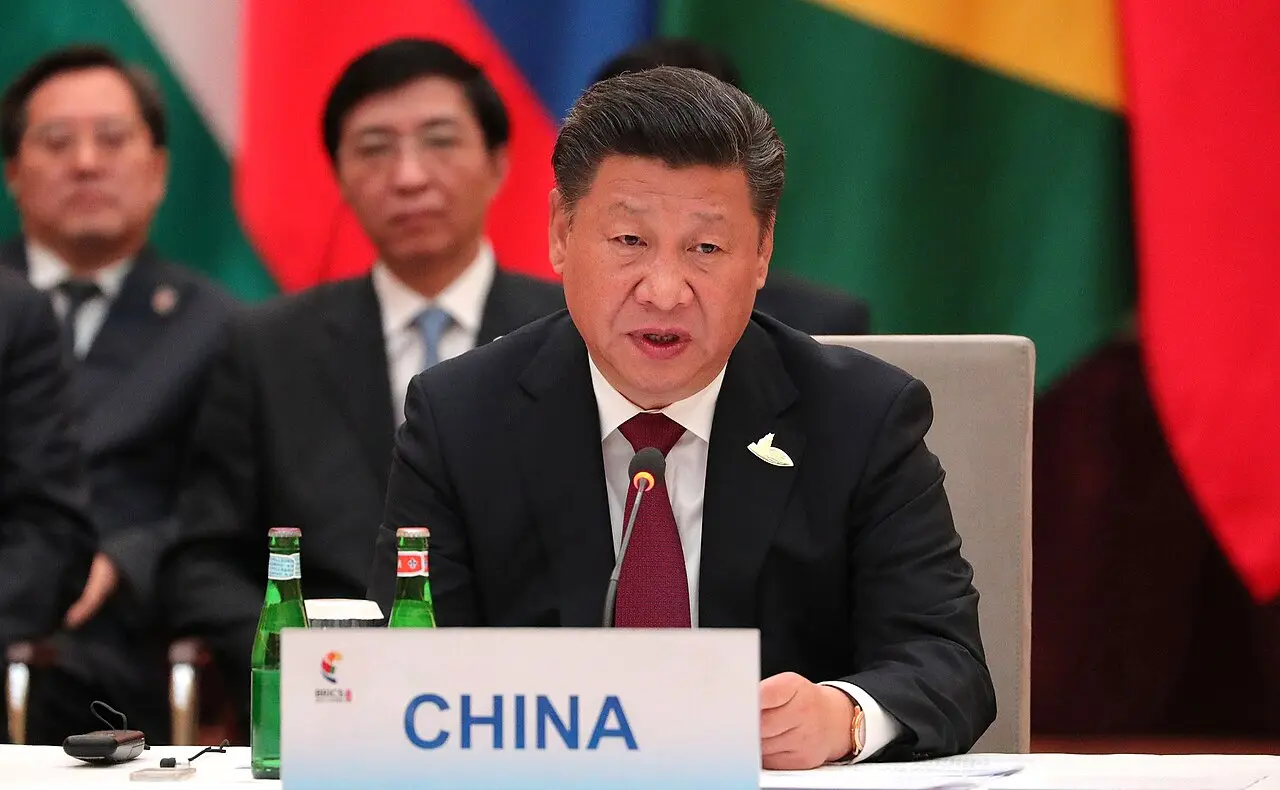
China remains a major importer of Iranian oil and a key economic partner. Beijing has resisted pressure to cut Iranian oil purchases, emphasising respect for international commerce. China’s position complicates Washington’s efforts to tighten economic constraints and underscores the wider global dimensions of the nuclear dispute.
)
)

)
)