Could Iron Beam lead to laser tanks and laser jets? Future possibilities

From Turkey’s operational laser tank to the US and Australia testing fighter-mounted lasers, the battlefield is shifting toward energy weapons. As AI, cooling tech and power systems improve, future wars may rely more on light than bullets.
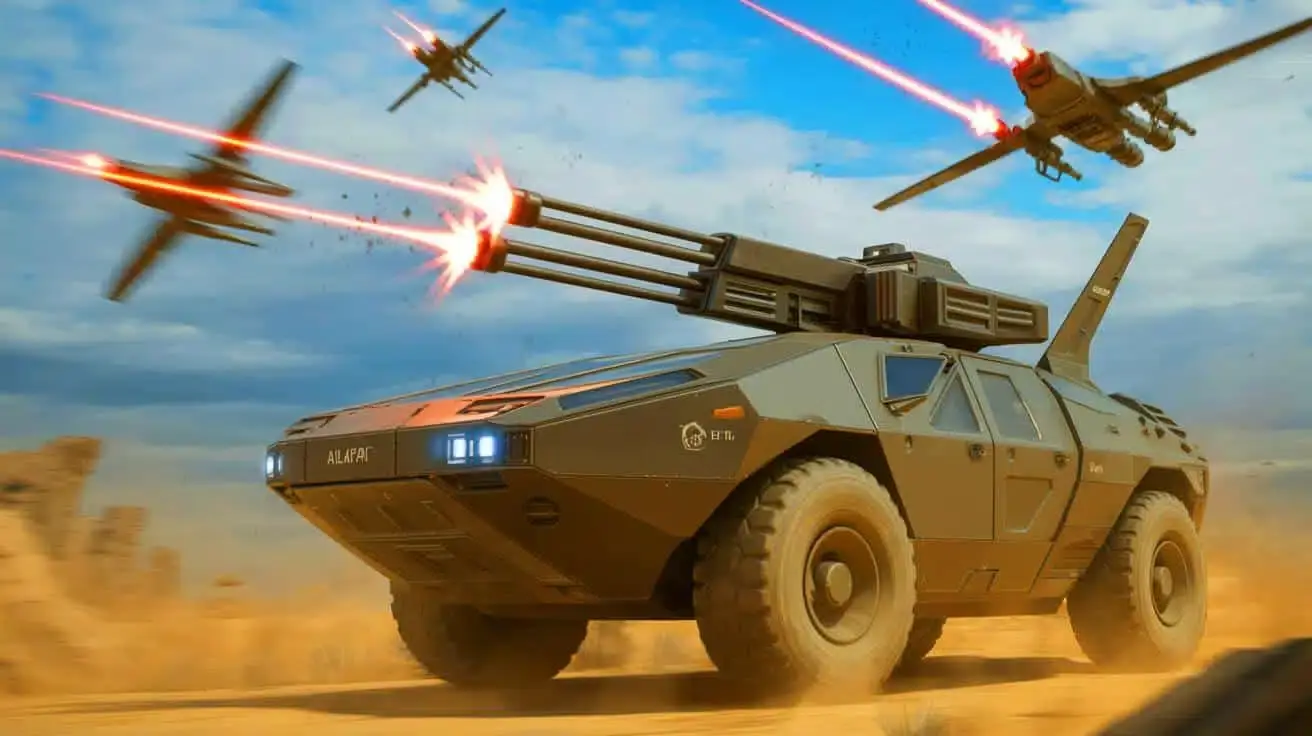
Turkey's Operational Laser Tank - Already Reality
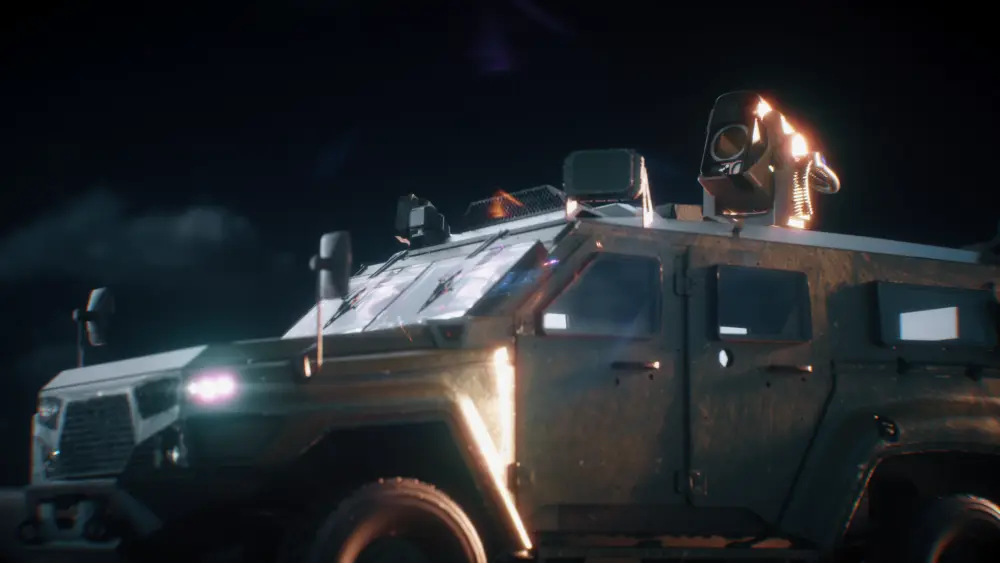
Turkey has introduced the world's first operational laser-equipped armoured vehicle mounting high-energy lasers on combat tanks capable of jamming, disabling, or destroying unmanned aerial vehicles with pinpoint accuracy whilst moving. (ALKA-KAPLAN) The laser tank system represents the first step toward future directed-energy battlefield integration.
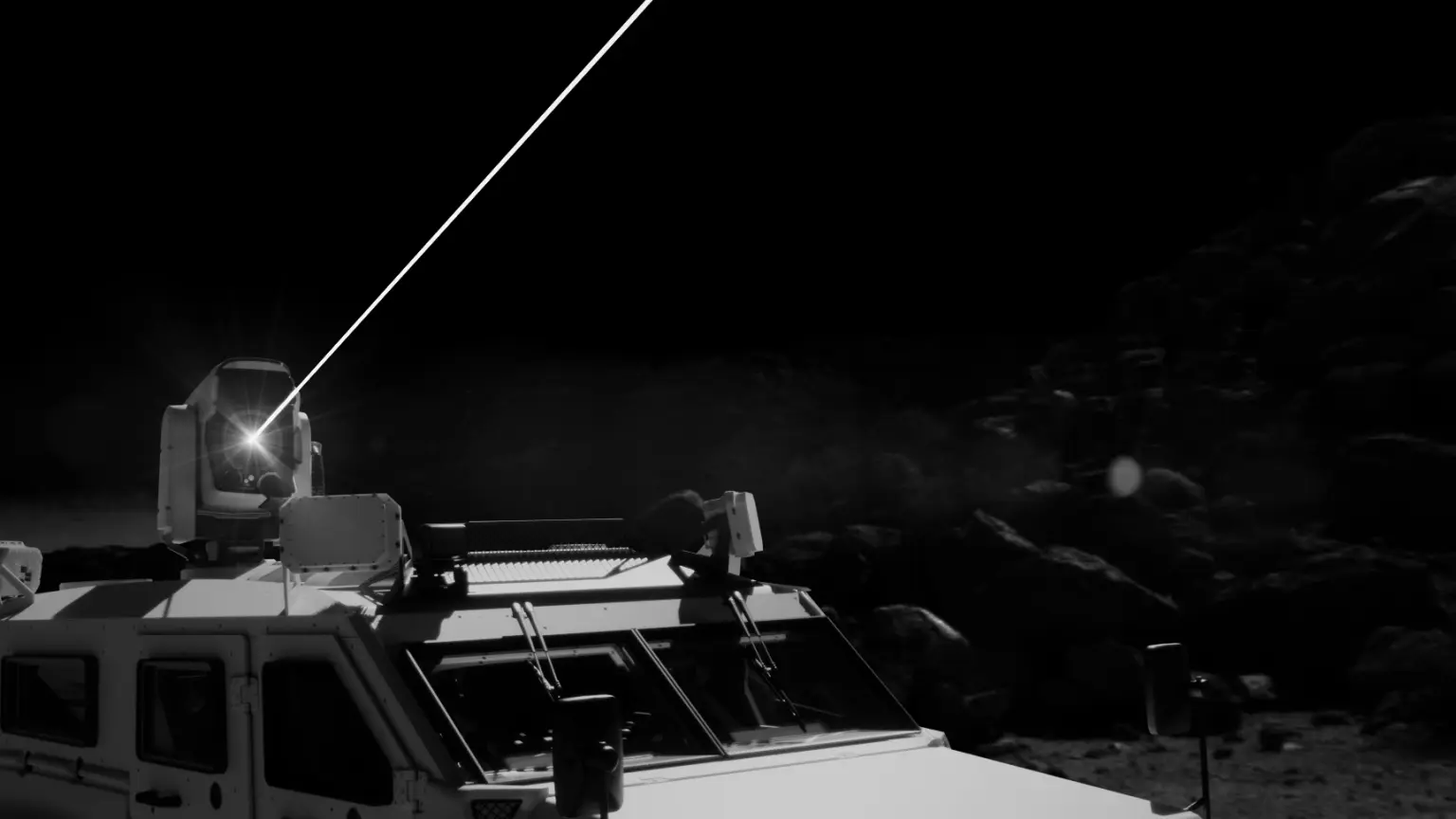
Australia's Anti-Tank Laser Program
Australia's 2020 Force Structure Plan called for developing a directed-energy weapon system capable of defeating armoured vehicles up to and including main battle tanks representing strategic shift toward energy-based anti-armour weapons. The programme targets laser systems capable of penetrating heavy armour protecting modern tanks. Australia invests significantly in directed-energy research establishing leadership position in laser weaponisation.
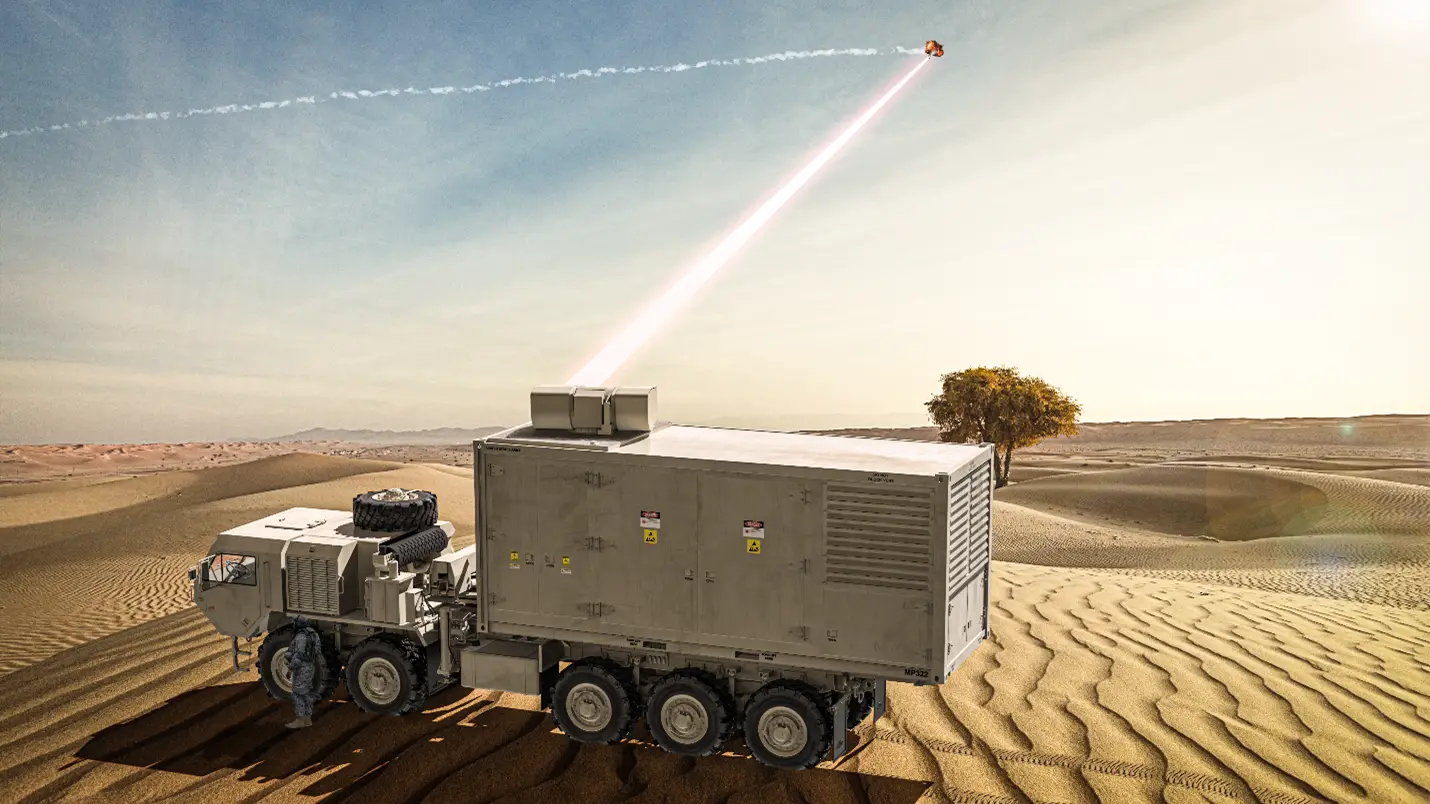
Laser Tank Advantages
Laser tanks never run out of ammunition requiring only electrical power available from onboard generators or plug-in connections enabling indefinite firing capabilities. Traditional tank ammunition must be manufactured and transported creating vulnerable logistics supply chains whereas laser systems project light eliminating ammunition storage risks and handling explosives. Laser tanks travel in perfectly straight lines unaffected by gravity simplifying targeting calculations compared to ballistic projectiles.
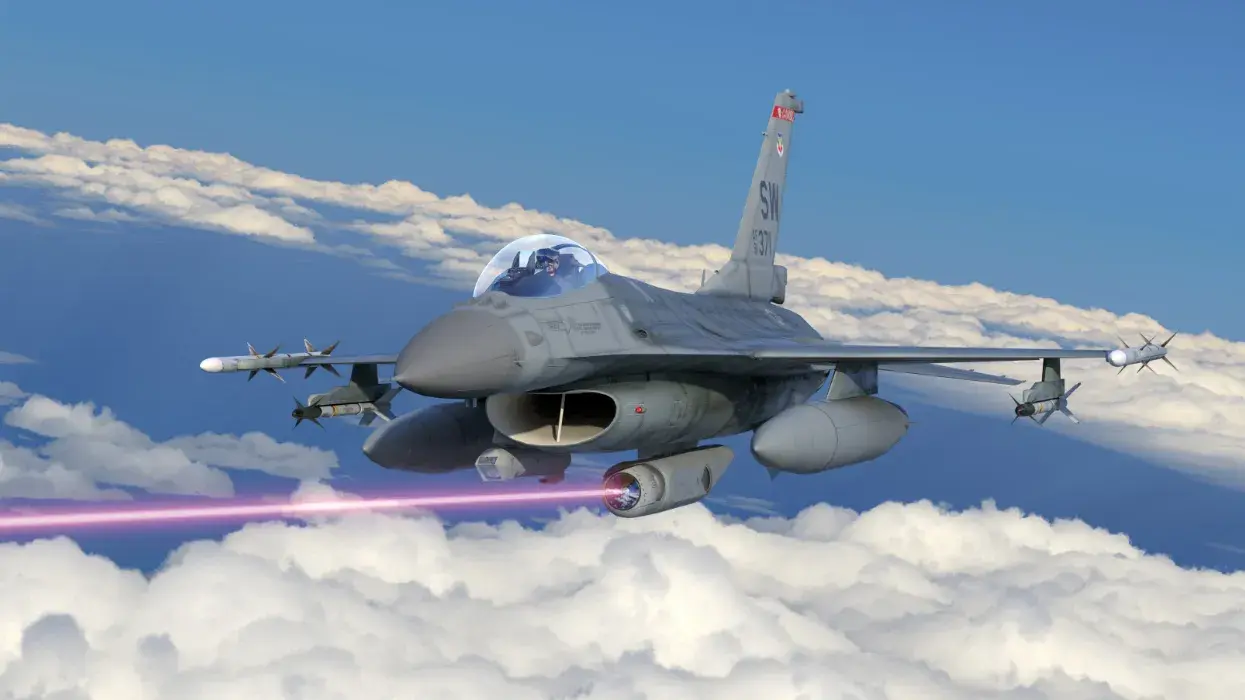
F-15 Fighter Laser Integration - SHiELD Defensive System
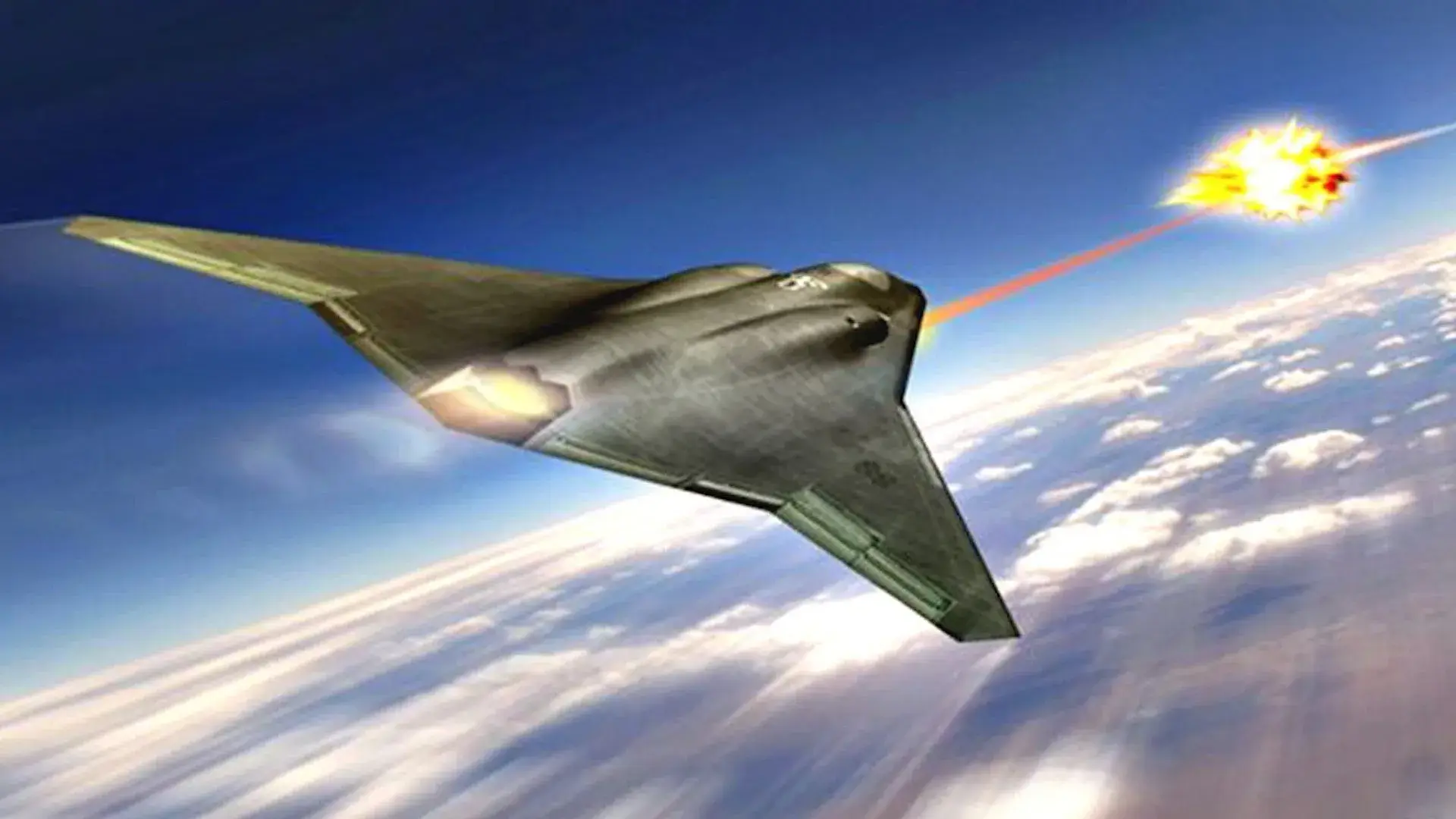
The U.S. Air Force's Self-Protect High Energy Laser Demonstrator programme equipped Boeing F-15 fighters with laser pods deploying tens of kilowatts defensive laser capability against incoming threats. Laser-equipped fighters provide point defence without carrying heavy physical interceptor missiles.
Airborne High Energy Laser Programme - AC-130 and F-35 Integration
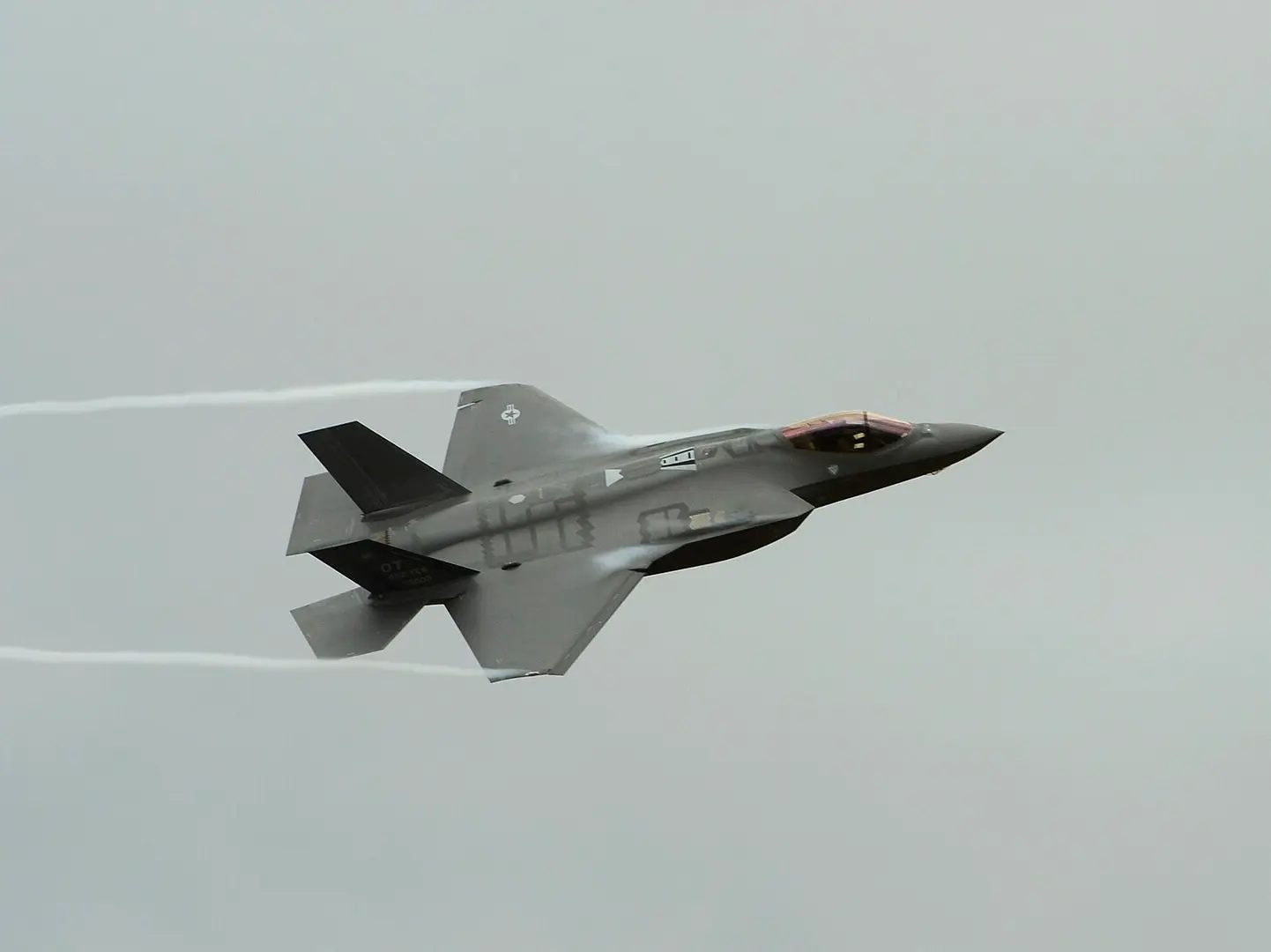
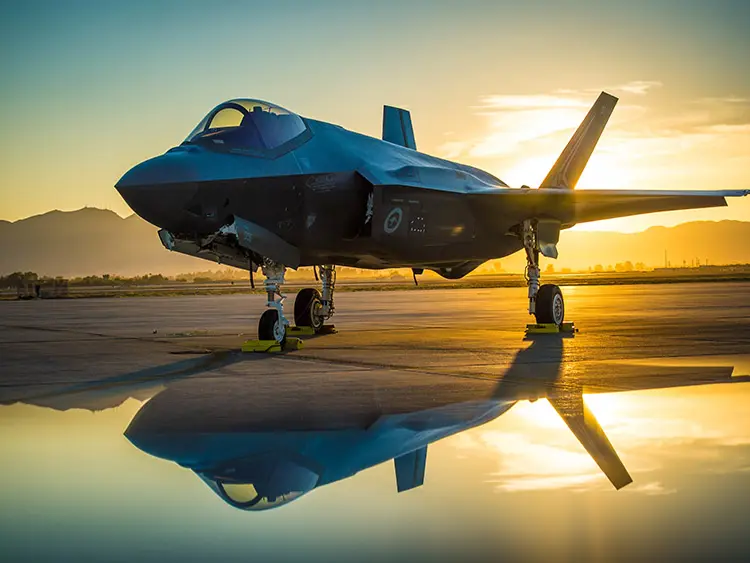
The U.S. Air Force's Airborne High Energy Laser programme seeks equipping AC-130 gunships and F-35 fighters with laser systems enabling precision strikes and missile defence with 2024 tests showing 20-kilowatt laser successfully integrated onto testbed aircraft. Special operations lasers on AC-130 gunships provide silent precision strikes reducing reliance on munitions. AHEL programme represents path toward fully weaponised laser aircraft.
High-Power Microwave Integration - Stun Weapon Alternative
High-power microwave weapons operate alongside lasers providing scalably disruptive options ranging from localised denial to large installations neutralising enemy drone swarms through electromagnetic disruption. Microwave weapons disable electronics without physical destruction enabling operational paralysis through sensor blinding and equipment failures. AI-powered microwave systems identify hostile signals and deploy countermeasures in real-time adapting faster than human operators.

AI-Assisted Targeting - Automatic Threat Classification
AI-powered jamming systems and rapid-targeting air-defence platforms automatically spot, track, and neutralise enemy drones sometimes engaging swarms simultaneously through machine learning algorithms. Systems like Germany's Skynex and U.S. Coyote counter-unmanned systems use AI identifying hostile signals deploying interception techniques in real-time. Autonomous threat classification enables split-second engagement decisions impossible for human operators.
Ground Vehicle Laser Systems - 30-kilowatt LAWS Platform
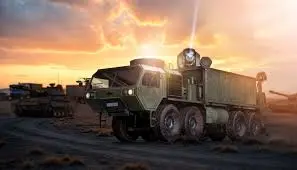
India's LAWS laser system mounts 30-kilowatt directed-energy weapons on ground vehicles incapacitating unmanned aerial vehicles, disabling boat propulsion systems, and destroying improvised explosive devices. BEL developed 2-kilowatt directed-energy systems representing force multipliers in modern warfare. Ground platform integration creates distributed tactical laser networks complementing fixed and naval systems.
Power Management Challenges - Engine System Integration
Combat aircraft must solve power management problems where fighter engines like F-35's 400-kilowatt engine split power across systems limiting laser power allocation due to thermal and electrical constraints. Advanced cooling systems become critical enabling laser operation without overheating aircraft systems. Future UAVs with solar or hybrid power offer ideal DEW platforms for long-endurance missions avoiding onboard generator limitations.
Directed-Energy Battlefield 2030 - Networked Laser Warfare
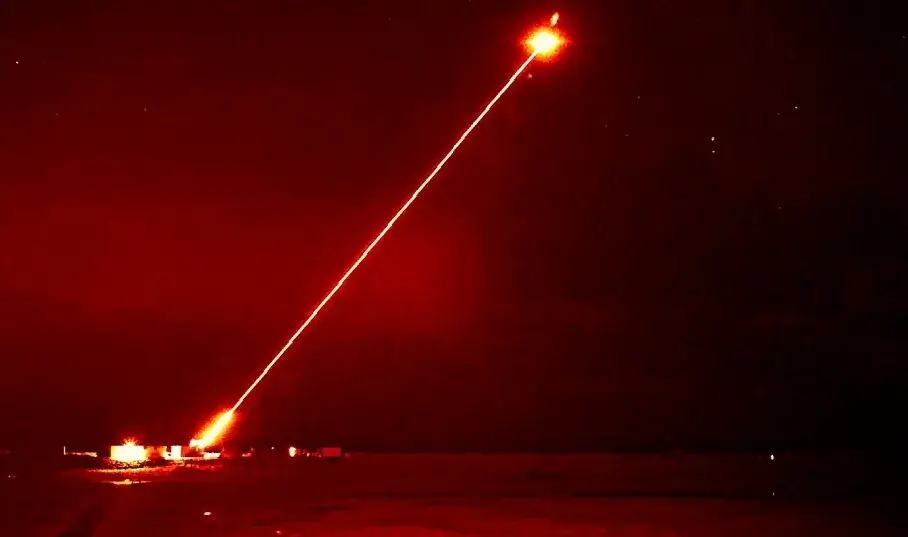
Battlefield 2030 envisions AI-analysed mission planning leveraging virtual playback analysing impact, safety, and speed enabling commanders to coordinate networked laser platforms across ground, air, and sea domains simultaneously. United States government spends approximately one billion dollars annually on directed-energy projects establishing dominance in laser weaponisation. Future warfare replaces kinetic destruction with energy-based disablement creating operational paralysis through coordinated DEW networks.
)
)
)
)
)