Could Iran’s allies, like Russia, come to its defence if the US strikes?

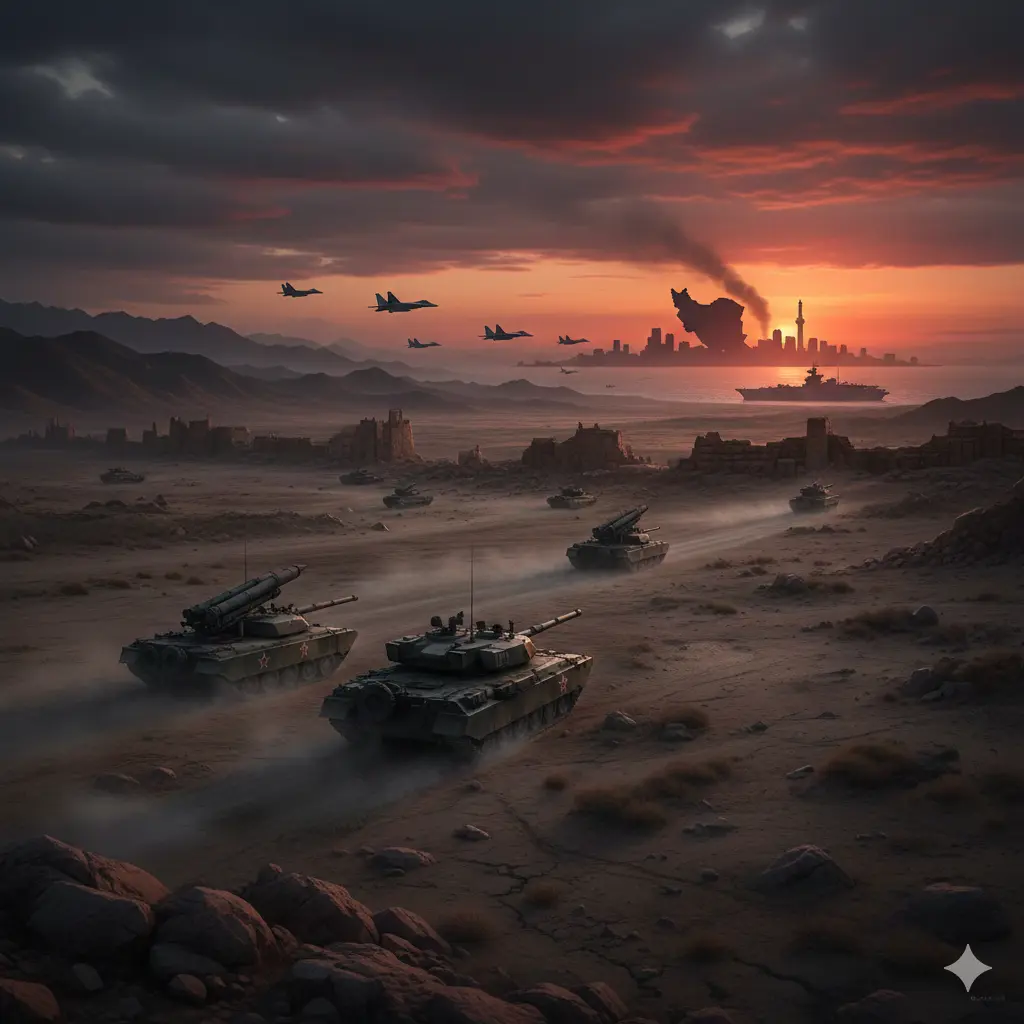
The relationship is a Strategic Partnership, not a Military Alliance. The support provided would be material (weapons), informational (intelligence), and political (UN vetoes), rather than combat-based.
Strategic partnership limits
Russia and Iran have signed major cooperation agreements recently. However, these deals usually fall short of a binding mutual defence treaty like NATO's Article 5. Moscow is not legally obligated to send troops if Tehran comes under attack.
Moscow tied up in Ukraine
The Kremlin is currently heavily committed to its ongoing war in Ukraine. Opening a second military front against the US in the Middle East is logistically difficult. Putin would likely offer strong diplomatic backing rather than deploying soldiers.
Supply of advanced weapons
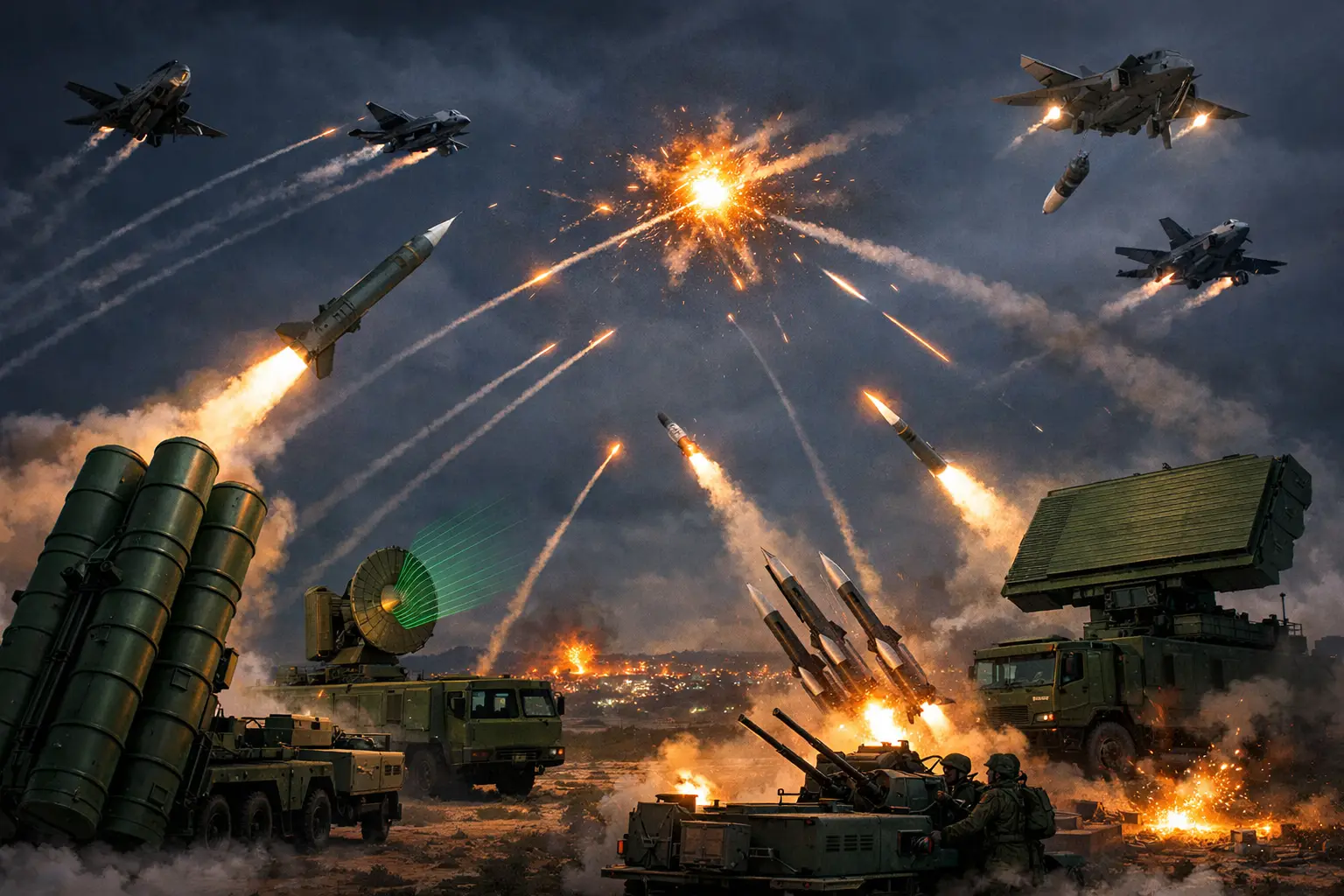
Iran has already integrated the S-300. Regarding the Su-35 jets, recent reports (late 2025) indicate that while production is underway, deliveries have been slow. Some units are expected to arrive in 2026. Moscow has been hesitant to deliver the S-400 to Iran to avoid further alienating Gulf states and Israel, though discussions are ongoing.
Intelligence sharing
Moscow could provide vital satellite data and intelligence on US troop movements. This 'soft' military support is highly effective in modern warfare. It allows Iran to target hostile assets precisely without Russia firing a single shot.
Beijing’s economic lifeline
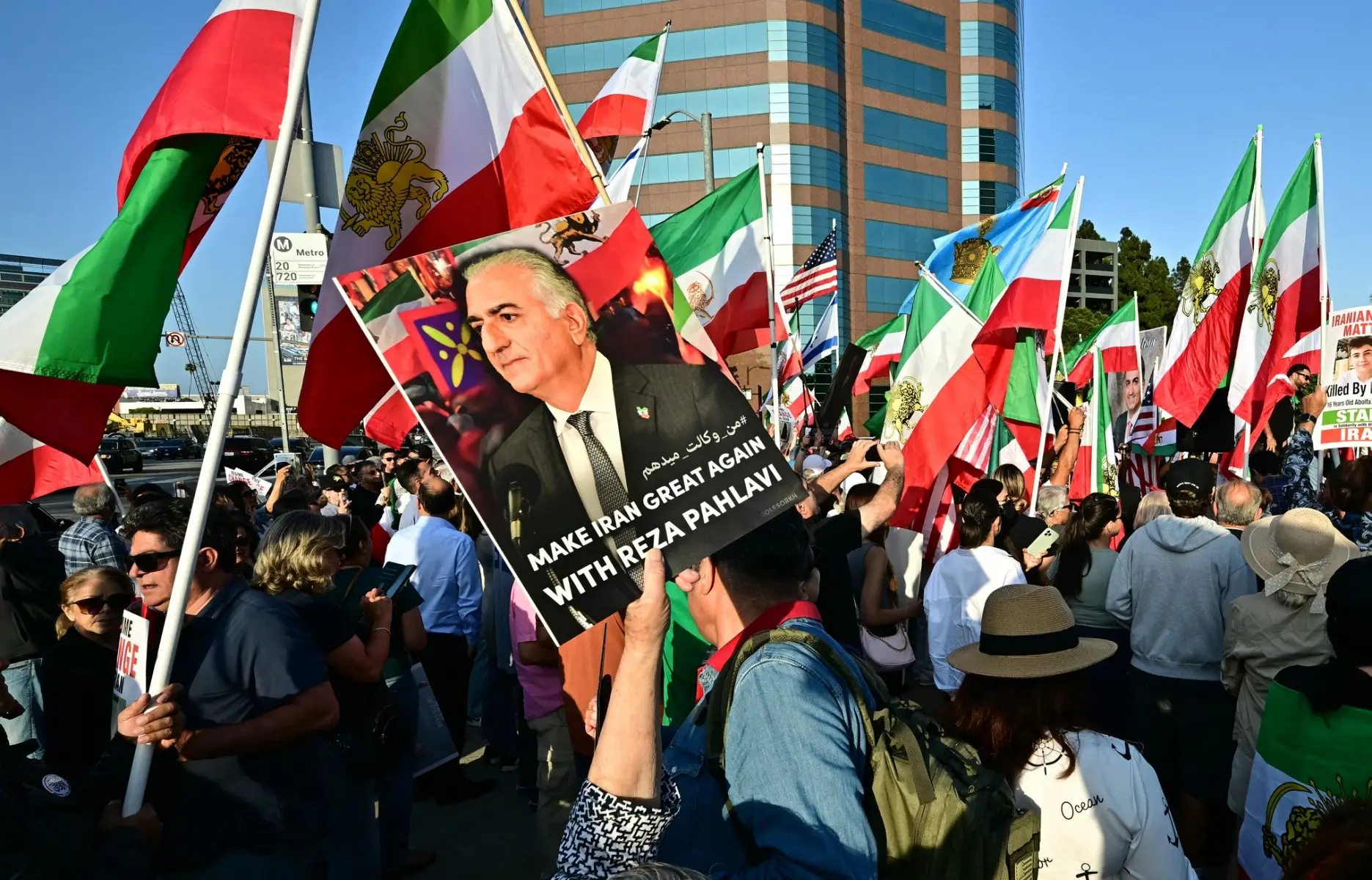
China remains Iran’s largest oil customer despite Western sanctions. In a conflict, Beijing would likely ensure Iran does not suffer total economic collapse. However, China historically avoids direct military intervention in foreign wars.
The Caspian Sea route
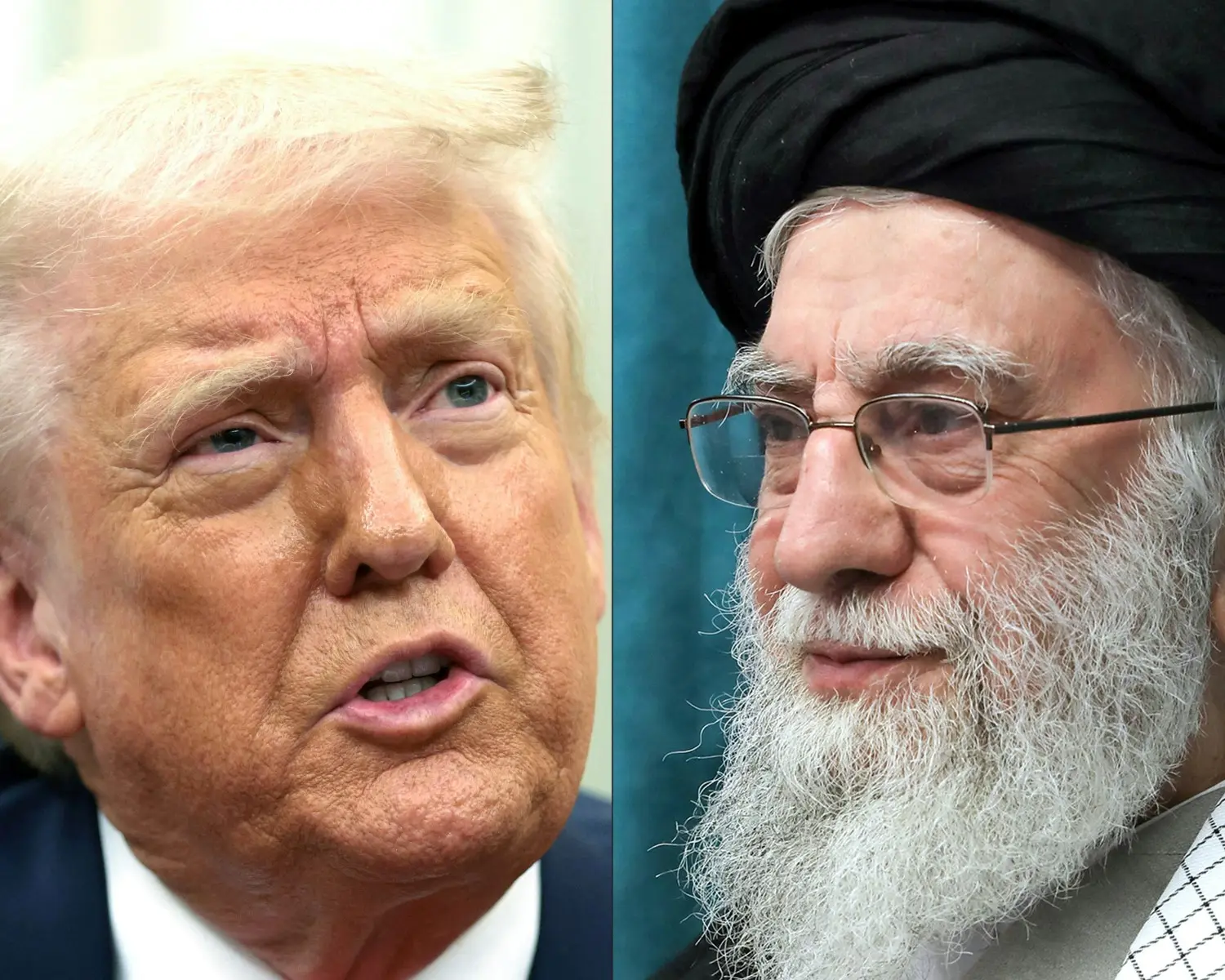
Russia shares a direct maritime border with Iran via the Caspian Sea. The US Navy has no access to this inland body of water. This ensures a secure logistics route for Russia to resupply Iran with ammunition and food during a blockade.
The Axis of Resistance
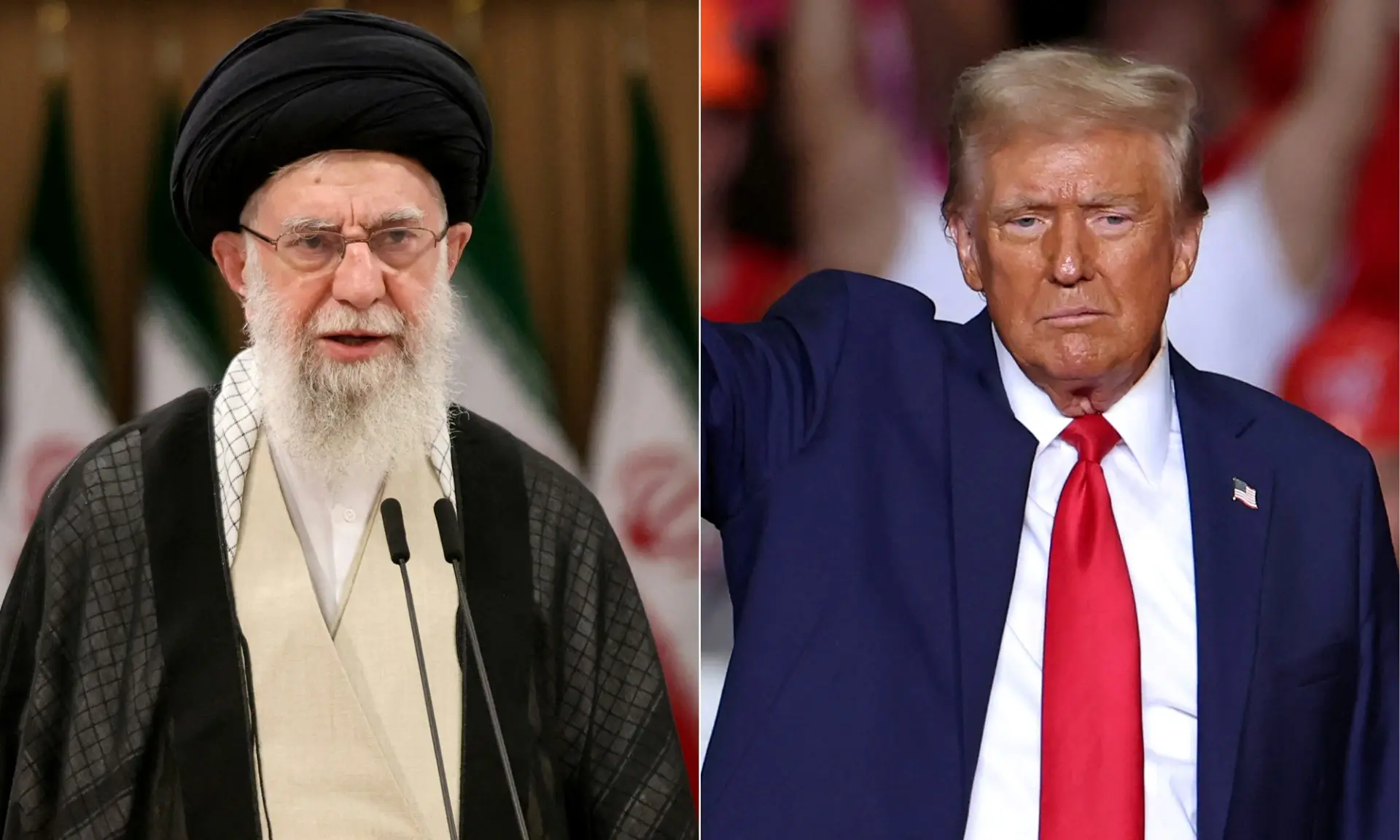
Iran’s true first line of defence lies with its regional proxies, not global powers. Groups like Hezbollah, Houthis, and militias in Iraq would likely strike US bases. This asymmetric response is more immediate than waiting for foreign armies.
Diplomatic shielding at UN
Russia and China hold veto power at the UN Security Council. They would almost certainly block any resolution legitimising a US strike. This political defence prevents the US from building a broad international coalition against Tehran.
Risk of nuclear escalation
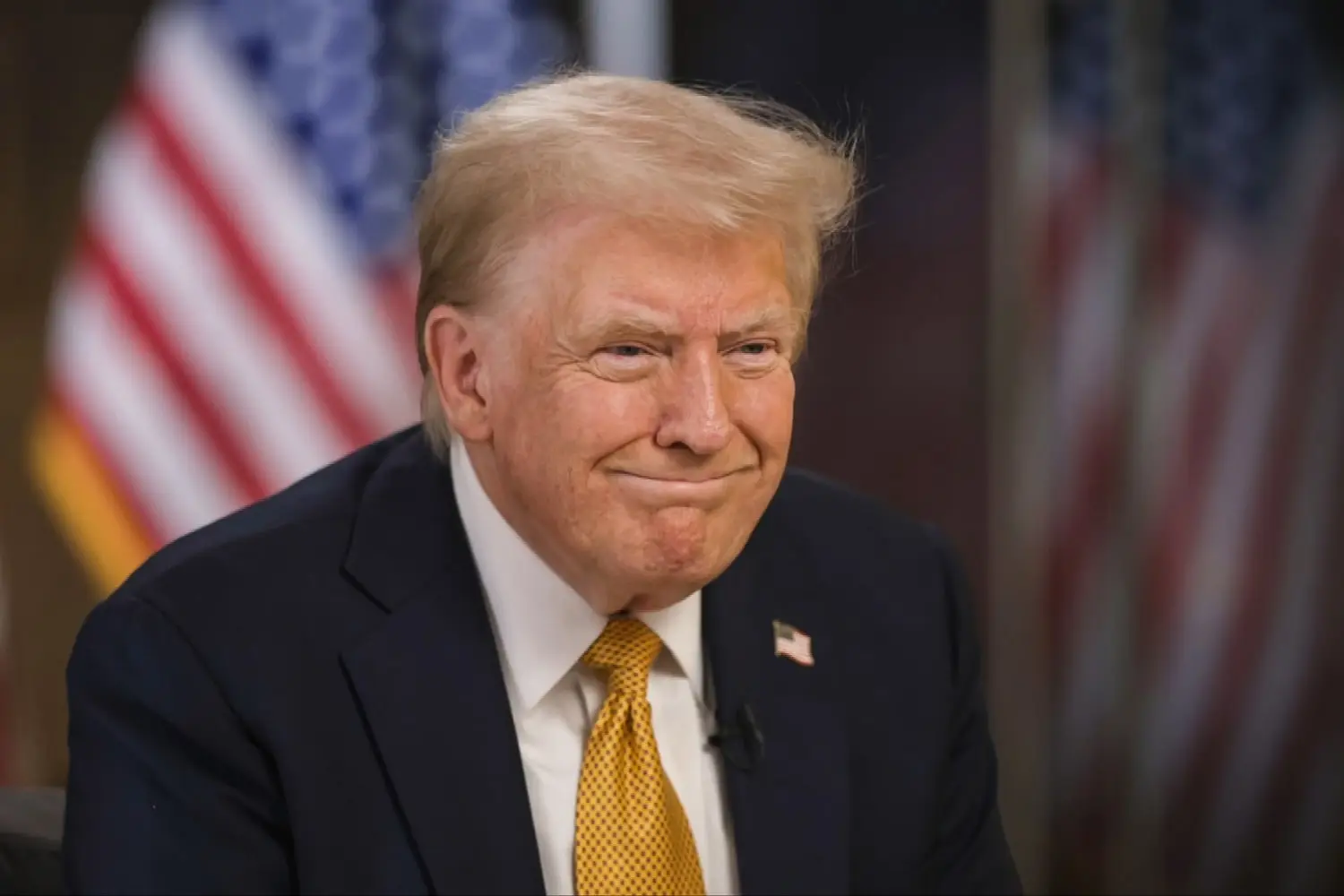
Direct Russian military involvement against the US risks a global nuclear conflict. Both Washington and Moscow are keen to avoid a direct conventional war. This mutual deterrence likely keeps Russia from engaging its own forces.
Fighting the war alone
Ultimately, Iran has prepared for decades to fight asymmetric warfare alone. They rely on their vast missile and drone arsenal rather than foreign rescue. Allies will provide the tools and cover, but Iran will likely provide the manpower.
)
)
)
)
)