Could India sanction Saudi Arabia if it sides with Pakistan in war due to defence pact?

If forced, India could restrict Saudi investments, banking transactions, joint ventures, and defence contracts. New Delhi could also turn to alternate oil suppliers like Iraq, Russia, and the US to reduce dependence.
1. India’s Growing Economic Power
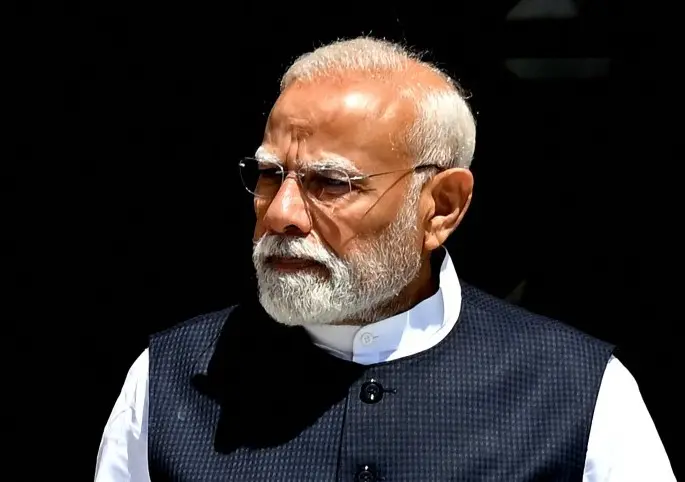
India is the world’s fifth-largest economy and a key trading partner for Gulf states. In theory, New Delhi has the leverage to impose sanctions, restrict trade, or limit investments if Saudi Arabia openly backs Pakistan in a conflict.
2. The Oil Dependency Factor
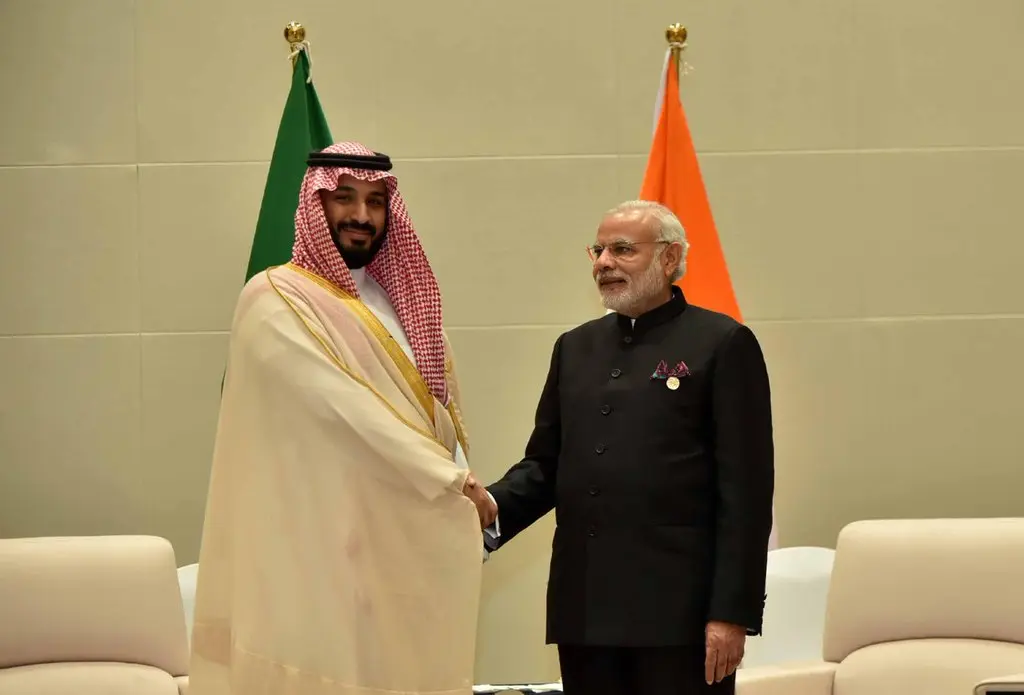
Saudi Arabia is a top supplier of crude to India, meeting nearly 17 per cent of India’s oil needs. Any Indian sanctions targeting Saudi energy could backfire by driving up domestic fuel prices and harming India’s own economy.
3. Indian Diaspora in the Gulf
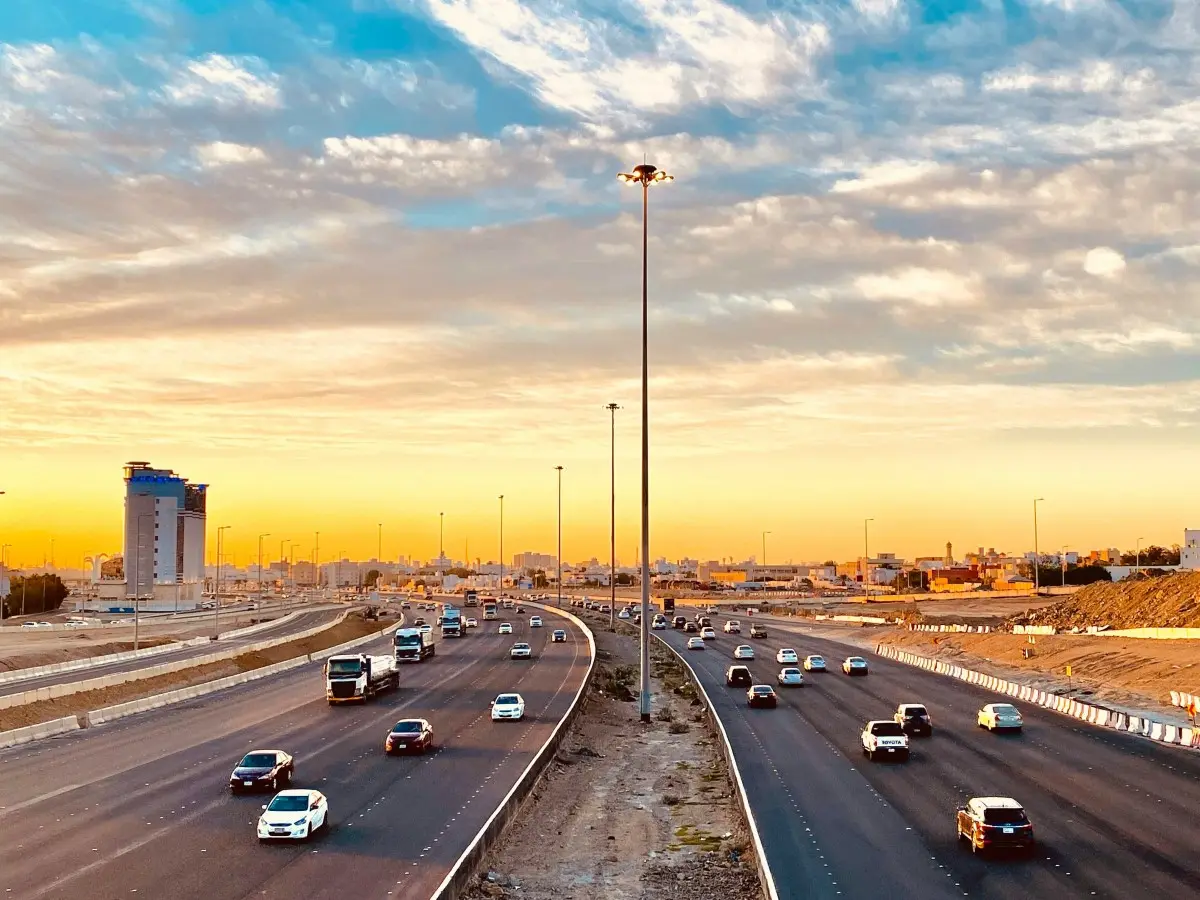
Over 9 million Indians live and work in Saudi Arabia and the Gulf, sending billions in remittances home. Sanctions or hostile measures could put this community at risk, making New Delhi cautious about escalating tensions.
4. Possible Forms of Sanctions
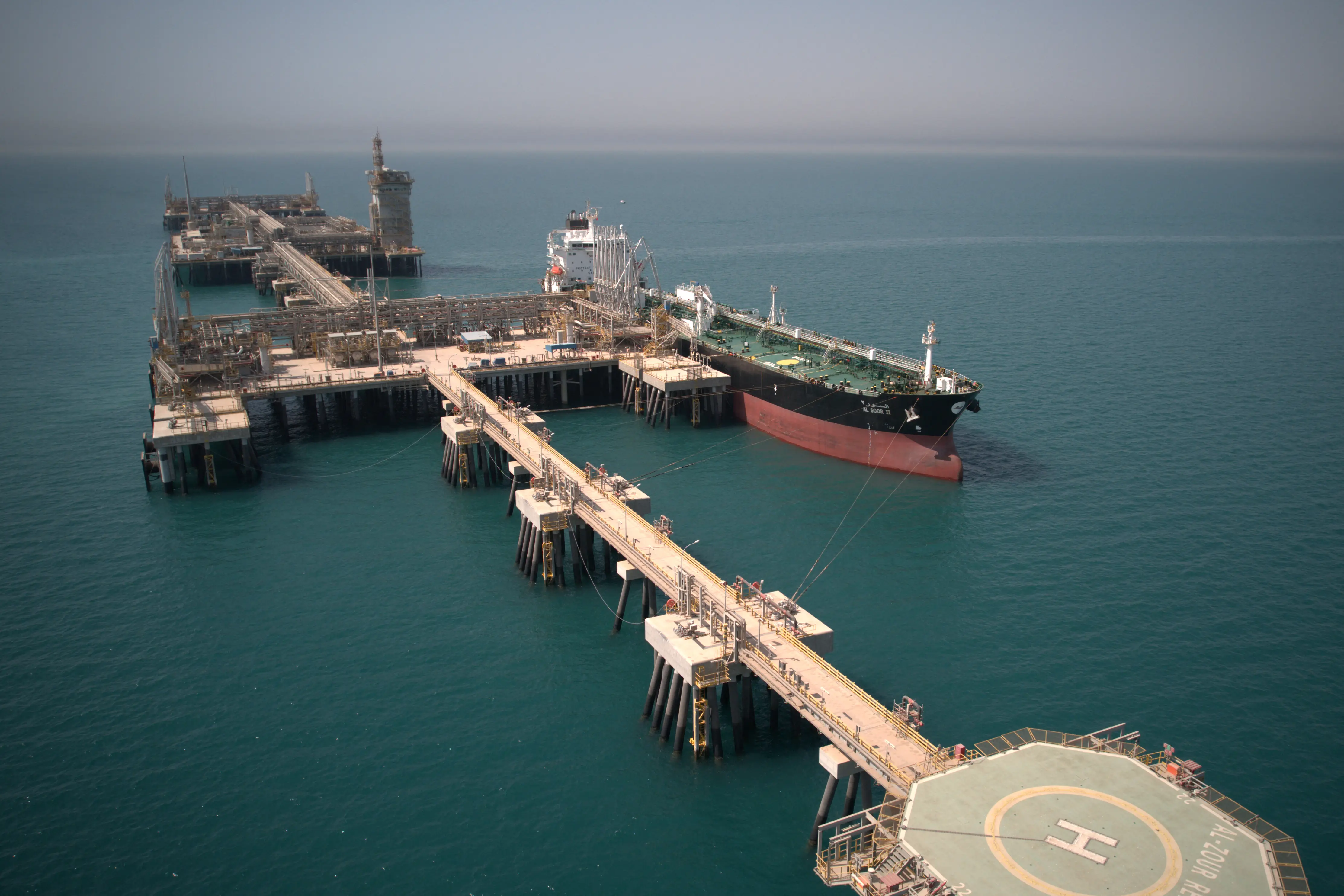
If forced, India could restrict Saudi investments, banking transactions, joint ventures, and defence contracts. New Delhi could also turn to alternate oil suppliers like Iraq, Russia, and the US to reduce dependence.

5. Diplomatic Fallout in the Muslim World
Sanctioning Saudi Arabia would have ripple effects across the OIC (Organisation of Islamic Cooperation), where Pakistan already lobbies against India on Kashmir. Such a move might push more Islamic nations diplomatically closer to Islamabad.
7. The Strategic Reality
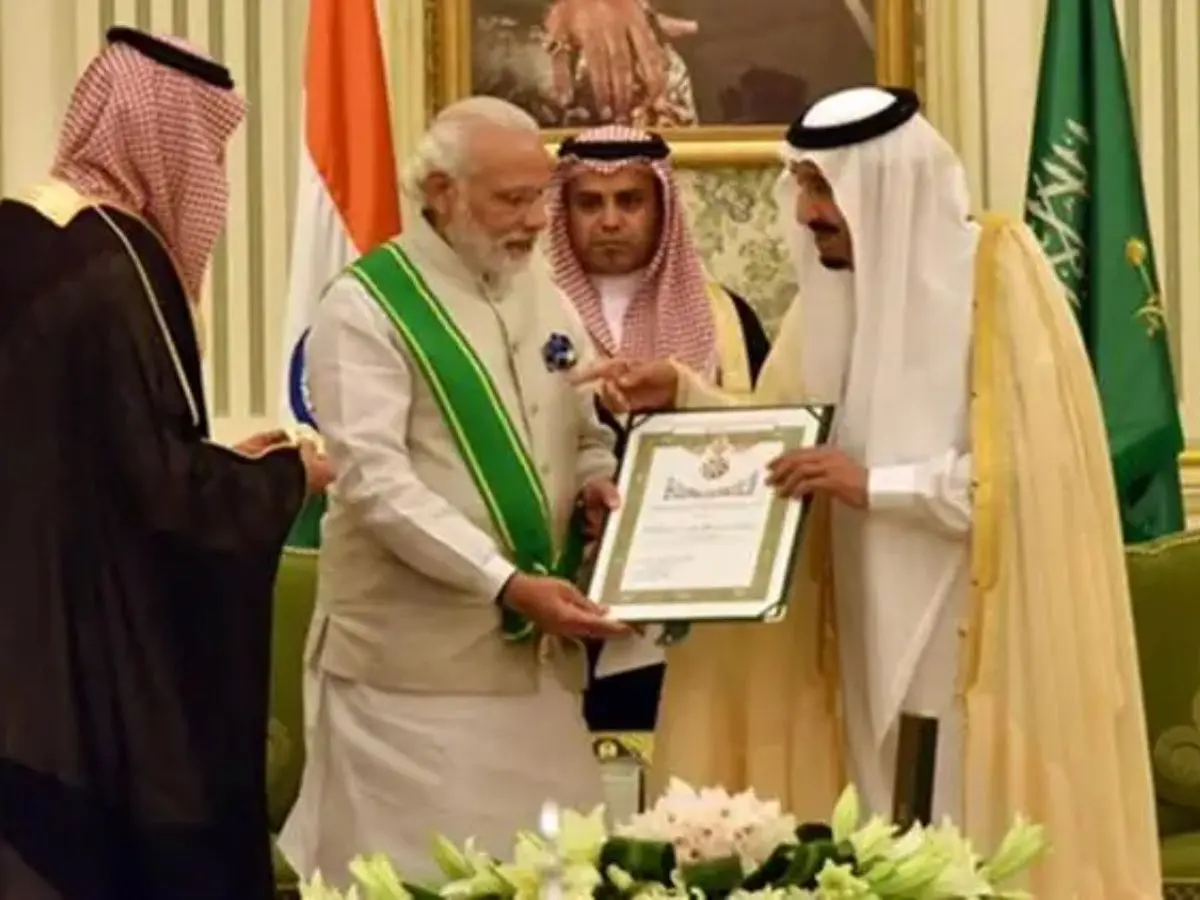
While India technically can sanction Saudi Arabia, the move would be a last resort. The economic interdependence, diaspora factor, and global oil market make direct sanctions unlikely. Instead, New Delhi would likely rely on diplomacy, trade diversification, and global alliances to pressure Riyadh.
6. The Global Angle
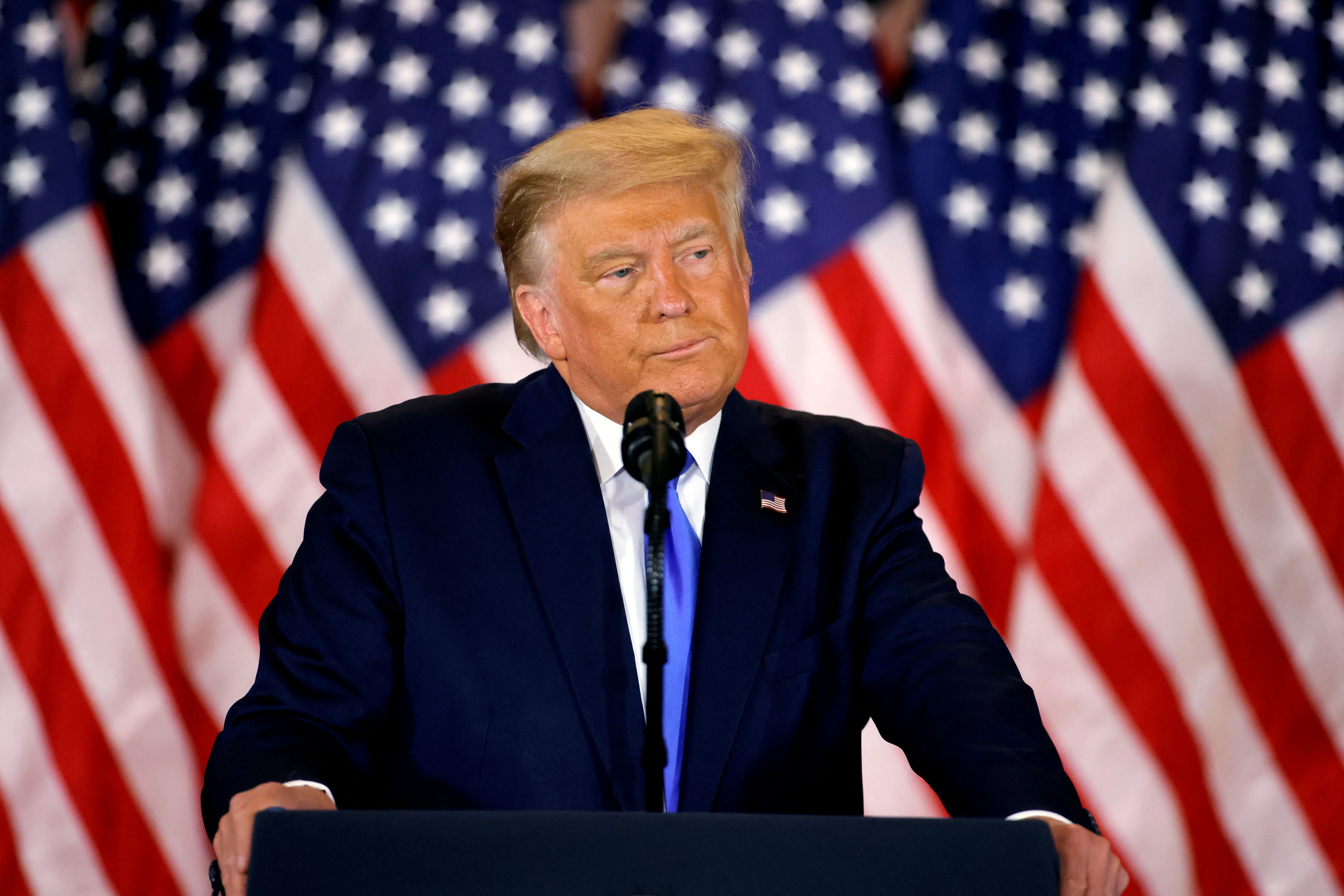
India has close ties with the US, EU, and major oil producers. Any Saudi alignment with Pakistan in war would be seen as destabilising. Global pressure could reduce India’s need to act unilaterally with sanctions, as Riyadh risks isolation.
)
)
)
)
)