Could humans survive on Europa? NASA reveals shocking facts about Jupiter’s icy moon

Beneath its frozen surface lies a vast subsurface ocean, possibly containing more water than all of Earth’s oceans combined. Recent research suggests it holds the essential chemical ingredients and energy sources that could support life.

Jupiter's moon
Europa, one of Jupiter’s icy moons, has captivated scientists for decades as a potential site for life beyond Earth. Beneath its frozen surface lies a vast subsurface ocean, possibly containing more water than all of Earth’s oceans combined. Recent research suggests it holds the essential chemical ingredients and energy sources that could support life. NASA’s Europa Clipper mission aims to investigate these conditions in unprecedented detail, examining the moon’s ice shell, ocean, and geology. But, the larger question remains, if Europa has all the conditions necessary for human survival?
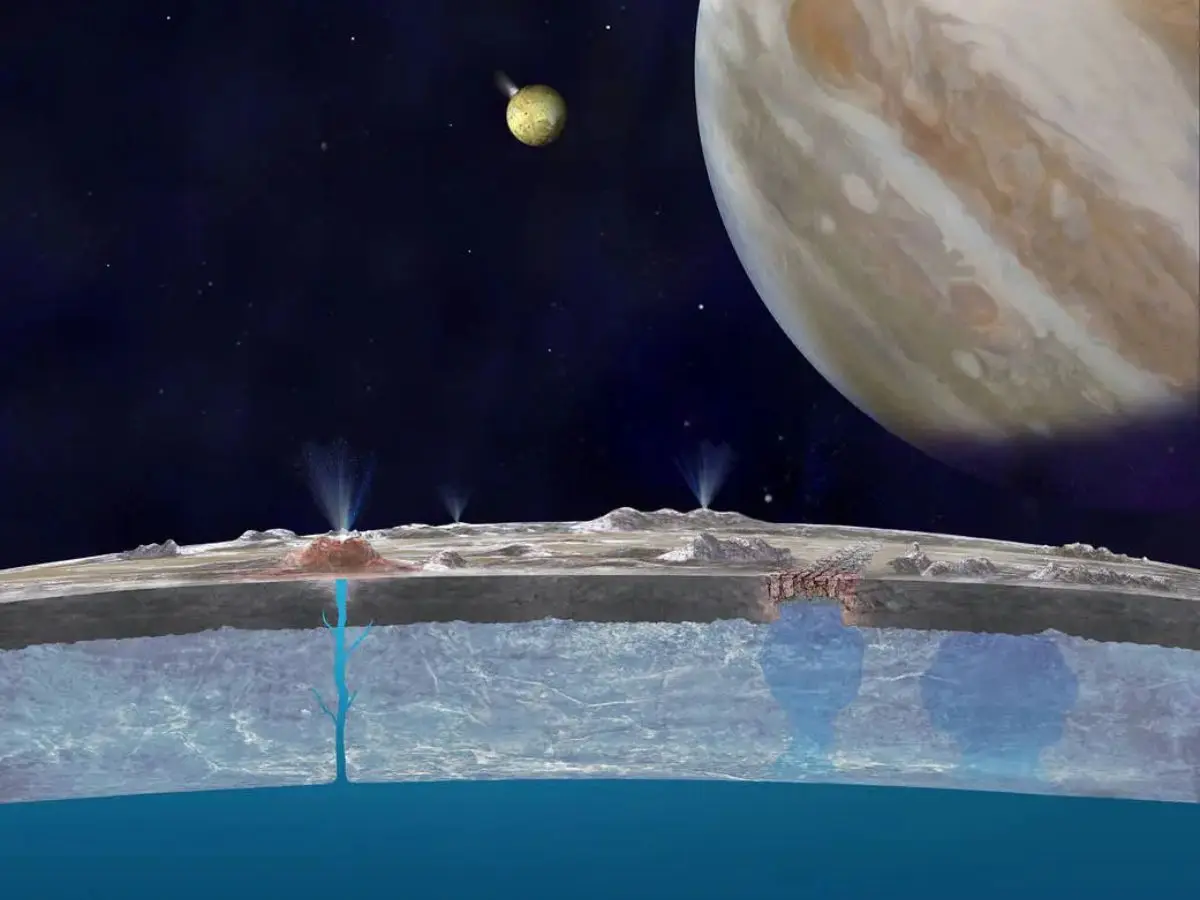
A Subsurface Ocean Beneath the Ice
Europa's surface is a frozen shell, but beneath it lies a global ocean of liquid water, estimated to contain more than twice the volume of all of Earth's oceans combined. This ocean is kept warm by tidal flexing caused by gravitational interactions with Jupiter and its other moons. Such warmth, combined with the presence of water, is a key factor in considering Europa's potential to support life
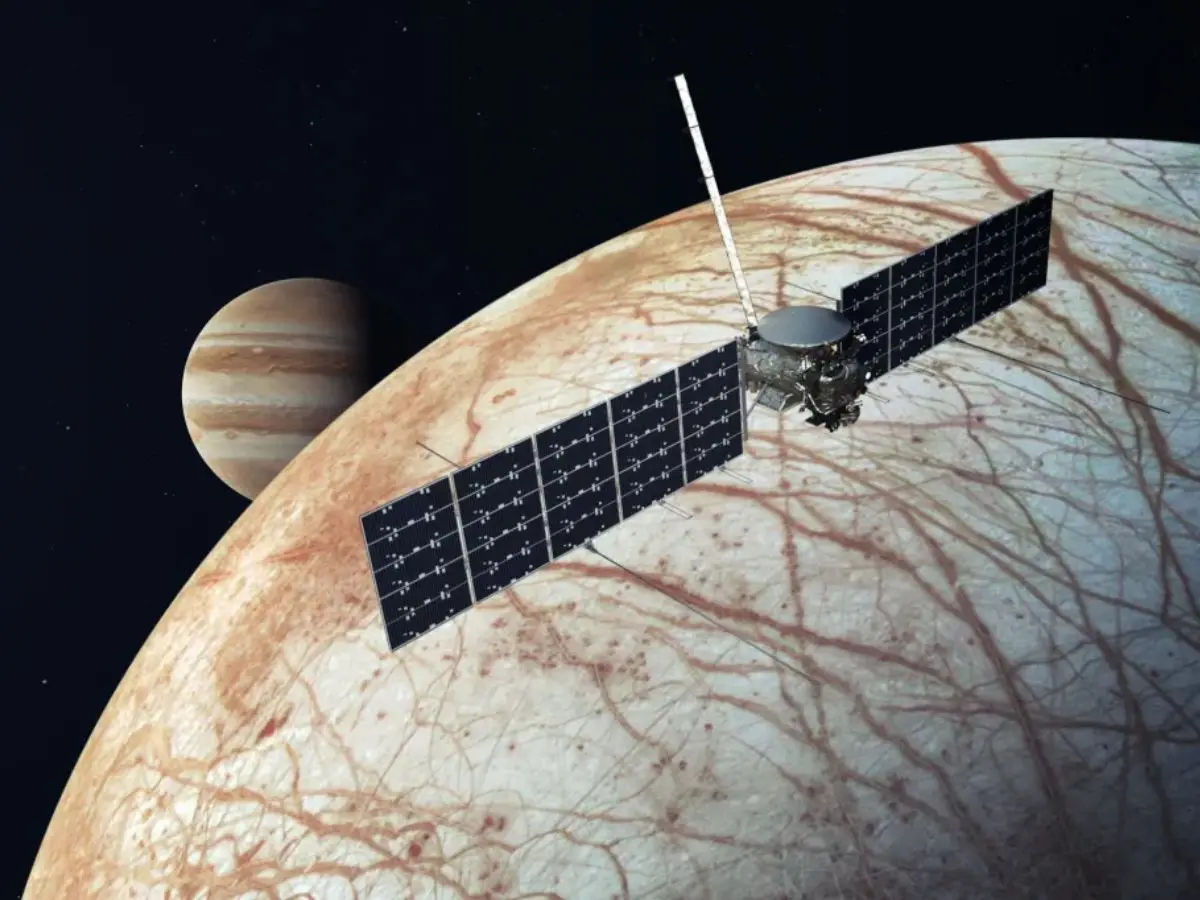
Essential Ingredients for Life
For a body to support life, certain conditions are necessary. Europa appears to meet these criteria:
Water: As mentioned, Europa's ocean holds more than twice the volume of all of Earth's oceans combined.
Chemistry: The ocean is believed to be in contact with Europa's rocky mantle, potentially providing essential chemical elements like carbon, nitrogen, and phosphorus
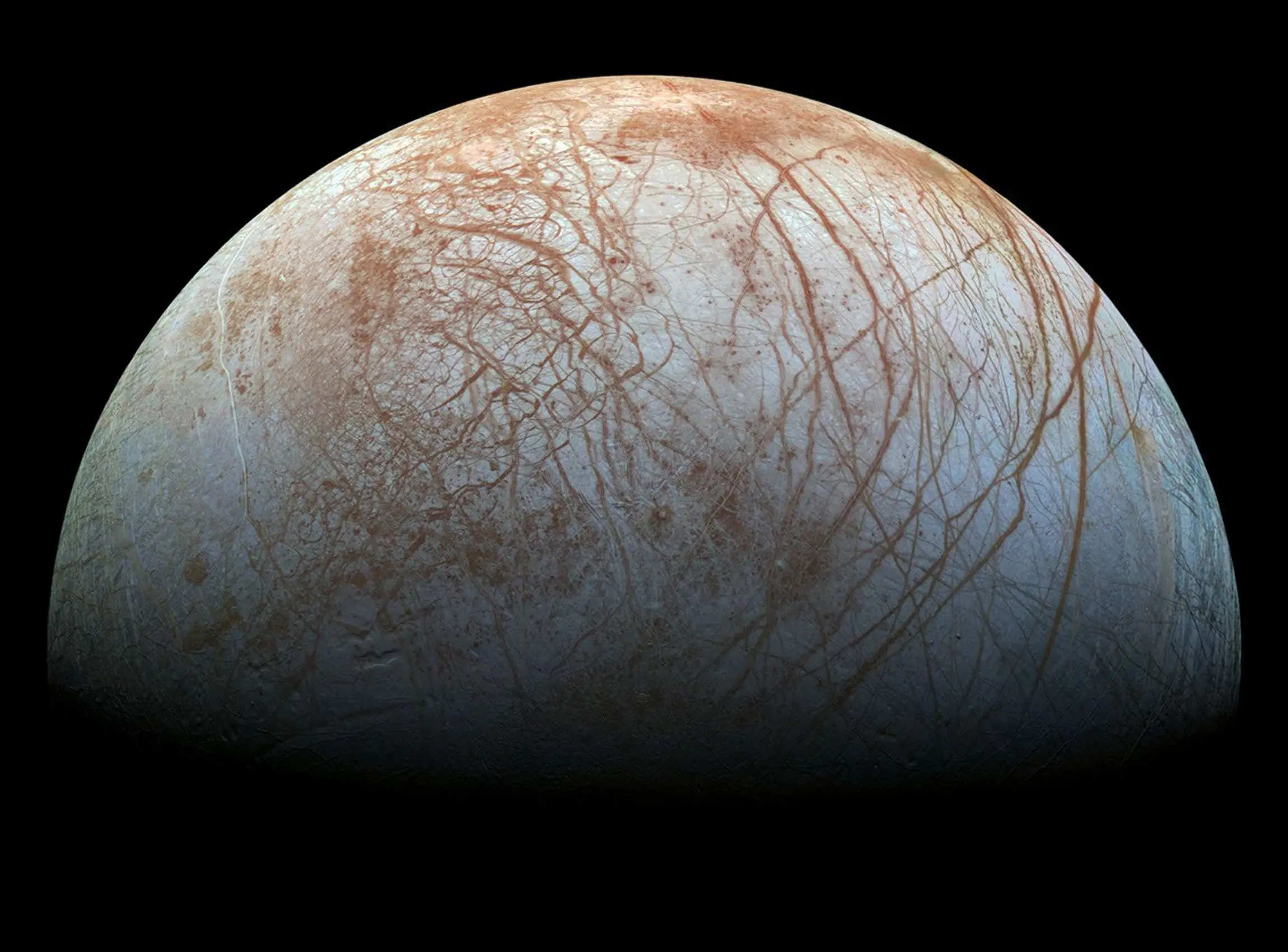
Other Essential Ingredients
Energy: Tidal heating from Jupiter's gravitational pull generates internal warmth, which could drive chemical reactions necessary for life
These factors suggest that Europa has the fundamental ingredients required for life as we understand it.
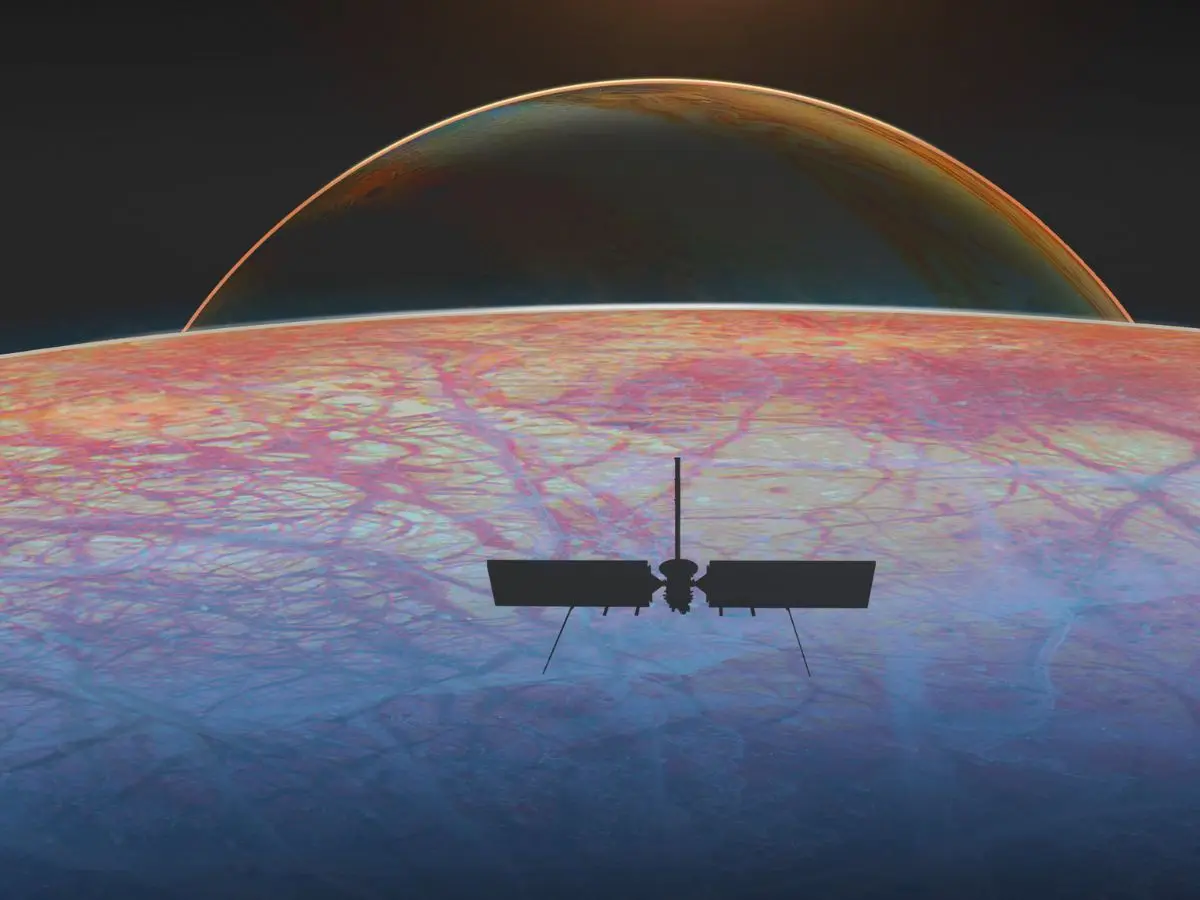
The Europa Clipper Mission
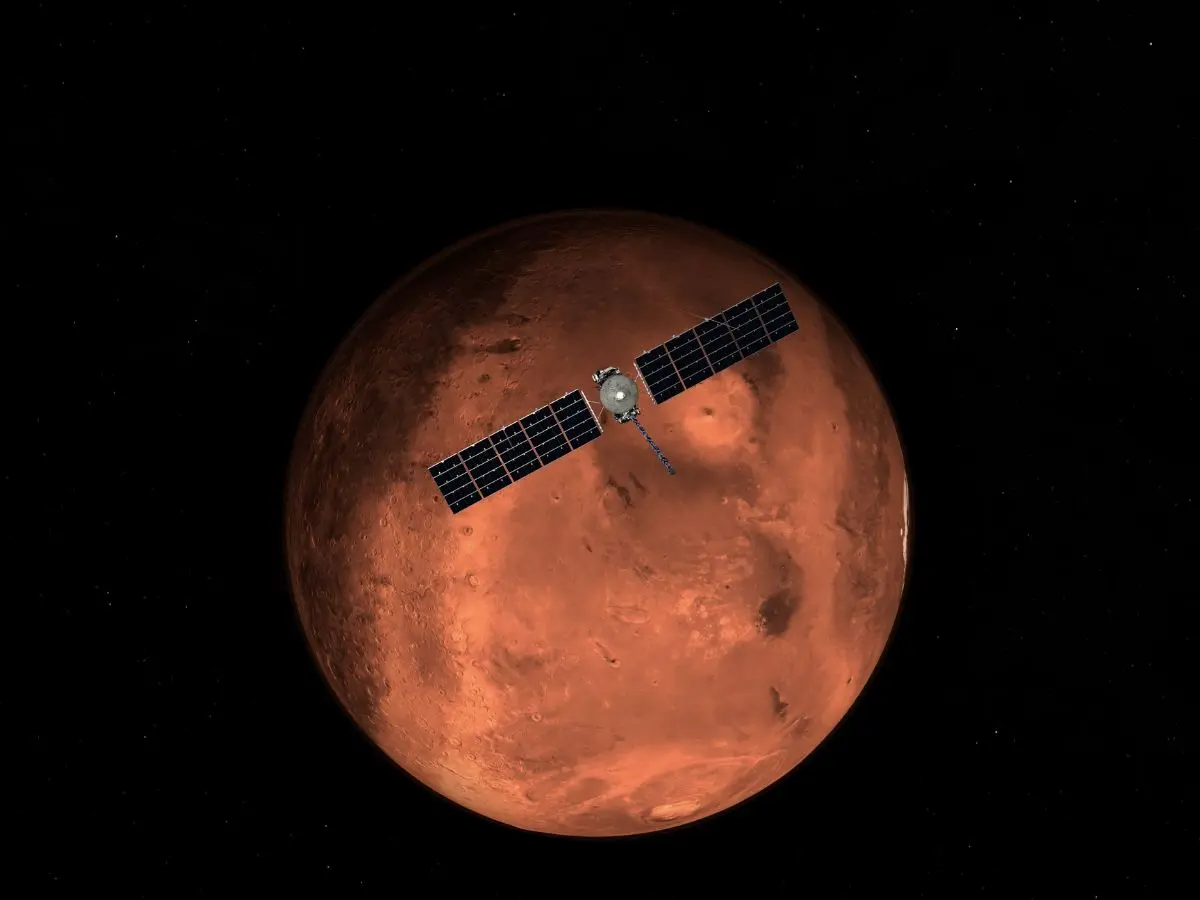
NASA's Europa Clipper spacecraft is designed to investigate these possibilities. Scheduled to arrive at Europa in 2030, the spacecraft will perform approximately 50 flybys of the moon, passing as close as 16 miles (25 kilometers) above its surface. Equipped with nine scientific instruments, Europa Clipper will study the moon's ice shell, subsurface ocean, and geology to assess its habitability
Challenges to Human Survival
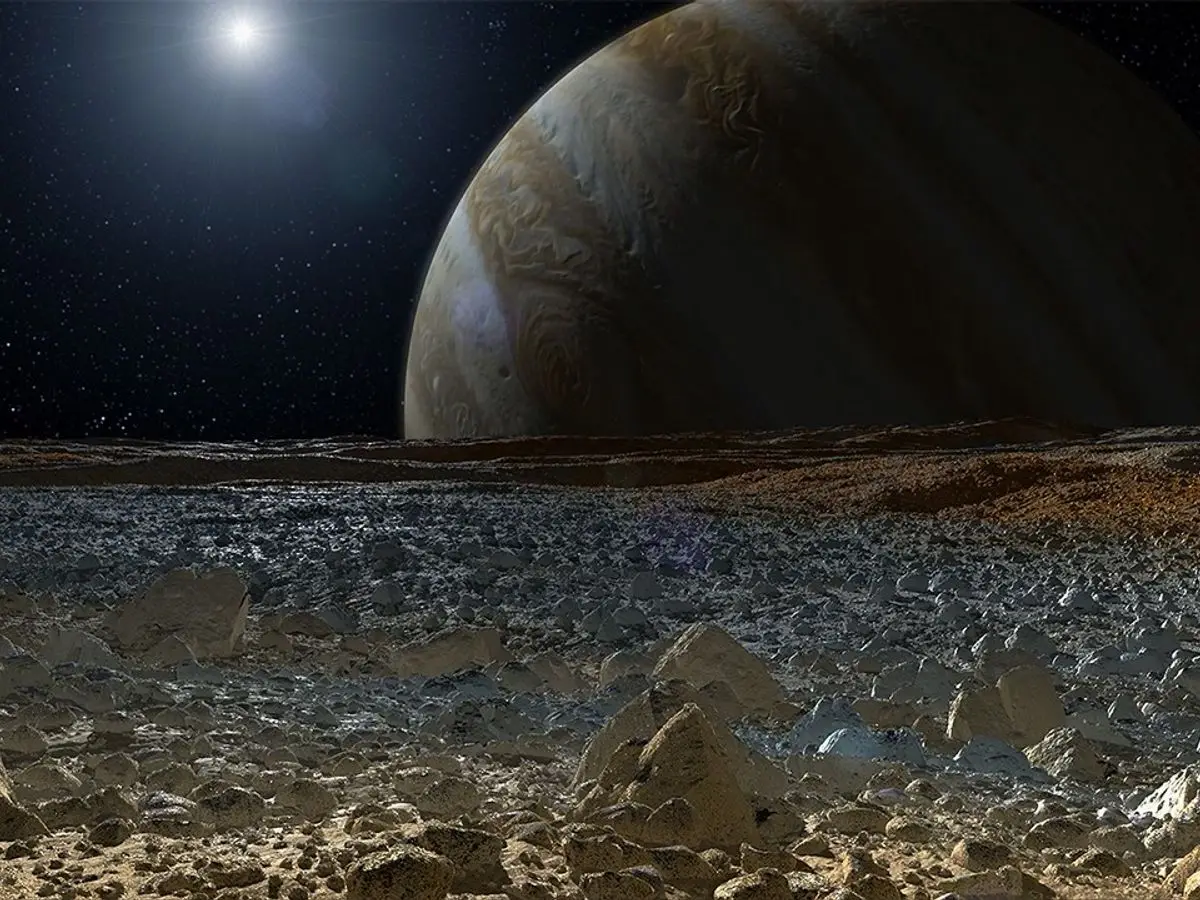
While Europa may harbour conditions suitable for microbial life, human survival presents significant challenges. The moon's surface is extremely cold, with temperatures averaging around -260 degrees Fahrenheit (-162 degrees Celsius). Additionally, the intense radiation from Jupiter's magnetic field would pose serious risks to human health. Any future missions would require advanced technology to protect against these harsh conditions.
Conclusion
Europa stands out as one of the most promising places to search for signs of life beyond Earth. While current technology does not allow for human habitation, the findings from the Europa Clipper mission could pave the way for future exploration and perhaps, one day, human presence on this distant moon.
)
)
)
)
)