Could fighter jets be influenced by AI algorithms built by enemy hackers?

AI is transforming modern fighter jets, helping them fly faster and smarter but it also opens the door to cyber risks. From data poisoning to hacked sensors, experts warn that AI-controlled jets need strong defences to stay safe in tomorrow’s air battles.
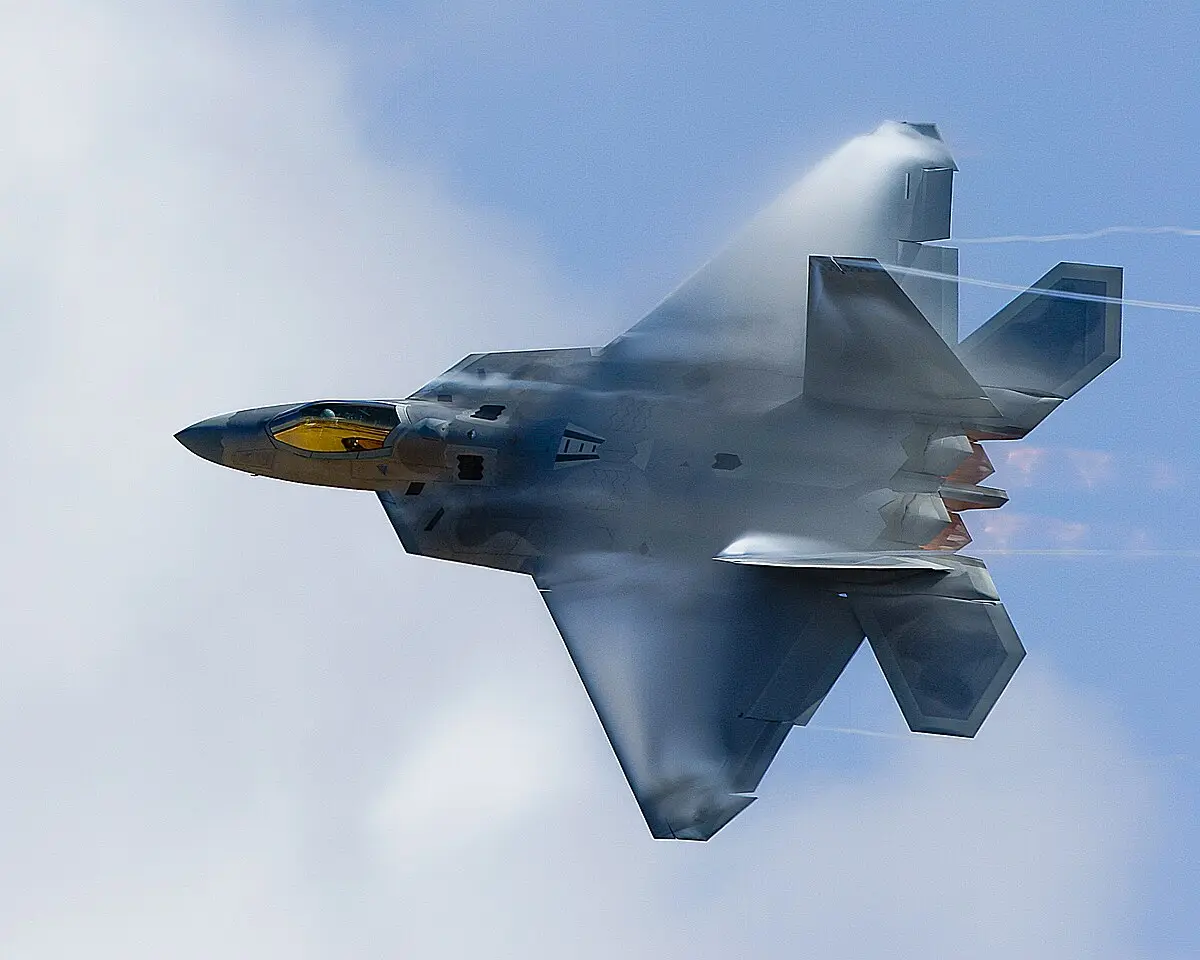
AI Controls and Fighter Jets
Modern fighter jets use AI to assist pilots with fast decisions, flight control, and targeting. AI helps jets fly complex patterns and react faster than humans can. For example, the US Air Force tested an AI-controlled F-16 called X-62A that flew safely for many hours in 2022 according to DARPA reports.
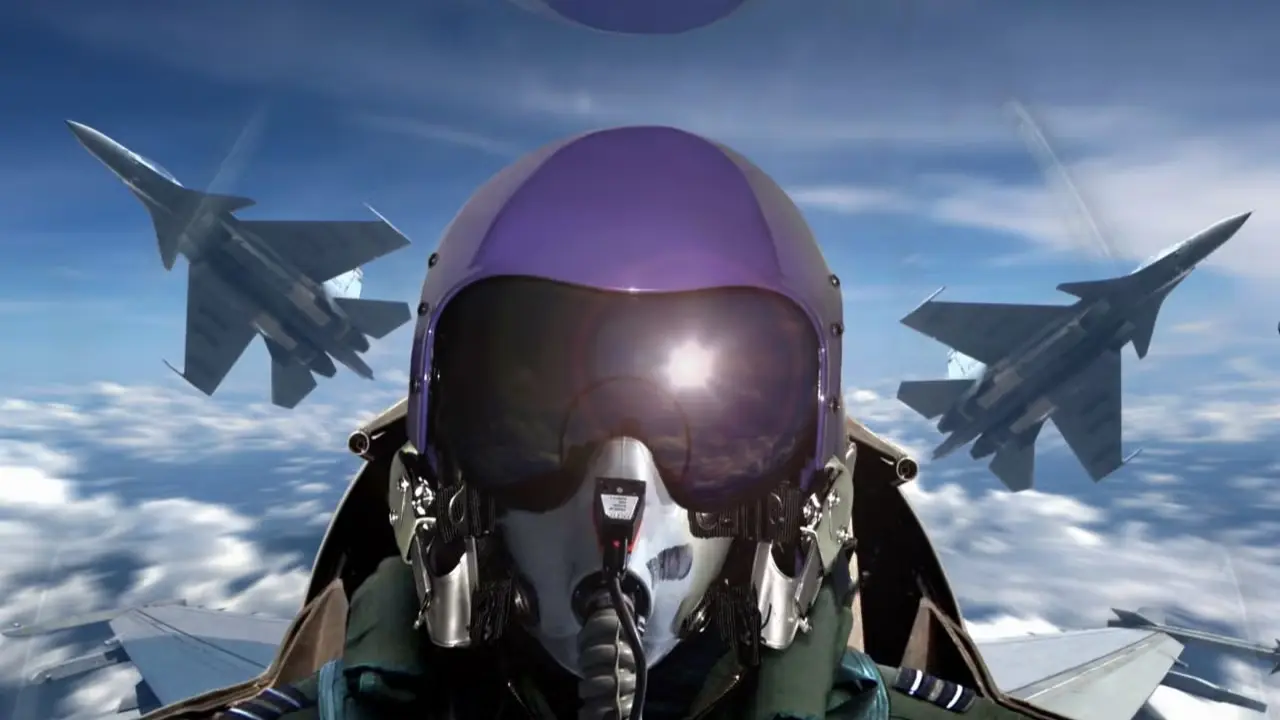
Cyber Threats to AI Systems
AI systems in jets depend on software and data. Hackers can try to attack by feeding wrong data (called data poisoning) or hacking software to affect AI behaviour. According to research by Sweden’s FOI, manipulating AI training data could cause false decisions, like mistaking foes for friends or vice versa.
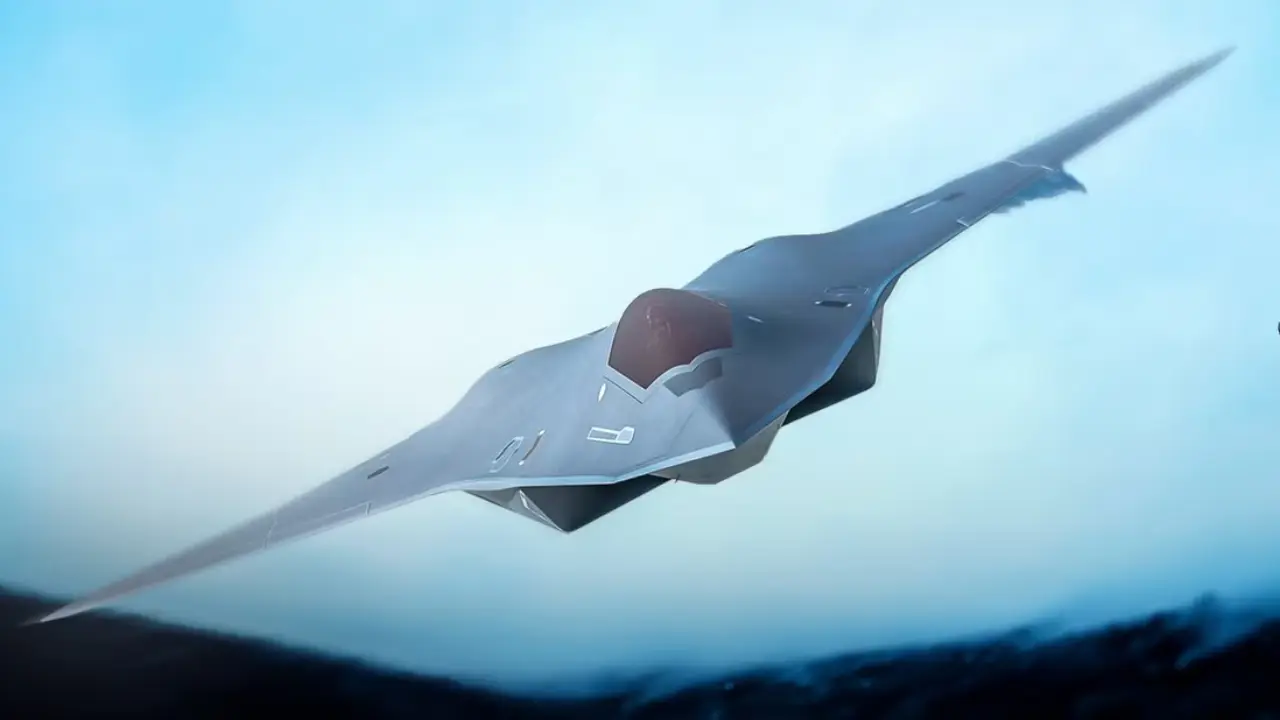
How Hackers Could Influence Fighter Jets
Hackers might exploit weaknesses in AI software, interfering with sensors or communication links. This could mislead the jet’s AI to wrong targets or unsafe moves. Electronic warfare and cyberattacks around military AI systems are growing concerns according to cybersecurity experts.
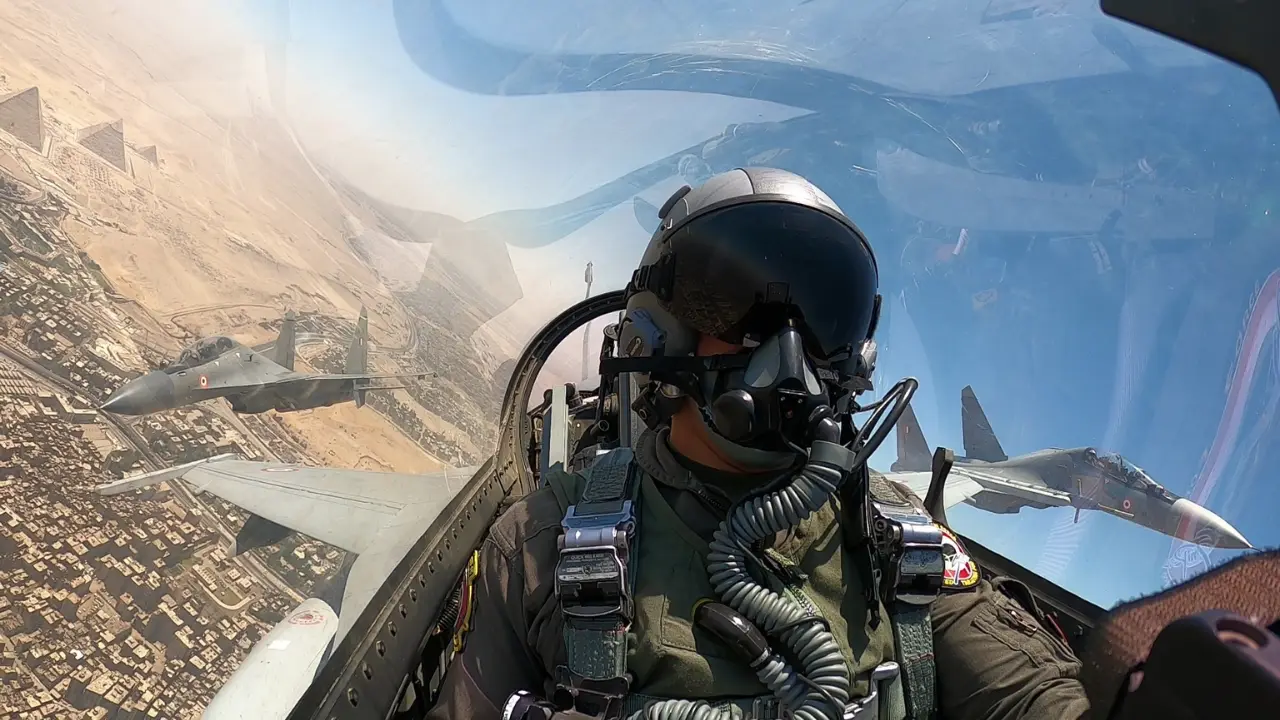
Defence Strategies Against AI Hacking
Armed forces build security layers: firewalls, encrypted links, multi-factor authentication, and continuous monitoring. AI models get frequent updates and testing to detect attacks. Human pilots still maintain control to intervene if AI malfunctions or behaves suspiciously.
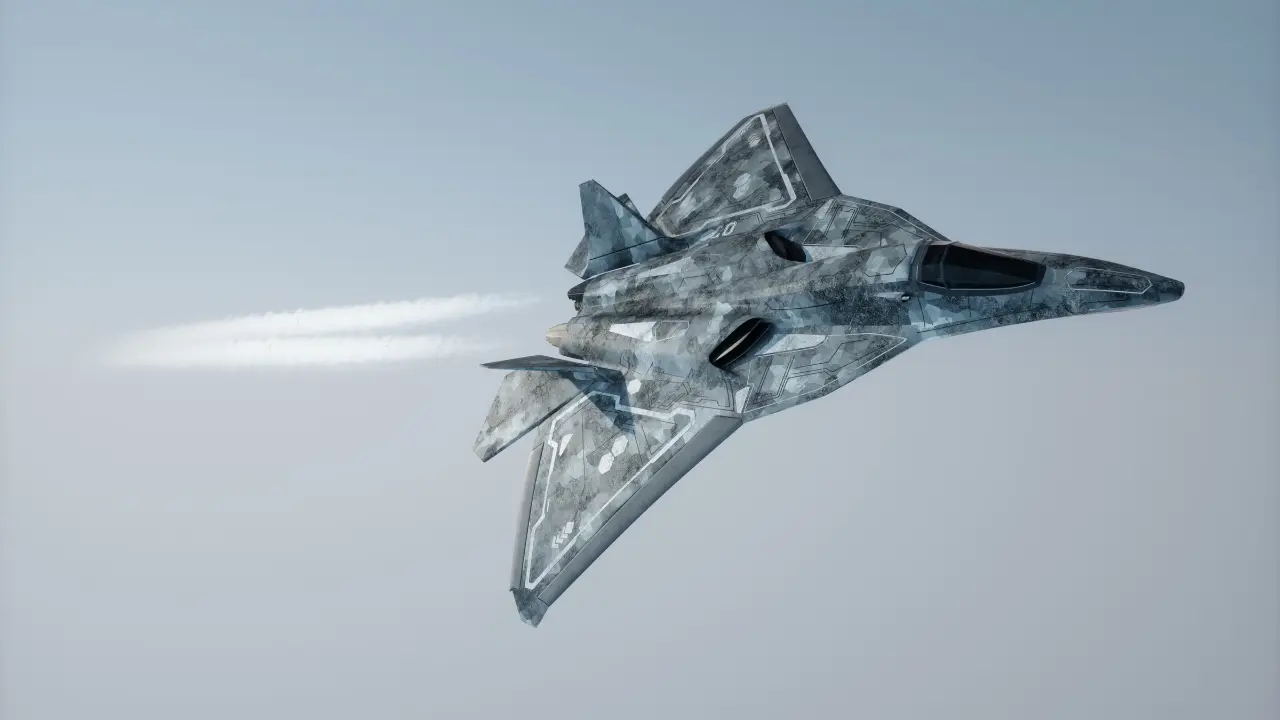
Air Combat Evolution
The DARPA Air Combat Evolution program showed AI agents flying a modified F-16 successfully, but also highlighted cybersecurity risks. Defense companies continuously work on making AI safer and less vulnerable to hacking. The future will require stronger coordination between AI and cybersecurity teams.
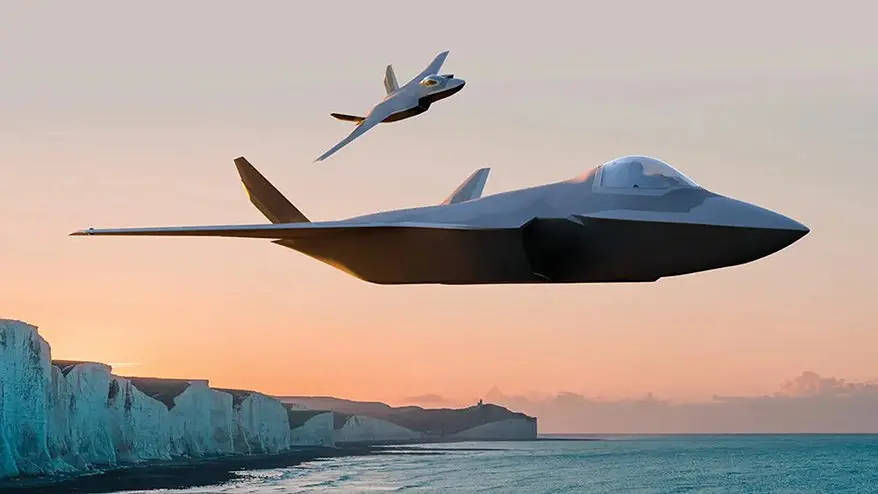
Ethical and Operational Limits
Using AI in fighter jets comes with challenges: humans must oversee lethal choices and mission changes because AI lacks judgement and ethical understanding. International laws and military codes demand human control over life-and-death decisions despite AI’s advanced capabilities.
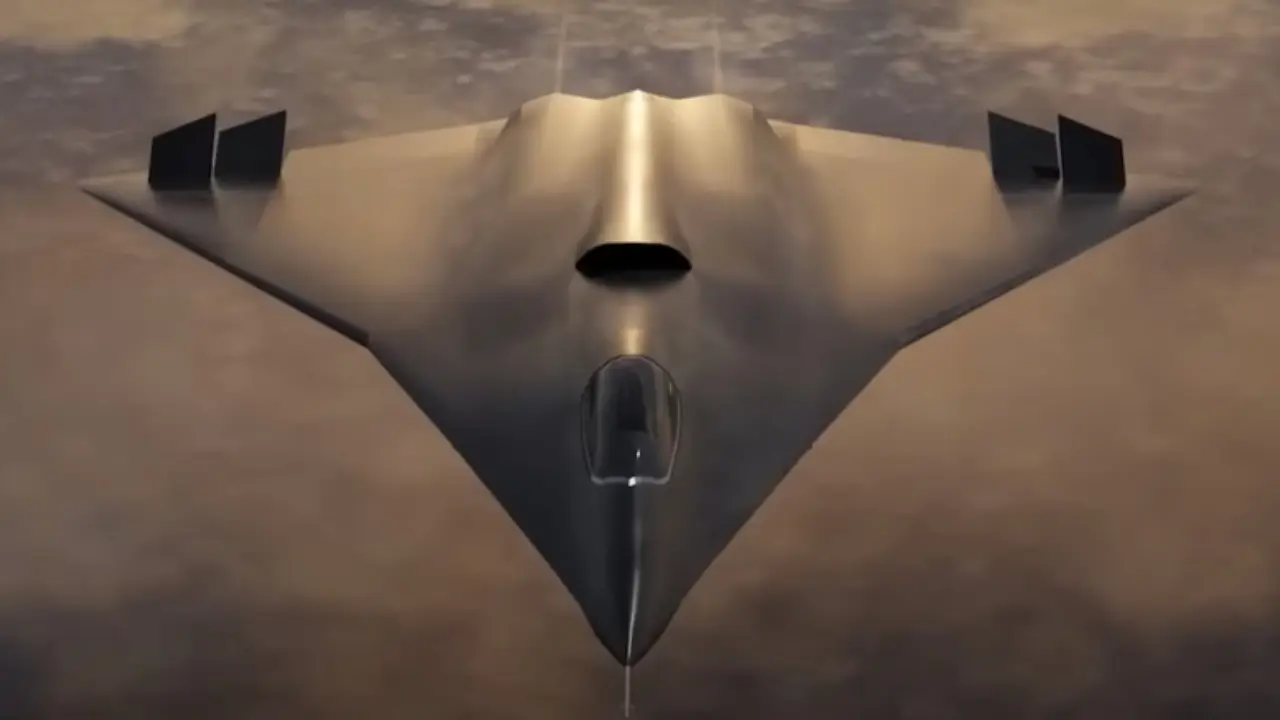
AI-powered jets
As AI-powered jets increase, so do cyber risks. Experts say advanced safeguards, ethical frameworks, and constant vigilance are needed to keep jets safe from enemy hackers.
)
)
)
)
)