Gaia BH1 or Sagittarius A* - Is Earth at risk of being swallowed by a black hole?

Can a black hole eat Earth? Are we at risk of being sucked in by the dark cosmic structure? Black holes are an enigma in the universe, and one of the most dangerous and powerful creations. What would happen if a black hole came near Earth?
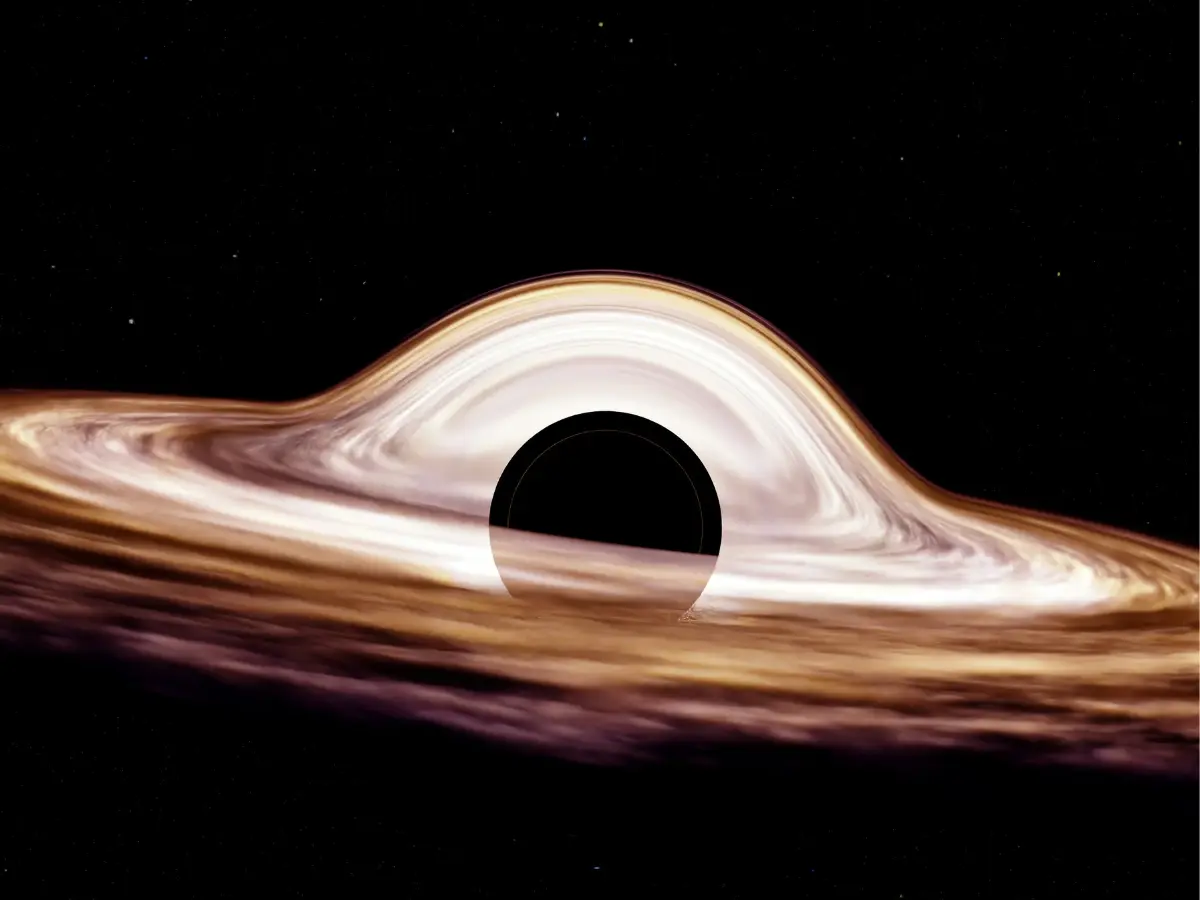
Is Earth at risk of being eaten by a black hole?
Black holes are a mysterious cosmic phenomenon. They are formed when stars die, their cores collapse under their own gravity, triggering a supernova explosion. This leads to a singularity being created and an event horizon. The gravitational pull of a black hole is so strong that not even light can escape it. They feed on dead cosmic objects that come too close, releasing a burp that carries more energy than anything in the universe. But, should we be scared of one? Can a black hole eat Earth?
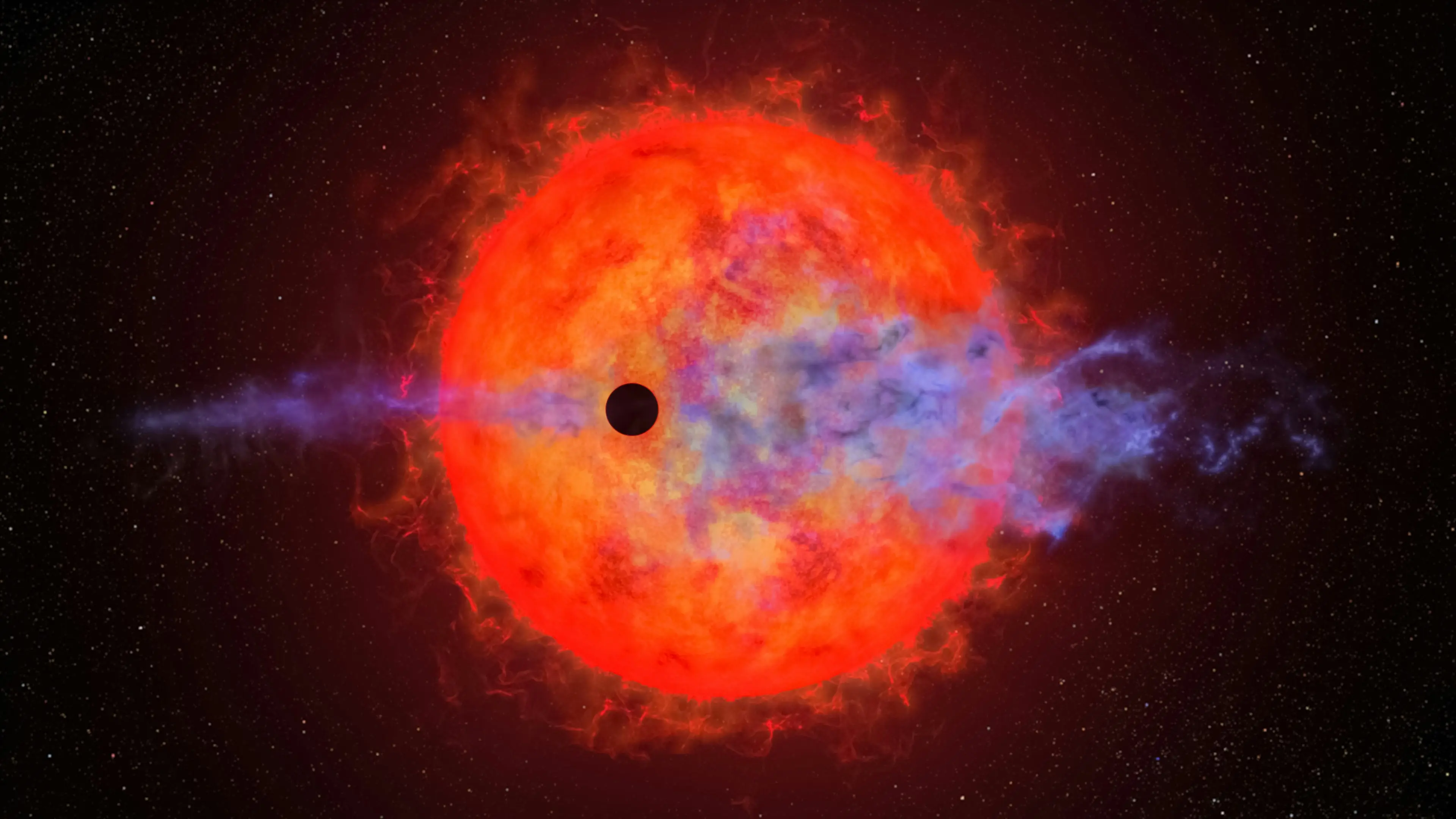
Our Sun will swallow Earth in 5 billion years
Scientists say that we will be thrown into our Sun way before a black hole could swallow us. As per data, the chances of Earth coming across a black hole before the Sun engulfs us in about 5 billion years are practically zero. We are in luck since the nearest known black hole is located 1,560 light-years away.
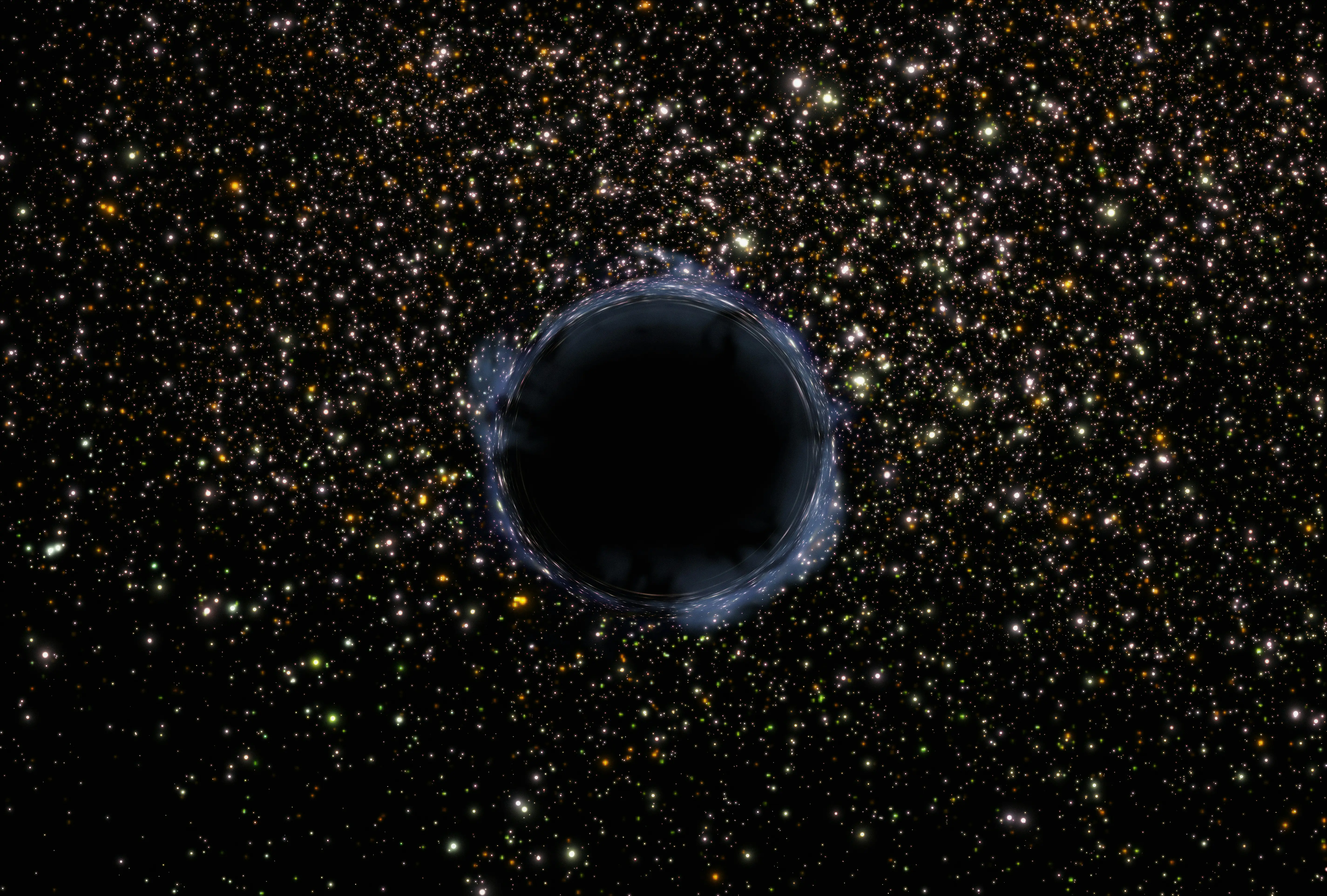
Nearest black hole to Earth is Gaia BH1
Gaia BH1 sits in the constellation Ophiuchus and was discovered in 2022 by the European Space Agency. It is a dormant, stellar-mass black hole with 10 times the mass of the Sun. Gaia BH1 orbits a Sun-like G-type main-sequence star. It's just too far to make Earth its meal.
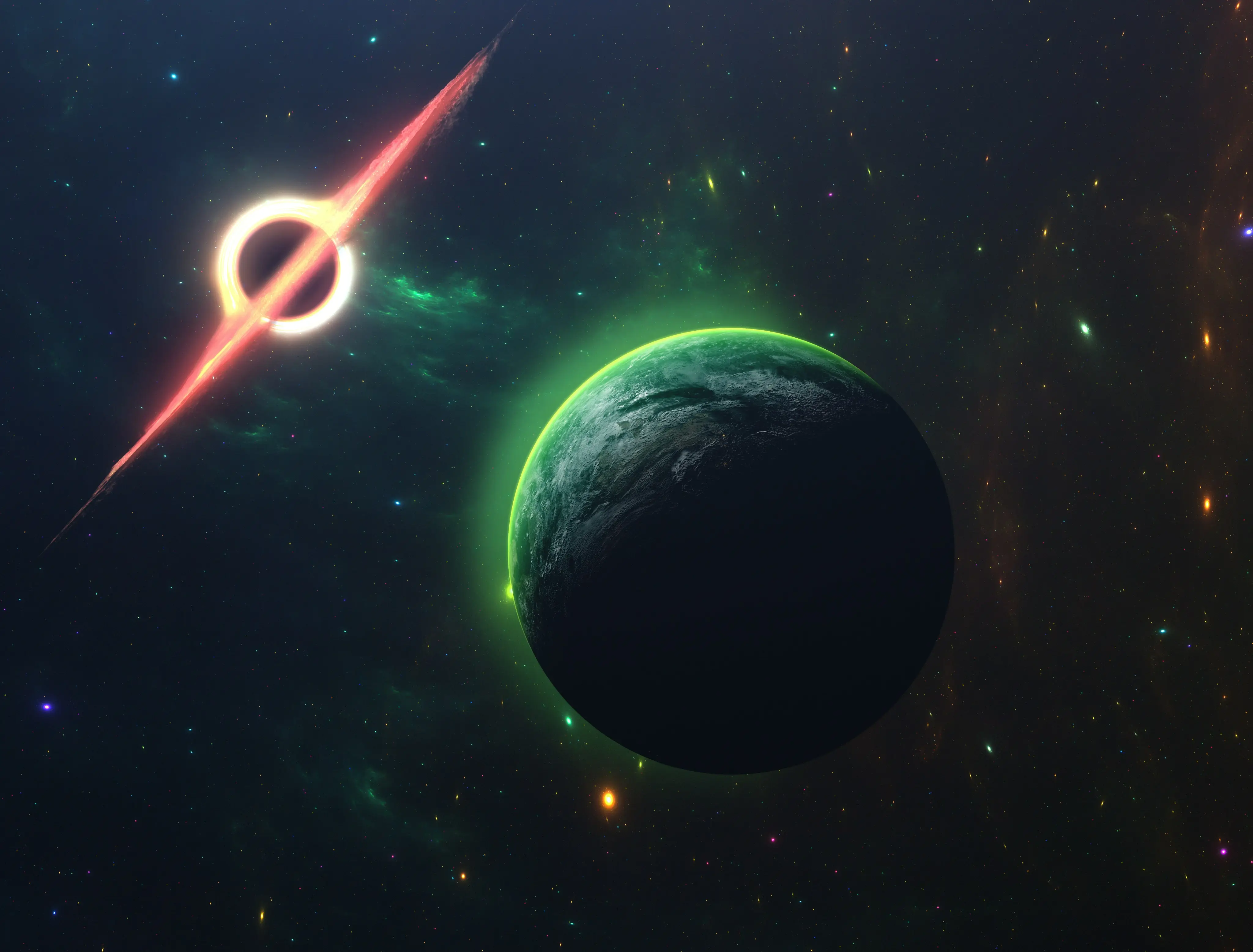
Supermassive black hole at the centre of Milky Way is 26,000 light-years from Earth
The supermassive black hole at the centre of the Milky Way is called Sagittarius A* and has a mass of about 4 million Suns. It is approximately 26,000 light-years from Earth. The first direct image of Sgr A* was captured by the Event Horizon Telescope in 2022 and revealed a glowing gas around its event horizon.

How close would Earth have to be to a black hole to be eaten by it?
However, even if Earth comes close to a black hole hypothetically, we won't be instantly sucked in by it. Suppose the black hole has the same mass as our Sun, then our planet will start orbiting it because of the gravitational pull. For a black hole to consume Earth, it would have to be at least 18,500 km from Earth’s centre. This is when spaghettification happens, the point where an object is shredded apart.
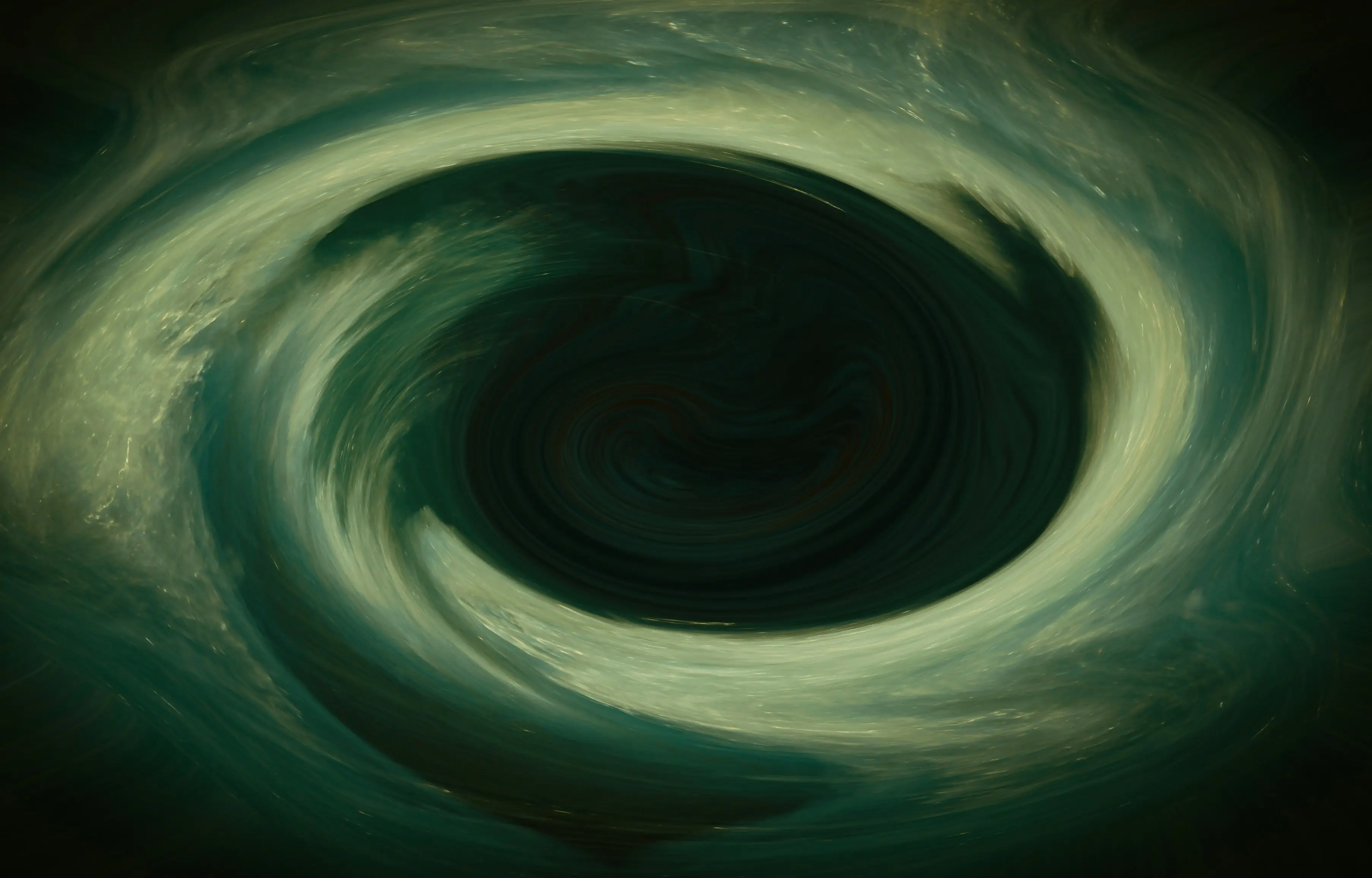
Will we know if a black hole is coming near Earth?
Scientists are not worried about a black hole swallowing us. In fact, long before that happens, our Sun would grow into a red giant, becoming humongous, and would gulp not only Mercury and Venus, but even Earth. In case a black hole is headed our way, there will be several signatures that will reveal its visit.
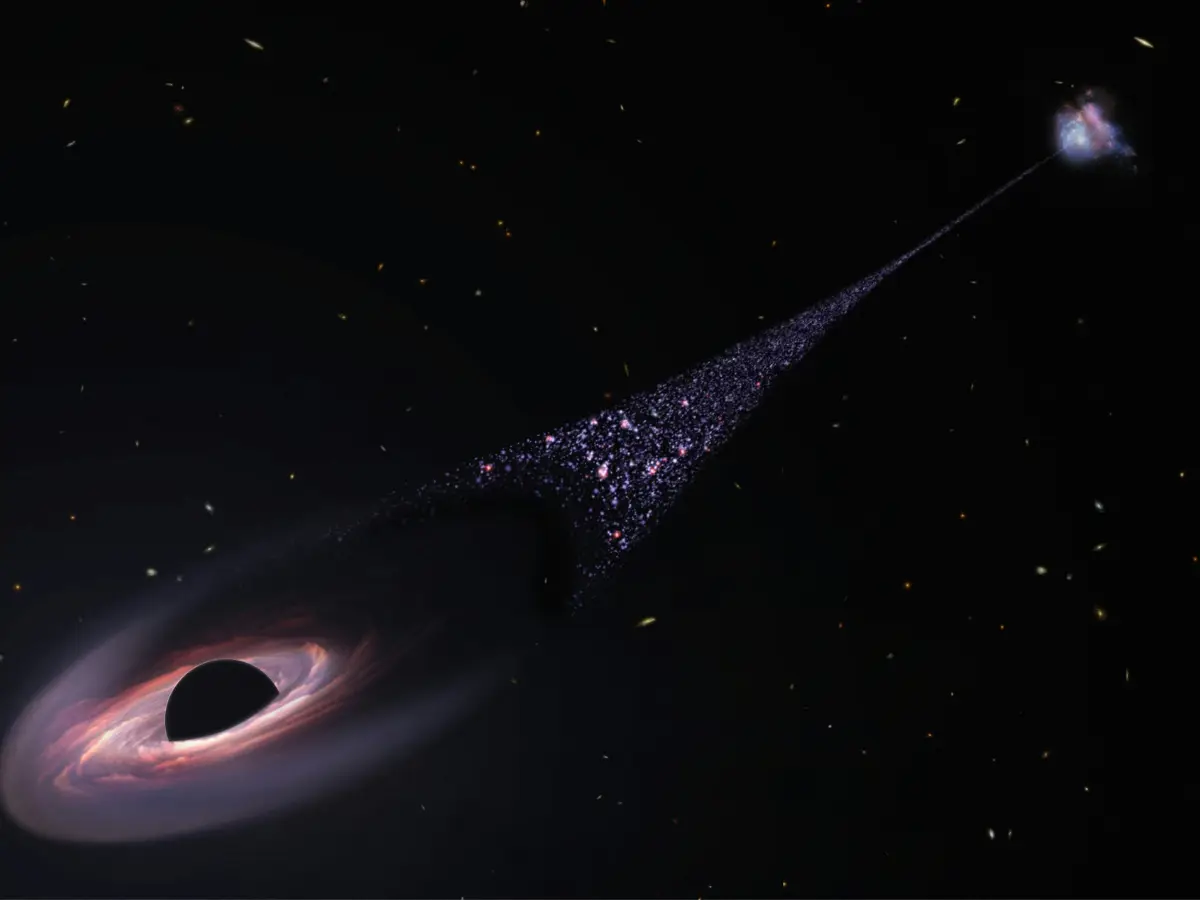
What would happen if a black hole does come near us?
In the event a black hole comes near us, Earth would be completely torn apart. The atmosphere would be instantly killed, and all the water from the oceans would vanish. Earth's mantle will leak into space. A superheated accretion disk emitting deadly radiation like X-rays and gamma rays will be formed. We will ultimately collapse into a singularity.
)
)
)
)
)