Could drones replace fighter jets in modern warfare?

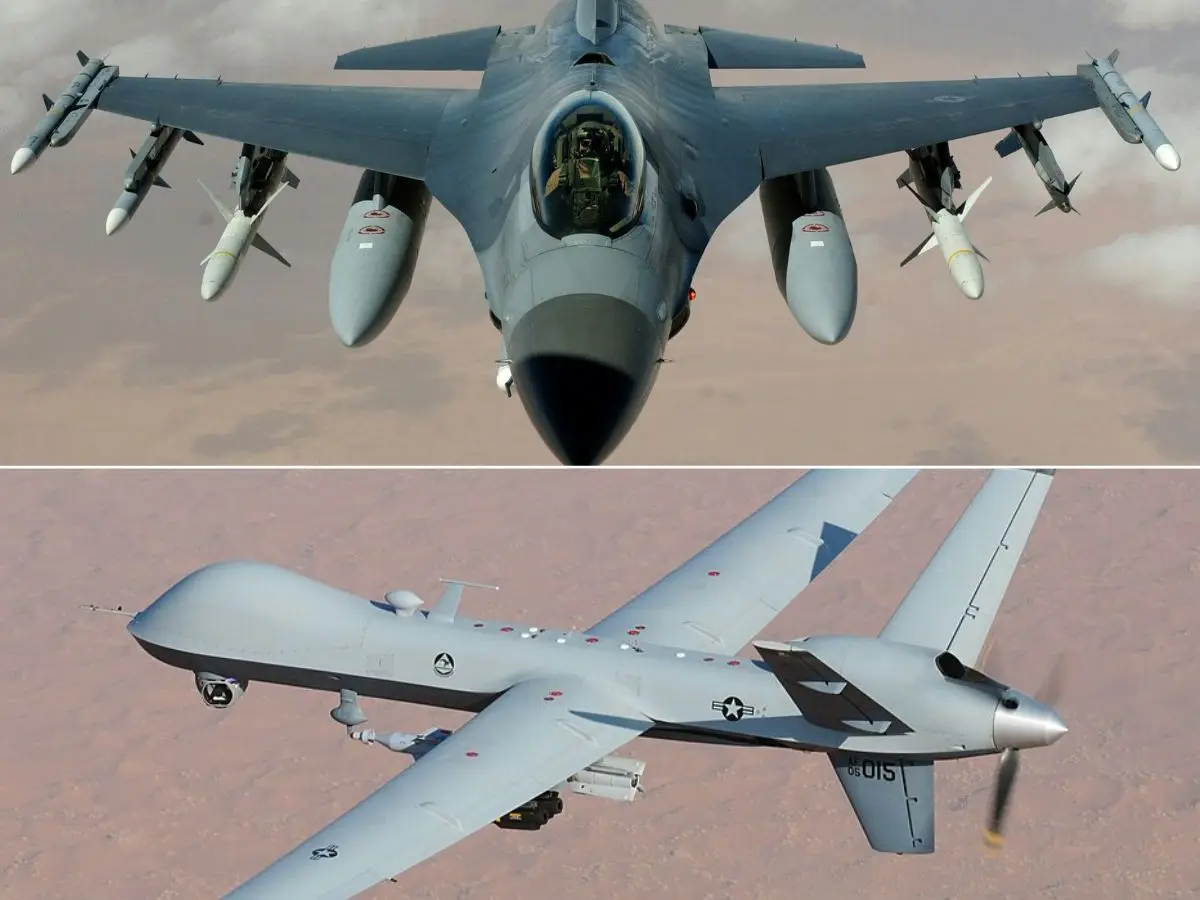
Modern fighter jets now offer air superiority, electronic warfare, and precision strikes while avoiding enemy radar. Yet recent conflicts have raised a new question: can drones and loitering munitions, cheaper and pilotless, truly replace these advanced fighters?
Introduction
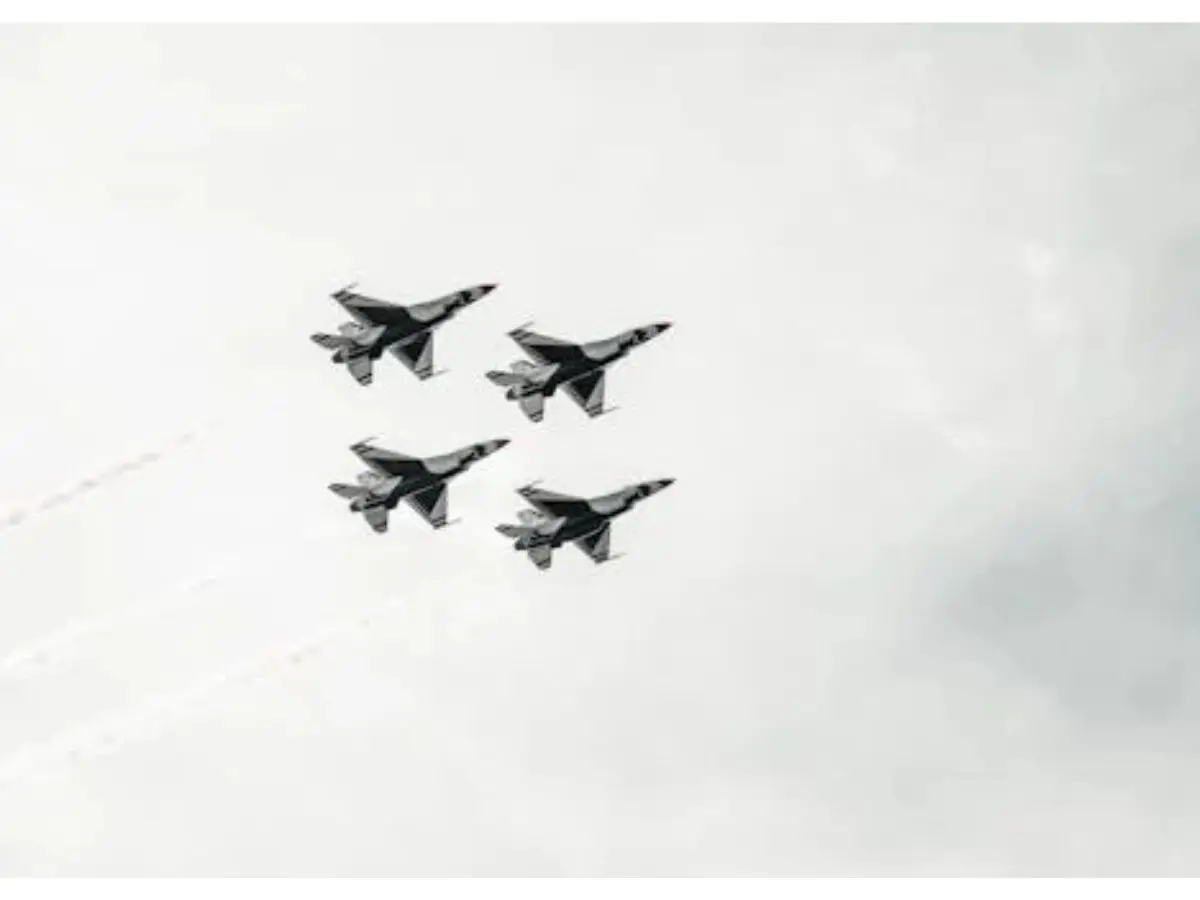
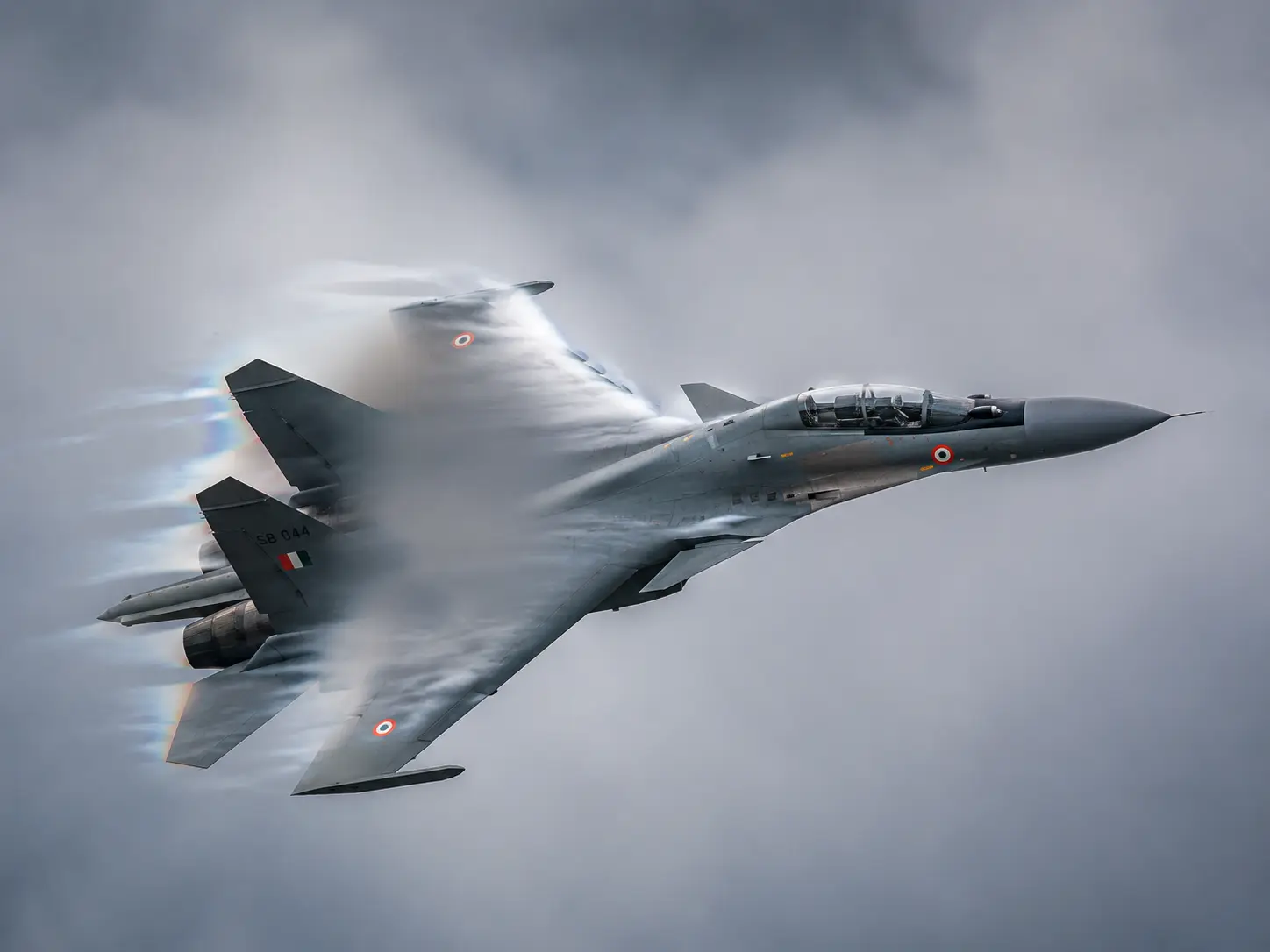
World War I was the first major conflict to see fighter aircraft used in combat. By the Second World War, Germany’s introduction of the Me 262A jet set the stage for the jet-powered fighters that have dominated aerial warfare ever since. Modern fighter jets now offer air superiority, electronic warfare, and precision strikes while avoiding enemy radar. Yet recent conflicts have raised a new question: can drones and loitering munitions, cheaper and pilotless, truly replace these advanced fighters? As militaries experiment with large fleets of UAVs alongside traditional jets, it becomes crucial to examine the economics, capabilities and strategic trade-offs of this shift in air combat.
Cost gap and expendability
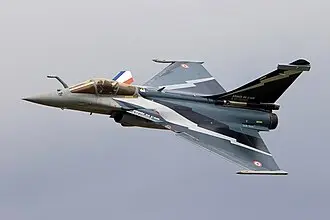
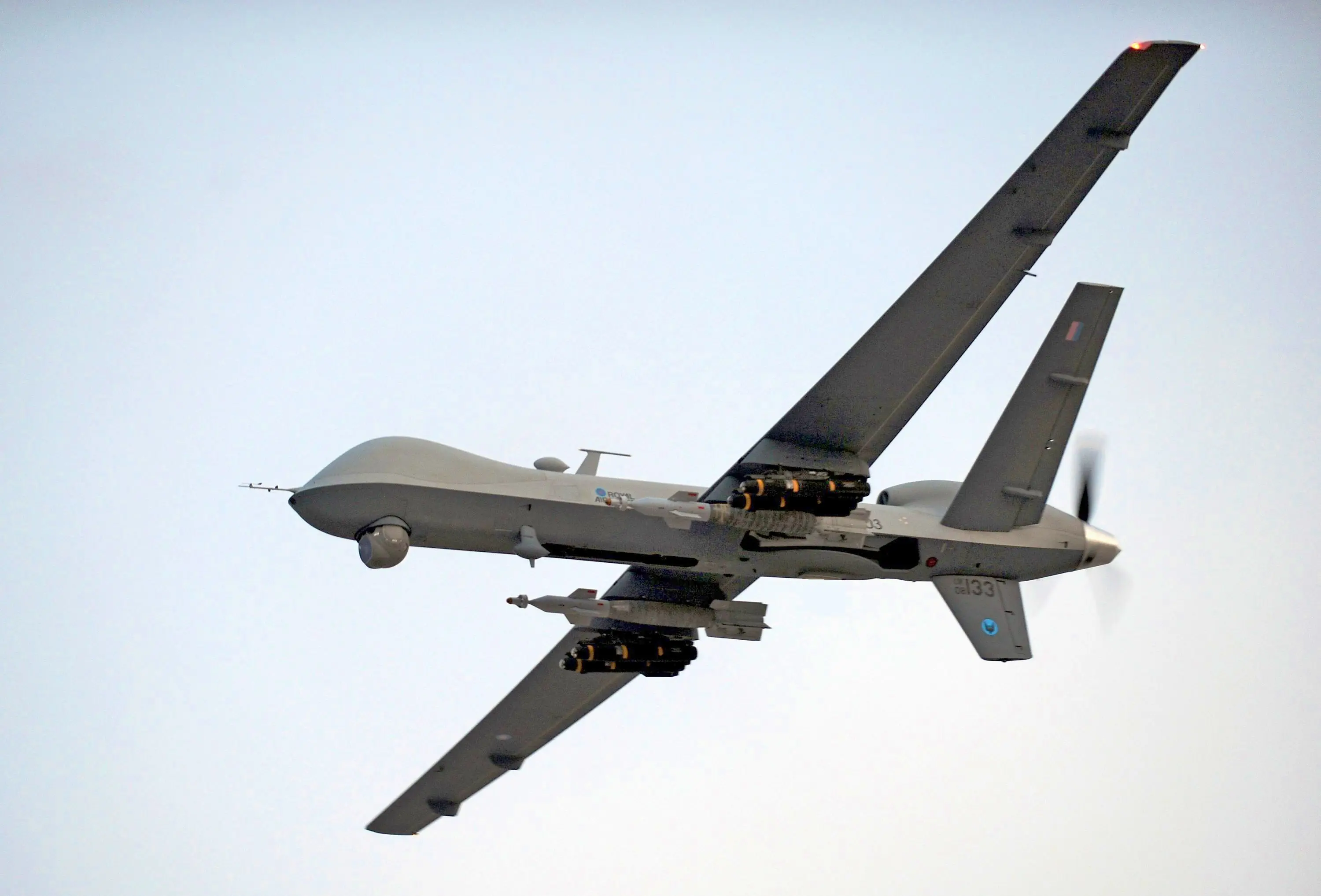
A single Rafale fighter costs around $285 million. By contrast, India’s Elbit SkyStriker loitering munition costs about $105,000 per unit. Even advanced UAVs like the MQ-9B cost far less than a modern fighter. Militaries find it easier to risk or lose these cheaper systems. However, many loitering munitions are single-use, which limits long-term cost benefits. Armed drones are challenging the dominance of manned fighter jets, and nations are investing billions to explore whether unmanned systems can replace or complement traditional air fleets.
Operational limitations and vulnerabilities
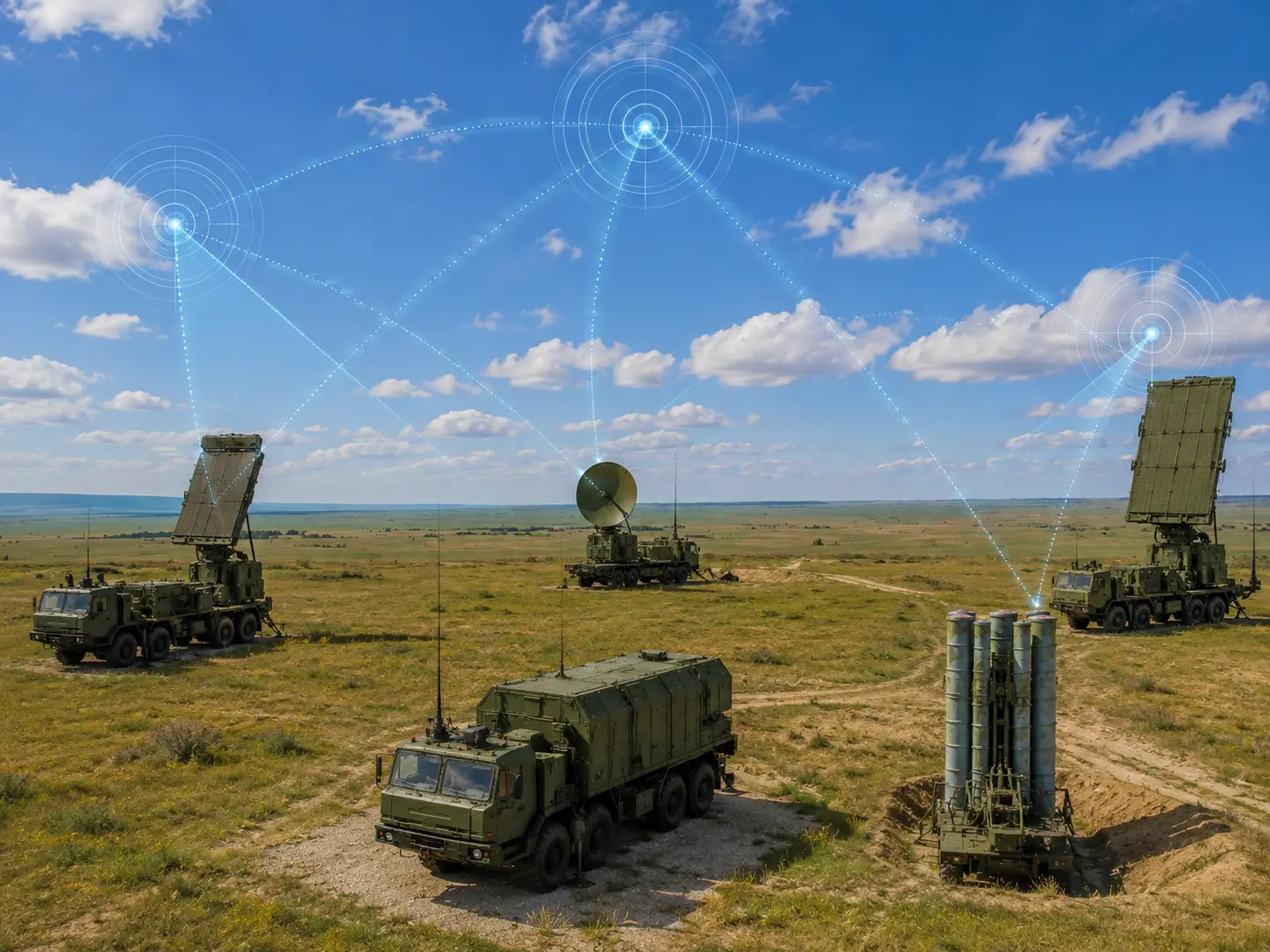
Uncrewed systems reduce risk to pilots and allow riskier missions, but rely heavily on remote control links that can be jammed or intercepted. Fully autonomous drones are being developed but remain limited in complex combat scenarios. Current UAVs also struggle with speed, payload and survivability against advanced air defences.
Comparing capabilities
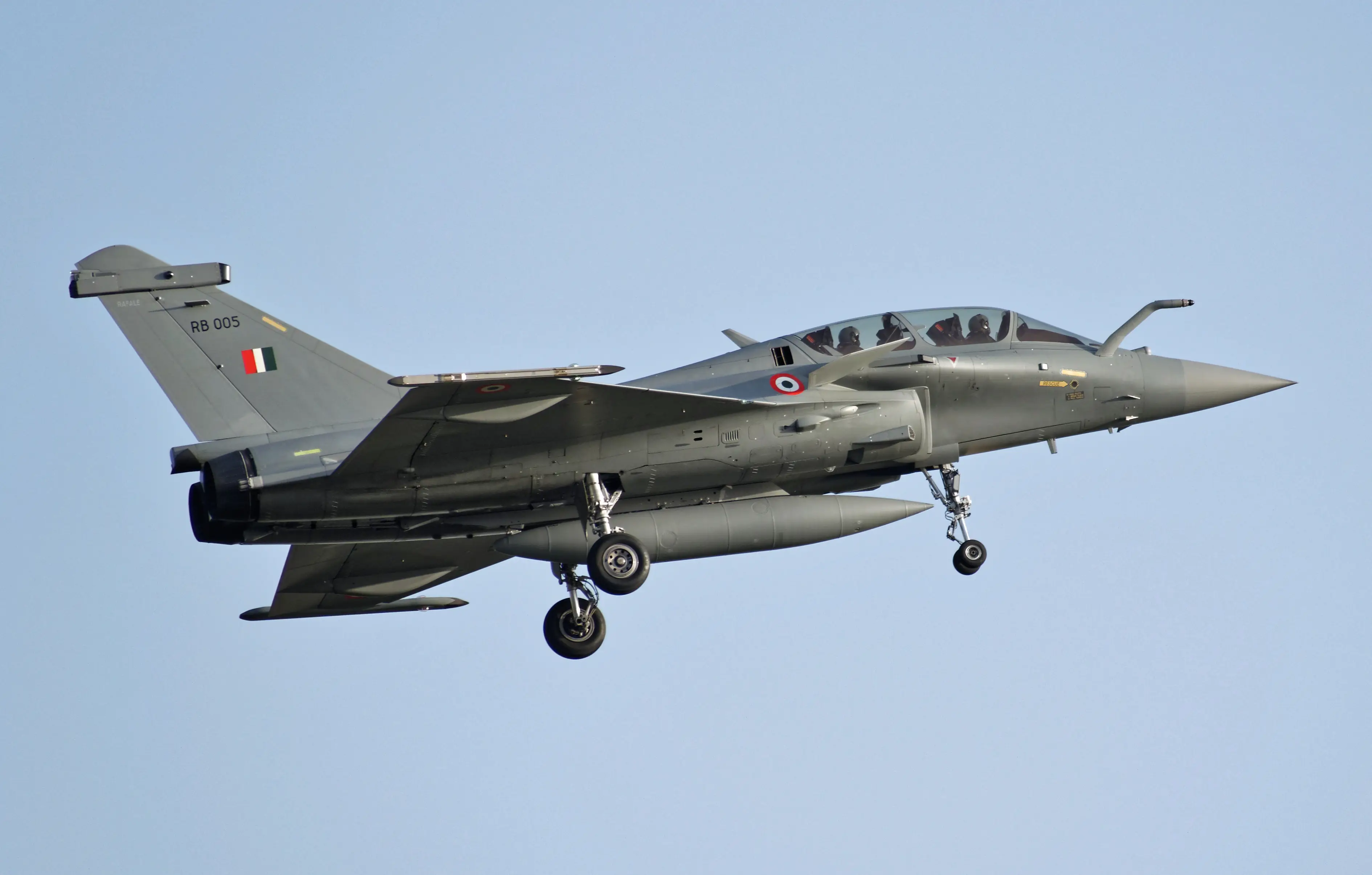
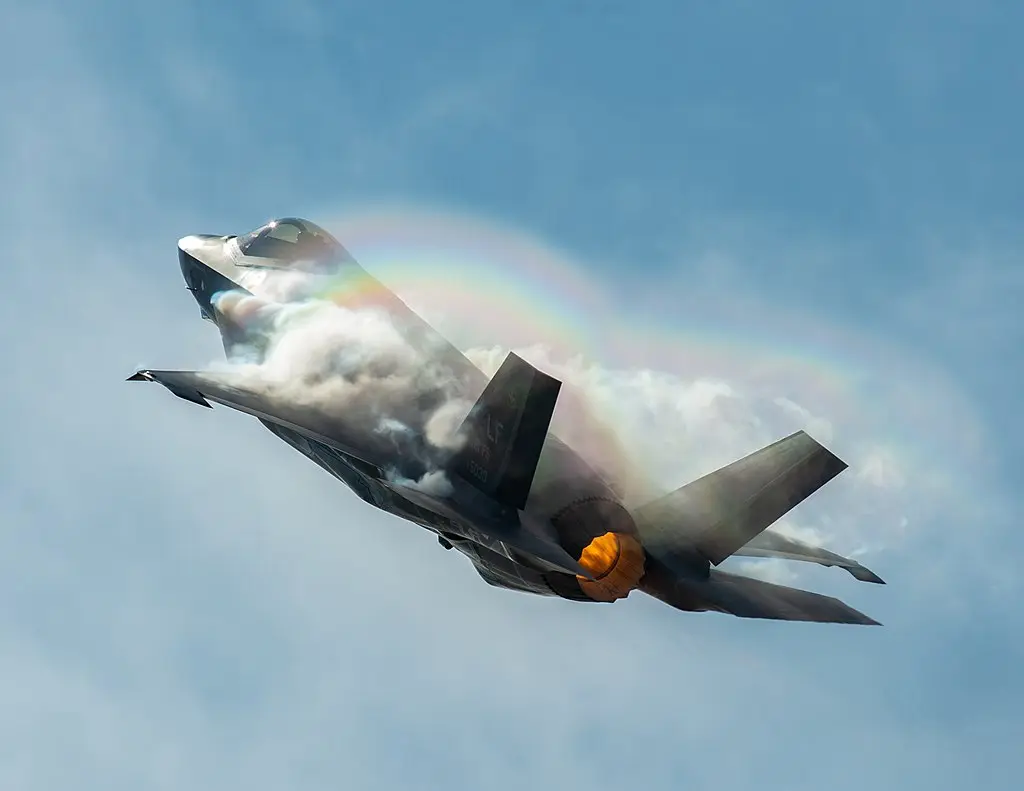
Traditional fighters like the Rafale carry external payloads up to 9,500 kg and fly at speeds of Mach 1.8 (Rafale). In contrast, the Israeli Harop loitering munition, used by India, carries a 23 kg warhead and reaches 417 km/h. Even advanced armed drones carry significantly smaller payloads and cannot match a fighter’s speed or manoeuvrability. Additionally, drones lack situational awareness, relying heavily on communication links that can be jammed or hacked. Manned jets can adapt instantly to complex scenarios, something drones cannot yet match.
Drones in recent conflicts
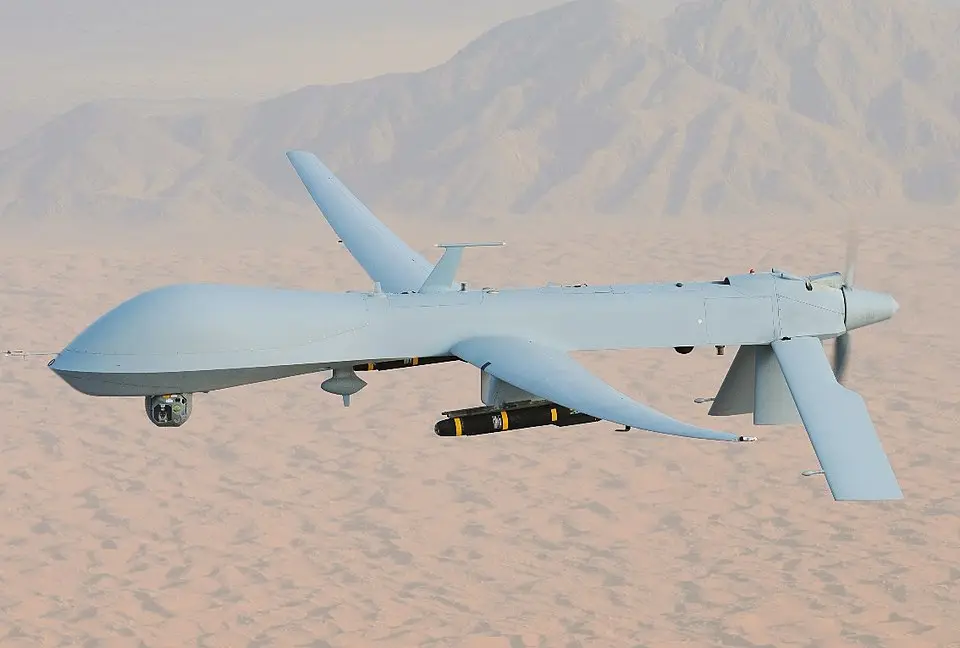
In the 2019 India–Pakistan air clashes, UAVs and loitering munitions supported missions alongside manned fighters. Drones have proven effective for surveillance, precision strikes and suppressing enemy air defences. Medium Altitude Long Endurance (MALE) UAVs like Israel’s Heron TP stay airborne longer than most fighters, enhancing reconnaissance. Fighter jets like the F-22 Raptor reach speeds over 2,400 km/h, with stealth features to evade radar (US Air Force, 2022). Most drones are slower and less stealthy, limiting their use against advanced adversaries equipped with sophisticated air defence systems.
Strategic trade-offs
While fighters can perform multi-role missions, drones offer affordability and quantity. However, larger drone fleets require more trained remote operators, partly offsetting cost savings. Civilian harm from misidentification also remains a risk with autonomous targeting. Combat decisions often require ethical and tactical judgement, and AI cannot yet replicate pilot intuition in chaotic combat.
Future of air combat
Drones are unlikely to fully replace manned fighters soon. The likely path is integration rather than replacement: future warfare will probably combine manned and uncrewed systems, collaborative combat aircraft working alongside traditional jets. India, like others, faces a key decision: invest in local UAV production to keep pace with evolving military technology.
)
)
)
)
)