Could Clay Higgins be named in Epstein files?

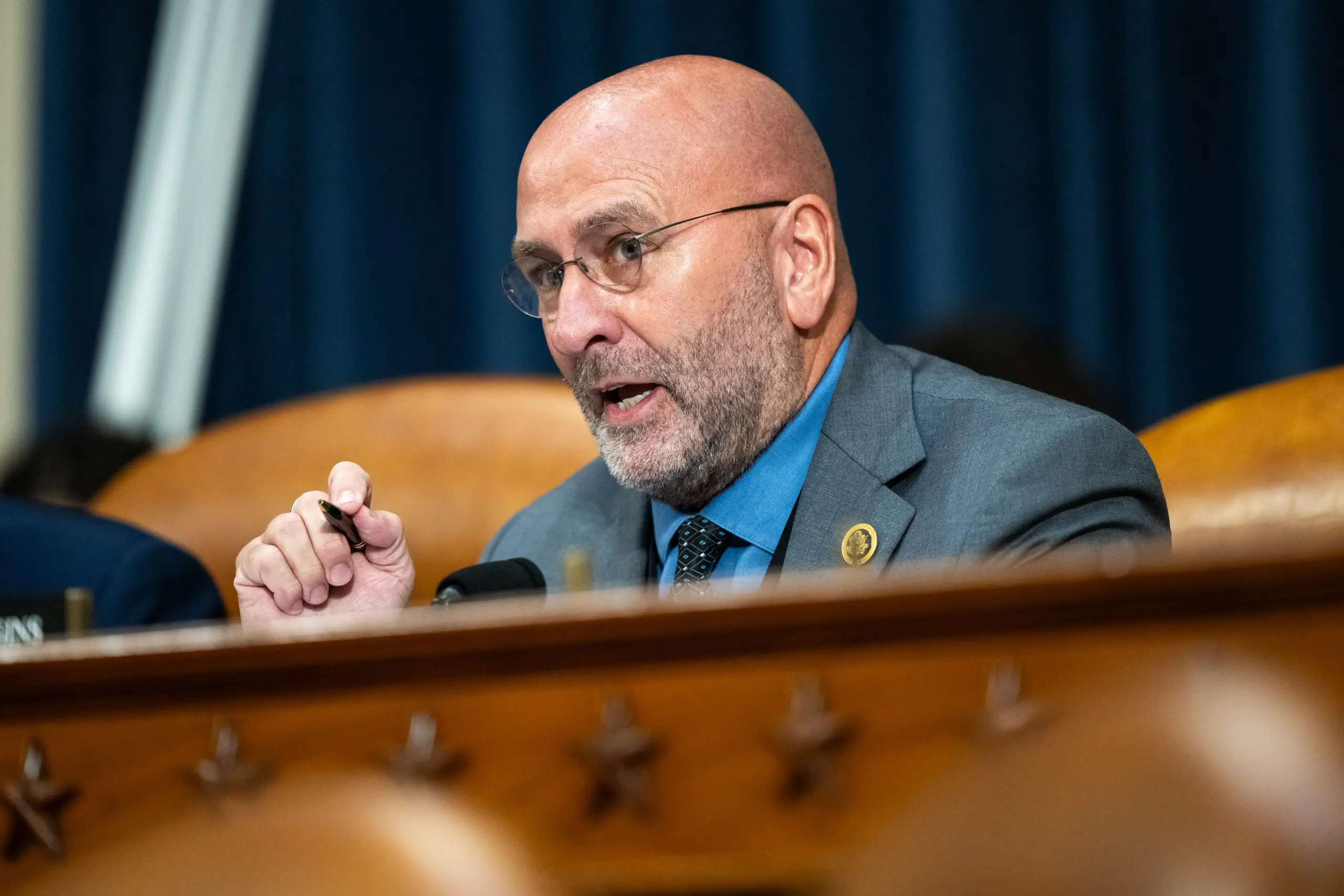
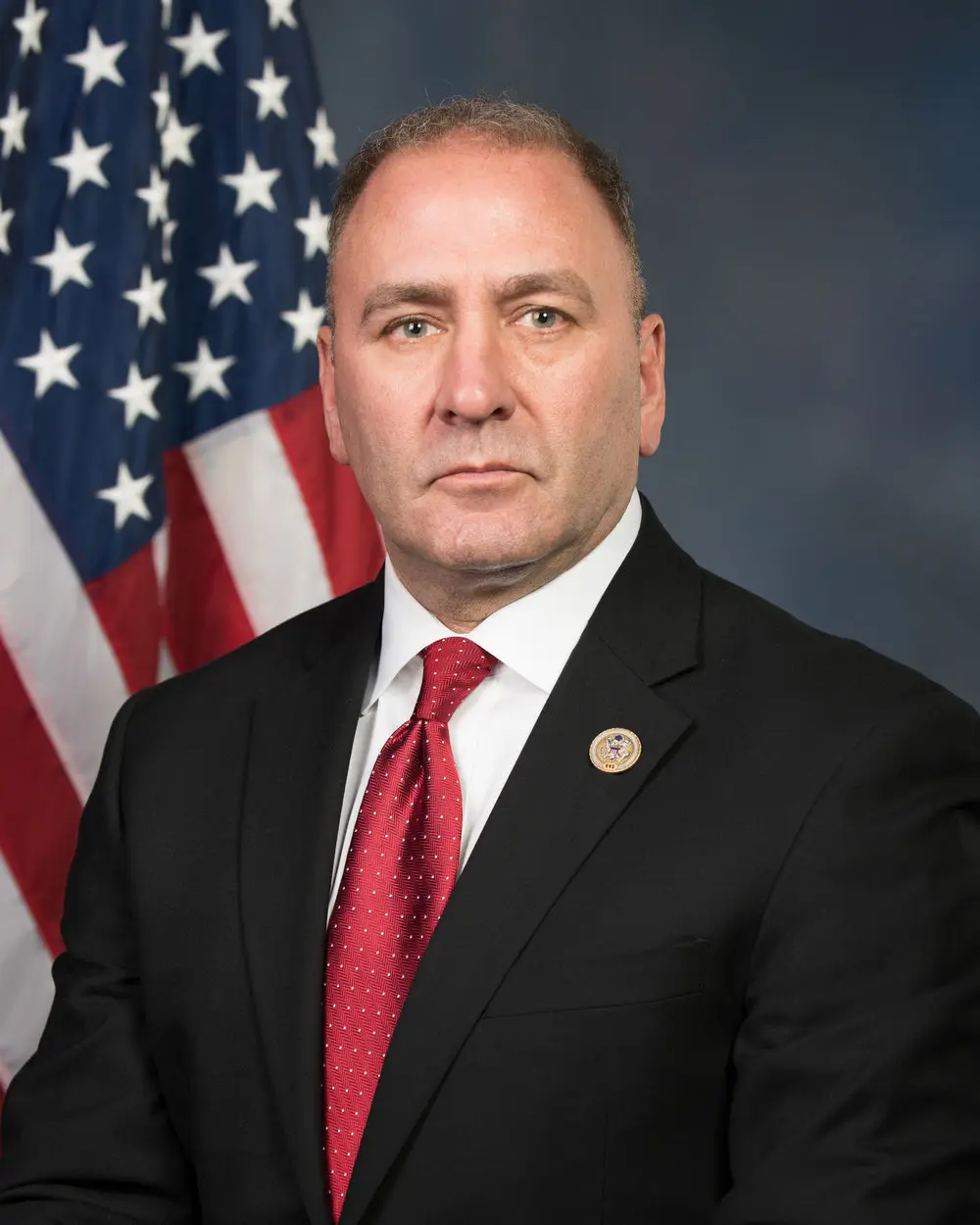
Clay Higgins became the center of national attention after he cast the lone “No” vote against releasing the Jeffrey Epstein files. His decision sparked speculation, online theories, and viral claims suggesting he might be named in the documents.
1. Who Is Clay Higgins?
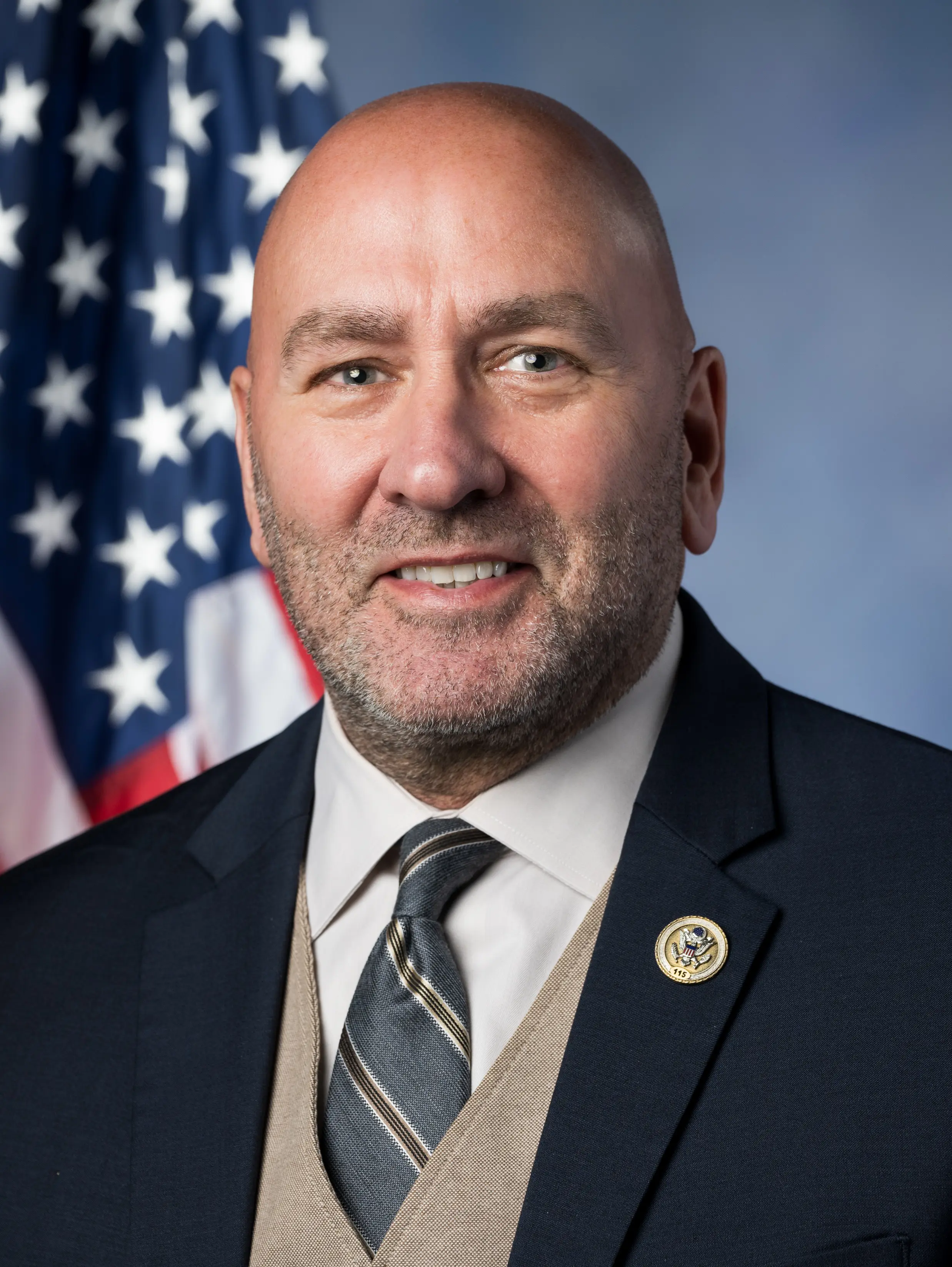
Clay Higgins is a Republican Congressman representing Louisiana’s 3rd District, known for his outspoken, hardline law-and-order persona. Before Congress, he served in law enforcement and later became a viral figure through “Crime Stoppers” videos. His political brand emphasises toughness, constitutional rhetoric, and a populist distrust of federal institutions.
2. What Was the Epstein Files Vote About?
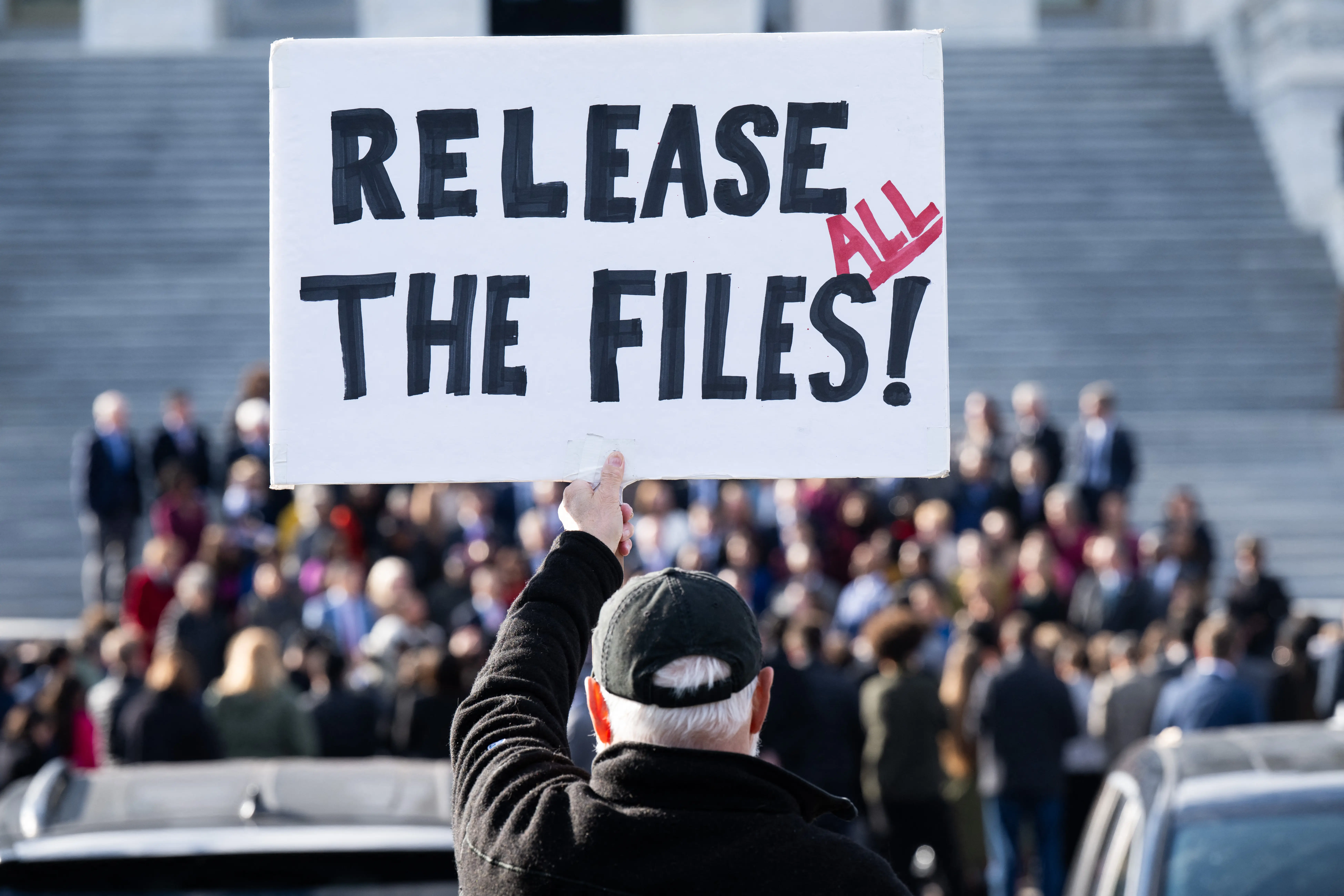
The House voted on a bill requiring federal agencies, including the FBI to publicly release all non-classified documents related to Jeffrey Epstein, his network, and his criminal activities. The goal was to increase transparency around a case viewed as having far-reaching implications. The vote passed overwhelmingly, with bipartisan agreement.
3. Why Did Clay Higgins Vote No?
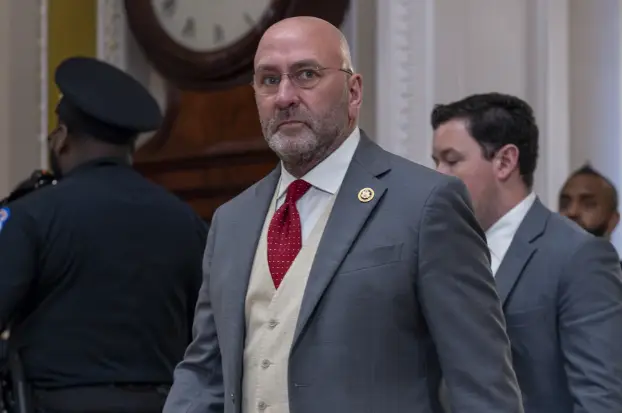
Higgins said he voted against the bill because he believes releasing the files could compromise sensitive law-enforcement information. He argued that unredacted disclosures might expose victims, ongoing investigations, undercover officers, or operational details. According to Higgins, the release must be handled “in a controlled way,” not through what he called a broad, sweeping mandate.
4. Was Clay Higgins Named in Any Epstein Documents?
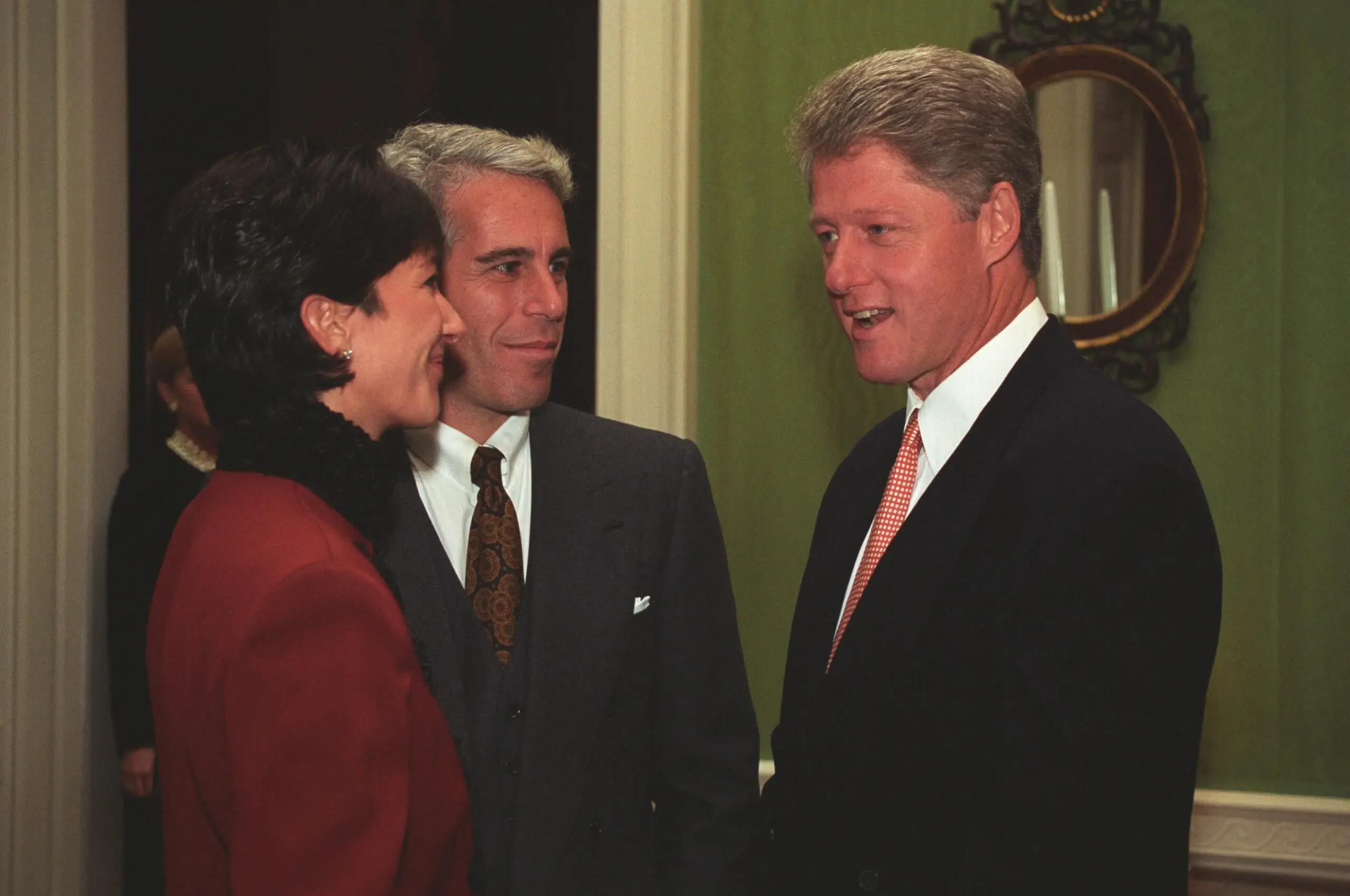
There is no evidence that Higgins is named in any Epstein-related files, court records, or flight logs. No credible report, law-enforcement statement, or legal filing links him to Epstein. The speculation comes entirely from the fact that he was the only lawmaker who voted “no,” which created an online narrative, but there is zero factual basis connecting him personally to the case.
5. Why Did His Vote Spark Speculation?
Because the vote was 427–1, Higgins immediately became the outlier. Social media users misinterpreted his dissent as suspicious or self-protective. Viral posts suggested, without evidence, that he must have something to hide. In reality, Higgins has a long history of voting against bills when he feels they expand federal authority or endanger security protocols—even if the broader public supports them.
6. What Did Higgins Say After the Backlash?
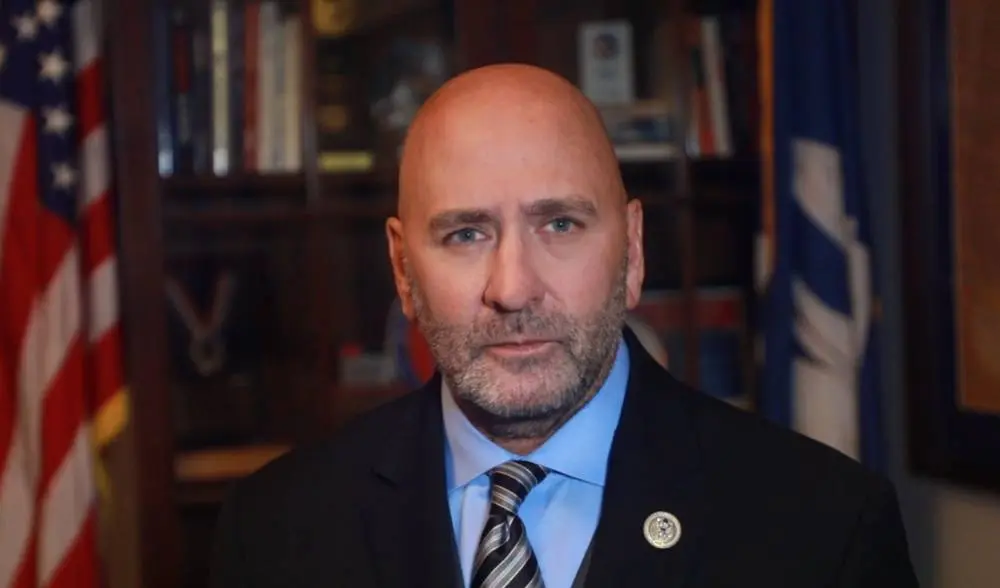
Higgins posted a detailed explanation claiming his decision was based solely on protecting law-enforcement processes. He denied any connection to Epstein and criticised the online reaction as “uninformed.” He said he supports “targeted transparency” but not mass releases that, in his view, risk exposing victims or compromising operations.

7. When Will the Epstein Files Actually Be Released?
After passing the House, the bill moves to the Senate, where it is expected to be reviewed and voted on. If approved, agencies will have a fixed timeline to release the documents, with redactions only where necessary to protect minors, victims, or ongoing investigations. None of these processes involve individual lawmakers’ names unless already present in official records.
8. Could Higgins Face Any Inquiry?
There is no indication of any investigation into Higgins related to Epstein. Casting a dissenting vote does not trigger a probe or imply wrongdoing. Unless evidence emerges, which currently does not exist, Higgins faces no legal or congressional scrutiny. His vote remains a political and procedural decision, not a personal implication.
)
)
)
)
)