Could Ali Larijani be Iran’s next supreme leader? How the ex‑IRGC figure emerged in succession race after Khamenei’s death

A former IRGC commander and long-time establishment figure, Ali Larijani has re-entered the core of decision-making at a moment when military, diplomatic and constitutional processes are unfolding simultaneously.
Leadership void in Iran
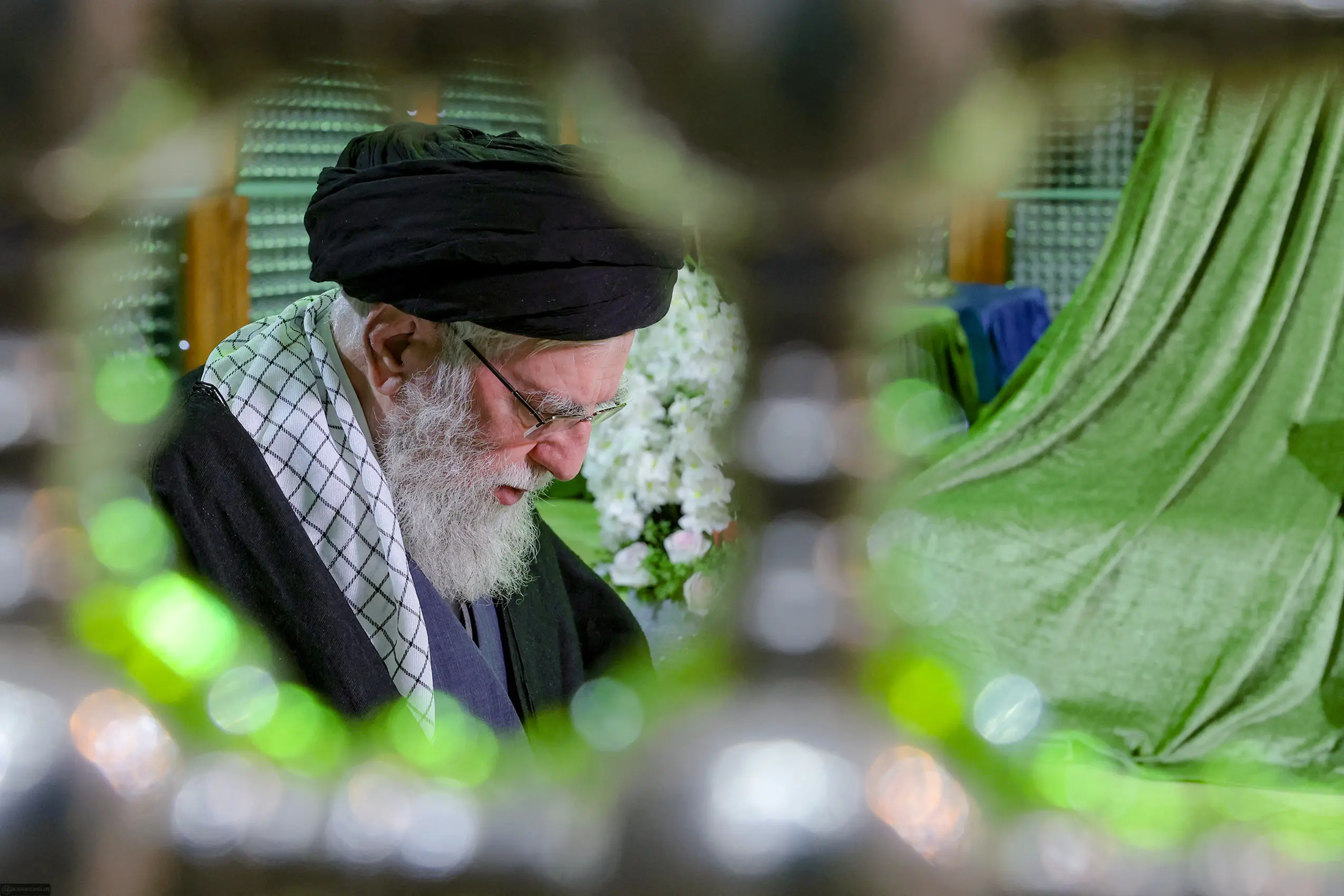
The killing of Ayatollah Ali Khamenei in joint US–Israeli strikes has triggered the most significant leadership crisis in Iran since 1989 and reshaped the country’s political landscape. Among the first senior officials to step forward was Ali Larijani, Secretary of the Supreme National Security Council (SNSC), the body that coordinates Iran’s defence, nuclear and regional security strategy. A former IRGC commander and long-time establishment figure, he has re-entered the core of decision-making at a moment when military, diplomatic and constitutional processes are unfolding simultaneously.
A central figure after Khamenei’s killing
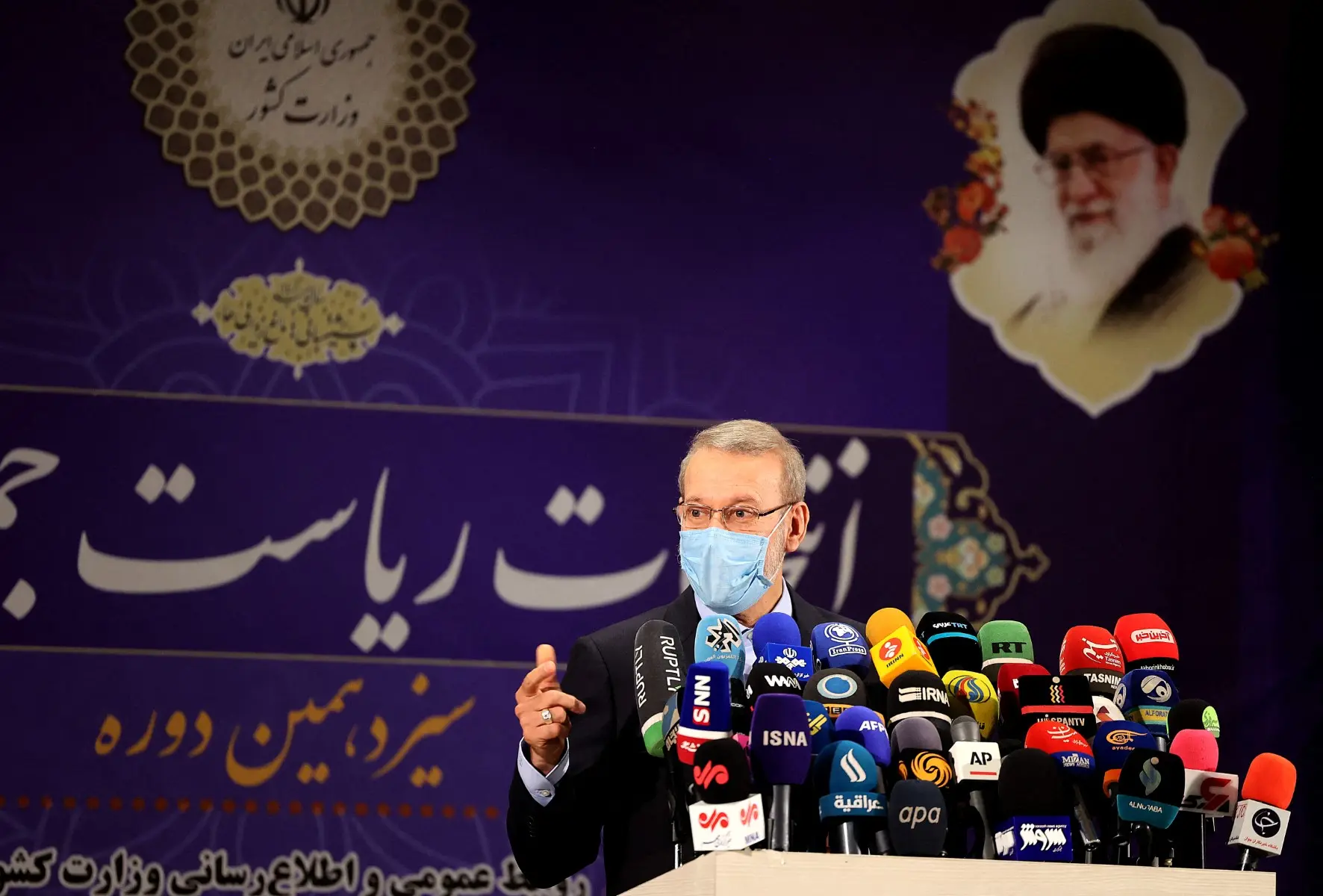
Ali Larijani has moved swiftly to the forefront of Iran’s political structure following the killing of Supreme Leader Ayatollah Ali Khamenei in joint US–Israeli strikes. Iranian state media reported that Larijani, in his capacity as Secretary of the Supreme National Security Council (SNSC), announced the formation of an interim leadership body to manage state affairs during the transition. His reappearance at the centre of crisis coordination follows months in which he had already resumed oversight of key security and diplomatic portfolios, including nuclear negotiations and regional policy.
Revolutionary Guard background and clerical roots
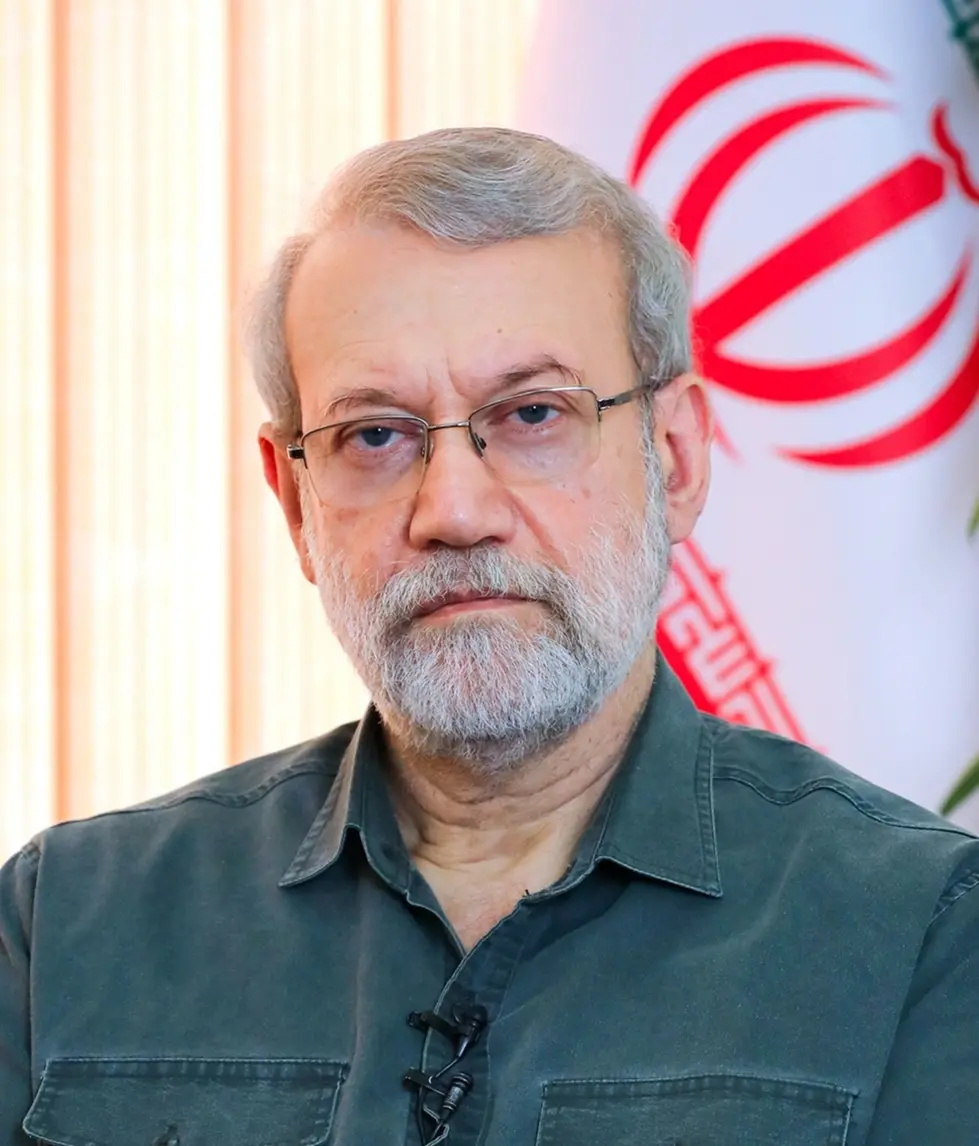
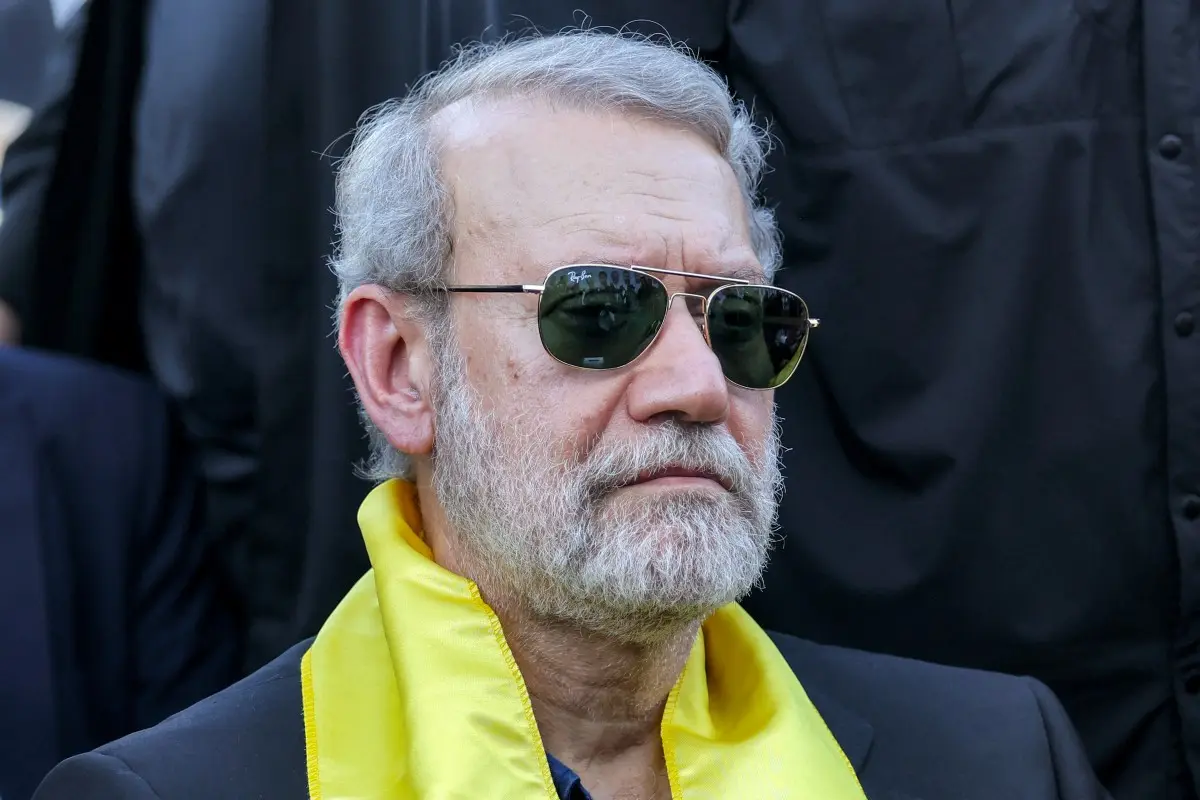
Larijani is a former commander in the Islamic Revolutionary Guard Corps (IRGC) and comes from a prominent clerical family in Iran. Over four decades, he has held several senior posts, including head of state broadcasting, chief nuclear negotiator and Speaker of Parliament. His career has unfolded largely within the upper tiers of the Islamic Republic’s institutional framework.
Role in nuclear diplomacy
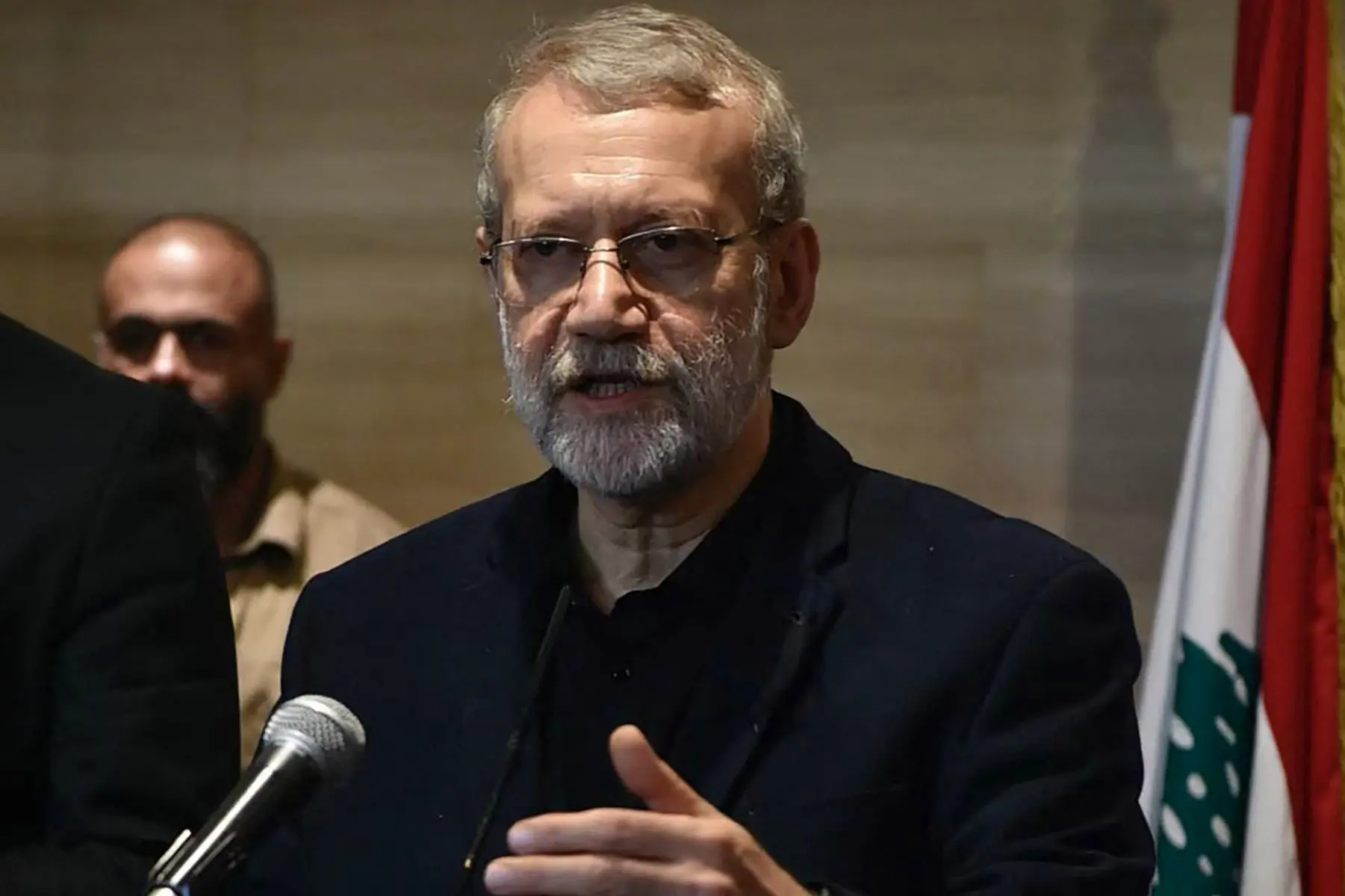
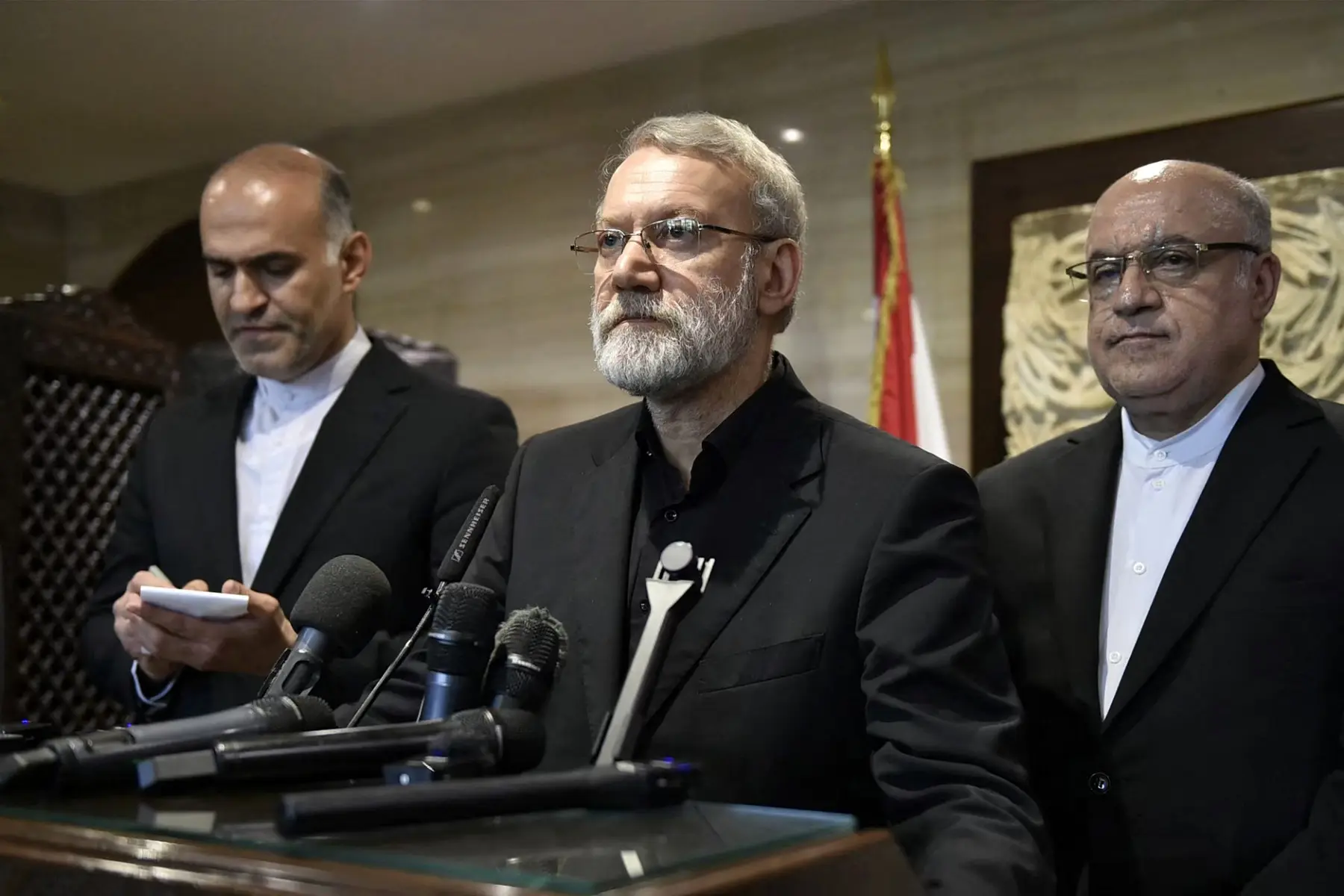
He has overseen a wide portfolio spanning nuclear negotiations, Tehran’s regional alliances and the state’s response to internal unrest. Nearly 24 hours after the wave of US–Israeli strikes began, Larijani accused Washington and Tel Aviv of seeking to “plunder and disintegrate” Iran and warned that any action by “secessionist groups” would meet a harsh response, according to state television.
Secretary of the Supreme National Security Council
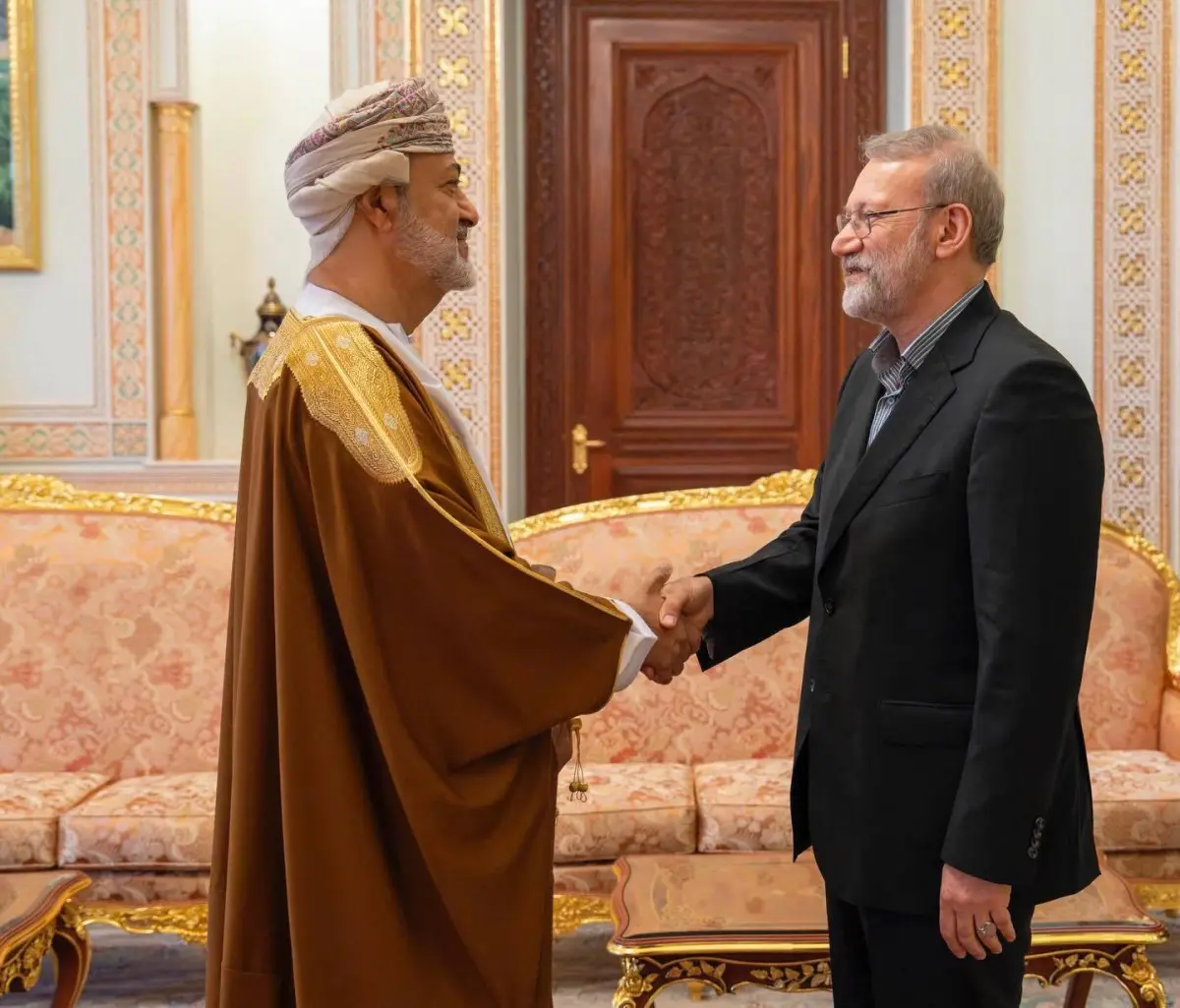
Appointed Secretary of the Supreme National Security Council in August, Larijani formally returned to the body that coordinates Iran’s defence, nuclear and regional strategy. The council functions as the country’s highest security decision-making forum, bringing together senior civilian and military officials. After Khamenei’s death, Larijani said an interim leadership council would be formed “as soon as possible” to manage governance until a successor is selected. His standing as a trusted Khamenei strategist was reinforced by a recent visit to Oman to prepare for indirect nuclear talks with the United States, at a time when Washington was increasing its military presence in the Middle East ahead of the strikes.
Pragmatic tone
Some of his public statements on the nuclear issue struck a pragmatic tone. Last month, in remarks to Oman state television, he had stated: “In my view, this issue is resolvable,” adding, “If the Americans’ concern is that Iran should not move toward acquiring a nuclear weapon, that can be addressed.”
Position in succession discussions
Under Iran’s constitution, the Assembly of Experts selects the supreme leader. While the post traditionally requires senior clerical standing, Larijani’s proximity to the security apparatus and his institutional experience have led to his inclusion in discussions surrounding the country’s leadership transition.
)
)
)
)
)