Cough syrup deaths in India: What's making some of these medicines dangerous?

The reported deaths over contaminated cough syrups in Rajasthan and Madhya Pradesh have led to a wider debate about giving them to kids. The government has asked not to administer them to kids under the age of 5. What you should know about cough syrups and the problems around them.
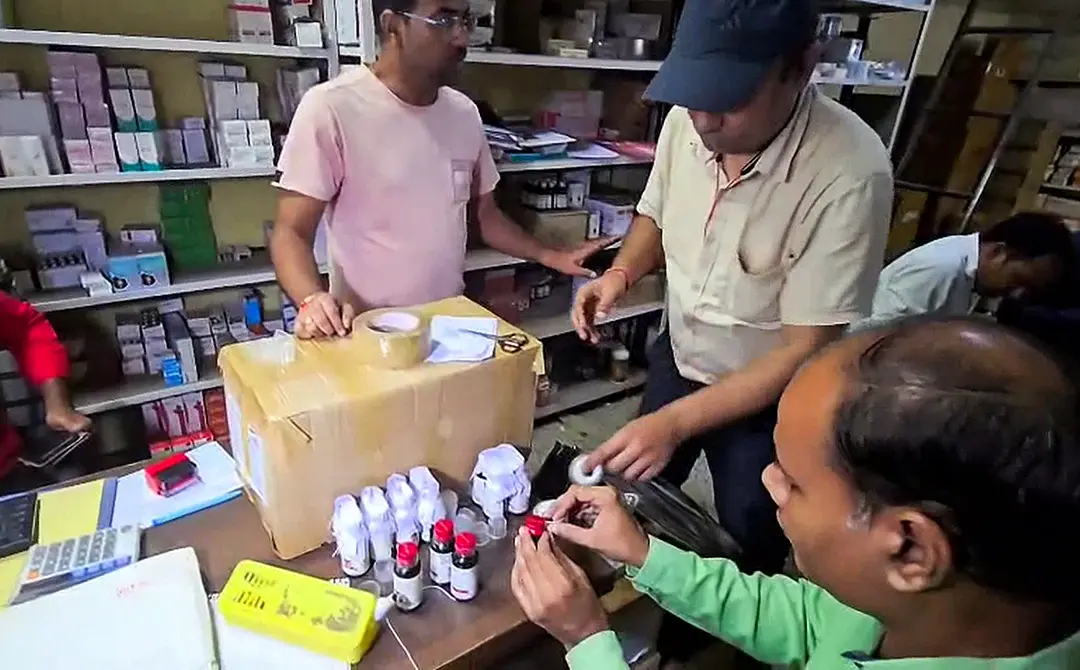
Row over cold syrups triggers debate on their safety
The death of 10 children in Madhya Pradesh, allegedly after being given 'Coldrif' cough syrup, has triggered debate about the safety of these medicines. The Union Health Ministry has issued an advisory, stating that cough and cold medications should not be prescribed or given to children below the age of two. The Madhya Pradesh government has issued a directive to all drug inspectors, banning the sale and distribution of 'Coldrif' syrup and all other medicines manufactured by Sresan Pharmaceuticals.
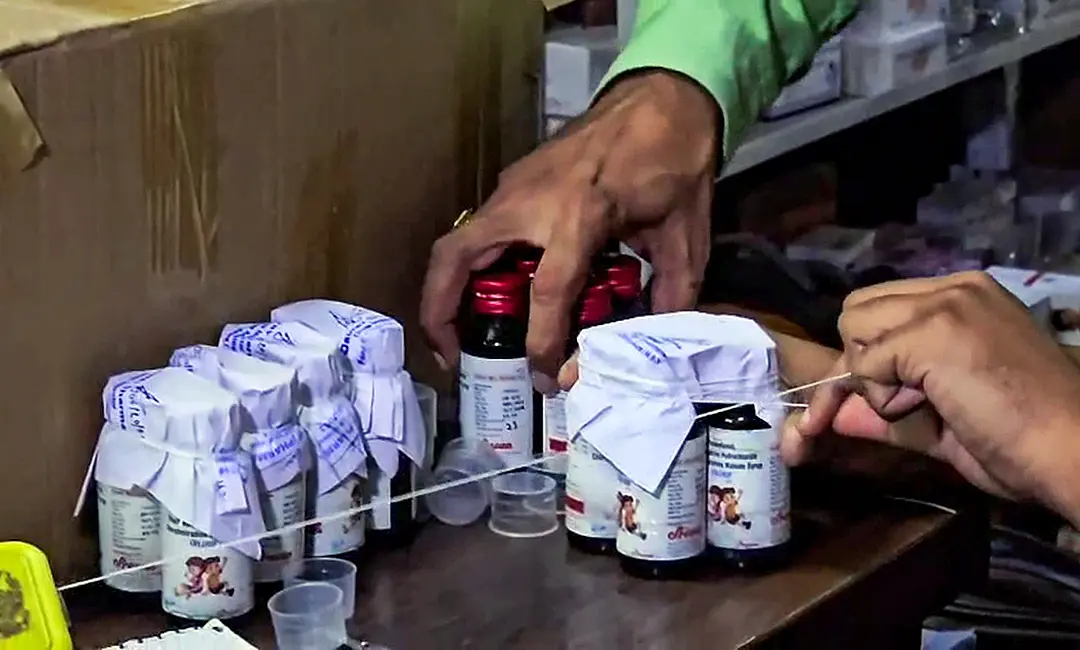
10 children died in Madhya Pradesh, two in Rajasthan
Meanwhile, in Rajasthan, two children died and several fell ill, reportedly due to the consumption of cough syrups distributed under the Chief Minister’s Free Medicine Scheme. Rajasthan Medical Services Corporation Limited tested 10 thousand 119 samples of Kayson Pharma’s medicines, and found that 42 did not meet the quality standards.
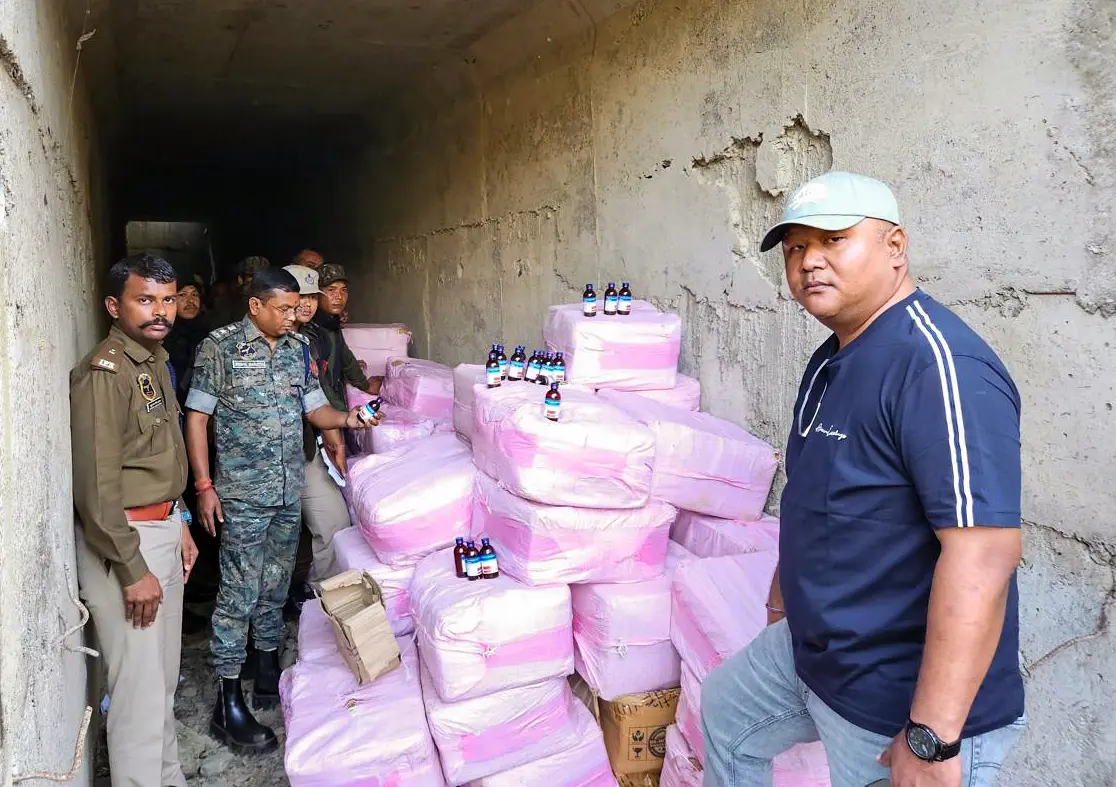
Diethylene glycol (DEG) found in cough syrups beyond permissible limits
The Health Ministry said samples of Coldrif Cough Syrup, manufactured by Sresan Pharma in the southern state of Tamil Nadu, were found to contain diethylene glycol (DEG) exceeding permissible limits. "The samples are found to contain DEG beyond the permissible limit," the ministry said in a statement.
What is diethylene glycol (DEG)?
All cough syrups contain solvents that bind the ingredients together. However, only pharmaceutical-grade solvents like Glycerol and PEG, i.e. Propylene Glycol, should be used in these syrups, according to medical experts. However, the problem arises when companies fraudulently start using Diethylene Glycol to increase profit margins.
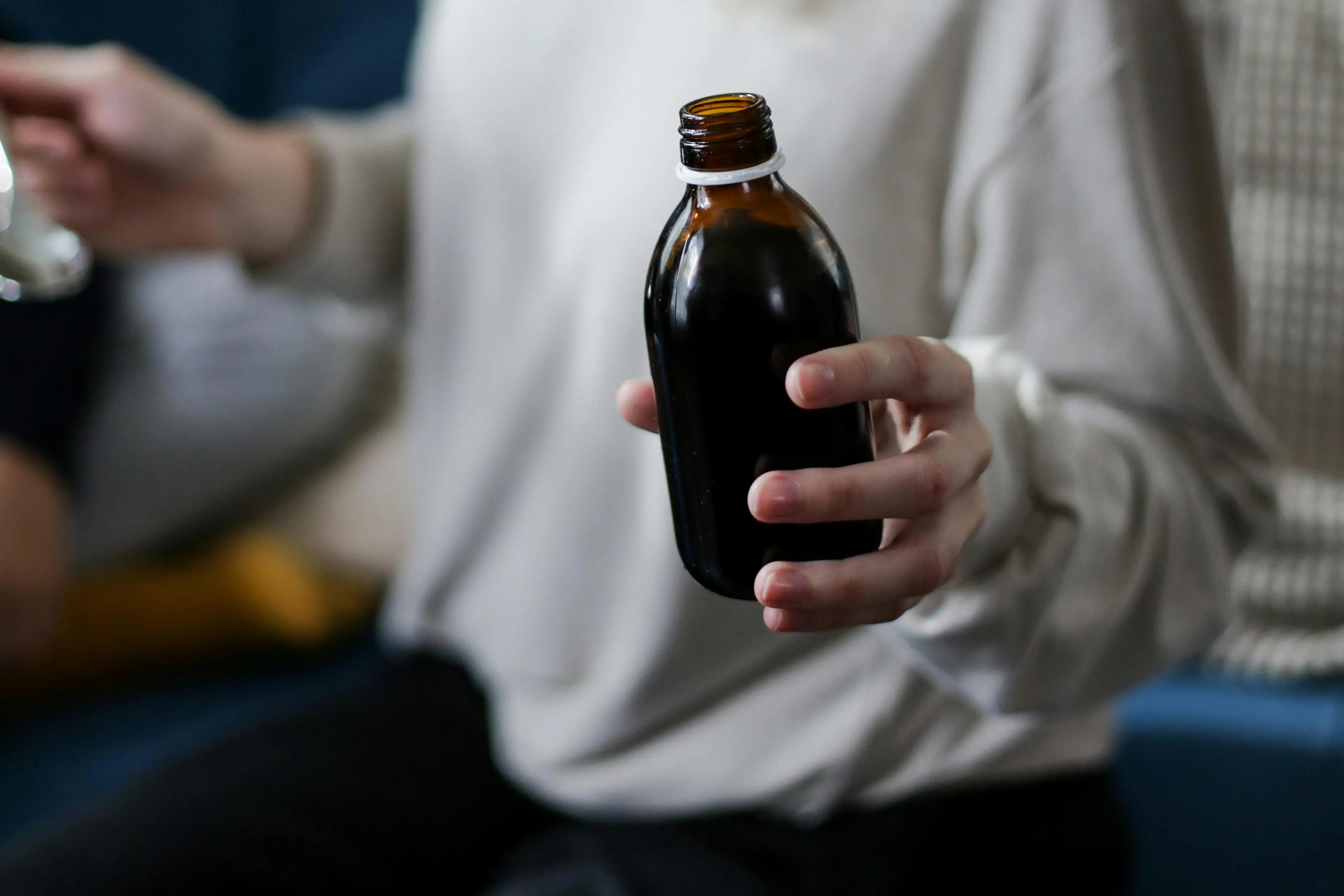
The problem with diethylene glycol (DEG)
DEG is a toxic solvent used in industrial products and has been linked to fatal poisoning in several countries. Its consumption can cause kidney damage, and this is what is suspected to have killed nine children in Madhya Pradesh's Chhindwara district. Tamil Nadu government's report dated October 3 stated that the batch of medicines was “adulterated with 48.6 per cent Diethylene Glycol, a poisonous substance which may render the contents injurious to health.”

Gambia cough syrup deaths
In 2022, another Indian company was at the centre of a row over cough syrups when 70 children in Gambia died allegedly because of the syrups. The World Health Organization (WHO) linked the cough syrups to the deaths. However, the Indian government said subsequent tests showed the syrups were not toxic.
)
)
)
)
)